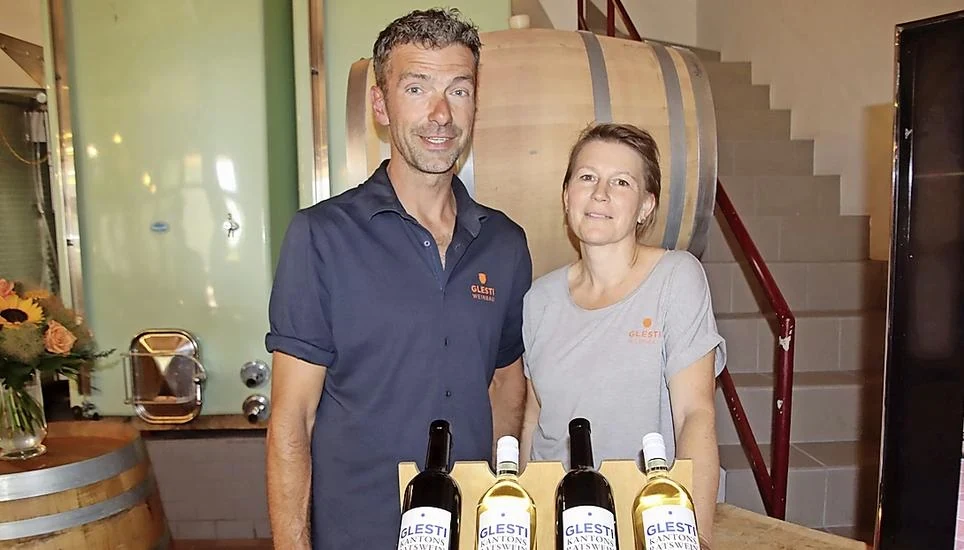

- Falstaff Winery - Listed · 2026
Approaching Glesti Weinbau in Oberstammheim means entering a quieter kind of Swiss wine-country setting: vineyards, rural charm, and a practical cellar environment rather than a grand-estate performance. The picture is direct and useful. This is a family-run, traditional Zurich wine country estate set directly in the vineyards, with a down-to-earth feel that suits everyday wine buying and tastings. Its appeal is not built on spectacle, but on the steady confidence of a place whose identity is closely tied to its surroundings. Visitors should expect something modest, rooted, and functional, where the vineyard setting does much of the work in shaping the experience.
A working vineyard setting in Oberstammheim
Glesti Weinbau is best understood through its setting and tone. The estate is described as rustic, scenic, classic, and somewhat hidden, with the vineyard not just as a backdrop but as the core of the experience. For visitors, that points to a grounded cellar stop rather than a highly staged luxury visit. The sense is of a working wine-country address, where the landscape, the cellar, and the practical purpose of the visit are closely connected.
The strongest confirmed appeal is the combination of Swiss rural character and practical wine-country hospitality. The atmosphere is traditional and family-run, with a cellar environment that appears oriented toward people who want to buy wine for regular drinking as much as those looking for a tasting experience. That distinction matters: Glesti Weinbau reads less like a curated destination and more like a direct estate where wine remains the central reason for coming.
Because public detail is limited, it is better not to overstate the specifics of grapes, production scale, cellar methods, awards, or formal tour formats. What can be said confidently is that Glesti Weinbau offers a classic Oberstammheim vineyard setting with a practical, everyday cellar identity. The restraint around the description is useful, because it keeps expectations aligned with the clearest available picture: rural, traditional, vineyard-based, and approachable.
Family-run charm without theatrical luxury
The family-run character gives Glesti Weinbau its clearest identity. It belongs to a traditional Zurich wine-country context, where rural atmosphere, direct vineyard surroundings, and a plain-spoken cellar setting matter more than polished destination branding. That kind of character can be especially appealing for visitors who prefer an unforced encounter with a place, rather than a heavily packaged version of wine culture.
This is not a page to frame around chef-driven dining, luxury hospitality, or an elaborate beverage program beyond the estate’s wine focus. The grounded reason to visit is simpler: a scenic vineyard estate in Oberstammheim with classic Swiss rural charm and a practical environment for tastings and wine buying. In that sense, the lack of theatrical luxury is not a weakness; it helps define the venue’s proper role as an honest, functional wine-country stop.
That modesty is part of the appeal. Glesti Weinbau reads as a place for visitors who value setting, tradition, and a direct connection to a working wine estate. Its value lies in being approachable and rooted in its vineyard surroundings. The experience should be framed around atmosphere and purpose rather than embellishment: a family-run estate, a rural setting, and the simple pleasure of engaging with local wine in the place where it is made and sold.
How to place it within an Oberstammheim wine day
For travelers building a wine-focused route, Oberstammheim is best treated as a small rural stop rather than an urban dining circuit. Glesti Weinbau suits a slower itinerary centered on vineyard scenery, local wine-country atmosphere, and a traditional family estate experience. It is the kind of address that fits naturally into a day shaped by landscape and unhurried movement, rather than one built around tightly scheduled luxury appointments.
Comparison is most useful when kept close to what is actually established. Glesti Weinbau stands on its own as the named reference point here: a family-run vineyard estate in Oberstammheim with a rustic, scenic, classic feel and a practical cellar setting for everyday wine buying and tastings. The most reliable way to understand it is not by stretching it into a broader claim, but by recognizing the clarity of that profile.
Oberstammheim itself rewards practical planning. Pair a visit with other local dining or lodging options in a general way, but keep expectations grounded: come for a traditional Zurich wine-country estate set directly in the vineyards, not for theatrical luxury or claims about awards, menus, or formal programs. With that framing, Glesti Weinbau makes sense as a calm, traditional stop for visitors who want Swiss rural character, a family-run context, and a cellar experience that remains close to everyday wine buying and tasting.
Questions
Frequently asked
Who works at Glesti Weinbau?
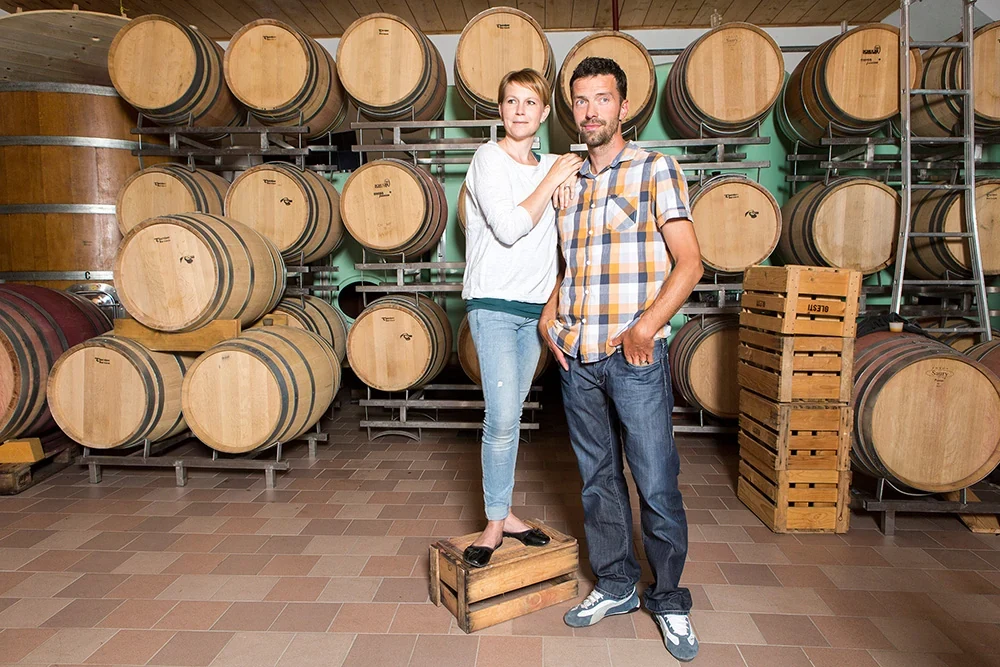
Made By profiles Andrea Glesti (Winemaker) and Peter Glesti (Winemaker) at Glesti Weinbau.
How expensive is Glesti Weinbau?
Glesti Weinbau is listed at a price level of $$.
The field
How it compares
| Place | Notes | Awards |
|---|---|---|
| Glesti Weinbau | Zürcher Weinland / Oberstammheim, $$ | · |
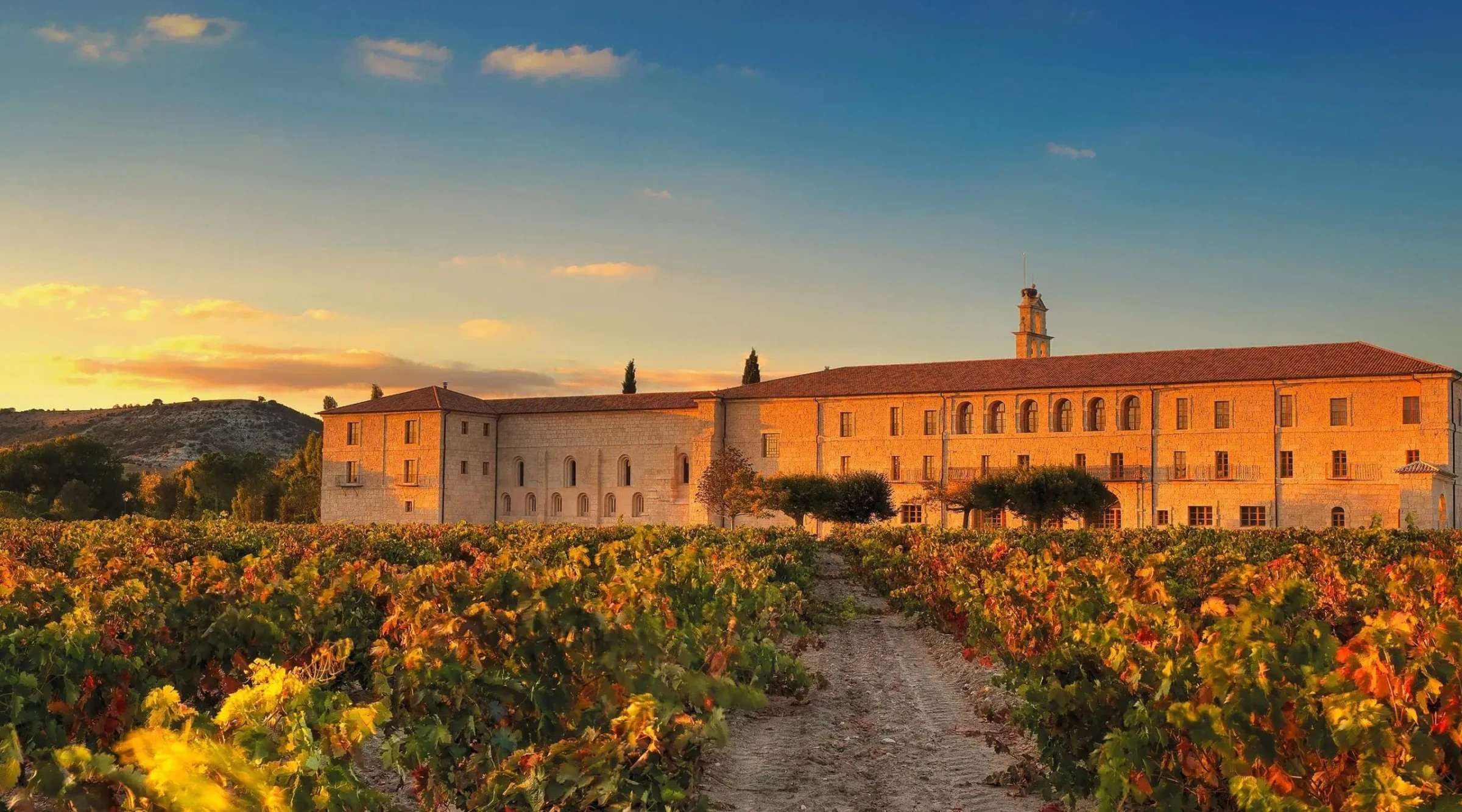
| Abadía Retuerta | Sardón de Duero | World's 50 Best |
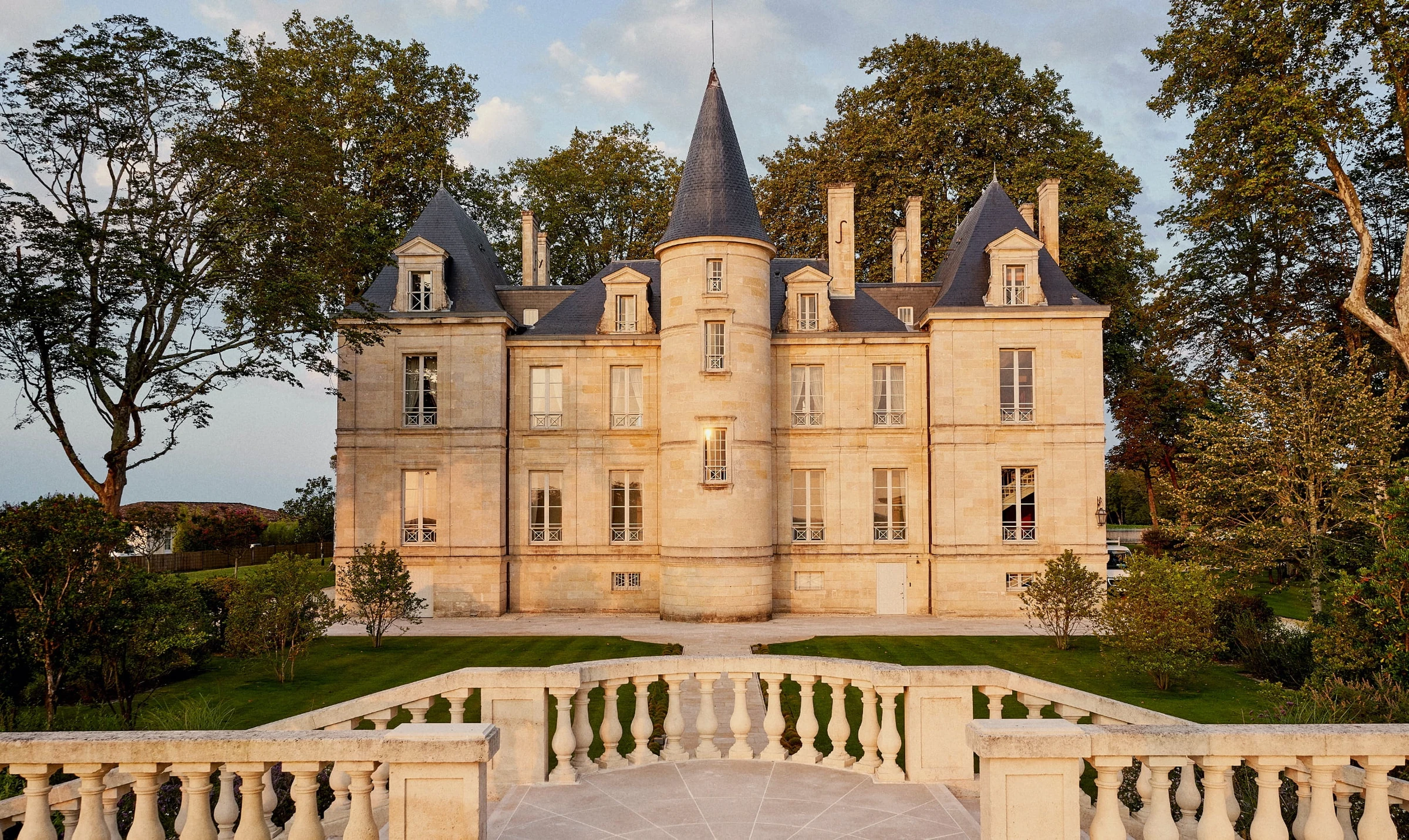
| Château Pichon-Longueville-Comtesse-de-Lalande | Pauillac | · |
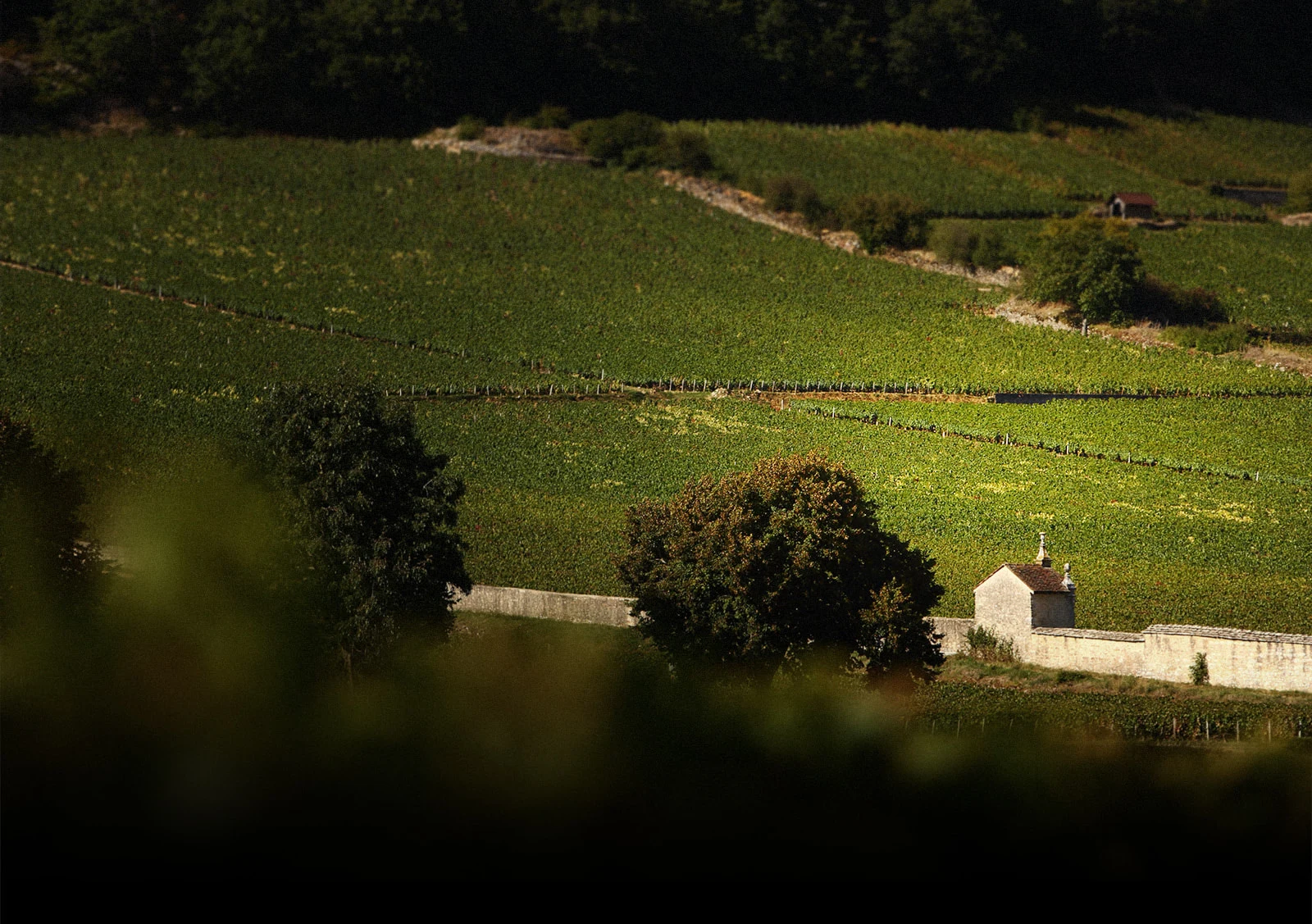
| Domaine Armand Rousseau | Gevrey-Chambertin | · |
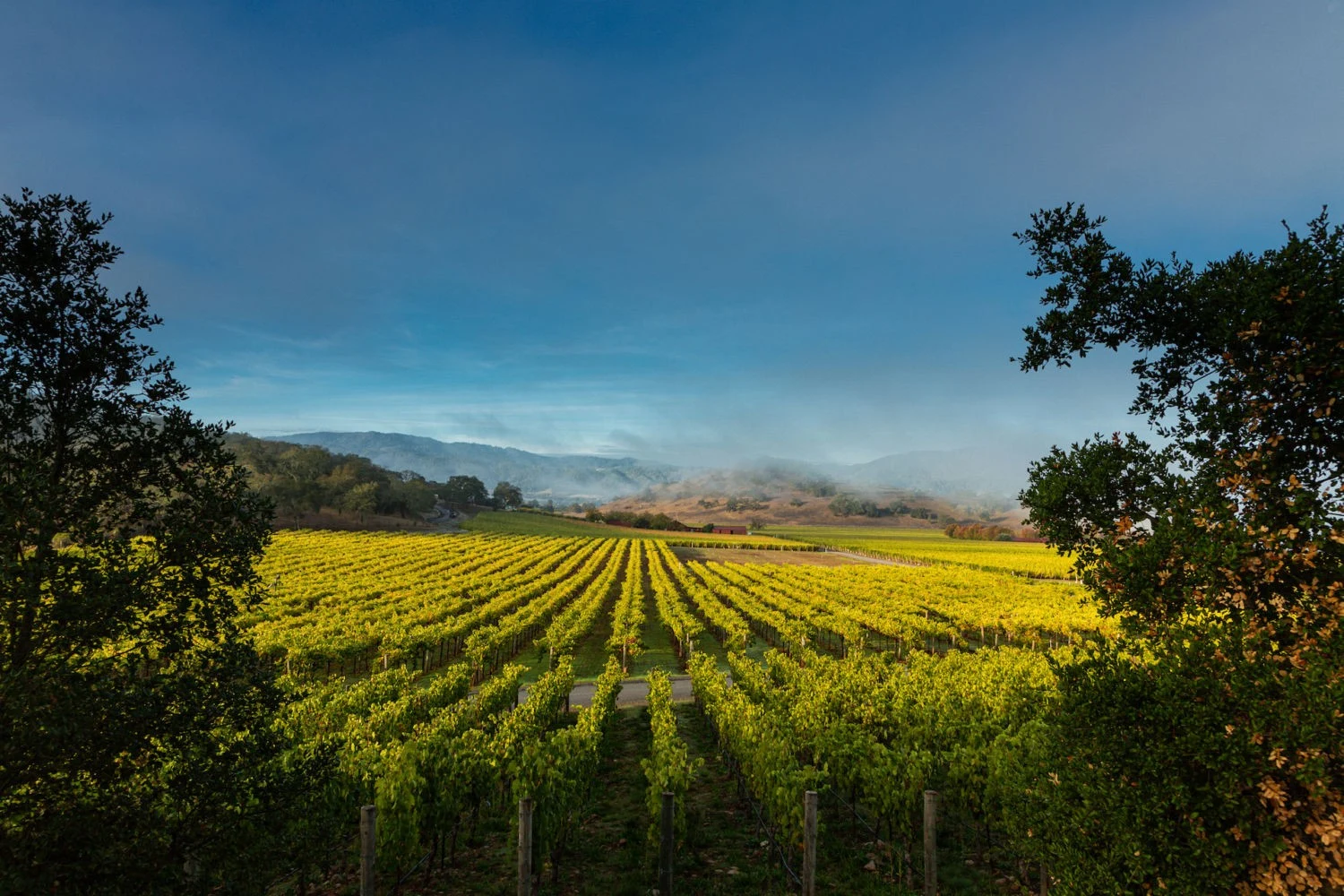
| Screaming Eagle | Napa | · |
| Stammheimer Winzergenossenschaft | Oberstammheim | · |
| Strasser Weingut Stammerberg | Oberstammheim | · |
In residence
Similar places
Abadía Retuerta
Sardón de Duero, Spain
50 Best
Château Pichon-Longueville-Comtesse-de-Lalande
Pauillac, France
Domaine Armand Rousseau
Gevrey-Chambertin, France
Screaming Eagle
Napa, United States
Stammheimer Winzergenossenschaft
Oberstammheim, Switzerland
Strasser Weingut Stammerberg
Oberstammheim, Switzerland