- Falstaff Winery - Listed · 2026
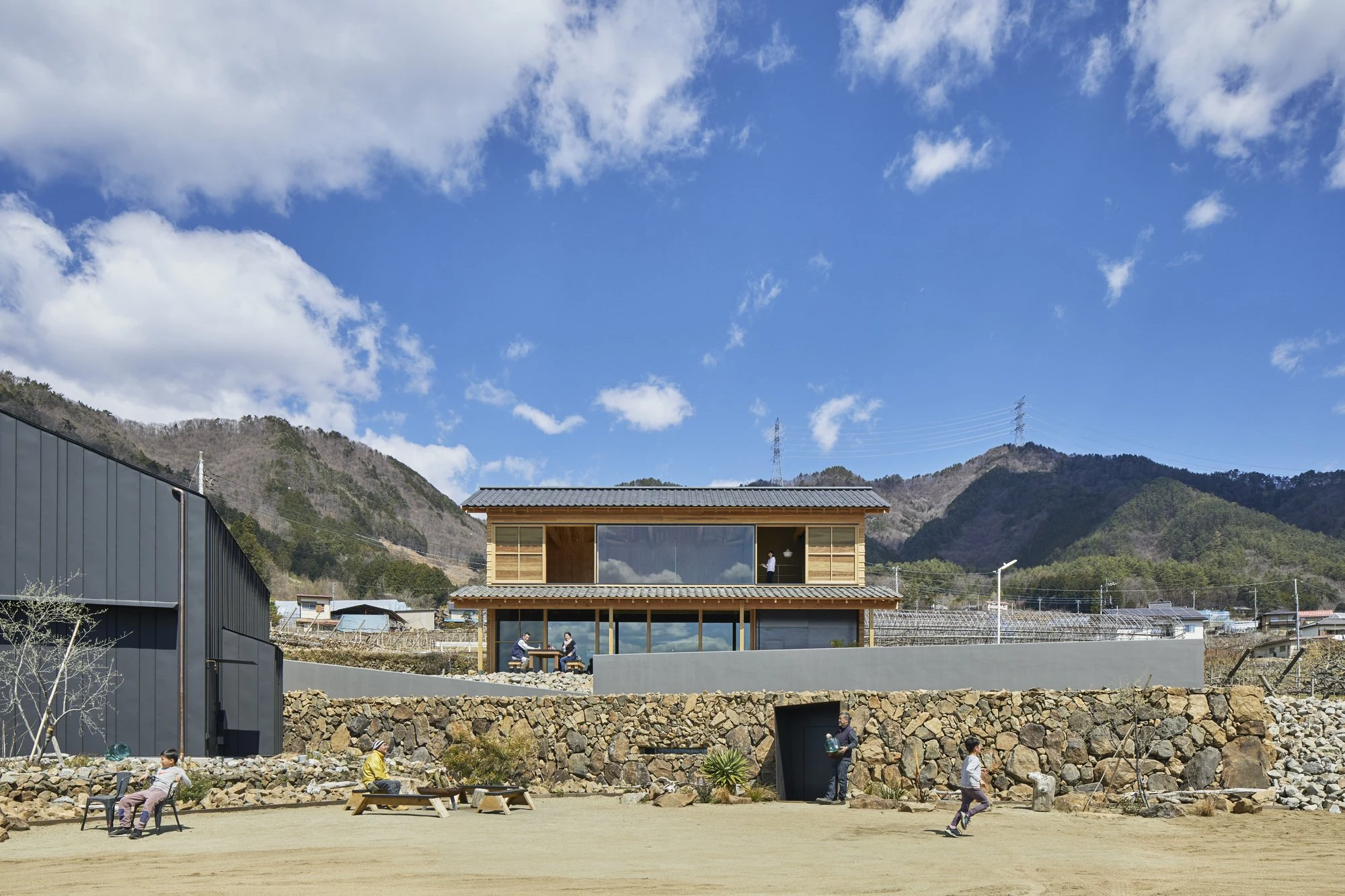
Approach Grace Wine as a quiet, focused tasting-room and retail-shop experience in Yamanashi. The picture is restrained rather than expansive: a visitor-facing space above the production winery, limited seating, and an emphasis on calmly savoring wines rather than touring the facilities. For travelers comparing wine stops in Yamanashi, the appeal is the mood as much as the bottle: classic, intimate, scenic, and measured. It is a venue to enter with a little patience, where the value lies in paying attention to what is in the glass and to the composed atmosphere around it.
Because the public details are intentionally limited, it is better not to overstate the format, grape varieties, awards, history, personnel, or specific tasting options. What can be said with confidence is that Grace Wine is positioned as a focused place to taste and buy wine in Yamanashi, with a quiet atmosphere that suits guests who prefer concentration over spectacle. That restraint is part of how the venue should be understood: the absence of broad public-facing detail calls for careful expectations rather than embellished promises.
A calm tasting room above the winery
Grace Wine is best understood as a compact tasting room and retail shop above the production winery. The setting is not described here as a tour-led attraction or a large hospitality complex; the emphasis is on limited seating and a calm, attentive pace. That makes it a useful stop for visitors who want to slow down, taste carefully, and keep the experience centered on the wines. The upstairs position also reinforces the sense of a visitor space connected to production without turning the visit into a facilities-focused program.
The atmosphere is quiet, classic, scenic, iconic, and intimate. Those qualities matter when planning a visit: this is not the kind of venue to frame around noise, speed, or group entertainment. It is better approached as a focused Yamanashi wine stop where the room encourages restraint and attention. In practical terms, that means arriving ready for a smaller-scale encounter, not expecting a broad hospitality campus or a high-energy social scene.
Pricing is listed as $$, so visitors should expect a mid-range positioning rather than a bargain-only or luxury-only framing. Beyond that, this guide does not verify specific bottle prices, tasting fees, flight structures, hours, seating counts, or reservation rules. Any planning around budget or timing should therefore remain flexible, with the understanding that the confirmed character of the place is more important than operational detail.
The tasting format rewards attention, not spectacle
The core detail is the tone of the experience: quiet, limited-seating, and centered on calmly savoring wines. That is enough to shape expectations. Plan for a composed tasting-room visit rather than a facility tour, a production walk-through, or a large-group outing. The pleasure here is likely to come from a slower rhythm: looking, smelling, tasting, and deciding what to purchase without treating the stop as a checklist attraction.
Specific claims about grape varieties, named bottlings, awards, scores, vintages, founders, winemakers, vineyard sites, or cellar techniques are not included in the data so they are not asserted here. The reliable editorial takeaway is simpler: Grace Wine offers a focused Yamanashi setting for wine tasting and retail, with a calm atmosphere and limited seating. Keeping the description this narrow helps preserve the integrity of the recommendation and prevents the venue from being oversold.
For first-time visitors, the best approach is to treat the stop as a chance to taste attentively. Ask on the day what is available, keep expectations flexible, and let the staff guide the experience based on the current selection. That kind of open-ended visit fits the tone described here: respectful, unhurried, and centered on the wines rather than on a predetermined list of items.
How to place Grace Wine within a Yamanashi itinerary
Grace Wine suits travelers who want a quiet wine-focused stop in Yamanashi. The limited seating and calm room make it better for a measured visit than for a rushed or entertainment-led itinerary. It can work well as part of a broader day of Yamanashi dining, wine, scenery, and cultural planning, provided the visit is approached with the same restraint as the room itself. In that context, it functions as a pause in the day rather than a loud centerpiece.
When comparing options, keep the focus local and practical: Grace Wine is the reference point and other dining or drinking plans in Yamanashi should be considered generically unless separately verified. The safest itinerary is one that leaves enough time to taste calmly, shop if desired, and move on without treating the venue as a full winery-tour destination. Build in enough space around the visit so the quiet, limited-seating nature of the room can remain an asset rather than a constraint.
Questions
Frequently asked
Who works at Grace Wine?
Made By profiles Ayana Misawa (Winemaker) at Grace Wine.
How expensive is Grace Wine?
Grace Wine is listed at a price level of $$.
The field
How it compares
| Place | Notes | Awards |
|---|---|---|
| Grace Wine | Katsunuma-cho, $$ | · |
| 98Wines | Yamanashi | World's 50 Best |
| Billecart-Salmon | Aÿ | World's 50 Best |
| Chateau Lafite Rothschild | Pauillac | · |
| Château Montrose | Saint-Estèphe | · |
| Craggy Range | Hastings | World's 50 Best |
| Hundred Acre | Napa | · |