
- Falstaff Winery - Listed · 2026
Approaching wine in Siegendorf means leaving behind the performance layer that can shape more elaborate winery experiences. The more useful frame here is rural Burgenland: agricultural scale, scenic surroundings, small producers, and a slower atmosphere built around direct enjoyment rather than architectural theatre. Grafl Weine belongs to that register: a small, family-run Burgenland winery with a relaxed, rural atmosphere focused on its own wines. Its appeal is therefore not about arriving at a polished stage set, but about letting the setting remain legible: a working wine address shaped by place, family scale, and the easy rhythm of the surrounding countryside.
Siegendorf sits inside a broader Burgenland wine culture where place and village setting matter. For Grafl Weine, the appeal is not a grand tasting complex or a heavily programmed tourism operation. It is the quieter pleasure of encountering a modest local winery in a rural setting, where the experience feels grounded rather than packaged. That modesty is important: it keeps attention on the wine, the landscape, and the sense of being in a village wine environment rather than in a purpose-built visitor attraction.
Rural Burgenland, read through a small winery
The useful distinction for visitors is between destination wineries built around elaborate tourism infrastructure and smaller producers where the experience remains more direct. Grafl Weine is best understood in the second camp. Its atmosphere is described as rustic, quiet, scenic, and somewhat hidden-gem in character, with the emphasis on direct enjoyment of its own wines. In that kind of setting, the absence of spectacle is not a limitation so much as a defining feature. The winery’s scale and tone encourage a more unforced way of paying attention, where rural surroundings and local production remain close to the surface.
No specific bottlings, vineyard names, tasting formats, or service details need to be added to understand the appeal. The signal is simpler: a local Siegendorf producer, a rural Burgenland context, and a mood that favors ease over spectacle. For travelers accustomed to formalized wine tourism, that restraint can be the point. It suggests an experience that is less about checking off a famous label and more about noticing how wine fits into an ordinary agricultural landscape, where production, village life, and scenery are not separated into different categories.
There is also a practical cultural lesson here. Austria’s wine country is not only about high-visibility estates and export labels; it also includes smaller addresses where family-run production and village setting remain closely connected. Grafl Weine gives that side of Burgenland a clear form: modest scale, regional focus, and a calm rural register. Seen this way, the winery helps balance a wine itinerary that might otherwise lean too heavily toward marquee destinations. It offers a reminder that regional character is often encountered most clearly in quieter places, where nothing is trying too hard to announce itself.
What the experience says about Siegendorf wine travel
Siegendorf rewards a slower itinerary. The village does not need to be treated only as a quick detour; it can make sense as part of a local wine-focused day, especially for travelers interested in quieter rural producers rather than large hospitality concepts. For broader planning, other dining and travel options in Siegendorf can be considered separately and generically. The key is to approach the stop with the right tempo: not as a compressed attraction to consume quickly, but as one piece of a softer, more place-based route through Burgenland wine country.
Within Siegendorf, Grafl Weine is best placed as a small, family-run winery rather than a standalone tourism spectacle. The editorial value is comparative only at the itinerary level: the experience is about rural atmosphere, local wine, and a restrained sense of place. That makes it especially useful for travelers who want their wine travel to feel connected to the village around it. Instead of separating the producer from its context, the visit is most rewarding when the calm setting, the modest scale, and the local focus are allowed to remain part of the same impression.
Travelers extending the Austria wine thread can widen the lens through other wineries and wine-focused stops elsewhere, but Grafl Weine should be judged on its own strengths: a relaxed Burgenland setting, quiet rural character, and direct enjoyment of the producer’s wines. Its role is not to compete with more elaborate wine destinations on their terms. It works better as a counterpoint: small rather than monumental, relaxed rather than staged, and rooted in the understated pleasures of a rural wine village.
Planning the visit without overbuilding the expectation
The right expectation is a quiet winery experience in Siegendorf, not a high-production hospitality set piece. Grafl Weine is small and family-run, with a rustic, relaxed atmosphere and a hidden-gem feel. Its price level is $$. That positioning matters because it frames the visit honestly. Go for the modesty, the rural quiet, and the sense of direct contact with a local producer, rather than expecting a heavily designed wine-tourism environment.
The strongest reason to go is not a trophy list, a named flagship bottle, or an elaborate visitor format. It is the chance to read Burgenland through a small family producer in its own setting. The village, the agricultural quiet, the scenic rural context, and the direct focus on the winery’s own wines all do part of the speaking. If approached with that level of expectation, Grafl Weine becomes a clear example of why smaller rural wineries matter: they preserve the texture of place, and they make the experience of wine feel close to the landscape that surrounds it.
Questions
Frequently asked
Who works at Grafl Weine?
Made By profiles Günther Grafl (Winemaker) at Grafl Weine.
How expensive is Grafl Weine?
Grafl Weine is listed at a price level of $$.
The field
How it compares
| Place | Notes | Awards |
|---|---|---|
| Grafl Weine | $$ | · |
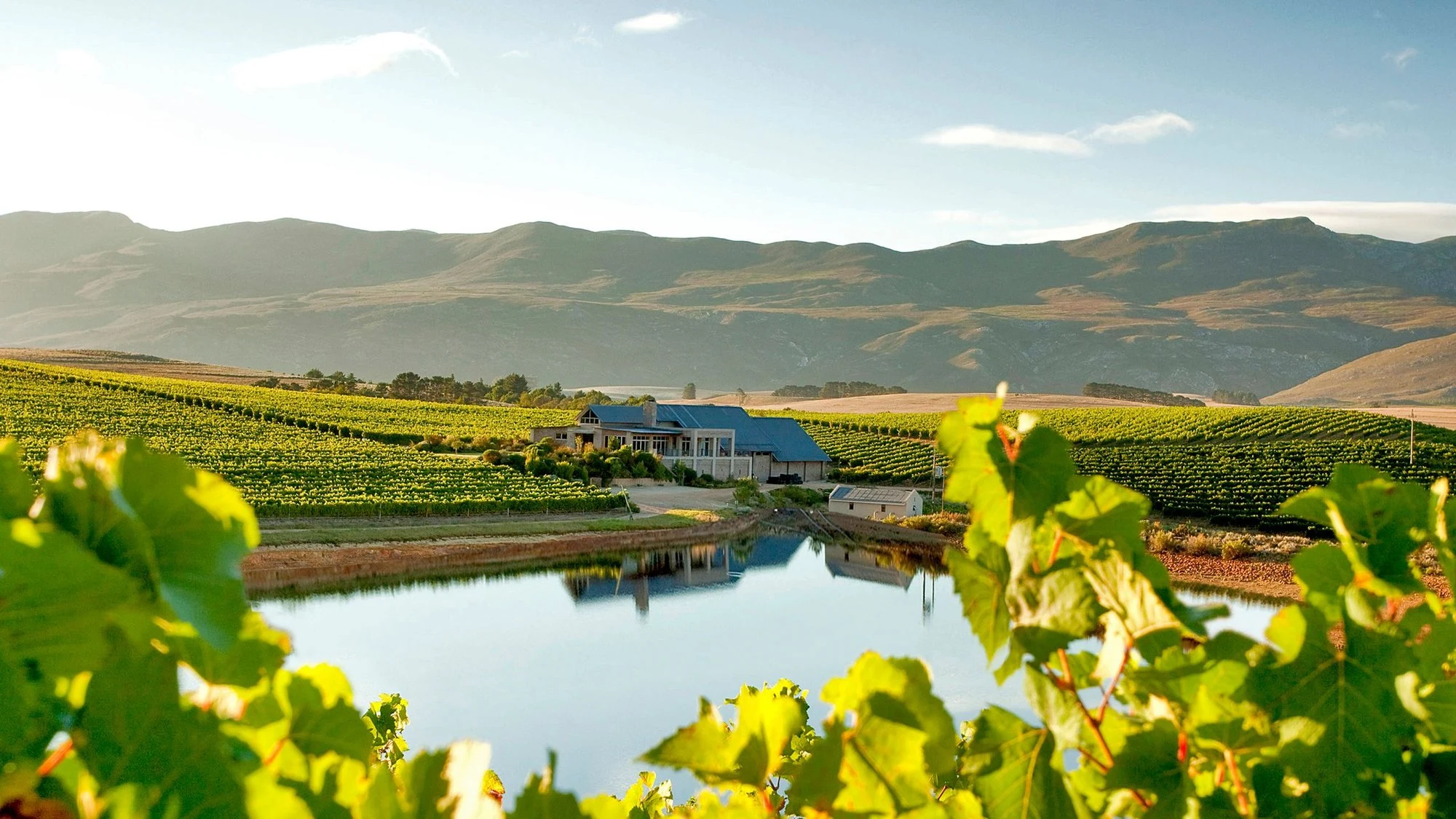
| Creation Wines | Hermanus | World's 50 Best |
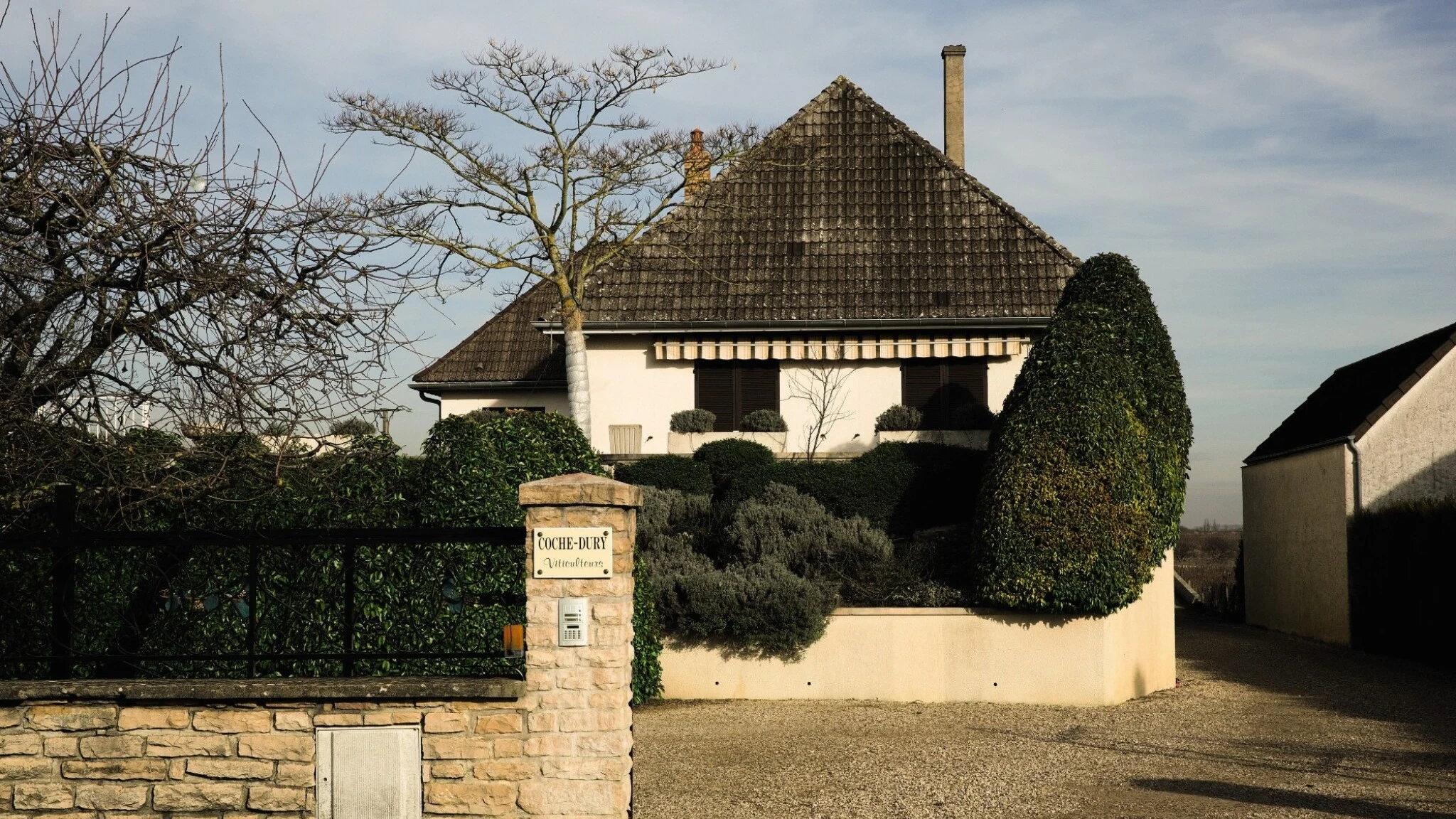
| Domaine Coche-Dury | Meursault | · |
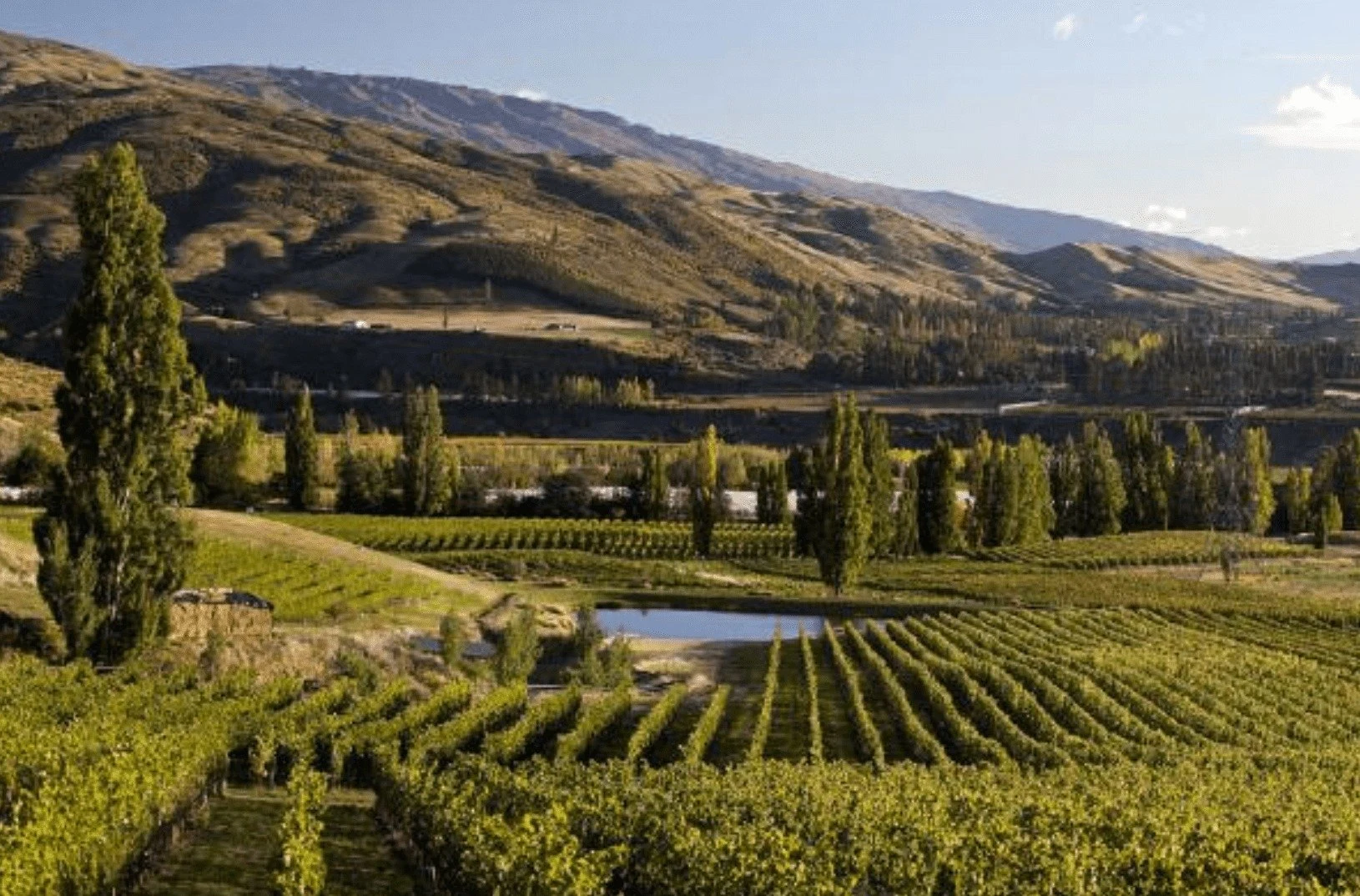
| Felton Road Wines | Bannockburn | World's 50 Best |
| Klosterkeller Siegendorf | Siegendorf | · |
| Rouschal & Janotka | Siegendorf | · |
| Weinbau - Heuriger Eisner | Siegendorf | · |