- Tabelog Bronze #493: 3.9pts · 2026
- Opinionated About Dining Top Restaurants in Japan Recommended · 2026
- Tabelog 100 #97: 3.9pts · 2025
- Opinionated About Dining Top Restaurants in Japan Ranked #575 · 2025
- Tabelog Bronze · 2025
- Opinionated About Dining Top Restaurants in Japan Recommended · 2023
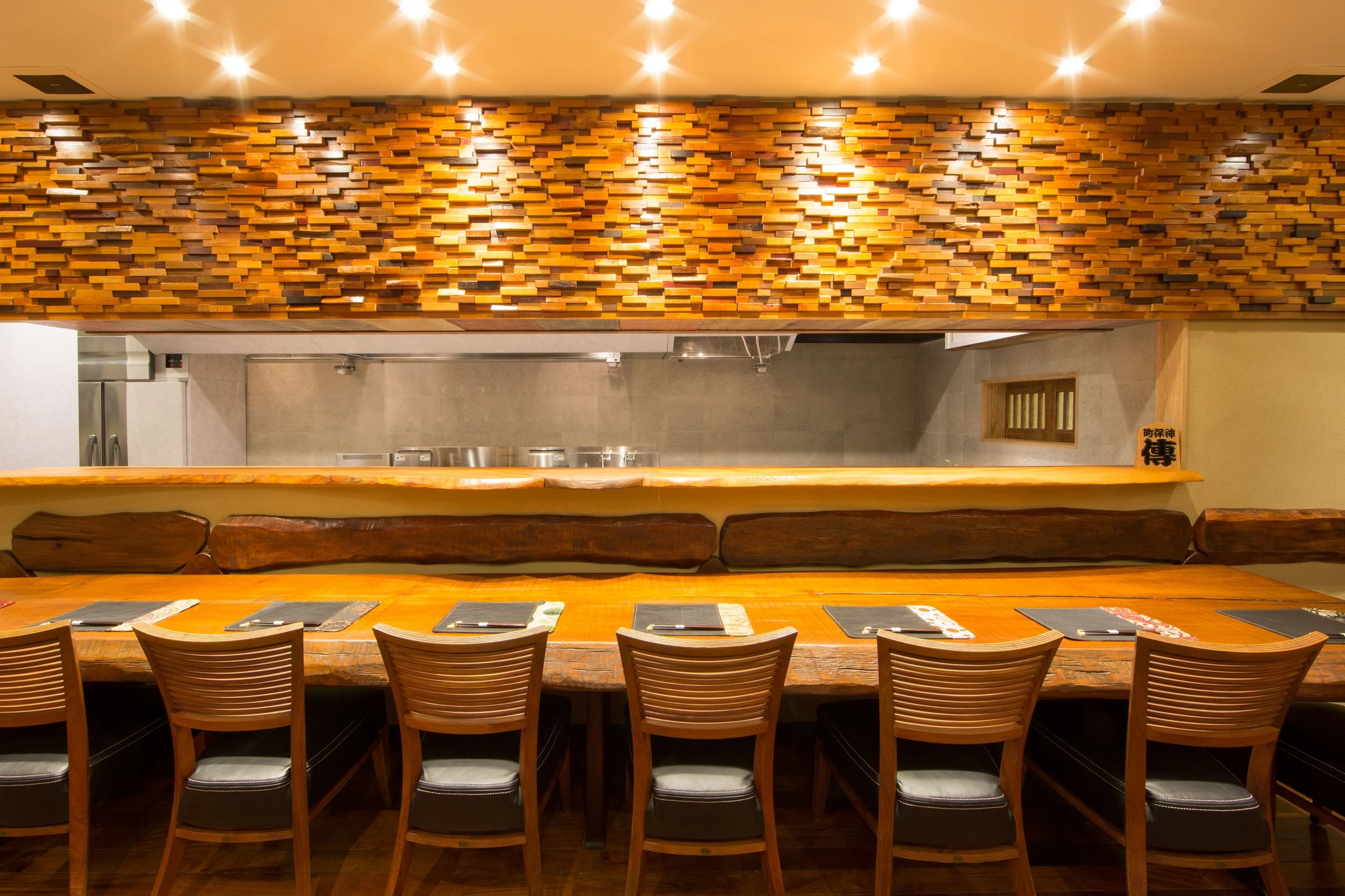
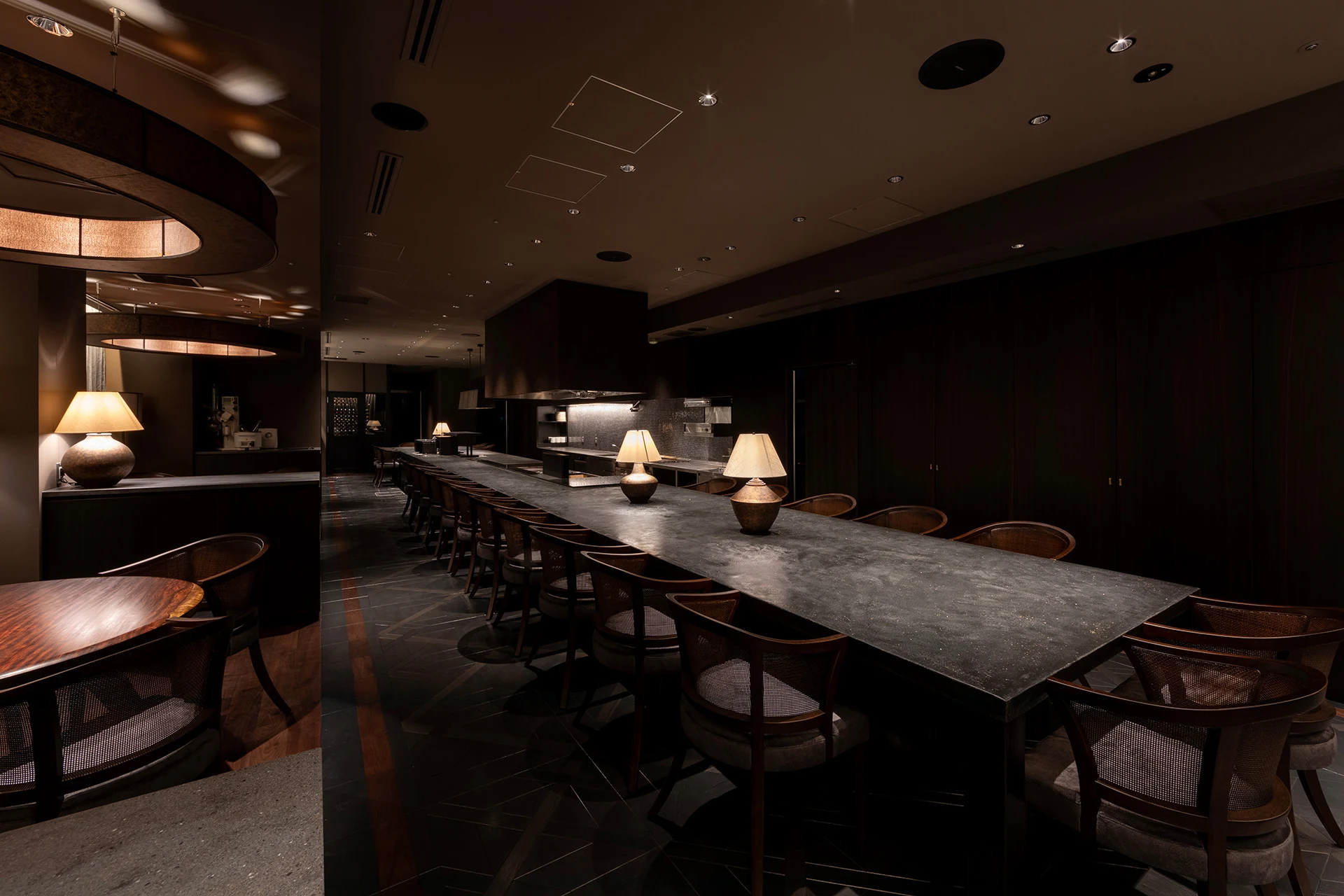
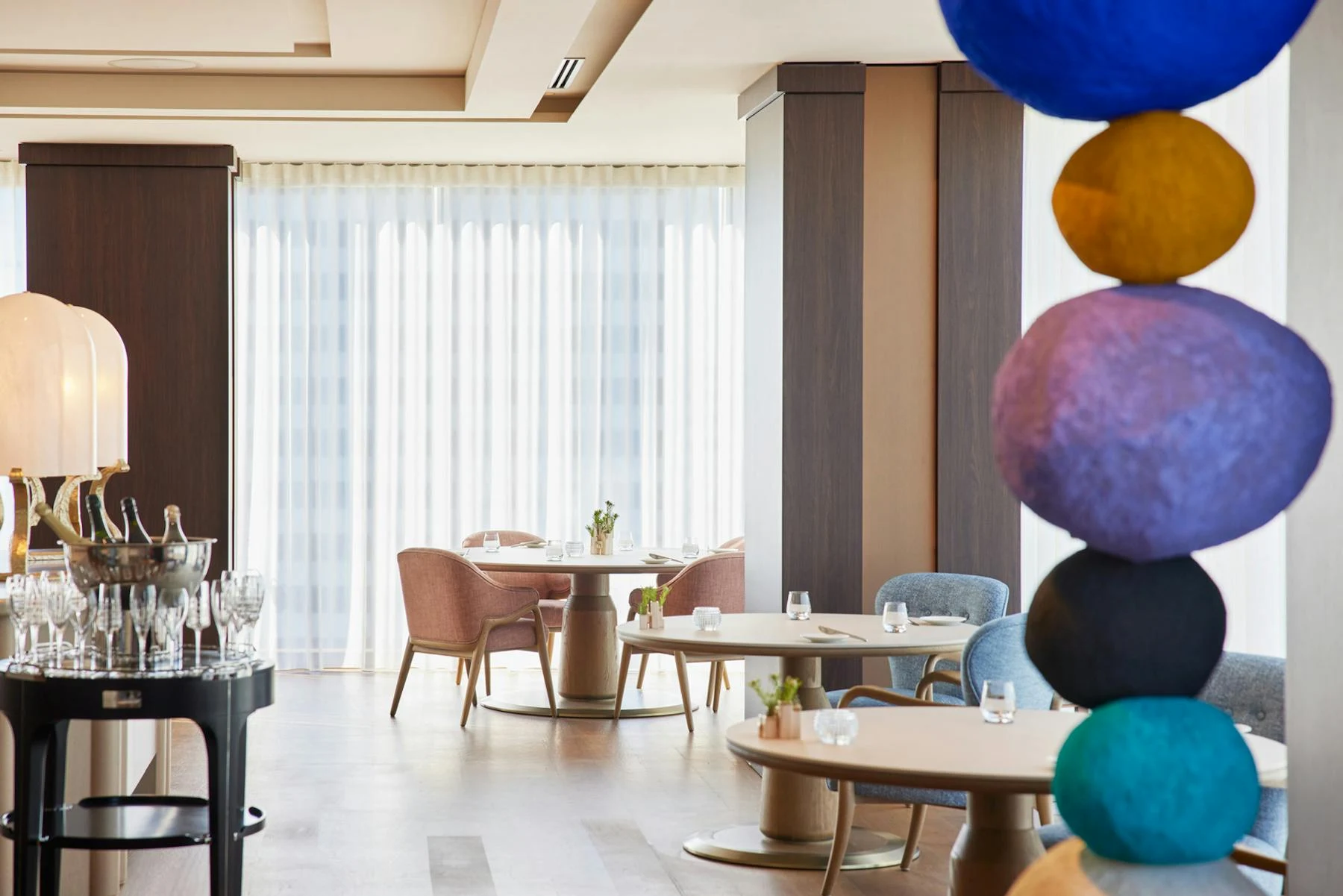
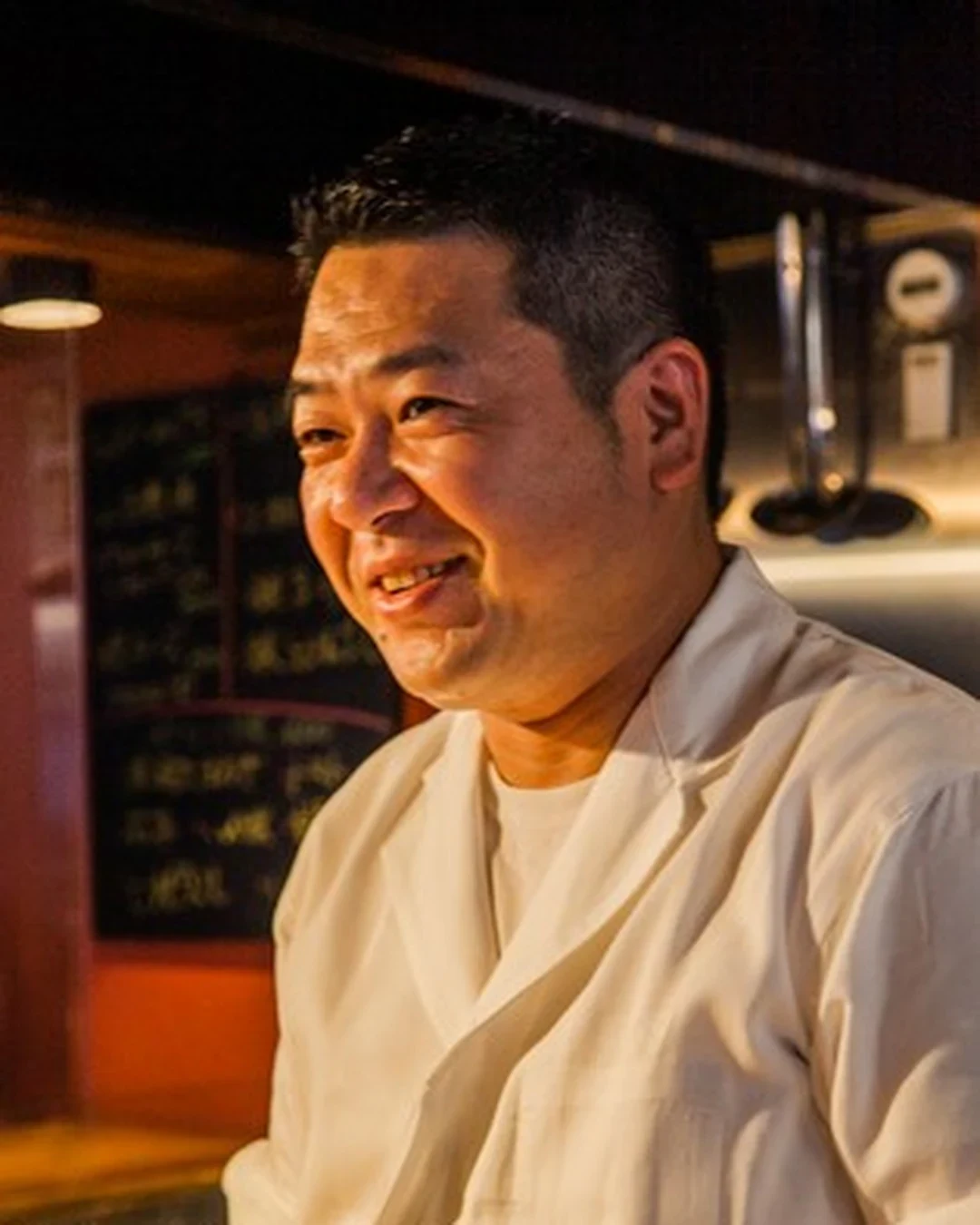
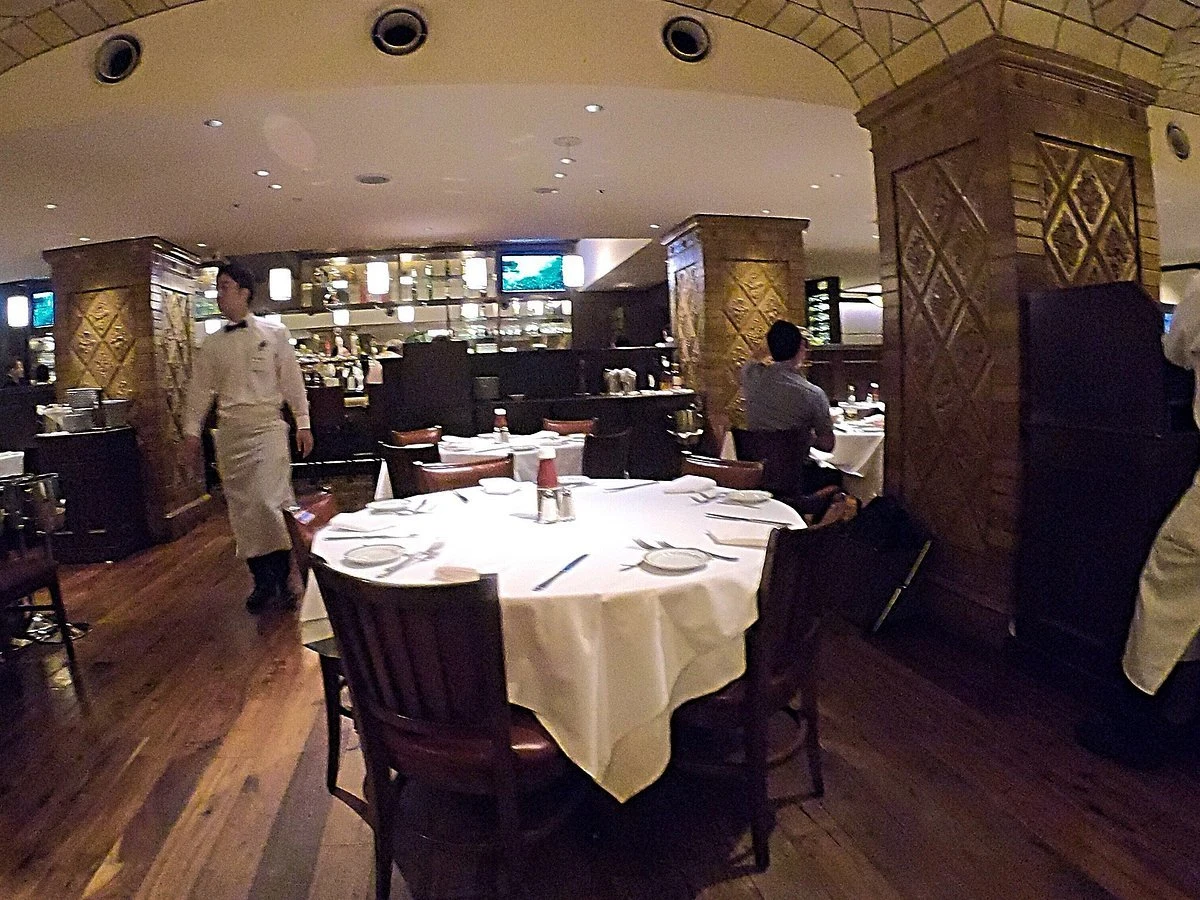
Grill Ukai is a Japanese Grill restaurant in Tokyo's Marunouchi district, led by chef Takashi Imai. Tokyo's premium yakitori counters have always operated this way: the ritual of the meal begins the moment you are seated, not when the first skewer appears. Grill Ukai, positioned on the second floor of a building that houses some of the capital's more considered dining addresses, fits that tradition precisely. The counter format keeps interactions close and deliberate, and the absence of ambient noise typical of large dining rooms places the focus squarely on the sequence of the meal itself.
Yakitori at the Premium End: What Tokyo's Counter Tradition Demands
Yakitori has split into distinct tiers in Tokyo over the past decade. At the lower end, the izakaya-adjacent houses where salary workers decompress over draft beer occupy a volume-driven format with short skewers, quick turns, and a noise level calibrated for groups. At the upper end, a smaller cluster of counters treats charcoal-grilled chicken as a precision discipline: specific breeds, rested meat, controlled heat, deliberate seasoning, and a pacing structure more associated with kaiseki than with casual grilling. Grill Ukai sits in that upper tier.
Tokyo's serious yakitori houses, such as Yakitori Omino and Asagaya BIRD LAND, compete on the quality of their sourcing decisions, the discipline of their fire management, and the precision of their seasoning choices between tare and shio preparations. These are the variables that separate a high-functioning yakitori counter from a competent one, and they are not immediately visible to a first-time visitor. They reveal themselves through the progression of the meal: the fat rendering of an early thigh skewer, the restraint applied to a neck piece, the moment a liver arrives undercooked by design rather than by accident.
HAJIME in Osaka, Gion Sasaki in Kyoto, and Goh in Fukuoka, all of which operate within the same expectation of structured pacing and intentional presentation.
The Ritual of the Meal at Grill Ukai
The dining rhythm matters here. Japanese counter dining, across yakitori, sushi, and kaiseki formats, is built around the idea that the meal is a score to be performed, not a menu to be browsed. At Grill Ukai, the progression from lighter preparations through richer cuts follows an internal logic that the diner is expected to receive rather than direct. This is a different contract than the one most Western dining formats assume: you do not customise the sequence, you follow it.
The Marunouchi location situates the venue within a business district that attracts both corporate entertaining and the quieter end of Tokyo's food-focused visitor economy. The Brick Square address is not a neighbourhood dining destination in the way that 124. KAGURAZAKA or Aramaki are. It is a destination in itself, chosen deliberately and booked in advance, which shapes who is at the counter and how they behave there. The atmosphere that results is attentive rather than convivial: most guests are tracking the meal closely.
Yakitori format also demands a different kind of attention from the diner than, say, sushi or tasting-menu French cuisine. Each skewer is a standalone argument, and the gap between them gives space for assessment rather than continuous consumption. This is a slower rhythm than most modern premium dining formats, and it suits a counter where the cook is visible throughout. At venues like Grill Ukai, the fire is part of the presentation. The charcoal, the smoke, the contact time: these are not hidden in a back kitchen but performed in front of the seated guests.
Recognition and Where It Places the Kitchen
The Tabelog score of 3.88 and inclusion in Opinionated About Dining's Leading Restaurants in Japan list (ranked 575th in 2025, recommended in 2023) place it in the credible but not headline tier of Tokyo's dining recognition hierarchy. This is the bracket where a meal is reliably good and occasionally notable rather than the bracket where every visit is expected to produce a significant experience. That is not a diminishment; it is an accurate description of where most of the city's serious eating happens.
For comparison: upper-tier Michelin-awarded counters in Tokyo, including Harutaka at three stars in sushi and RyuGin in kaiseki, occupy a higher bracket of recognition but also a meaningfully higher price point and a more compressed booking window. Grill Ukai, with its Tabelog presence and OAD listing, sits in the tier below that ceiling but above the volume-driven middle, which is where most serious visitors find the clearest value alignment. Chef Takashi Imai's kitchen is working within a tradition that rewards precision over novelty, and the recognition pattern reflects that.
Innovative counter formats elsewhere in the Kansai region, such as Ichimatsu in Osaka and Torisaki in Kyoto, share some structural similarities with Grill Ukai's approach: the counter format, the progression structure, the reliance on sourcing quality as the foundational variable. The difference lies in regional ingredient philosophy and the degree to which Kyoto or Osaka flavour traditions inflect the seasoning. At Grill Ukai in Tokyo, the seasoning register tends to be direct rather than the more subtle layering common in Kyoto preparations. See also Aria di Takubo for a different perspective on how Tokyo's premium counter format can absorb Italian influence.
Planning a Visit
Dinner at Grill Ukai runs JPY 15,000 to JPY 19,999 at the listed price range. This positions the venue at the upper-middle segment of Tokyo's premium dining market: above the accessible end of serious yakitori but below the full-premium ceiling occupied by venues with multiple Michelin stars and omakase formats priced at JPY 40,000 and above.
Service hours run every day from 11:30 am to 9:30 pm. Booking in advance is strongly advised given the counter format; walk-ins are not a reliable strategy at this tier of Tokyo dining. For those extending further into Japan, akordu in Nara and 1000 in Yokohama offer complementary perspectives on Japan's wider premium dining range. 6 in Okinawa represents a further departure from the urban counter format for those travelling further south.
| Venue | Format | Price Range (Dinner) | Recognition | Closed |
|---|---|---|---|---|
| Grill Ukai | Yakitori counter, Marunouchi | JPY 15,000 to 19,999 (listed); ~20,000 to 29,999 (actual) | Tabelog 3.88, OAD Top 575 (2025) | Wednesday |
| Yakitori Omino | Yakitori counter, Tokyo | Premium tier | Tabelog-listed | Varies |
| Asagaya BIRD LAND | Yakitori counter, Asagaya | Mid-to-premium | Tabelog-listed | Varies |
| Den | Innovative Japanese | ¥¥¥ | Michelin 2 Stars | Varies |
| Crony | Innovative, French | ¥¥¥¥ | Michelin 2 Stars | Varies |
Questions
Frequently asked
Who works at Grill Ukai?
Made By profiles Takashi Imai (Chef) at Grill Ukai.
How expensive is Grill Ukai?
Grill Ukai is listed at a price level of $$$$.
Where is Grill Ukai and what does it serve?
Grill Ukai is in Chiyoda, Tokyo, serving Japanese Grill.
The field
How it compares
| Place | Cuisine | Notes | Awards |
|---|---|---|---|
| Grill Ukai | Japanese Grill | Chiyoda, $$$$ | · |
| Den | Modern Japanese Kaiseki | Tokyo | Michelin 2 Stars, World's 50 Best |
| Florilège | Modern French-Japanese Plant-Based Fine Dining | Tokyo | Michelin 2 Stars, World's 50 Best |
| Narisawa | Modern Japanese Satoyama Fine Dining | Tokyo | Michelin 2 Stars, World's 50 Best |
| Quintessence | Modern French Fine Dining | Tokyo | Michelin 3 Stars |
| Sazenka | Modern Chinese Fine Dining | Tokyo | Michelin 3 Stars, World's 50 Best |
| Sézanne | Modern French Fine Dining | Tokyo | Michelin 3 Stars, World's 50 Best |
In residence
Similar places
Modern Japanese Kaiseki
Den
Tokyo, Japan
★★ · 50 Best
Modern French-Japanese Plant-Based Fine Dining
Florilège
Tokyo, Japan
★★ · 50 Best
Modern Japanese Satoyama Fine Dining
Narisawa
Tokyo, Japan
★★ · 50 Best
Modern French Fine Dining
Quintessence
Tokyo, Japan
★★★
Modern Chinese Fine Dining
Sazenka
Tokyo, Japan
★★★ · 50 Best
Modern French Fine Dining
Sézanne
Tokyo, Japan
★★★ · 50 Best