- Falstaff Winery - Listed · 2026
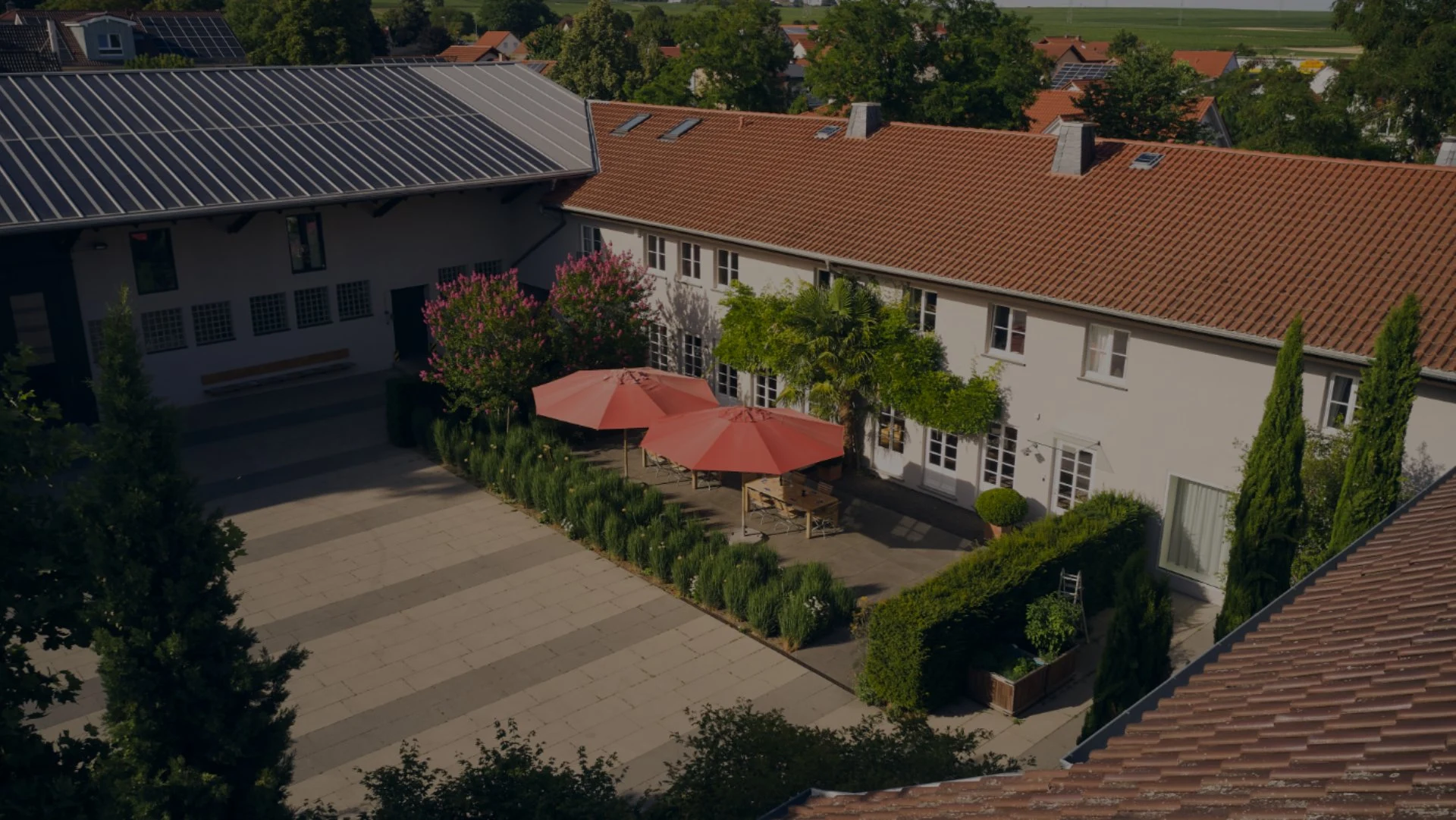
Groebe in Westhofen is best understood as a traditional Rheinhessen family winery rather than a polished tourist venue. The setting is classic and understated, with the focus on serious, characterful wines and the estate atmosphere around them. For visitors, the useful expectation is restraint: a winery experience arranged around the producer and the bottles, not around spectacle, broad entertainment or a heavily packaged hospitality script.
Because the public details are limited, Groebe should not be treated as a venue with a fully documented visitor program here. The grounded picture is simpler: a Westhofen estate with a traditional Rheinhessen family-winery feel, a $$ price level, and visits that are generally arranged directly with the winery. That limitation is important, because it keeps the recommendation practical rather than inflated: this is a place to approach through direct contact and clear expectations.
Rheinhessen restraint and a classic estate atmosphere
Groebe’s appeal is tied to a quieter Westhofen setting. The estate presents a classic, understated atmosphere rather than a high-design hospitality concept. That makes it a better fit for travellers who want to engage with a serious winery environment than for visitors looking for a broad leisure venue, a showpiece destination or an experience built mainly around visual polish.
The important point is not a specific grape list, menu, score, award or tasting format. It is the estate’s character: traditional Rheinhessen family winery atmosphere, serious wines, and a restrained setting. Travellers comparing options in Westhofen can use Groebe as a reference point for this more classic style of visit, where the value lies in the estate context and the wines themselves rather than in add-on programming.
A winery visit for buyers who want the estate, not theatre
Groebe is not presented here as a drop-in attraction with a documented schedule or fixed tasting structure. Visits are generally arranged directly with the winery, so planning ahead is the sensible approach. The experience should be framed around the estate and its wines rather than around a scripted visitor product. In practical terms, that means treating communication with the winery as part of the planning process, not as an afterthought.
That makes Groebe most relevant for people who prefer a focused winery stop in Westhofen. The atmosphere is traditional, understated and serious, so expectations should be set accordingly. Rather than assuming specific tasting lengths, food pairings, services or group formats, visitors should confirm practical details with the winery before going. This is especially useful for travellers who are building a day around wine and want each stop to be realistic, respectful and properly arranged.
For broader trip planning, Groebe can be considered alongside other dining, lodging and leisure options in Westhofen in a general way. The key is to keep the winery visit itself grounded: contact the estate directly, expect a classic Rheinhessen family-winery setting, and do not rely on assumptions about services. That grounded approach also helps avoid mismatched expectations; the strength here is not the promise of a complete leisure complex, but the clarity of a focused estate visit.
How Groebe fits a wider wine itinerary
For a serious wine traveller, Groebe works well as a Westhofen stop defined by restraint and estate character. Its identity is not built on public award theatre, named comparisons or a documented luxury hospitality format. It is a traditional Rheinhessen family winery with a focus on serious, characterful wines. That gives it a clear role in an itinerary for visitors who value producer context and a quieter sense of place.
Within a broader wine itinerary, that makes Groebe useful as a quieter counterpoint to more commercial or visitor-oriented experiences. The draw is the classic Westhofen estate atmosphere and the chance to engage directly with the winery, subject to arrangement. For travellers moving between different styles of venues, this kind of stop can provide balance: less about spectacle, more about the estate itself and the character implied by its traditional setting.
Within Westhofen itself, Groebe is a strong choice when the priority is a traditional Rheinhessen family-winery setting and a serious, understated approach. The most concrete planning guidance is simple: expect a $$ price level, arrange visits directly with the winery, and treat the visit as a focused estate stop rather than a polished tourist production. With those expectations in place, Groebe reads most clearly as a restrained, wine-led Westhofen address for visitors who are comfortable letting the producer and the bottles define the experience.
Questions
Frequently asked
Who works at Groebe?
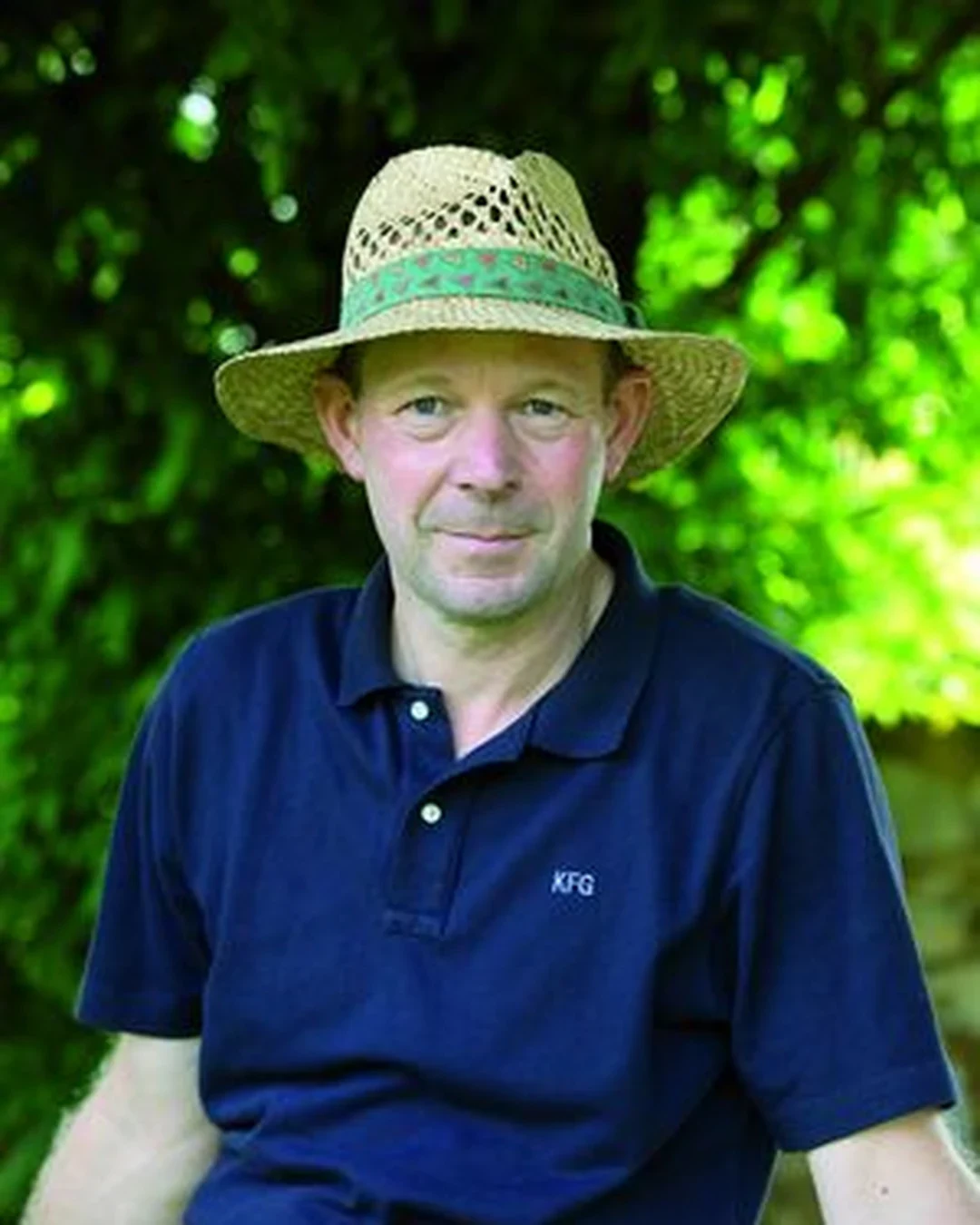
Made By profiles Friedrich Groebe (Winemaker) at Groebe.
How expensive is Groebe?
Groebe is listed at a price level of $$.
The field
How it compares
| Place | Notes |
|---|---|
| Groebe | Westhofen, $$ |
| Weingut Bergkloster | Westhofen |
| Weingut Dreihornmühle | Westhofen |
| Weingut Groebe | Westhofen |
| Weingut Seehof – Familie Fauth | Westhofen |
| Weingut Wechsler | Westhofen |
| Weingut Wittmann | Westhofen |