- Falstaff Winery - 3 Stars · 2026
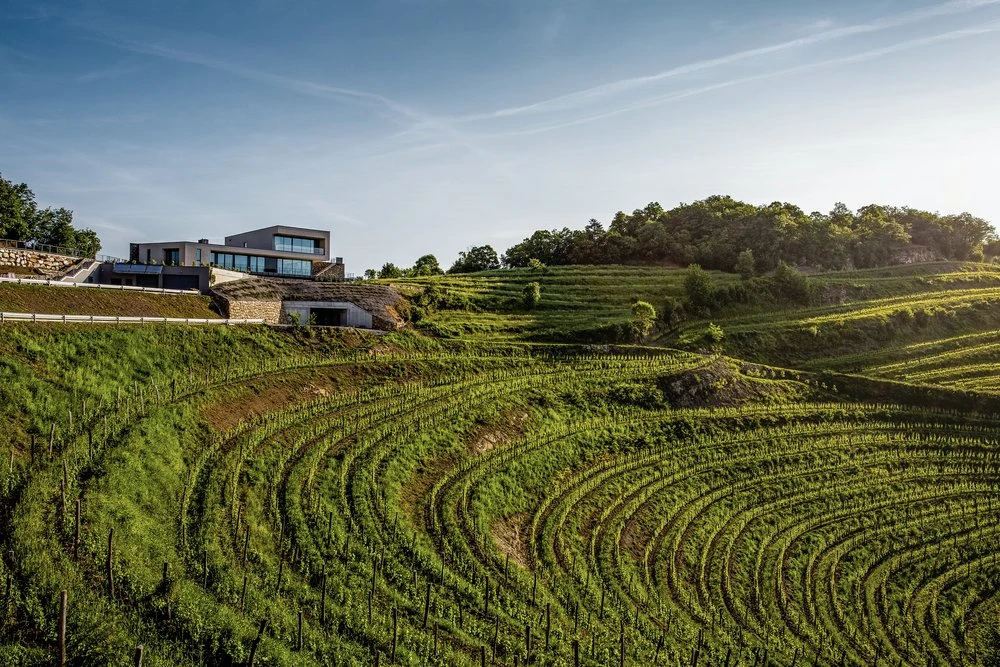
Guerila Wines in Ajdovscina is best framed as a winery visit with a calm, professional atmosphere rather than a high-energy drinking stop. That distinction is useful from the start, because the appeal here is not presented as noise, speed or nightlife-style momentum, but as a composed encounter with wine, place and method. The setting is modern and clean-lined, with cellar spaces, a tasting bar and a conference room balanced by rural farm warmth and views over cascading south-facing vineyard terraces. In practical terms, that means the visit reads as both polished and connected to the land around it, rather than as a generic tasting space detached from its vineyard context.
The page’s confirmed details are limited, so the most useful planning approach is to focus on what is known: the experience is centered on biodynamic wine education, the setting is relaxed but professional, and the listed price is $30 per person. Those details are enough to establish the tone of the visit, but not enough to assume specifics beyond them. Treat Guerila Wines as a place to learn, taste and take in the setting with a degree of structure, while leaving operational questions to be checked directly before making firm plans.
Wine education in a modern cellar setting
The strongest reason to consider Guerila Wines is the combination of place and learning environment. Its cellar spaces are described as contemporary and clean-lined, while the surrounding vineyard terraces keep the agricultural setting visible rather than abstract. That contrast gives the visit its shape: the interior suggests order, clarity and professionalism, while the exterior views keep attention on the source of the wine and the terrain around Ajdovscina.
That balance matters for visitors who want a wine stop that feels grounded in its farm context. The atmosphere is not presented as formal or theatrical; it is relaxed, professional and focused on biodynamic wine education. For many travelers, that middle ground is the point. It suggests a setting where questions can be asked, ideas can be explained, and the tasting can remain attentive without becoming stiff. The emphasis on biodynamic wine education also helps define expectations: this is not just a place to pass through quickly, but a venue where the approach to wine is part of the experience.
Because the confirmed description highlights both the cellar and the vineyard terraces, the visit should be understood as more than an indoor tasting alone. The modern spaces provide the frame, but the south-facing terraces and rural warmth provide the context. Together, they make the educational side feel tied to a visible landscape, which is especially important for visitors who respond to wineries as places rather than simply as producers.
A tasting room built for education, not performance
The hospitality setting includes a tasting bar and conference room within modern cellar spaces. That makes Guerila Wines a sensible choice for visitors looking for a structured, educational winery environment rather than a casual bar-style stop. The presence of these spaces points toward a visit that can support explanation and conversation, not merely a quick pour. It also reinforces the professional side of the atmosphere, while still allowing the surrounding rural character to soften the overall feel.
The visual context is part of the appeal: rural farm warmth and views over cascading south-facing vineyard terraces shape the mood of the visit. The setting supports conversation about biodynamic wine without making the experience feel overly corporate. That is an important nuance. A modern cellar can sometimes feel detached or showroom-like, but here the description keeps returning to the farm setting and the terraces, so the polish is balanced by a sense of place.
For planning, treat the atmosphere as relaxed but professional. If you need specific details such as opening hours, reservation requirements, group arrangements, accessibility, language support, food availability or transport logistics, confirm them directly before you go. The available information gives a clear impression of tone, but it does not fill in every practical detail. Checking ahead is therefore the safest way to match the visit to your schedule, your group and the kind of winery experience you want.
This is especially relevant if your expectations are specific. A traveler looking for an informal drop-in drink, a food-led visit or a highly social bar atmosphere may read the same details differently from someone seeking biodynamic wine education in a calm setting. The confirmed description supports the latter more strongly: a professional cellar environment, a tasting bar, a conference room and vineyard views that together make education and context the central draw.
How to place it within an Ajdovscina wine itinerary
Guerila Wines can anchor an Ajdovscina wine-focused outing for travelers who want a biodynamic wine education setting with contemporary cellar design and vineyard views. The price is $30 per person, which gives a useful baseline for budgeting. Since the visit is best understood as relaxed but professional, it fits most naturally into an itinerary where the purpose is to slow down, learn and connect the wines to their setting rather than simply add another quick stop.
For wider planning, use Our full Ajdovscina wineries guide alongside Our full Ajdovscina restaurants guide, Our full Ajdovscina hotels guide, Our full Ajdovscina bars guide and Our full Ajdovscina experiences guide. You can also compare the visit with other dining and wine options in Ajdovscina generically, while keeping Guerila Wines as the named reference point. In that comparison, its defining features are the biodynamic education focus, the modern cellar spaces, the tasting bar and conference room, the rural farm warmth and the views over cascading south-facing vineyard terraces. Those are the points to weigh when deciding whether it should be the central winery visit in your plan or one part of a broader Ajdovscina route.
Questions
Frequently asked
Who works at Guerila Wines?
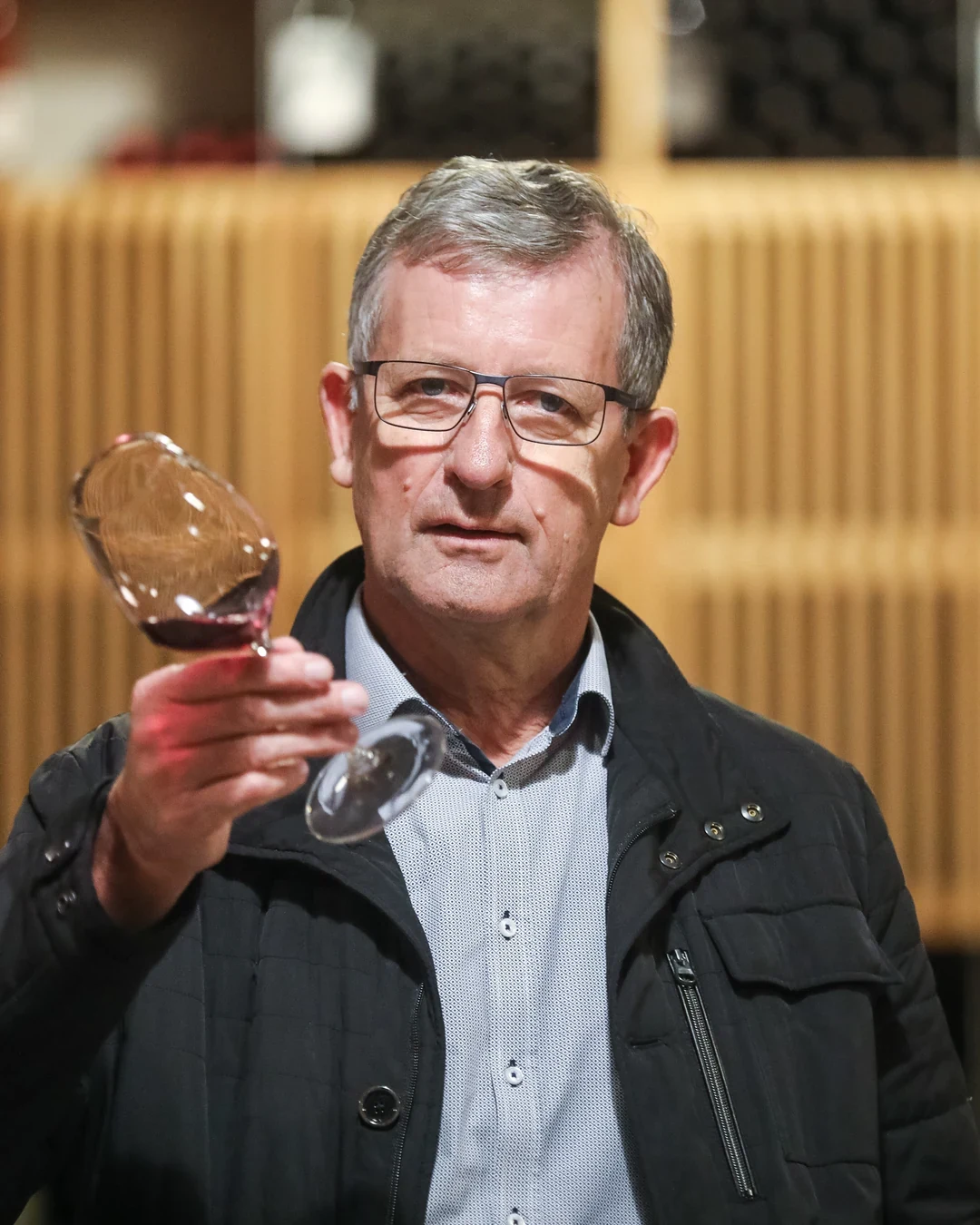
Made By profiles Zmago Petrič (Winemaker) at Guerila Wines.
How expensive is Guerila Wines?
Guerila Wines is listed at a price level of $$.
The field
How it compares
| Place | Notes | Awards |
|---|---|---|
| Guerila Wines | Planina, $$ | · |
| Château La Mission Haut-Brion | Talence | · |
| Château Palmer | Margaux | · |
| Château Smith Haut Lafitte | Martillac | World's 50 Best |
| Domaine Hubert Lignier | Morey-Saint-Denis | · |
| Kumeu River Wines | Kumeu | World's 50 Best |
| Quinta do Noval | Pinhão | World's 50 Best |