Manual punch downs, estate vines
- Pearl 2 Star Prestige · 2025
From rows to tank
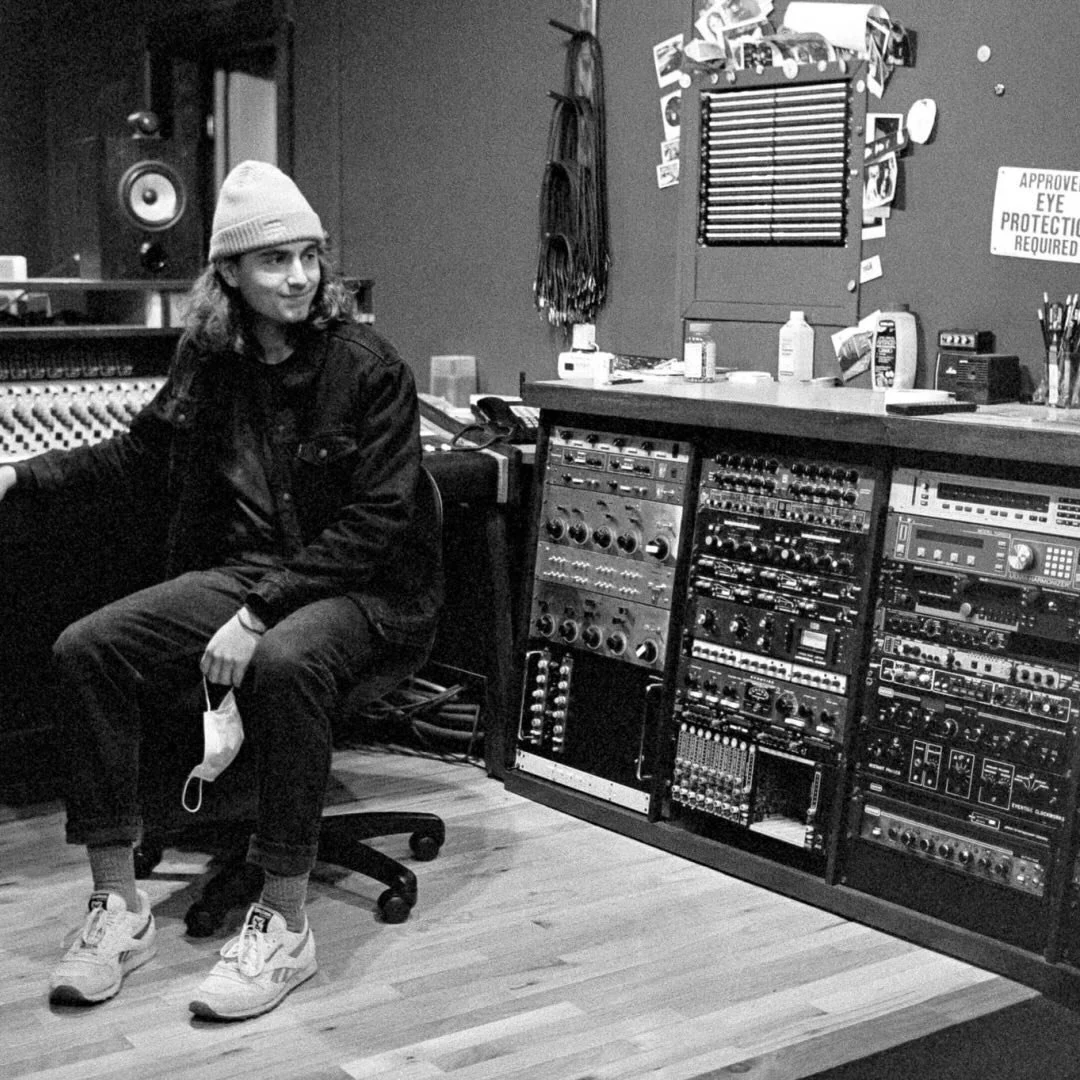
Manual punch downs set the rhythm. Emmett Reed, winemaker at Gustafson Family Vineyards in Cloverdale, worked from vine to cellar on a Dry Creek Valley estate shaped by elevation, volcanic soil, and family stewardship. His role joined two disciplines that often separate after harvest: he was named as both winemaker and vineyard manager, responsible for the rows before the fruit reaches the fermenter and for the choices that follow in the cellar. Reed has described winemaking as the meeting of agriculture and science, and at Gustafson that idea had a practical edge. The property began as an old sheep ranch, purchased in spring 2002 by Dan Gustafson with his children Kristen and Jeff, then planted and built into a hillside estate. The vineyard work sits within that larger act of making a place, not simply making a label. Reed’s tenure at this station is tied to the 2011 Gustafson role named in his career, and the house’s own story places his hands across the full cycle, from bud break to harvest, then into fermentation and aging.
Twenty acres on volcanic soil
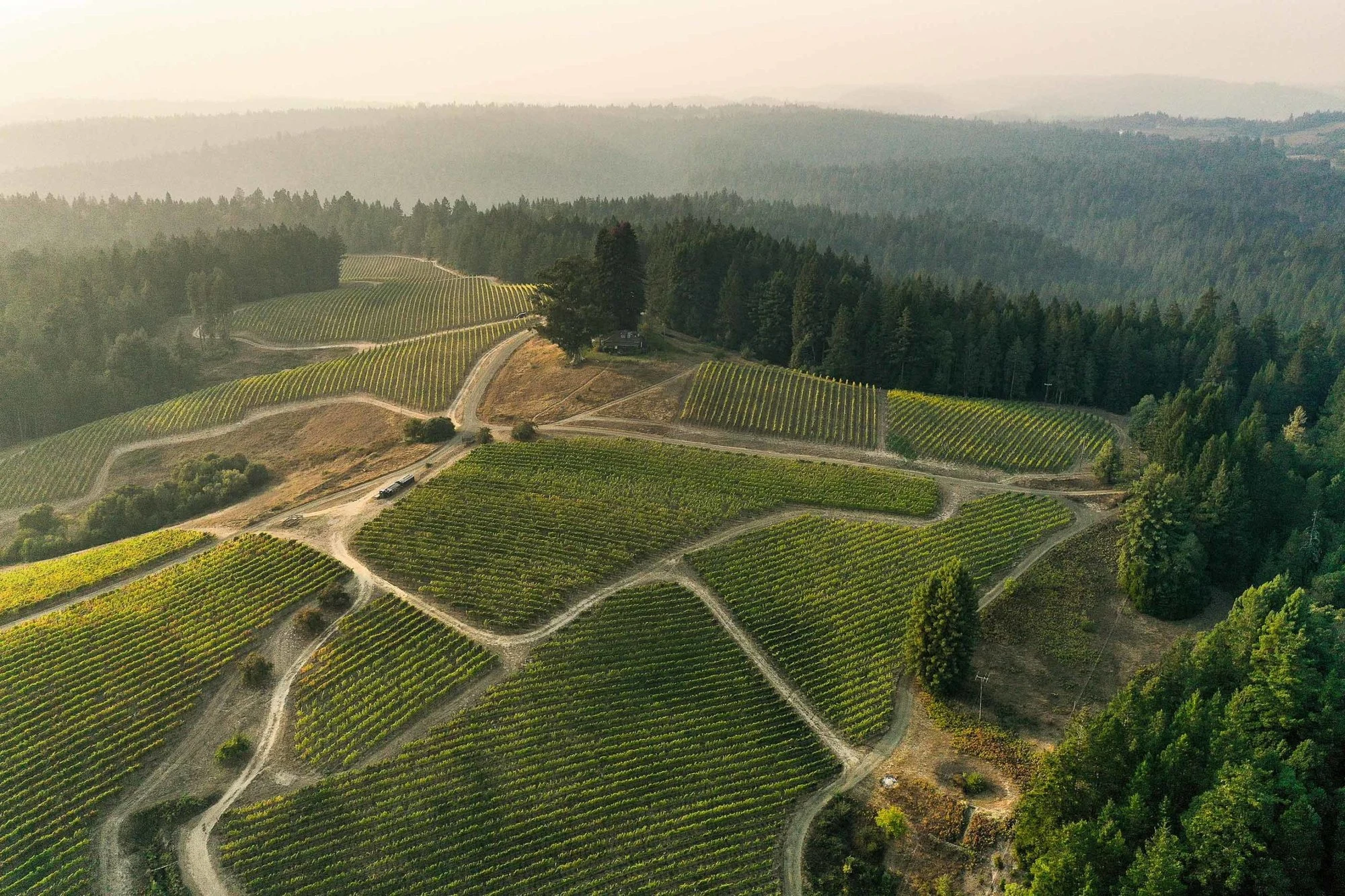
The craft here begins with 20 acres of estate vines inside a 247-acre property, where lean volcanic soils and high elevation regulate growth before the cellar has a say. Cabernet Sauvignon, Zinfandel, Petite Sirah, and Sauvignon Blanc are named among the estate grapes, with the vineyard’s cool morning harvests and Dry Creek Valley microclimate carrying acidity and structure into the winery. In the cellar, small lots and manual punch downs built texture without forcing the fruit. Red wines aged 18-24 months in French oak, then were bottled on-site under Reed’s direction. The program did not lean on breadth for its force; it worked through estate-designate bottlings and the discipline of one site. Olive trees added another agricultural thread, with four Tuscan varieties producing estate oil alongside the wine program. Since the 2020 LCU Fire, wine-making operations have ceased, though the vines remain active. That changes the public face of the property, but not the way the rows explain the wines already made from them.
The cellar above Lake Sonoma
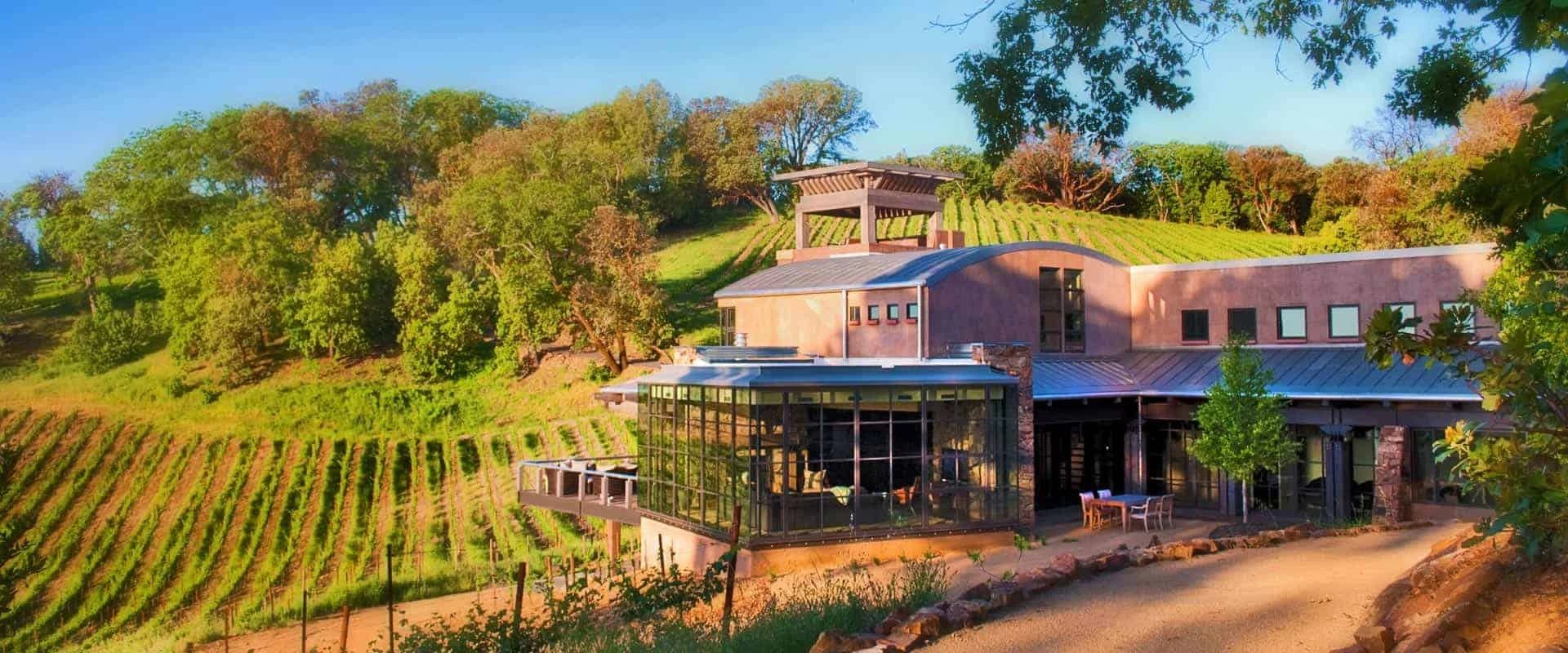
The place reads first as altitude. From the estate, the eye runs over Lake Sonoma, Dry Creek Valley, and toward the Mayacamas Mountains, while the vineyard sits among native wildflowers, mushrooms, deer, and wild boar. Before tastings ended, the room joined modern lines with rustic material, and the outdoor patio put the glass close to the weather that formed it. The cellar’s work belonged to that same slope: fruit arriving from estate rows, small lots moving through fermentation, oak taking over only after the hand work had set the frame. Gustafson’s estate home now carries much of the hospitality, but the vineyard remains the fixed instrument. Above Lake Sonoma are 20 acres of vines.
Questions
Frequently asked
Who made the wines at Gustafson Family Vineyards?
Emmett Reed was the winemaker, and he also served as vineyard manager.
What grapes were grown on the estate?
The estate grapes named in the page copy are Cabernet Sauvignon, Zinfandel, Petite Sirah, and Sauvignon Blanc.
What is the vineyard site like?
The vineyard sits on 20 acres within a 247-acre property in Dry Creek Valley, on elevation and lean volcanic soil above Lake Sonoma.
Is Gustafson Family Vineyards still making wine?
Winemaking operations ceased after the 2020 LCU Fire, although the vines remain active.
The field
How it compares
| Place | Awards | Notes |
|---|---|---|
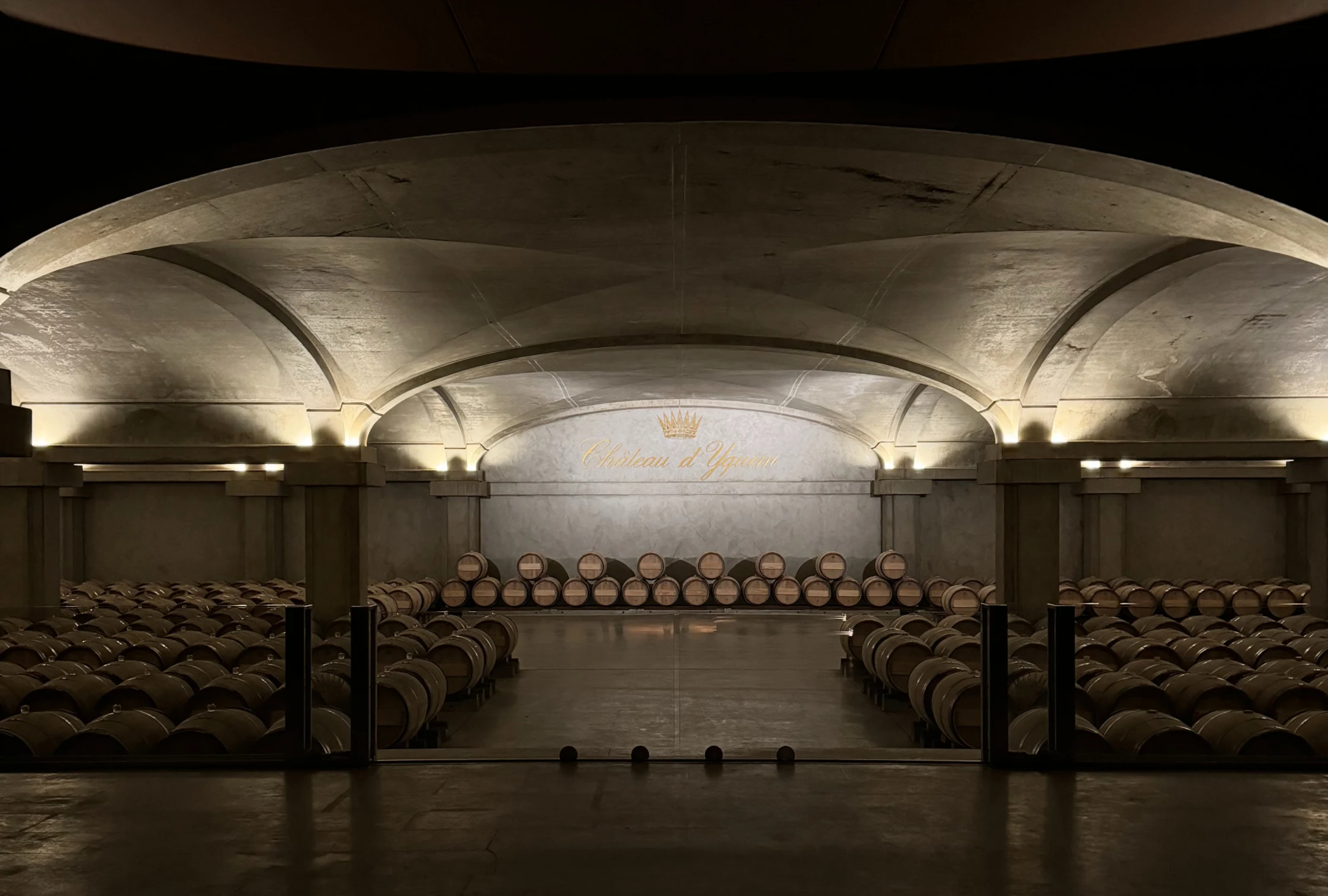
| Château d'Yquem | World's 50 Best | Sauternes |
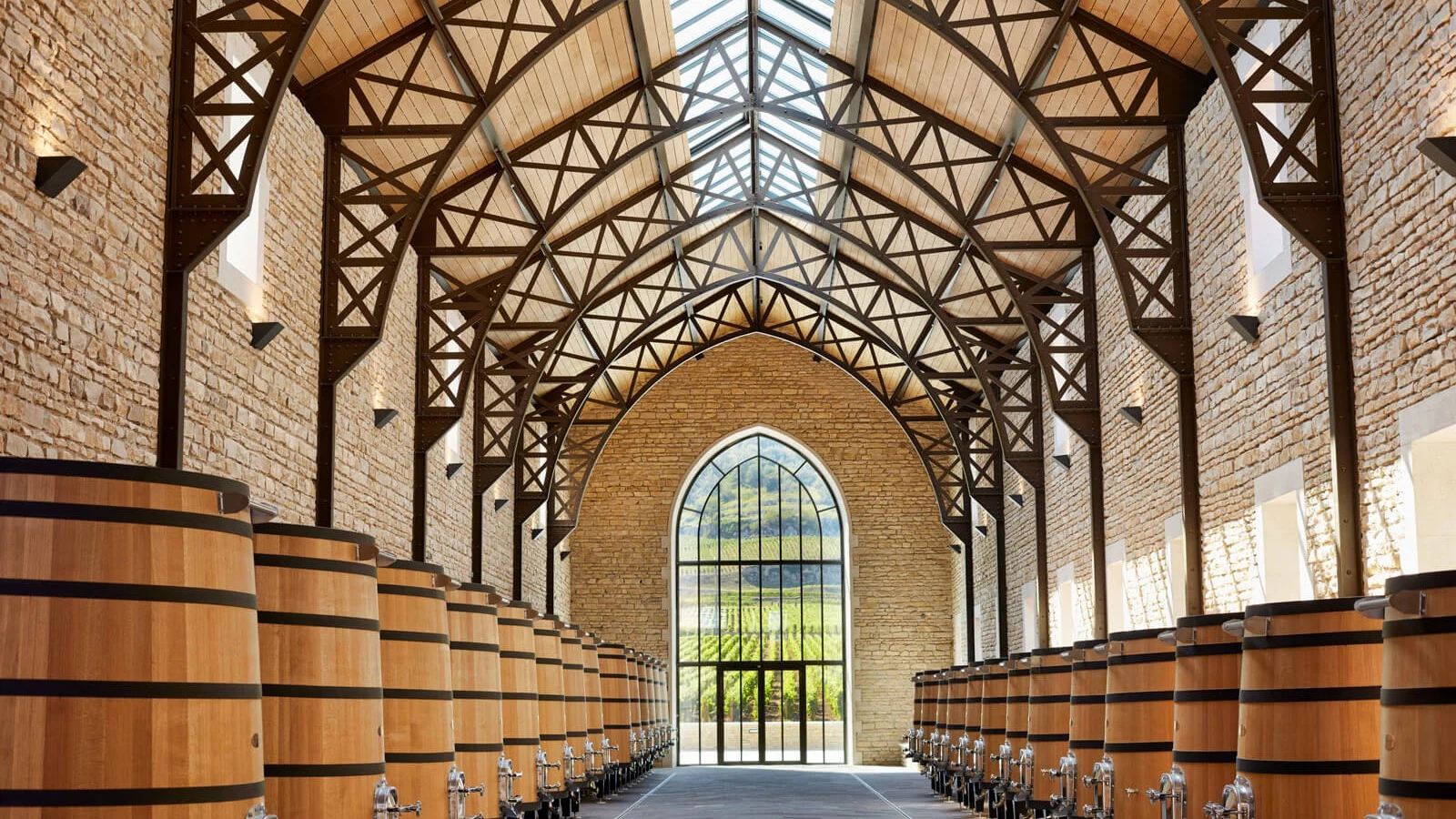
| Domaine Faiveley | World's 50 Best | Nuits-Saint-Georges |
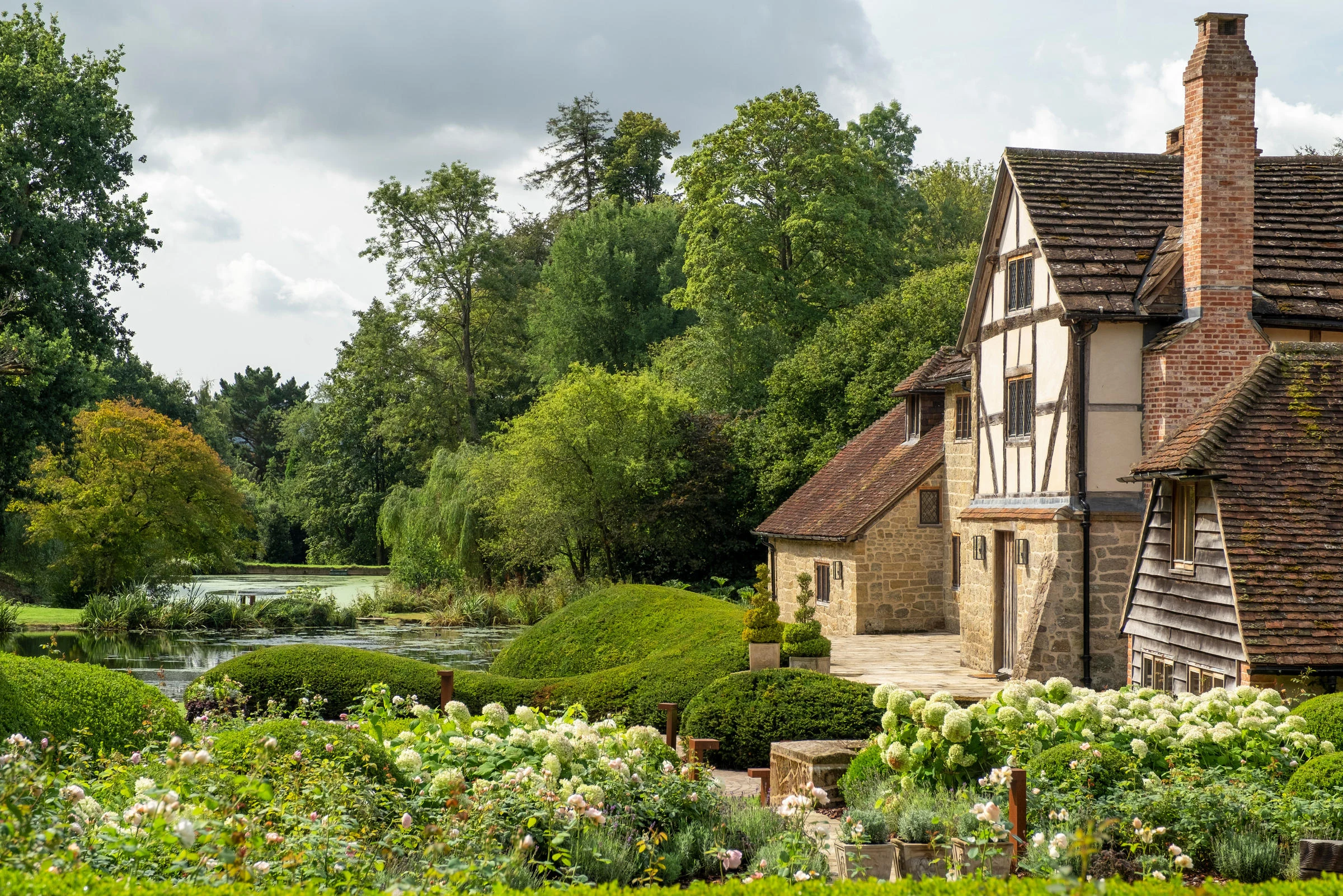
| Nyetimber | World's 50 Best | Horsham |
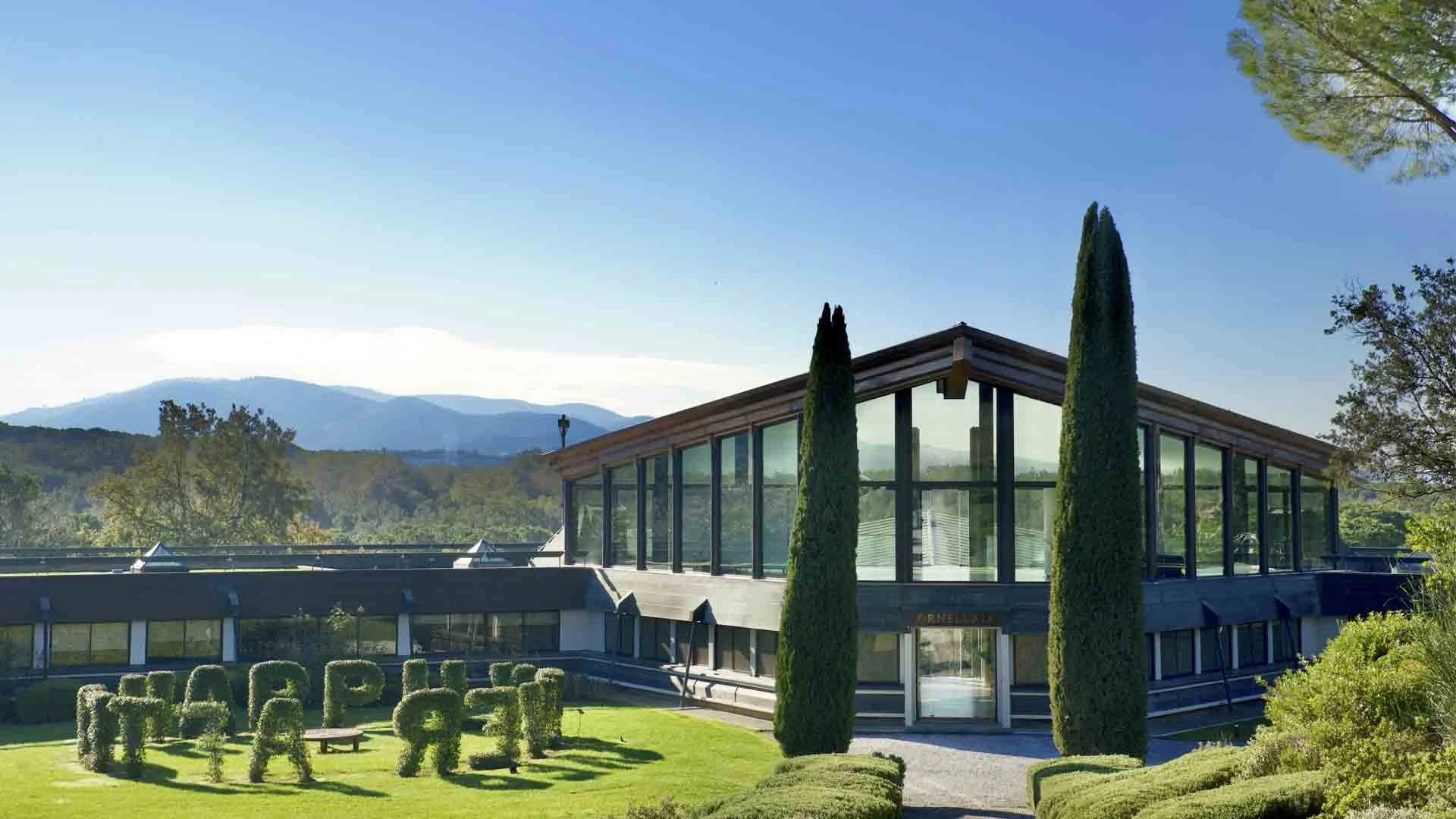
| Ornellaia | · | Castagneto Carducci |
| Peay Vineyards | · | Cloverdale |
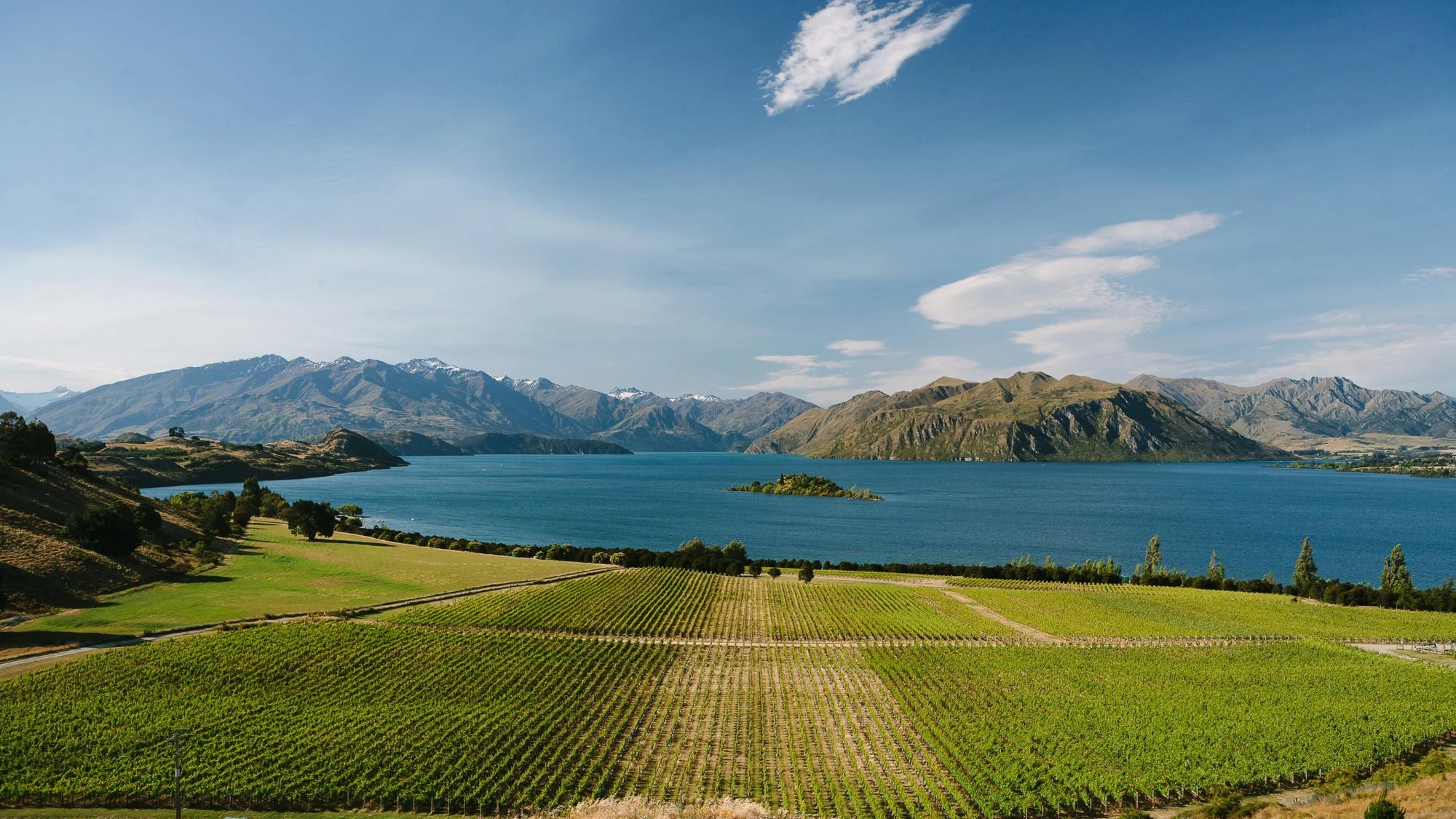
| Rippon Vineyard | World's 50 Best | Wānaka |