Peay Vineyards in Cloverdale, California, earns EP Club Pearl 2 Star Prestige recognition for 2025, placing it among California's most distinguished cool-climate producers. Positioned at the far western edge of Sonoma County where coastal fog and wind define the growing conditions, Peay operates in a tier where site specificity does most of the winemaking work.
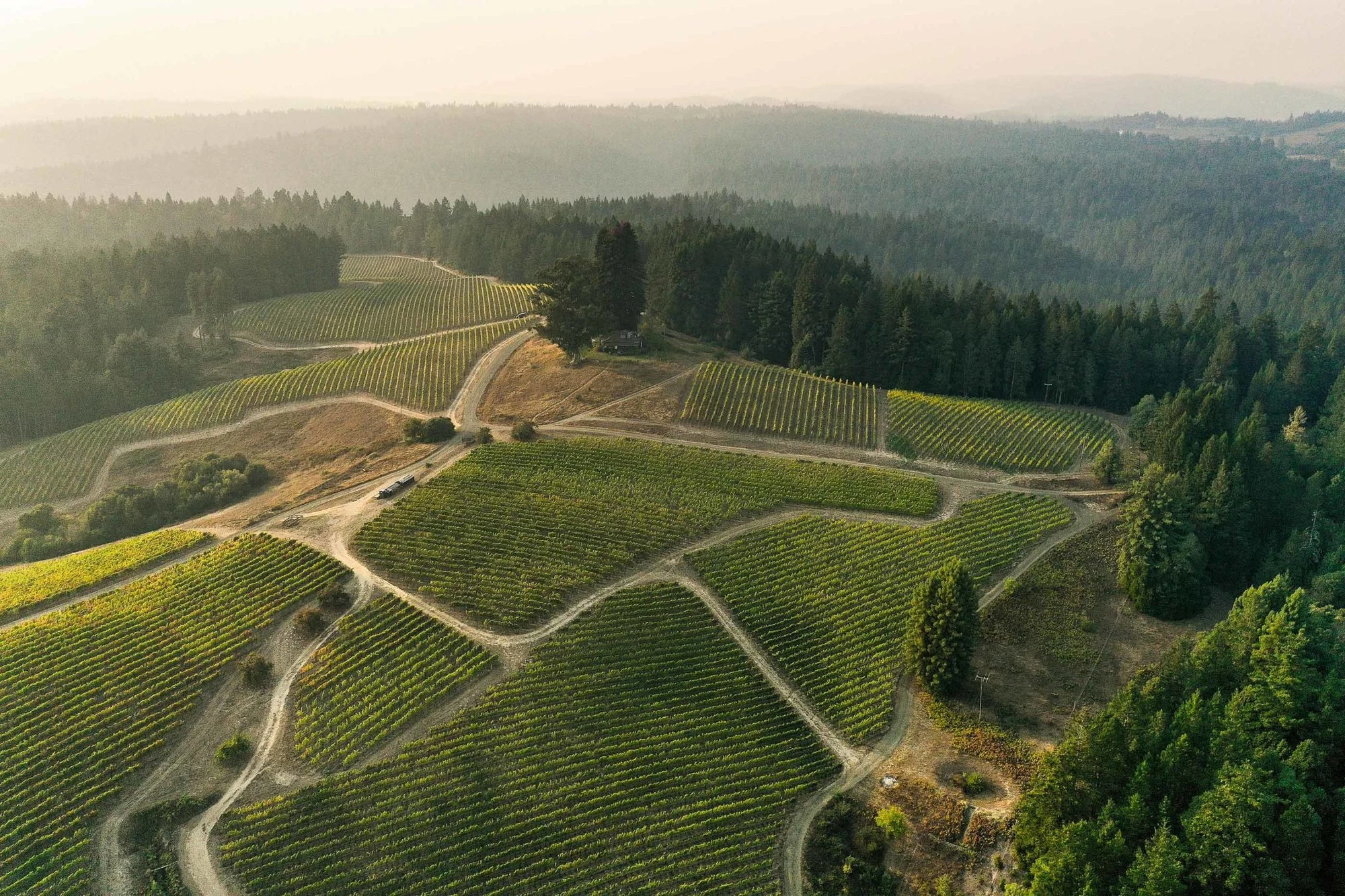
<p>The Sonoma Coast's westernmost reaches operate under different rules than the rest of California wine country. Where inland valleys accumulate heat through long summer afternoons, the ridgelines and canyon mouths closest to the Pacific sit inside a perpetual negotiation between fog and sun. Mornings arrive cold and grey; afternoons may warm briefly before the marine layer reasserts itself by early evening. Fruit ripens slowly, acids hold, and the resulting wines carry a tension that distinguishes them sharply from their warmer-site counterparts. Peay Vineyards, with its Cloverdale address and its 2025 Pearl 2 Star Prestige recognition, operates from within this demanding coastal corridor, where the land's terms are non-negotiable.</p><h2>What the Site Actually Does</h2><p>Cool-climate viticulture on California's Far Sonoma Coast is not a stylistic choice so much as a geographic inevitability. The appellations closest to the ocean, where morning temperatures can remain in the low 50s Fahrenheit well into summer, force growers toward varieties that ripen under stress: Pinot Noir, Chardonnay, and Syrah built for long hang times rather than quick accumulation of sugar. The resulting wines show lower alcohol, sharper mineral definition, and fruit profiles that lean toward red cherry and citrus rather than the plum and tropical registers common in warmer California growing zones. Producers working these sites are, in a meaningful sense, making European-style wines from California geography, and the peer comparison set is as likely to be a northern Rhône estate or a Côte d'Or domaine as it is a Napa Valley bottling. For context on how other California producers interpret similarly demanding terroirs, see <a href="https://www.enprimeurclub.com/wineries/alban-vineyards">Alban Vineyards in Arroyo Grande</a> and <a href="https://www.enprimeurclub.com/wineries/au-bon-climat-santa-barbara-winery">Au Bon Climat in Santa Barbara</a>, both of which work cool-climate Burgundian and Rhône varieties with comparable seriousness.</p><p>Peay Vineyards sits at the northern end of this coastal stretch, and its Cloverdale registration belies how far west the actual vineyard reaches. The physical distance from the ocean is short enough that afternoon wind and fog movement remain consistent factors throughout the growing season. Vintage variation matters enormously here: a year with sustained summer warmth produces wines with more flesh and generosity, while cooler vintages pull the wines toward austerity and age-worthiness. Neither outcome is wrong. Both are the site speaking clearly.</p><h2>Pearl 2 Star Prestige: What That Positioning Signals</h2><p>EP Club's Pearl 2 Star Prestige designation in 2025 places Peay Vineyards within a small tier of California producers recognized for consistent quality at the level where site specificity and winemaking restraint work together rather than in competition. At this level, recognition typically tracks with allocation-model distribution, limited production, and a wine program oriented toward collectors and direct-mailing lists rather than broad retail presence.</p><p>For a sense of what this tier looks like across Sonoma and Napa, <a href="https://www.enprimeurclub.com/wineries/aubert-wines">Aubert Wines in Calistoga</a> and <a href="https://www.enprimeurclub.com/wineries/accendo-cellars">Accendo Cellars in St. Helena</a> both operate in premium-tier California wine with credentials that position them against a national and international comparable set. Peay's recognition places it in a comparable conversation, though from a distinctly cooler and less commercially saturated appellation.</p><h2>Terroir as Editorial Subject</h2><p>The Far Sonoma Coast's emergence as a serious appellation took time. Through the 1990s, the region was considered too cold and too remote to compete with the warmer, more reliable growing zones that defined California's commercial identity. What changed was a combination of global palate shift and producer persistence: as international demand for lower-alcohol, higher-acid wines grew through the 2000s and 2010s, the coastal sites that had been overlooked began attracting serious attention. Producers willing to accept the logistical challenges of farming on exposed western ridgelines, where fog damage, wind stress, and irregular ripening are seasonal constants, found that the wines they produced from those conditions had a specificity that warmer-site California wines often lacked.</p><p>That specificity is the editorial subject here. Peay Vineyards is not interesting primarily because of the people behind it but because of the place it comes from, and what that place produces. A Pinot Noir grown under those coastal conditions will have different tannin structure, different acid retention, and a different aromatic register than a Pinot from the Russian River Valley floor or the Carneros flatlands. A Syrah from a cold Pacific-facing site will read more like a northern Rhône wine, with black pepper and smoked meat notes, than a warm-climate expression. Whether Peay's specific programs align with these general coastal-site characteristics is supported by the category logic; EP Club's prestige-tier recognition adds a verifiable credential on top of that regional context. For reference on how Rhône varieties translate across California's cooler growing zones, <a href="https://www.enprimeurclub.com/wineries/andrew-murray-vineyards">Andrew Murray Vineyards in Los Olivos</a> provides a useful southern California contrast.</p><h2>Cloverdale and Its Position in Sonoma County Wine</h2><p>Cloverdale sits at the northern tip of Sonoma County, where the Alexander Valley's warmer growing conditions transition toward the cooler coastal ridgelines that characterize the true Sonoma Coast appellation. The town itself draws less visitor traffic than Healdsburg or Santa Rosa, which means that producers based there tend to operate with less foot traffic. The broader Cloverdale dining and hospitality scene is accessible through our full Cloverdale restaurants guide.</p><p>Within Sonoma County, the contrast between the warmer inland appellations and the far coastal zones is significant enough to produce wines that feel categorically different. <a href="https://www.enprimeurclub.com/wineries/alexander-valley-vineyards-geyserville-winery">Alexander Valley Vineyards in Geyserville</a> illustrates the warmer inland style, and the distance between that profile and a cool Far Coast producer like Peay reflects the county's remarkable internal diversity. For Napa Valley comparisons that speak to what premium-tier California wine looks like from a warmer base, <a href="https://www.enprimeurclub.com/wineries/alpha-omega-winery-rutherford-winery">Alpha Omega Winery in Rutherford</a> and <a href="https://www.enprimeurclub.com/wineries/artesa-vineyards-and-winery">Artesa Vineyards and Winery in Napa</a> offer useful reference points.</p><h2>Planning a Visit</h2><p> Peay Vineyards operates by appointment only. Cloverdale's location at the northern end of Sonoma County makes it reachable from San Francisco in under two hours, and the surrounding region rewards a multi-day itinerary that also takes in the Alexander Valley and Dry Creek Valley corridors. For wineries operating in adjacent California regions that do maintain accessible visitor programs, <a href="https://www.enprimeurclub.com/wineries/adelaida-vineyards">Adelaida Vineyards in Paso Robles</a>, <a href="https://www.enprimeurclub.com/wineries/babcock-winery-vineyards-lompoc-winery">Babcock Winery and Vineyards in Lompoc</a>, and <a href="https://www.enprimeurclub.com/wineries/adelsheim-vineyard-newberg-winery">Adelsheim Vineyard in Newberg</a> offer confirmed tasting experiences across Oregon and central and southern California. For international reference on what prestige-tier wine production looks like in European contexts, <a href="https://www.enprimeurclub.com/wineries/aberlour-aberlour-winery">Aberlour in Aberlour</a> and <a href="https://www.enprimeurclub.com/wineries/achaia-clauss-patras-winery">Achaia Clauss in Patras</a> provide useful contrast, and <a href="https://www.enprimeurclub.com/wineries/br-cohn-winery-glen-ellen-winery">B.R. Cohn Winery in Glen Ellen</a> rounds out a Sonoma County itinerary closer to the Valley of the Moon.</p>
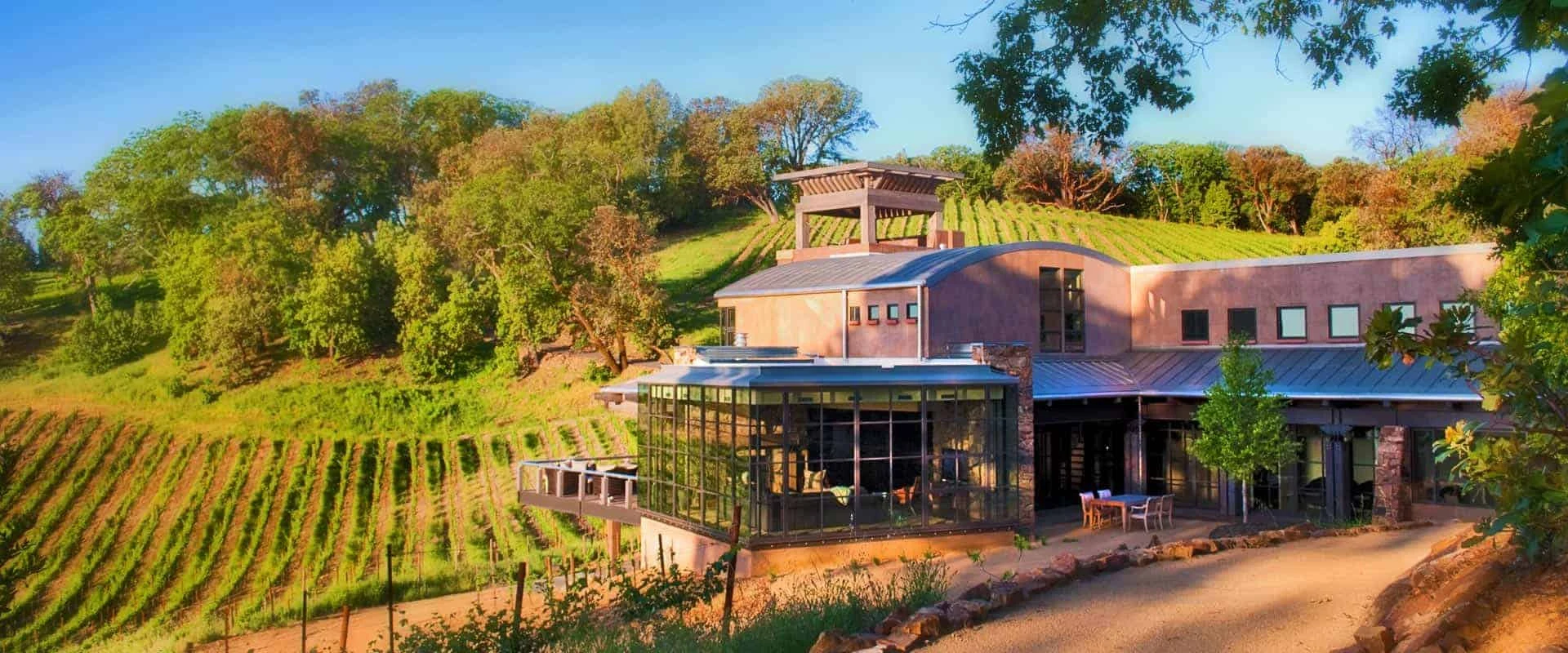
Peay Vineyards operates at a scale where the estate itself is the primary focus — small-production, site-driven farming on the Far Sonoma Coast rather than hospitality volume. The EP Club Pearl 2 Star Prestige designation in 2025 reflects that positioning: this is a producer's producer, with the vineyard doing the talking. Visitors should confirm tasting arrangements directly with the estate before planning a trip to Cloverdale.
Peay Vineyards is located at 227 Treadway Dr, Cloverdale, CA 95425, Cloverdale.
Peay Vineyards has received recognition including: Pearl 2 Star Prestige (2025).
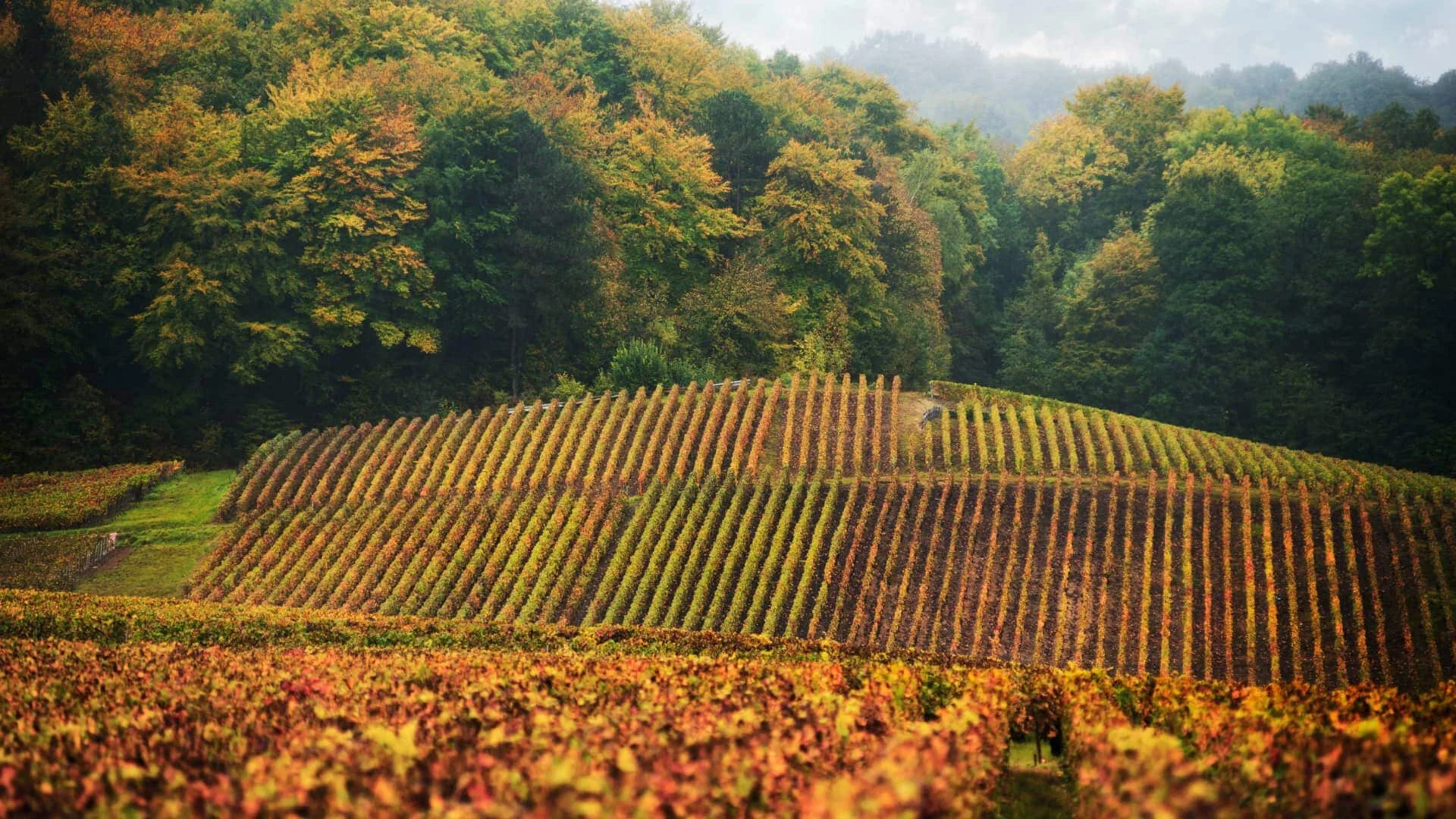
The Far Sonoma Coast's Pacific fog patterns and low growing temperatures have historically pointed producers toward Pinot Noir and Chardonnay, and Peay Vineyards works within that tradition from one of the appellation's more remote ridgeline sites. The cool maritime conditions at this latitude produce wines with tighter structure and lower alcohol than warmer Sonoma benchmarks. That profile is central to why Peay earned its 2025 EP Club Pearl 2 Star Prestige recognition.
The site itself carries the argument. Farming on the westernmost Sonoma Coast means contending with conditions most California producers would consider marginal, and the wines that emerge from those pressures have a structural specificity you don't find in warmer appellations. EP Club awarded Peay Vineyards Pearl 2 Star Prestige in 2025, placing it among a narrow group of California estates recognized for consistent quality at that geographic frontier.
227 Treadway Dr, Cloverdale, CA 95425
Annapolis/West Sonoma Coast