Made ByWinery
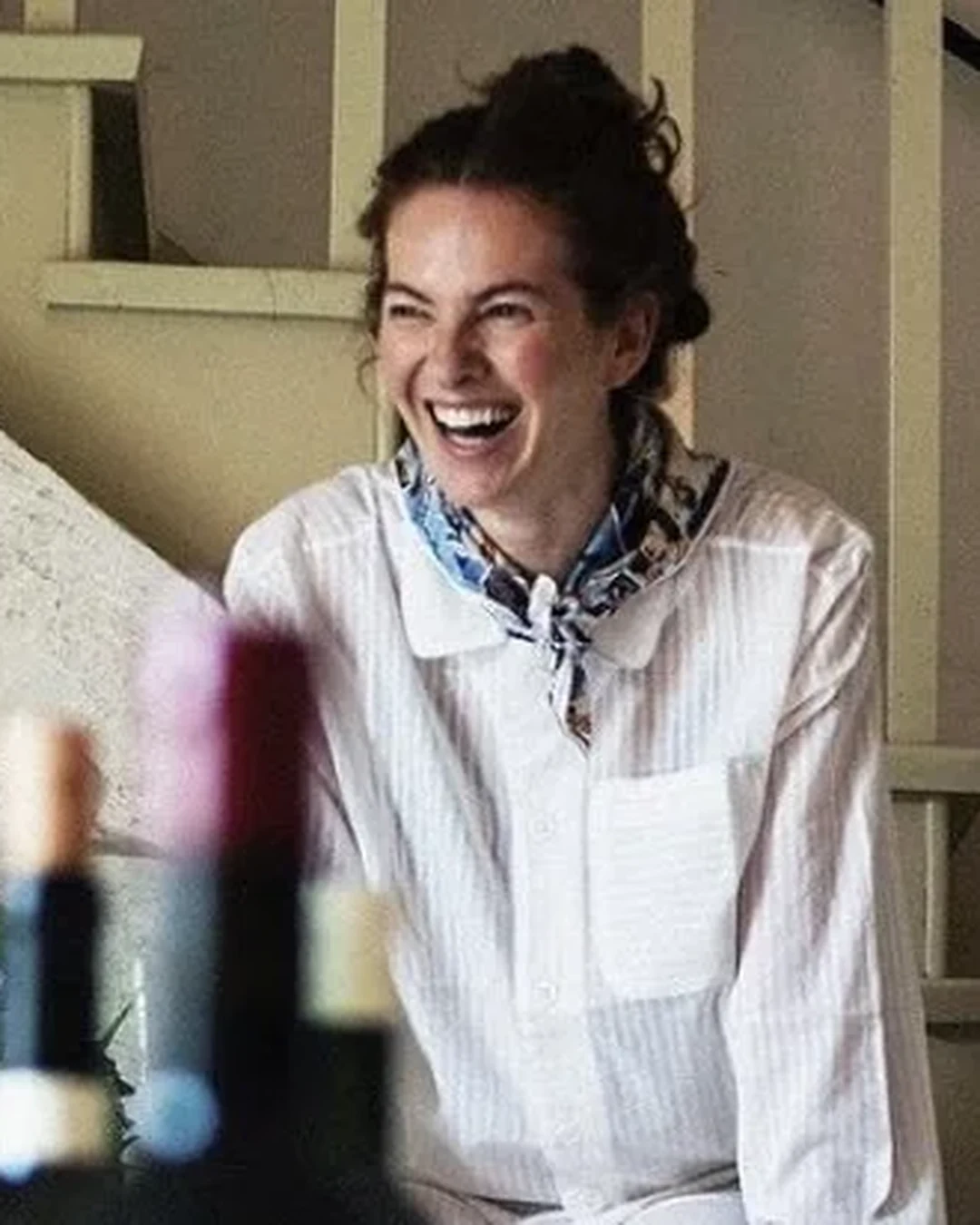

Steffi Tscheppe, winemaker at Gut Oggau in Oggau Am See, works biodynamically on a restored Burgenland wine estate.
At a glance
- Price
- $$
- Neighborhood
- Oggau am Neusiedler See
First vintage from a restored estate
The conversion began in the vineyard: Steffi Tscheppe, winemaker at Gut Oggau in Oggau Am See, took over an established property and made biodynamics the operating frame. She became co-founder and wine producer in 2006, with the first vintage following in 2007. The estate she helped rebuild included an abandoned 17th-century winery in Oggau, in Burgenland, close to the western shore of Lake Neusiedl. Its present work is not a decorative return to old walls, but a conversion of the property into the center of production: vines, cellar, courtyard, and tavern held within one family-run estate.
Tscheppe’s role here is current and continuous. The house describes the work since 2007 as biodynamic and Demeter certified, and that distinction matters because it reaches beyond vineyard language into the cellar discipline. Her lineage at this address is estate continuity rather than an imported school: the taking over of a run-down property, the rebuilding of its production life, and the decision to let farming set the pace of the wines. The house began the long way, with soil first.
Three generations in 15 hectares
The program works from about 15 hectares of vineyards in Leithaberg DAC, with Blaufränkisch, Zweigelt, Grüner Veltliner, Pinot Blanc, and Welschriesling among the varieties associated with the estate. Gut Oggau’s most recognizable method of address is its family of wines. Each wine carries a fictional personality on the label, arranged across three generations: the young generation, the parents’ generation, and the grandparents generation. The structure is not only graphic. Each generation corresponds to grapes from one of the estate’s vineyards, so parcel age and vine maturity become part of how the drinker reads the bottle.
The cellar language remains minimum-intervention rather than recipe-led. Theodora and Timotheus are not presented as generic white wines with new names attached. They are treated as members of a household, with face, age, and temperament doing part of the work that a technical back label might otherwise try to carry.
The courtyard after the cellar
The visit rhythm runs through the property before it reaches the glass. A documented tasting at Gut Oggau lasted about two hours and moved from a winery tour into the courtyard, where 7-8 wines were poured, including old and rare bottles. That order tells you something about the place: the cellar is not hidden behind the tasting room, and the tasting room is not detached from the estate’s weather, walls, and vines.
In the courtyard, the register is conversational. The room, if one can call it that, is the open space of the restored estate, with the heuriger tavern nearby and Lake Neusiedl shaping the larger viticultural frame. The labels bring wit, but the work underneath is disciplined: biodynamic farming, a cellar kept close to the vineyard, and a portfolio whose faces have become part of how Gut Oggau Theodora and Gut Oggau Timotheus are understood.
Know before you go
- Reservations
- appointment_only
- Parking
- street
- Outdoor seating
- Yes
- Groups
- Welcomed
Address
Oggau am See, Leithaberg, Burgenland, Österreich
Oggau am Neusiedler See