Organic Weinviertel vineyards, Viognier led
- Falstaff Winery - 3 Stars · 2026
- Pearl 2 Star Prestige · 2025
Farming before the cellar
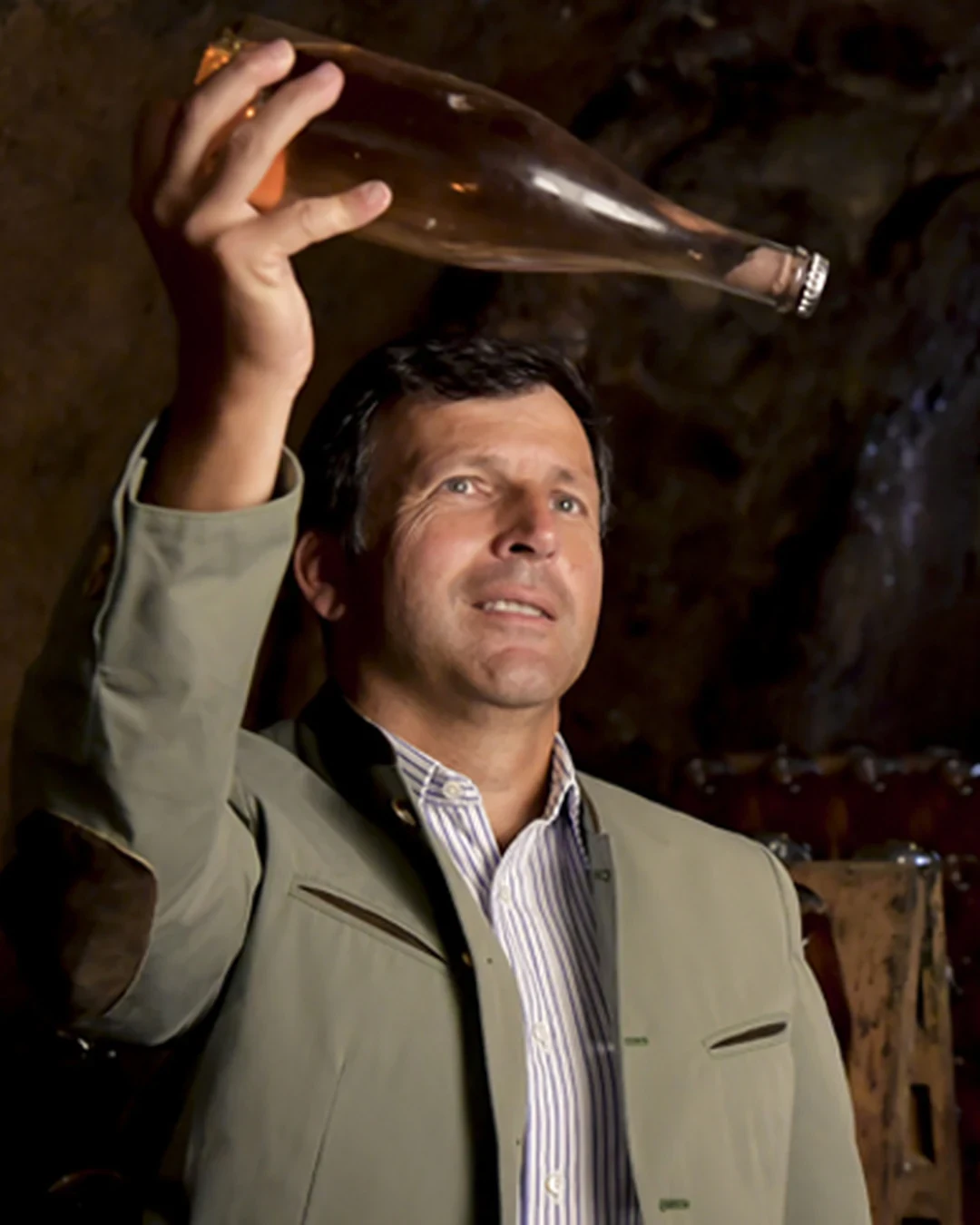
Viognier sets the first decision for Maximilian Hardegg, winemaker at Weingut Graf Hardegg in Seefeld, Austria, before the cellar takes over. He works at an estate where ownership sits inside farming, not above it, and where the cool Pulkautal gives a Rhône grape a different line from the one it carries farther south. His training at the Technical University of Munich gives the work its structure, but the discipline begins outside, in the vineyard, with the patience of a farmer who knows that vintage is not a theory.
Hardegg is both owner and farmer here, and the two roles read as one station. The family-owned estate reaches back to the 17th century, set in a baroque castle landscape rather than a purpose-built modern shed. That history can make a place decorative if the farming goes slack. Here, the agricultural frame keeps it direct. The named signatures, Viognier, Forticus, and V Brut Nature, sit inside a wider estate practice rather than apart from it, each one tied to a property that asks the cellar to follow the land.
A Weinviertel program with Viognier at its center
The estate farms organically in the Weinviertel, across 43-50 hectares, with a medium-scale output of about 250,000 bottles a year. The range carries Grüner Veltliner, Riesling, Viognier, Pinot Noir, Chardonnay, Zweigelt, Syrah, and Merlot, moving through still white, sparkling, still red, and rosé. Austria's only Viognier gives the program its clearest point of difference, not as a curiosity, but as a sustained agricultural choice in the Pulkautal hills.
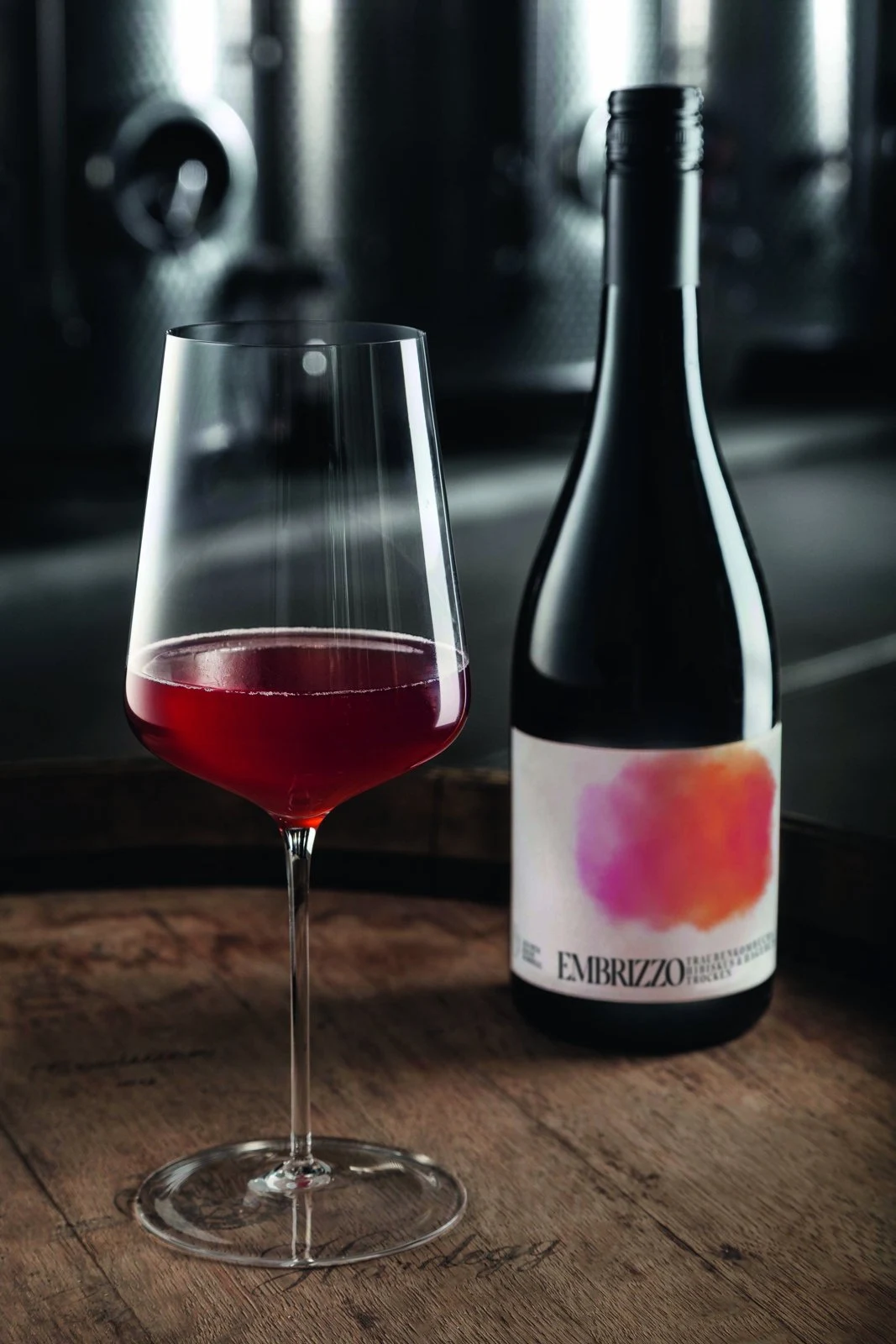
Hardegg has spoken plainly about that conviction: “That our Viognier is being perceived internationally at this level is confirmation and encouragement for us. I was convinced by this variety from the very beginning.” The quote matters because it names the long way. A variety has to be planted, watched, picked, fermented, and returned to, vintage after vintage, before it becomes a house language. V Brut Nature brings the sparkling side of that same discipline into view, a wine made without the cushioning suggestion of sweetness in its name.
Cellar corridors under a baroque house
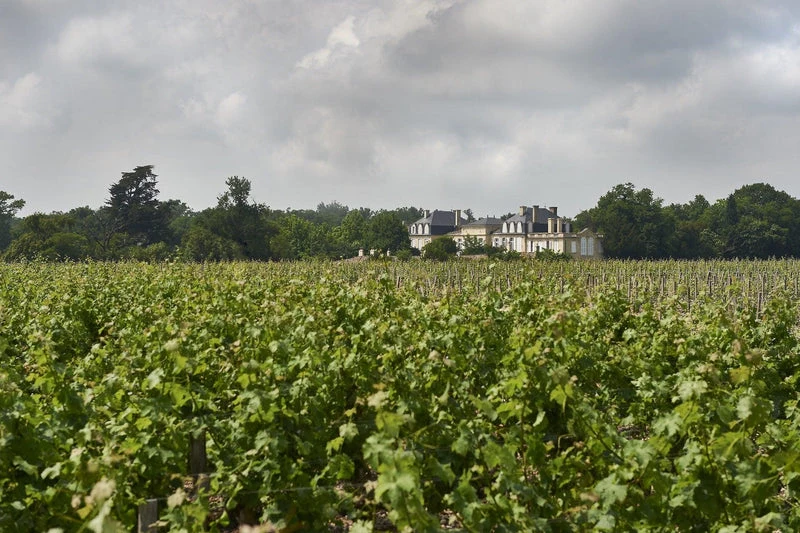
The cellar at Weingut Graf Hardegg runs through labyrinthine corridors dating to 1640, under a historic courtyard and a baroque castle setting in Seefeld-Kadolz. Around it, organic vineyards sit in the gentle Pulkautal hills, giving the estate its quiet, rural register. The place has the mood of a working property rather than a staged room: stone, courtyard, vine rows, cellar air, and the slow sequence between field and bottle.
In the tasting room, the wines arrive from that setting with the estate still close to them. Grüner Veltliner and Riesling speak the regional grammar; Viognier carries Hardegg's wager; Forticus and V Brut Nature give names to the parts of the program he has chosen to foreground. The house does not need much theatre when the cellar corridors from 1640 are already beneath the glass.
Questions
Frequently asked
What is Weingut Graf Hardegg known for?
The estate is known for its organic winery program in the Weinviertel, with Viognier at its center. Its range also includes Grüner Veltliner, Riesling, Pinot Noir, Chardonnay, Zweigelt, Syrah, Merlot, Forticus, and V Brut Nature.
Who is behind the wines at Weingut Graf Hardegg?
Maximilian Hardegg is the winemaker at Weingut Graf Hardegg, and he is also the owner and farmer there. The site is a family-owned estate that dates back to the 17th century.
What sort of place is it?
Weingut Graf Hardegg is a winery set in Seefeld-Kadolz, in a baroque castle landscape rather than a purpose-built modern building. The cellar runs through labyrinthine corridors dating to 1640 under the historic courtyard.
Is booking recommended?
Yes, reservation is recommended.
Is there parking on site?
Yes, there is an on-site parking lot.
The field
How it compares
| Place | Notes | Awards |
|---|---|---|
| Hardegg | Seefeld-Kadolz, $$ | · |
| Ata Rangi | Martinborough | World's 50 Best |
| Biondi-Santi Tenuta Greppo | Montalcino | · |
| Château Léoville Barton | Saint-Julien-Beychevelle | · |
| Craggy Range | Hastings | World's 50 Best |
| Hundred Acre | Napa | · |
| Screaming Eagle | Napa | · |