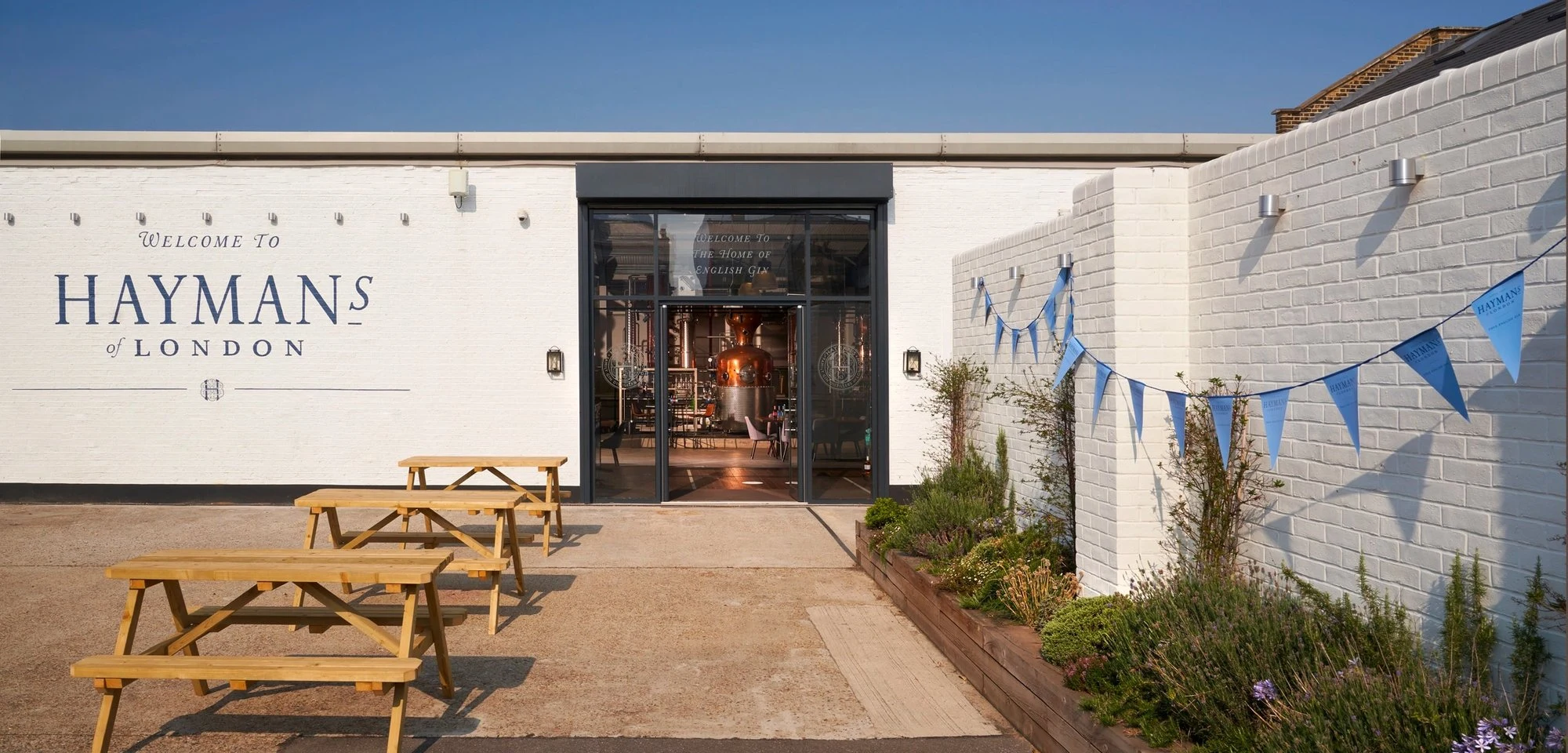
One of London's few family-owned gin distilleries still operating on a recognisably Victorian recipe framework, Hayman's at Balham holds a Pearl 2 Star Prestige rating (2025) and occupies a specific position in the city's craft spirits conversation: heritage-method production with genuine provenance, not retrofitted nostalgia. For visitors seeking a distillery experience rooted in documented tradition rather than recent reinvention, it earns serious attention.
London's gin industry has reorganised itself considerably over the past two decades. The category split that now defines the city's distillery landscape places large-scale heritage producers like Beefeater Gin at one end, craft micro-distilleries at the other, and a smaller middle tier occupied by operations that carry genuine historical continuity without the volume of the category giants. Hayman's, operating from 8A Weir Road in Balham, SW12, sits firmly in that middle tier, and it earns its position there through documented family history rather than brand narrative.
The broader context matters here: gin is one of the few spirits categories where London functions as both origin point and ongoing production site. Unlike Scotch whisky, where the product must by law emerge from Scotland's geography, or Cognac, where appellation rules tie the spirit to a specific French terroir, London Dry Gin is a style designation, not a geographic one. What makes a London distillery's claim to tradition meaningful is the provenance of its recipe and method, not merely the postcode. Hayman's case rests on a family connection to nineteenth-century gin production, giving it a credibility anchor that newer operations cannot manufacture. The 2025 Pearl 2 Star Prestige award places the distillery in a recognised tier of quality and distinction within this competitive field.
Weir Road, SW12 is not a tourist-facing address in the way that Southwark or Bermondsey have become for London's craft drinks scene. The Bermondsey Beer Mile and its adjacent spirits producers operate within easy reach of London Bridge station and have built a weekend visitor economy around that accessibility. Hayman's location in Balham, south of Clapham and north of Tooting, places it slightly outside that established circuit. This is worth naming plainly: visitors making a specific trip to the distillery rather than incorporating it into a broader Bermondsey crawl are making a deliberate choice, and that choice tends to filter the audience toward people with a genuine interest in the production process rather than casual foot traffic.
Balham itself has developed a well-resourced neighbourhood food and drink culture over the past decade, anchored by residents with disposable income and specific tastes. The distillery's presence there reflects a practical rather than purely symbolic siting decision, but it has the side effect of grounding Hayman's in a working London neighbourhood rather than a heritage tourism precinct. For the London spirits scene more broadly, that kind of geographic dispersal of serious production is a healthy sign: the city's drinking culture does not exist only in the zones that guidebooks already cover.
For those building a wider tour of British spirits production, Hayman's can serve as a London anchor point before trips north. Scotland's distillery circuit spans everything from coastal Islay operations like Ardnahoe in Port Askaig to Highland producers such as Balblair Distillery in Edderton and Clynelish Distillery in Brora, with Speyside names like Aberlour and Cardhu in Knockando covering the region's more accessible end. Closer to London but still outwith the city, distilleries such as Auchentoshan in Clydebank and Deanston offer contrasting production philosophies. Hayman's positions itself differently from all of these: its story is specifically urban, specifically London, and specifically about a botanical spirit rather than aged grain.
The editorial angle assigned to this page references terroir expression, a concept more naturally applied to wine, where climate, soil composition, and topography translate directly into the glass. Applied to gin, terroir works differently. The spirit's character comes primarily from botanical selection and recipe discipline rather than from the ground beneath the still. But the analogy holds in one important respect: a distillery that has maintained consistent botanical choices over generations is expressing something place-specific, because those choices were made in a particular culinary and cultural moment and have been preserved rather than reformulated for contemporary palates.
London Dry Gin as a category emerged from a specific set of nineteenth-century taste preferences, licensing reforms, and available botanicals. A distillery that maintains close fidelity to that historical recipe framework is doing something analogous to what a Burgundy domaine does when it resists adjusting vinification to match international style trends: it is letting the original logic speak rather than editing it toward current expectations. Whether a contemporary drinker finds that compelling depends on their relationship with authenticity versus innovation, but the critical point is that the position is coherent and defensible. Hayman's 2025 Pearl 2 Star Prestige recognition suggests the approach continues to resonate with serious assessment criteria.
For comparison points in other spirit categories, the tension between heritage method and modern reformulation plays out across the whisky world too. Operations like Bladnoch Distillery in Bladnoch, Dornoch Distillery, and Dunphail Distillery each navigate versions of this question in their respective categories. Even beyond spirits, the same dynamic appears in wine regions: Achaia Clauss in Patras and Accendo Cellars in St. Helena represent producers whose authority rests on distinct historical or technical grounds. Glen Garioch Distillery in Oldmeldrum offers another case study in how longevity translates into categorical authority.
The distillery address is 8A Weir Road, London SW12 0GT, in Balham. Balham is served by the Northern line (Balham Underground and National Rail station), making it reachable from central London without requiring a change. Given that hours and tour availability may vary seasonally or by format, advance checking is the sensible approach rather than arriving speculatively.
Hayman's Gin Distillery is located at 8A Weir Rd, London SW12 0GT, London.
Hayman's Gin Distillery has received recognition including: Pearl 2 Star Prestige (2025).
Hayman's holds its ground in the heritage-method tier of London's gin scene, where sustained recipe continuity over generations separates it from both large commercial producers and the newer wave of single-botanicals experimentation. The 2025 Pearl 2 Star Prestige award substantiates that position with independent third-party recognition. For visitors interested specifically in how Victorian gin conventions translate into a working production context, this is the clearest London address to examine that question.
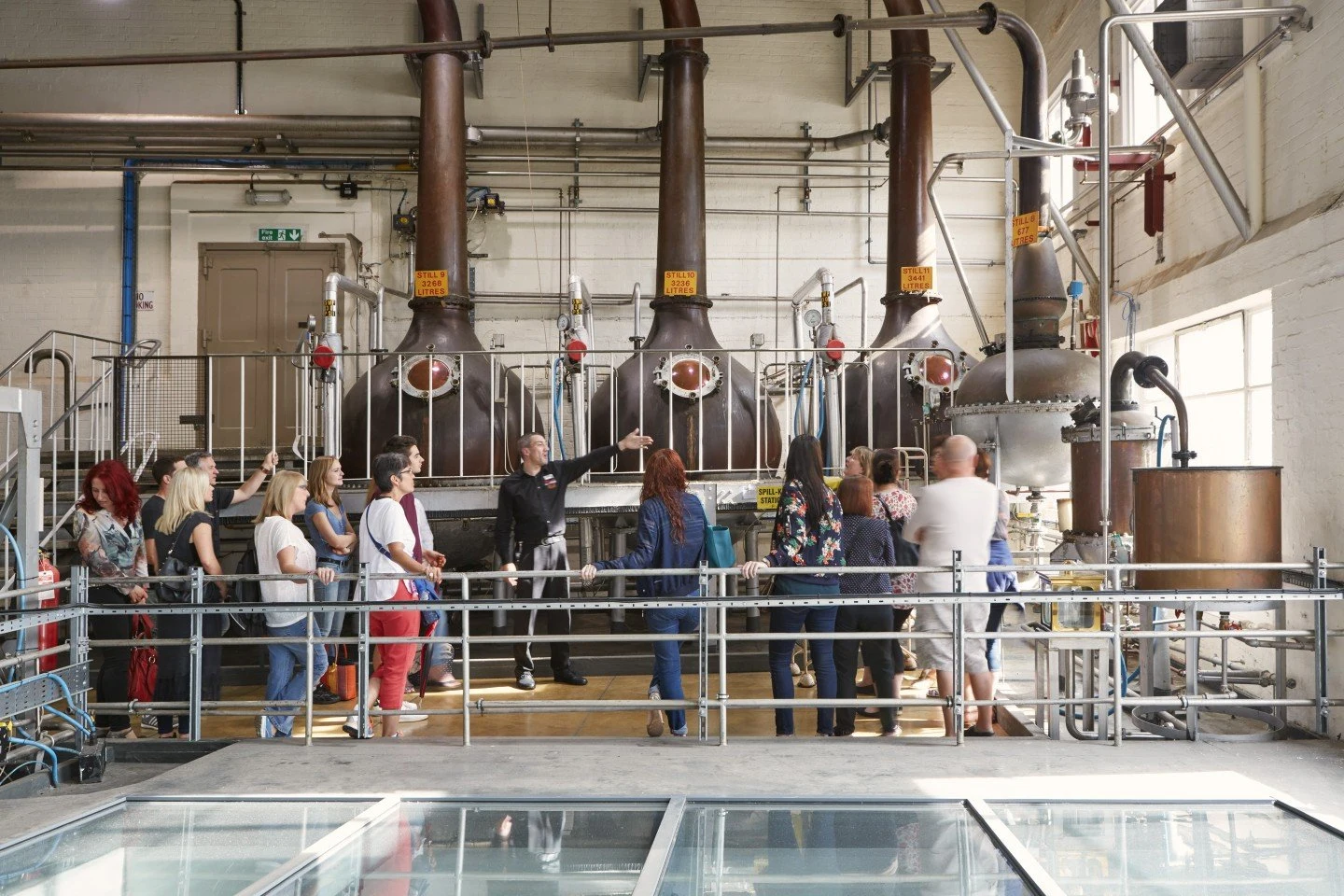
Hayman's operates from a working production site at 8A Weir Road, London SW12 0GT, which typically means visits are structured rather than walk-in. Booking requirements and tour formats should be confirmed directly with the distillery before travelling out to Balham, as SW12 is not a high-footfall area with adjacent alternatives if access is restricted on the day.
Hayman's is a gin-focused operation with production centred on London Dry Gin made to a Victorian recipe framework. The distillery's 2025 Pearl 2 Star Prestige award reflects recognition for that heritage-method approach rather than a diversified spirits portfolio. It is not a multi-category producer; gin is the entire remit.
If your interest in London gin runs toward category history and recipe tradition rather than bar-facing tasting rooms, the Balham address makes sense. Hayman's 2025 Pearl 2 Star Prestige recognition places it among London's credentialled producers, and the Victorian recipe continuity gives a visit genuine depth that more recently established distilleries cannot offer by definition. It is a production-first destination rather than a hospitality-first one.
8A Weir Rd, London SW12 0GT
Hayman's Gin Distillery
Beefeater Gin
Marcassin Winery
Sonoma Brothers Distilling
Bombay Sapphire Distillery
Sonoma-Cutrer Vineyards