Skip to Content
    Made ByRestaurant

    Higashiazabu Amamoto
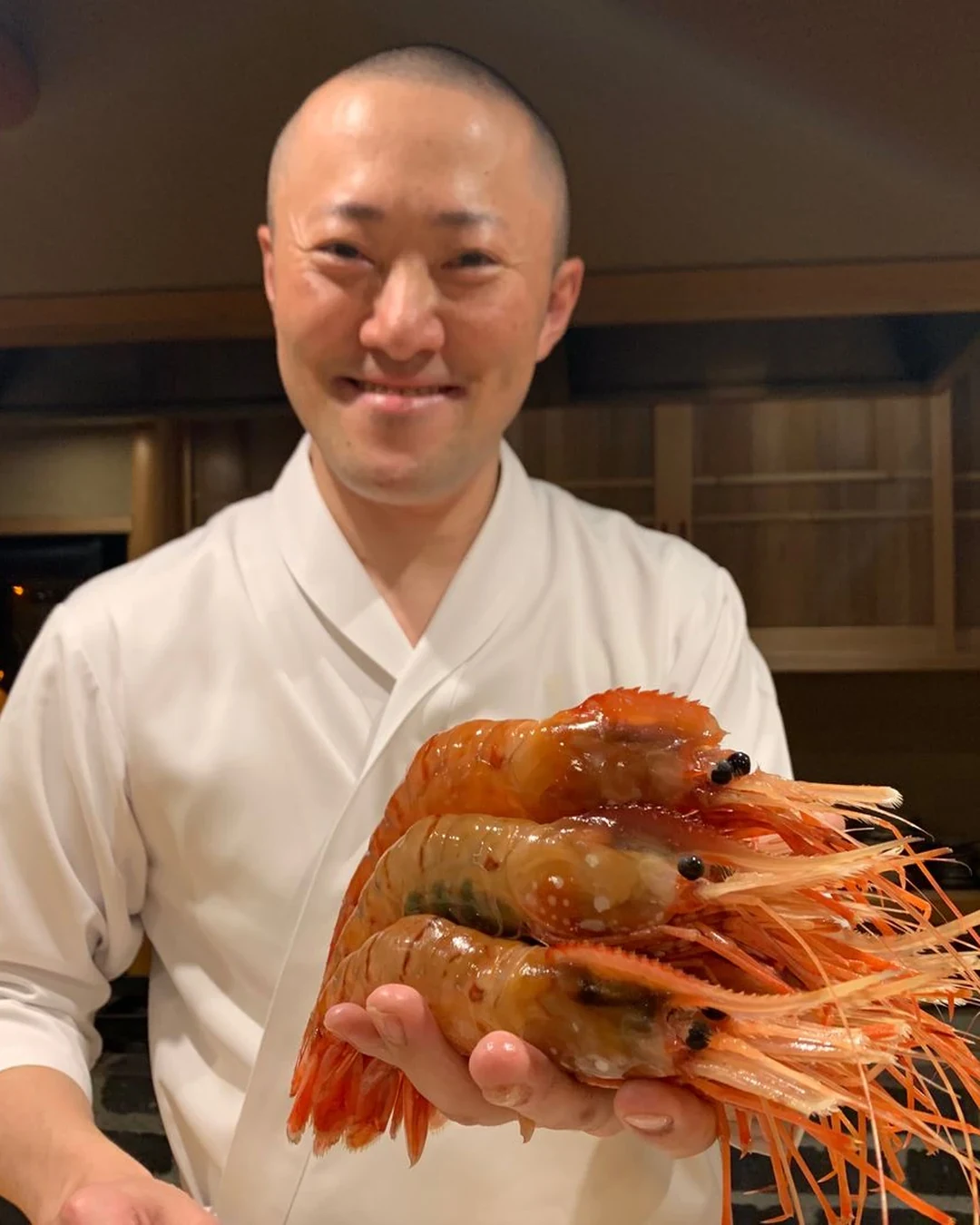
    Masamichi Amamoto

    In Residence

    Masamichi Amamoto

    Chef

    1. 01CuisineSushi
    2. 02CityTokyo, Japan
    Higashiazabu Amamoto (restaurant)

    Masamichi Amamoto, chef-owner at Higashiazabu Amamoto in Tokyo, shapes Edomae sushi through broker ties, shari, and the counter.

    • Opinionated About Dining Top Restaurants in Japan Ranked #23 · 2026

    Brown sugar in the shari

    Brown sugar syrup goes into the shari before a piece reaches the counter; Masamichi Amamoto, chef-owner at Higashiazabu Amamoto in Tokyo, uses that small adjustment to deepen the rice. The gesture sits inside an Edomae practice that depends as much on procurement as on the knife. Amamoto trained at Umi, where the discipline of restraint, correction, and close reading of condition gave him a working foundation. Since 2016, at his own counter in Higashiazabu, he has held the role that joins the market, the prep room, and the pass. He does not separate sourcing from technique. The broker relationship decides what can be served; the hand at the counter decides how little to do to it. In this room, chef-owner is not a title above the work. It is the person who chooses the fish, seasons the rice, controls temperature, sets the sequence, and meets the guest one piece at a time.

    The counter as a chain of decisions

    The program moves through Edomae sushi, omakase sushi, and Japanese kaiseki, with cooked dishes and tsumami carrying the same pressure as the nigiri. Shari is a signature control point: vinegar gives structure, while the brown sugar syrup lends sweetness and depth without turning the rice away from the fish. Fast knife work matters here because freshness narrows the margin. A cut of Edomae golden cuttlefish asks for a different touch than sea eel from Tsushima; kasugodai from Izumi asks for its own reading of firmness and season. Live botan shrimp served with karasumi mullet roe brings delicacy against salinity, while grilled nodoguro black-throat sea perch puts heat into the sequence without breaking the counter’s line. Katsuo smoked over hay in the dining room makes the point plainly. Smoke, rice, fish, and timing all have to arrive together, or the gesture becomes performance without discipline.

    Eight seats under close light

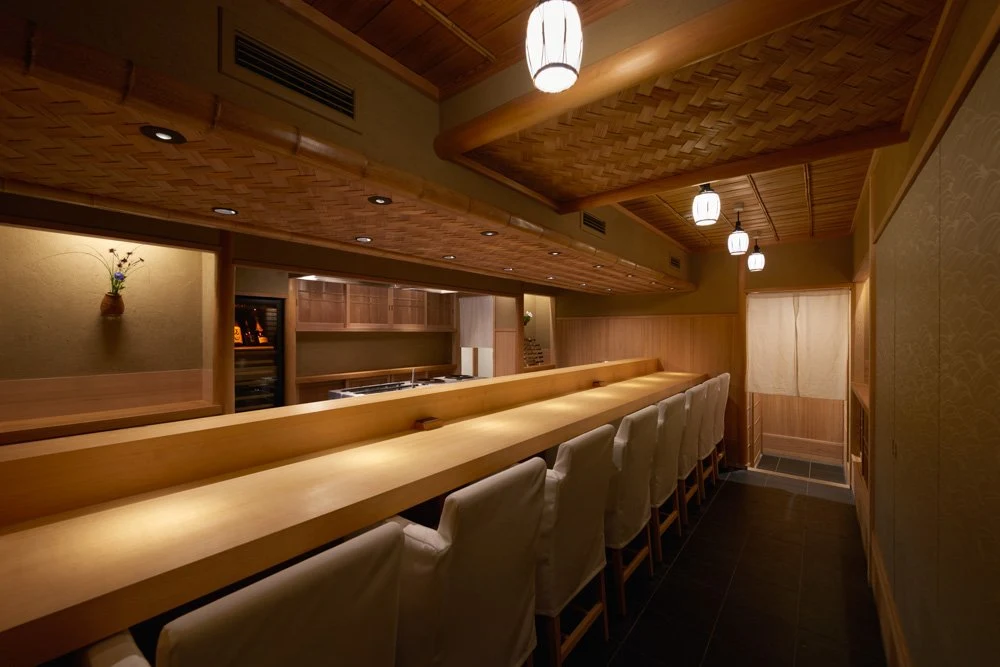
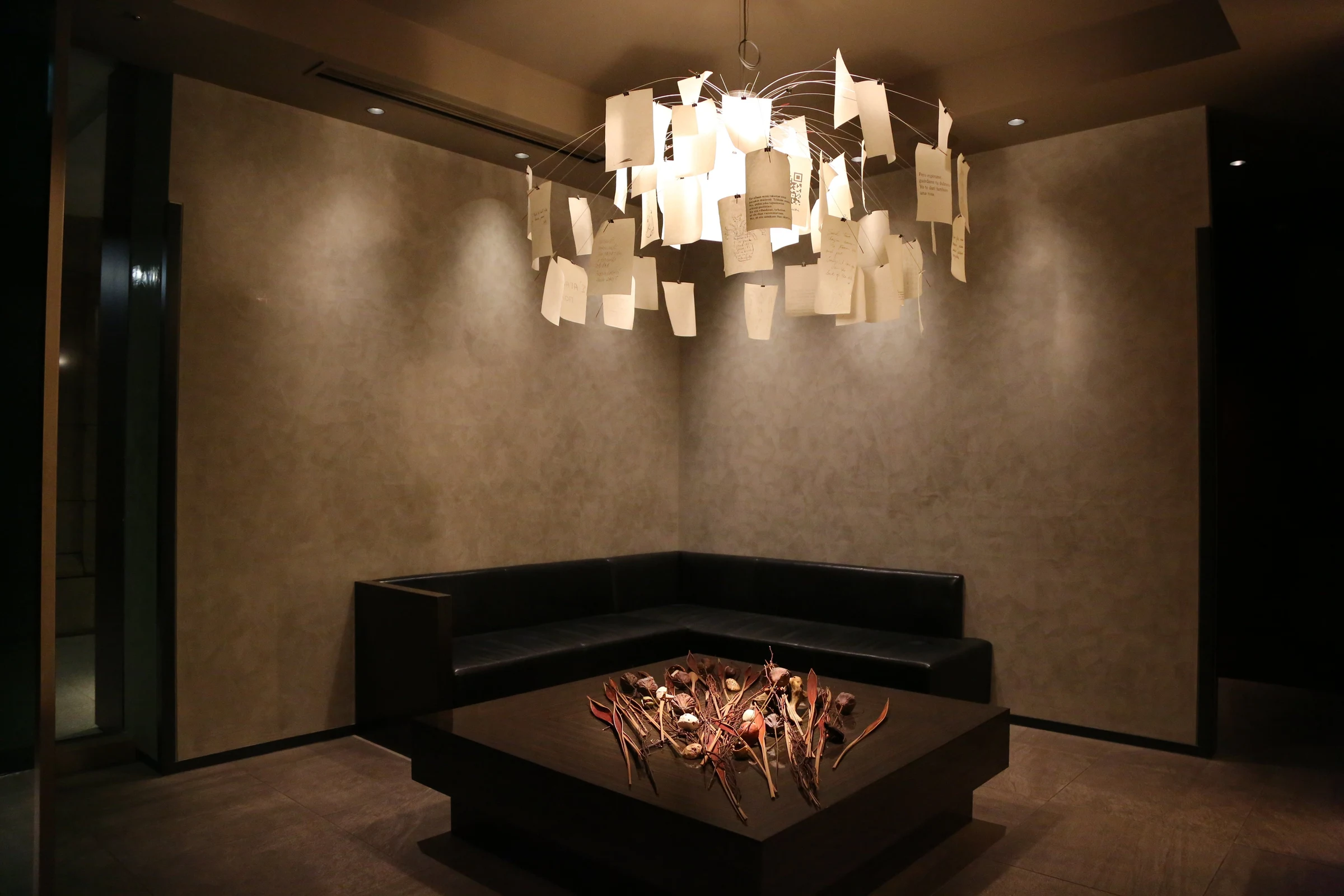
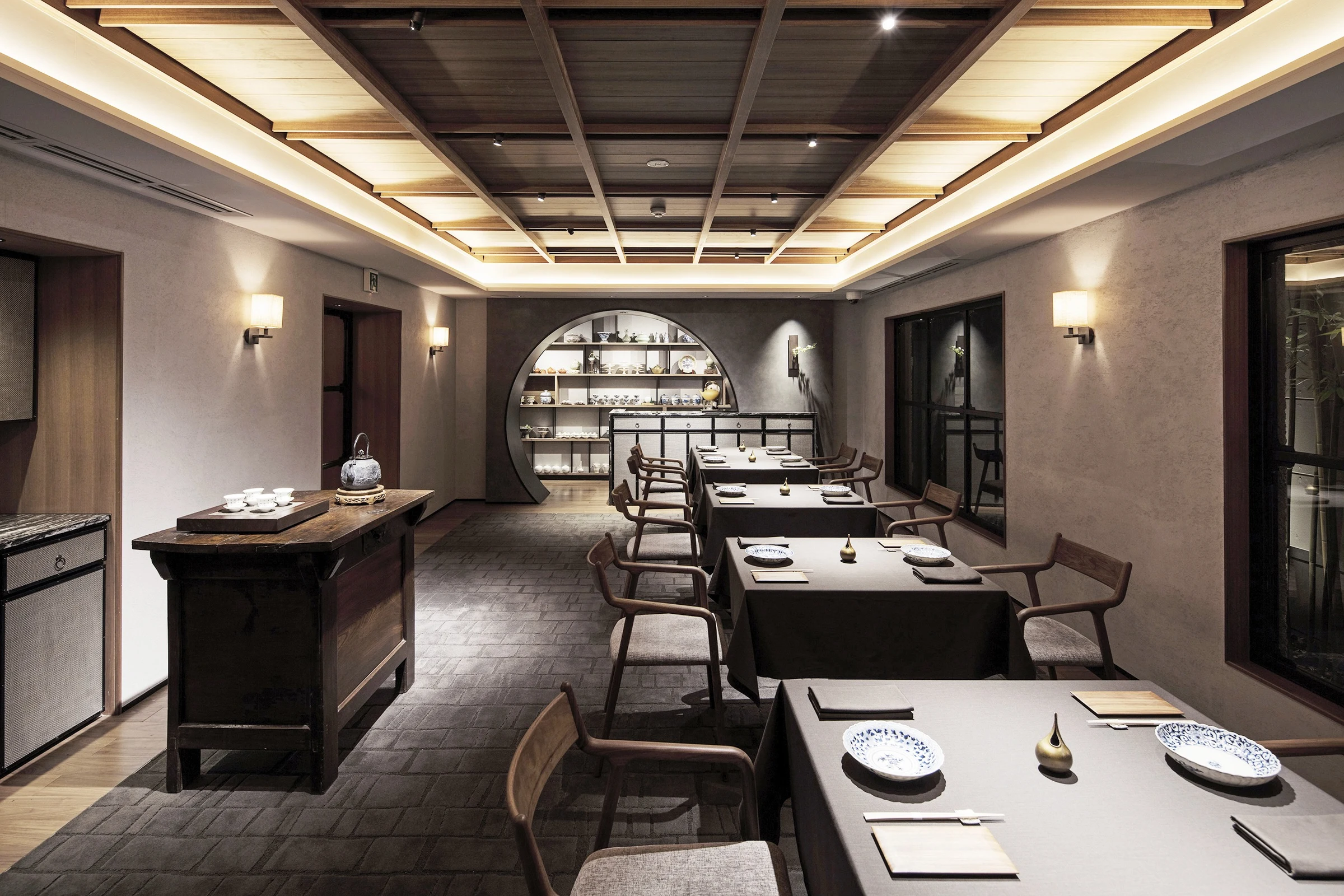
    The room gives Amamoto little cover. Higashiazabu Amamoto is built around only eight guests, close enough for the counter to expose each adjustment: the wipe of the blade, the pressure of the fingers, the pause before fish and rice meet. The setting is snug and composed rather than theatrical, even when the chef speaks across the counter or shares an anecdote. That intimacy changes the pace of attention. Guests watch the sequence move from otsumami to nigiri, from cooked dish to raw slice, from warmth to vinegar to salinity. The counter also makes waste visible, hesitation visible, excess visible. A sushi meal here depends on what has already happened before service, but the room makes the final act public.

    Awards kept at the edge of the bench

    The restaurant’s recognition includes Two Michelin stars, The Tabelog Award Gold winner in 2026, and selection for Tabelog Sushi TOKYO "Tabelog 100" in 2025. Those numbers belong beside the work, not in front of it. Amamoto’s practice is still a daily sequence of broker calls, inspection, seasoning, cutting, warming, cooling, and serving. If there is a close to the meal, it is not a statement of prestige. It is the last formed piece of shari carrying Edomae golden cuttlefish.

    Questions

    Frequently asked

    Who is behind Higashiazabu Amamoto?

    Masamichi Amamoto is the chef-owner at Higashiazabu Amamoto in Tokyo. He trained at Umi before opening his own counter in Higashiazabu in 2016.

    What kind of food does the restaurant serve?

    The program moves through Edomae sushi, omakase sushi, and Japanese kaiseki, with cooked dishes and tsumami alongside nigiri.

    How many guests does the counter take?

    Higashiazabu Amamoto is built around only eight guests.

    What is distinctive about the rice here?

    Brown sugar syrup goes into the shari before a piece reaches the counter, adding sweetness and depth while vinegar gives the rice structure.

    What recognition has the restaurant received?

    The restaurant holds Two Michelin stars, was named a Tabelog Award Gold winner in 2026, and was selected for Tabelog Sushi TOKYO "Tabelog 100" in 2025.

    The field

    How it compares

    PlaceCuisineAwardsNotes
    Higashiazabu AmamotoSushi··
    DenModern Japanese KaisekiMichelin 2 Stars, World's 50 BestTokyo
    FlorilègeModern French-Japanese Plant-Based Fine DiningMichelin 2 Stars, World's 50 BestTokyo
    NarisawaModern Japanese Satoyama Fine DiningMichelin 2 Stars, World's 50 BestTokyo
    QuintessenceModern French Fine DiningMichelin 3 StarsTokyo
    SazenkaModern Chinese Fine DiningMichelin 3 Stars, World's 50 BestTokyo
    SézanneFrenchMichelin 3 Stars, World's 50 BestTokyo

    In residence

    Similar places

    More in Tokyo← Browse all places