Hikariya-Nishi
- 01CuisineNature French Gastronomy
- 02CityMatsumoto, Japan
Nature French in a Meiji kura
- Relais Chateaux Award · 2026
- Tabelog Bronze #112: 3.9pts · 2026
- Tabelog 100 #44: 3.9pts · 2025
- Tabelog 100 #67: 3.7pts · 2025
- Relais Chateaux Award · 2025
Reading Shinshu from the pass
The menu turns on what arrived from Shinshu that day, and at Hikariya-Nishi in Matsumoto that reading is the discipline: take the ingredient first, then decide how much technique it needs. Executive Chef Tanabe Masahiro sets those terms. He trained in Michelin-starred kitchens in France and in other renowned European houses, then returned to champion Shinshu produce, travelling Nagano Prefecture to meet the farmers himself. The house language is Nature French gastronomy, shaped by macrobiotic principles, French method, and the produce of the prefecture. The restaurant does not treat seasonality as decoration. River fish from Northern Alps waters, Shinshu beef, Shinshu salmon, foraged mountain vegetables, heirloom produce, local vegetables, herbs, fruits, and ferments all set the terms of the plate, and the work is to hold a line between clarity and composition rather than to impose a fixed formula.
A storehouse made for Nature French
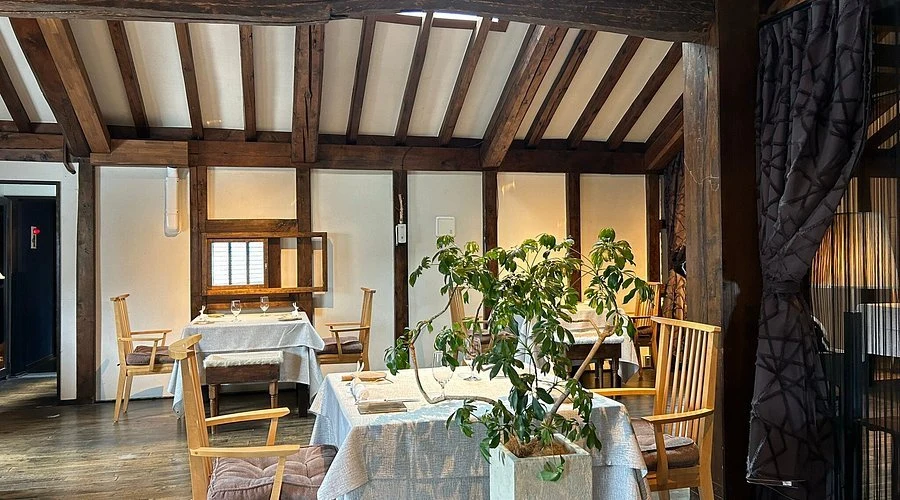
The kitchen works in a renovated plaster warehouse from the Mitsuya merchant house, a Meiji-era rice storehouse built around 1887 and remade as a restaurant in 2007. Hikariya-Nishi calls its cooking Nature French, with Wellness Gastronomy as the longer arc: food, body, and mind held in the same frame rather than separated into indulgence and correction. The menu architecture is a tasting progression, including a dinner sequence described as 13 items with Shinshu Premium Beef, and seasonal reinvention that draws on over 100 ingredients. Technique appears in the shifts of texture and temperature: smoked salmon, foie gras Mont Blanc, lily bulb with yuzu foam, lobster, river fish, udon vegetable with foie gras on house bread, Meyer lemon Chiboust with Oolong tea. The house beverage program follows the same path, with wine, sake, and botanical drinks made from Shinshu herbs, fruits, and ferments. Pairing here is not a flourish at the edge of the meal. It is part of the method.
Lamplight in the old kura
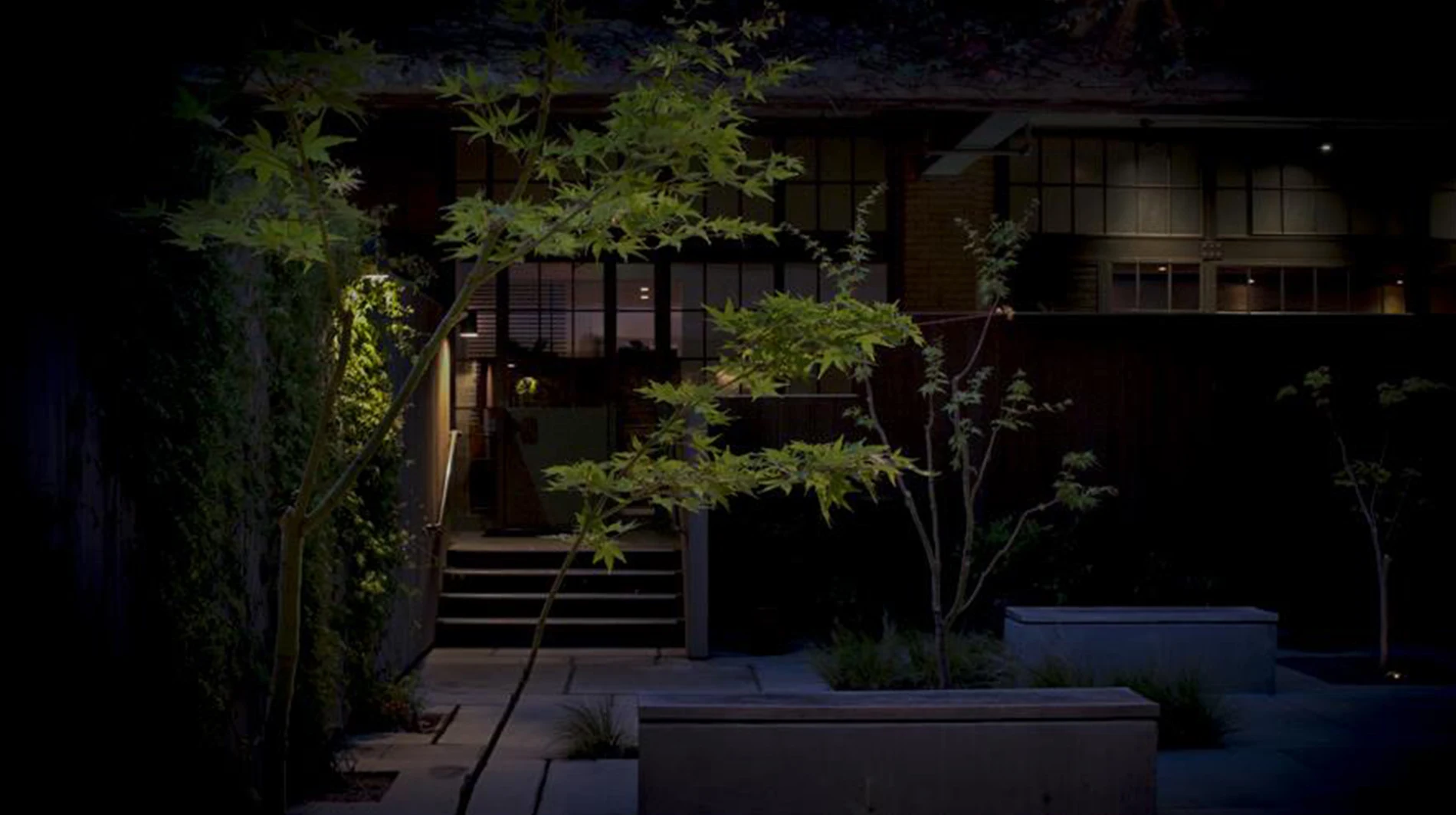
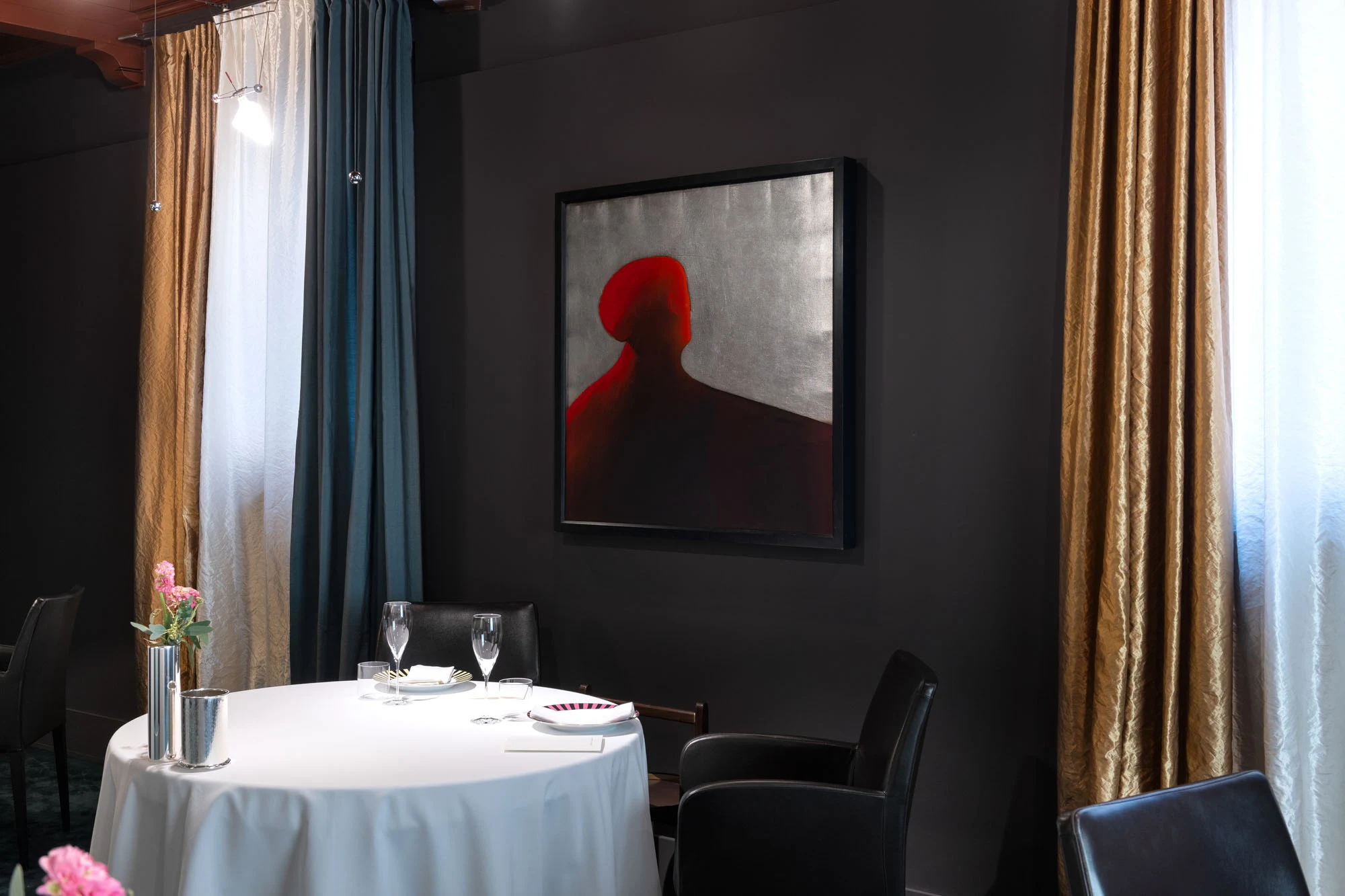
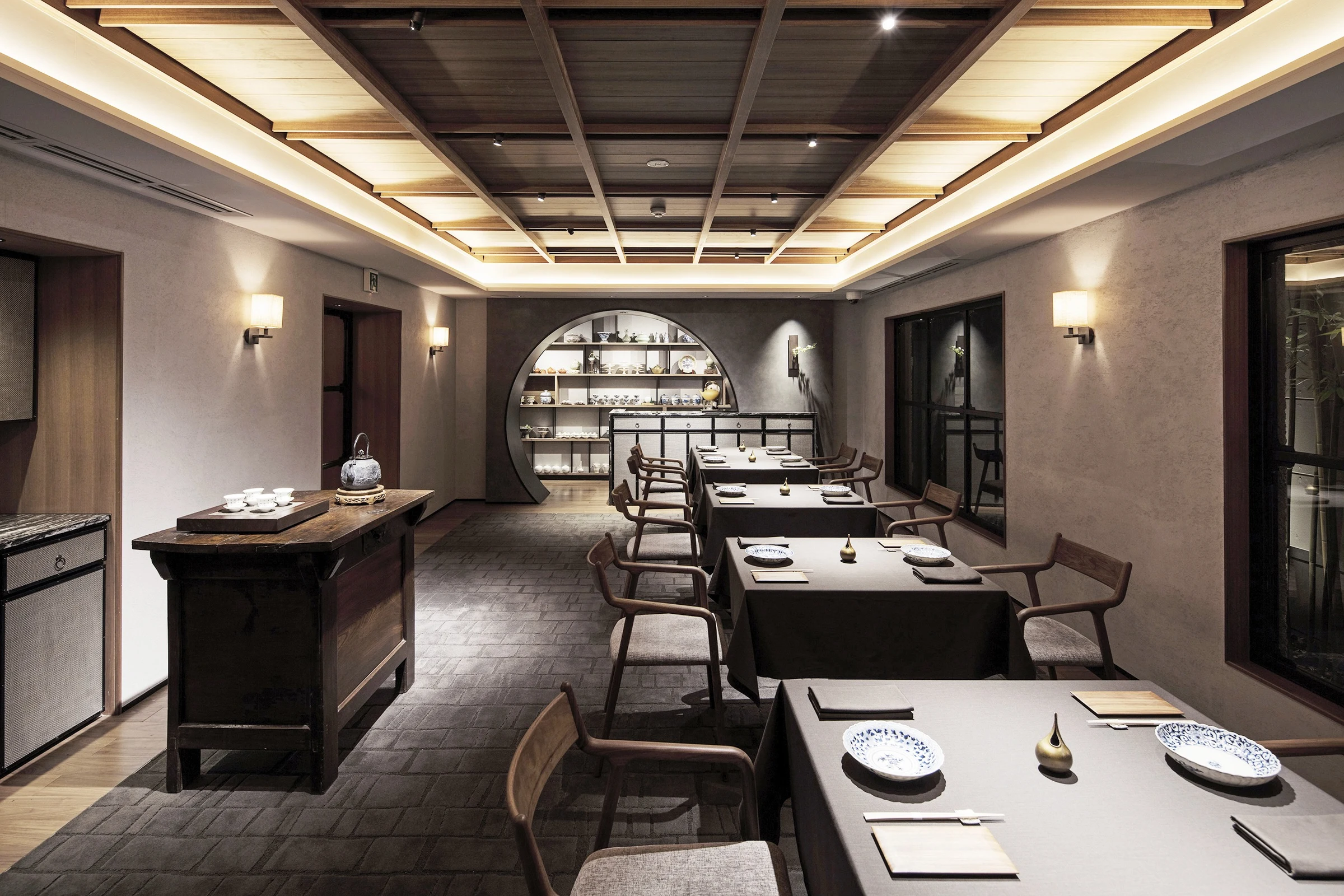
The room keeps the weight of the old kura without turning it into a museum piece. Earthen walls, a garden approach, candlelight, and lamplight give the service a quiet pace before the plates begin to narrow the focus. A large kitchen sends light into the night, and the counterpoint between that working brightness and the hushed tables is part of the place’s character. Guests arrive through Matsumoto’s castle-town context, then sit inside a storehouse where Japanese restraint and Western technique have been put into daily practice. The pass has to answer both histories.
Nagano held on the plate
Hikariya-Nishi’s recognition rests at this address: it is Nagano Prefecture’s only Relais & Châteaux member restaurant, with current guide attention that includes Gault & Millau in 2024-2025 and Tabelog French EAST Best 100 in 2023 and 2025. Those markers matter because they name a regional dining room that has stayed specific rather than smoothing itself into a generic fine-dining vocabulary. The closing detail is still concrete: Shinshu Premium Beef arrives within the Wellness Gastronomy sequence at Hikariya-Nishi.
Questions
Frequently asked
What kind of cooking does Hikariya-Nishi serve?
Hikariya-Nishi serves Nature French gastronomy, shaped by macrobiotic principles, French method, and Shinshu produce from Nagano Prefecture.
Who is the chef at Hikariya-Nishi?
Executive Chef Tanabe Masahiro leads the kitchen. He trained in Michelin-starred kitchens in France and other renowned European houses, then returned to champion Shinshu produce.
What is the dining format like?
The menu is built as a tasting progression and changes with what arrives from Shinshu each day. The restaurant also offers beverage pairings with wine, sake, and botanical drinks made from Shinshu herbs, fruits, and ferments.
Where is Hikariya-Nishi located and what is the setting?
It is in Ote, Matsumoto, at 4 Chome-7-14 Ote, inside a renovated Meiji-era rice storehouse. The building was a plaster warehouse from the Mitsuya merchant house, built around 1887 and remade as a restaurant in 2007.
Does Hikariya-Nishi take reservations and what is the dress code?
Reservations are recommended, and the dress code is smart casual.
The field
How it compares
| Place | Cuisine | Notes | Awards |
|---|---|---|---|
| Hikariya-Nishi | Nature French Gastronomy | Ote, $$$ | · |
| Amber | Contemporary French Fine Dining | Hong Kong | Michelin 3 Stars, World's 50 Best |
| Benu | Modern Asian Fusion Fine Dining | San Francisco | Michelin 3 Stars, World's 50 Best |
| Döllerer | Modern Alpine Cuisine | Golling an der Salzach | Michelin 2 Stars |
| Le Bernardin | French Seafood Fine Dining | New York City | Michelin 3 Stars, World's 50 Best |
| Osteria Francescana | Avant-Garde Italian Contemporary | Modena | Michelin 3 Stars, World's 50 Best |
| Sazenka | Modern Chinese Fine Dining | Tokyo | Michelin 3 Stars, World's 50 Best |
Similar places
Contemporary French Fine Dining
Amber
Hong Kong, Hong Kong
★★★ · 50 Best
Modern Asian Fusion Fine Dining
Benu
San Francisco, United States
★★★ · 50 Best
Modern Alpine Cuisine
Döllerer
Golling an der Salzach, Austria
★★
French Seafood Fine Dining
Le Bernardin
New York City, United States
★★★ · 50 Best
Avant-Garde Italian Contemporary
Osteria Francescana
Modena, Italy
★★★ · 50 Best
Modern Chinese Fine Dining
Sazenka
Tokyo, Japan
★★★ · 50 Best