Made ByRestaurant
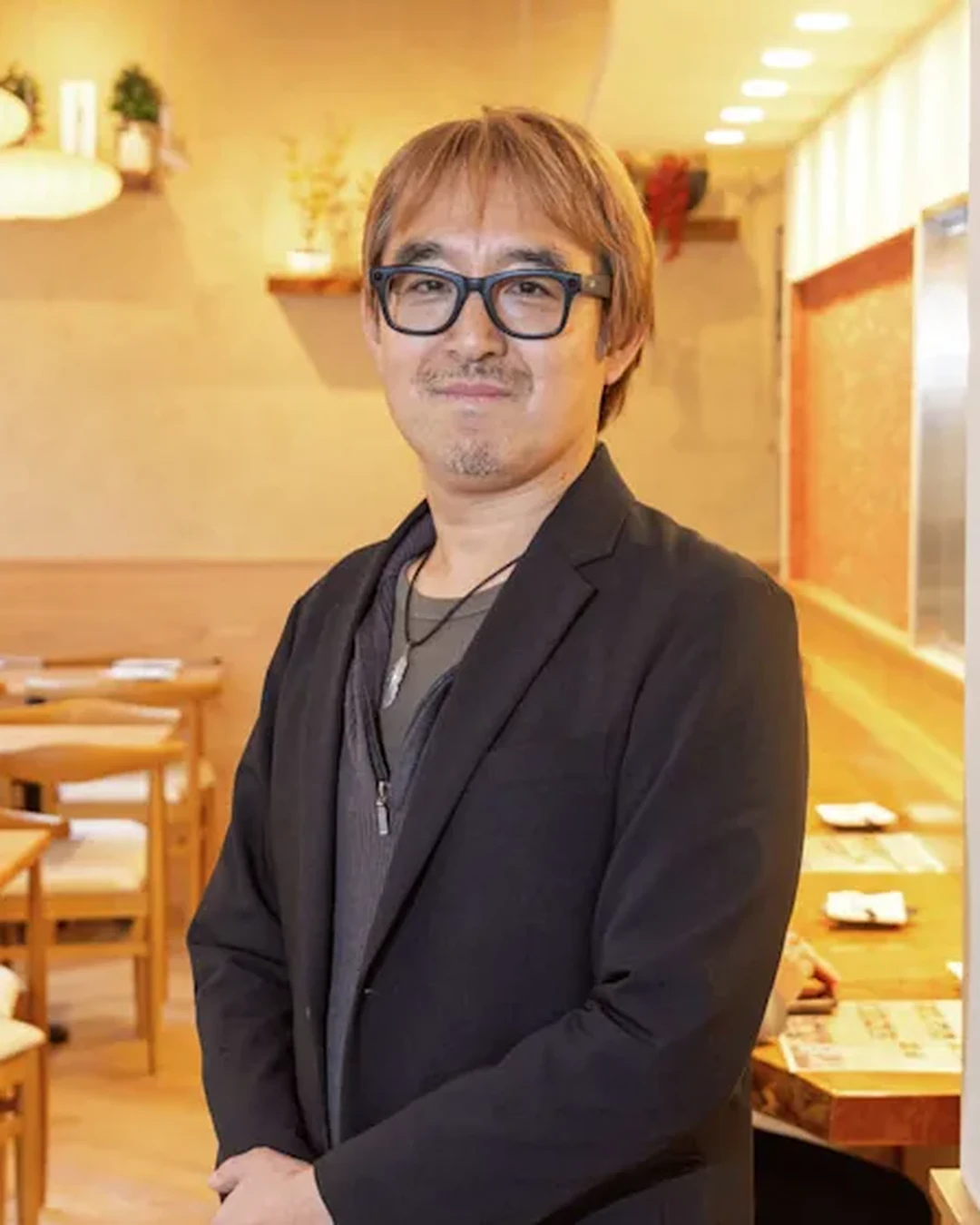
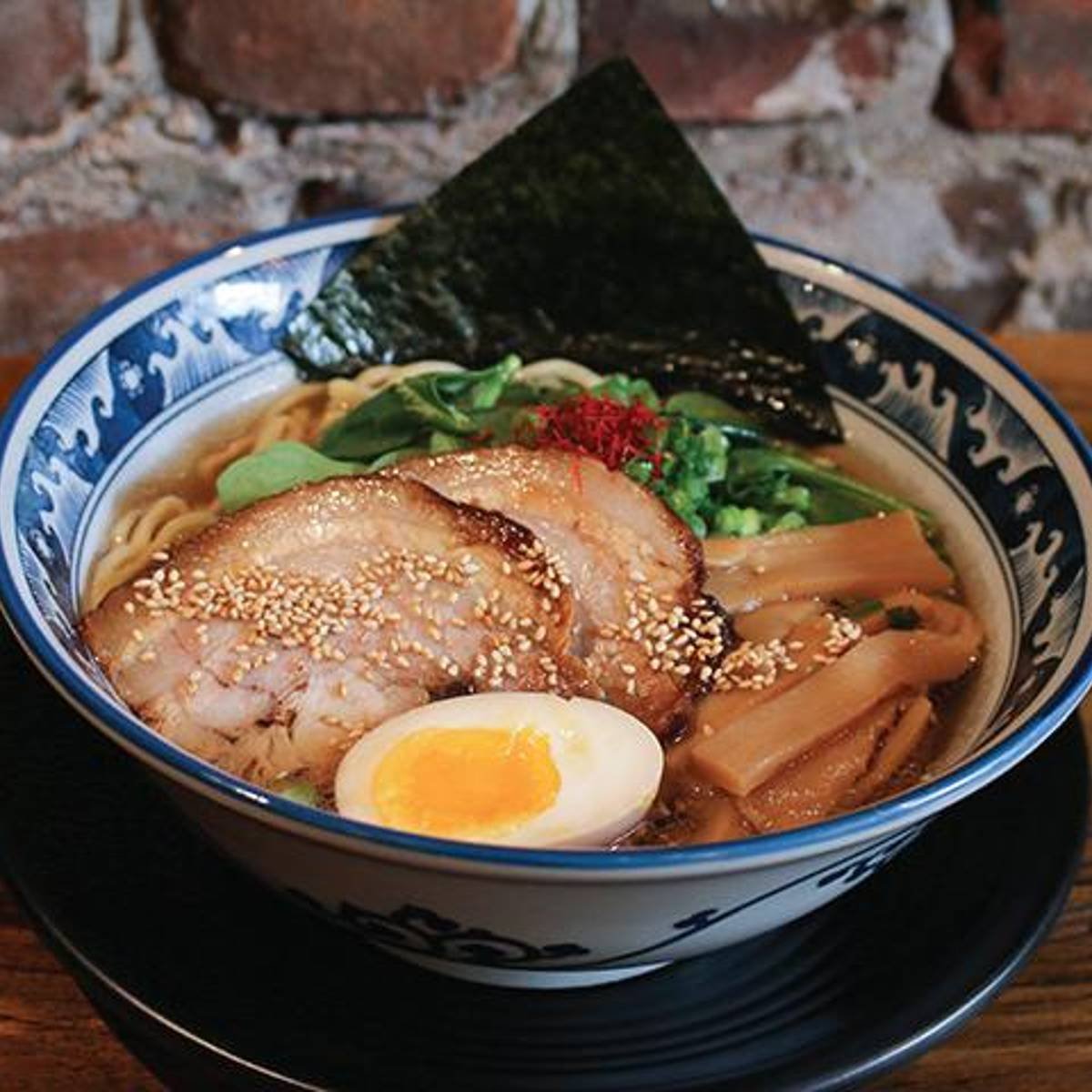
Chef Masao Kuribara makes dashi ramen at Hinodeya in San Francisco, led by house broth, clam ramen, and vegan shiitake dashi.
At a glance
- Cuisine
- Ramen
Dashi before the bowl
The broth leads the work: bonito flakes, kombu seaweed, and scallop bouillon drawn into a lighter base before Masao Kuribara, Chef at Hinodeya in San Francisco, builds the bowl. Kuribara came to this station from Hasuda City, Saitama Prefecture, and he has made dashi ramen the center of the house rather than a side note to tonkotsu. His own account of the move is plain: “I took up the challenge, and I opened the first dashi ramen restaurant in the United States.” At Hinodeya Ramen Bar, that claim sits in the daily work, in soup that aims for clarity before weight, and in a menu that lets the stock carry the first impression. The role is not presented as nostalgia. Kuribara speaks of cuisine and hospitality together, “to make happiness,” and the room makes sense when read that way: bowls leaving the pass, starters moving beside them, the counter close enough for the rhythm of service to stay visible. The restaurant’s published story does not name the teachers who shaped his apprenticeship, so the lineage here has to be read through place and method: Saitama, dashi, San Francisco, and a chef who chose the long way for a broth category often misunderstood abroad.
A lighter stock with several registers
Hinodeya’s program turns on dashi-based ramen, a broth vocabulary built from marine and vegetal depth rather than the dense pork emulsions many diners expect when they hear ramen. The house bowl, Hinodeya Ramen, is the central statement, balanced around the dashi soup rather than buried under it. The Hamaguri Clam Ramen moves the same discipline toward littleneck clams, garlic notes, and a light buttery broth; the shellfish does not ask the stock to become heavy. Spicy Miso gives the kitchen a warmer register, while Creamy Vegan Ramen uses shiitake mushroom dashi, soy milk, and original sesame sauce to build body without leaving the frame of the house. Those choices matter because they keep the method legible across the menu. Dashi is not a garnish here. It is the base line, adjusted bowl by bowl, with noodles and toppings asked to meet it rather than cover it. Around the ramen, Green Gyoza, Takoyaki, Crispy Chicken Karaage, and Vegetable Spring Rolls give the pass its shorter gestures, but the kitchen returns to stock.
The room around the pass
On Buchanan Street, the restaurant works as a compact ramen bar, contemporary in its surfaces and close in its spacing. The room can run loud when it fills, which suits food that arrives with steam still rising and little ceremony between the pass and the counter. Japantown is present without needing to be staged: bowls move through a simple surrounding, starters share the table, and the service pattern keeps the attention on eating while the broth is still hot. The outdoor tables change the pace, but the essential view remains the same, a kitchen organized around bowls that do not wait. In a place built for dashi, restraint is not quietness. It is the discipline of stopping before the soup becomes too much.
What stays in the bowl
Hinodeya and outside notice has followed its place among lower-priced North American dining, and the bowl Kuribara chose to put forward. The House Ramen is the station’s clearest sentence: dashi first, noodles second, the rest in proportion at Hinodeya Ramen Bar.
Address
1737 Buchanan St, San Francisco, CA 94115
In residence
Similar places
Modern Fire-Forward Fine Dining
Saison
San Francisco, United States
★★ · 50 Best
Modern French Fine Dining
Quince
San Francisco, United States
★★★ · 50 Best
french
Atelier Crenn
San Francisco, United States
★★★ · 50 Best
Modern Asian Fusion Fine Dining
Benu
San Francisco, United States
★★★ · 50 Best
New Nordic Fine Dining
Sons & Daughters
San Francisco, United States
★★ · 50 Best
Innovative
Lazy Bear
San Francisco, United States
★★ · 50 Best