Hinodeya
In Residence
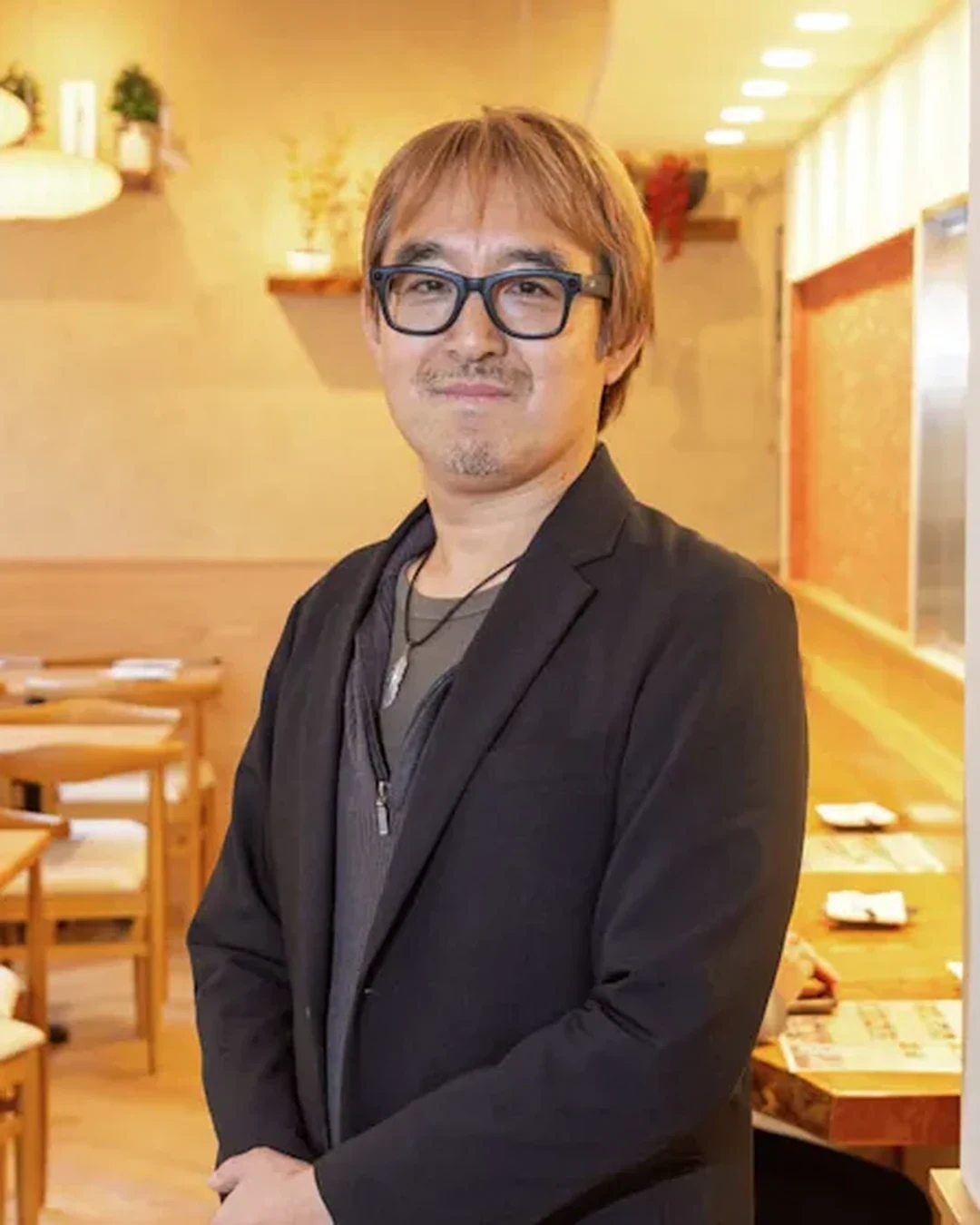
Masao Kuribara
Chef
- 01CuisineAuthentic Japanese Ramen
- 02CitySan Francisco, United States
Dashi first, noodles close behind
- Opinionated About Dining Cheap Eats in North America Ranked #452 · 2025
- Opinionated About Dining Cheap Eats in North America Ranked #385 · 2024
- Opinionated About Dining Cheap Eats in North America in Recommended · 2023
Dashi before the bowl
The broth sets the station before service. Masao Kuribara, Chef at Hinodeya in Japantown, San Francisco, works from dashi ramen rather than the heavier tonkotsu grammar many American ramen rooms made familiar. Born in Hasuda City, Saitama Prefecture, he brought that focus to the United States with a plain claim: “I took up the challenge, and I opened the first dashi ramen restaurant in the United States.”
At this counter, the lineage is not framed through a named mentor or a formal apprenticeship the house publishes. It comes through the stockpot and the bowl: bonito flakes, kombu seaweed, scallop bouillon, shiitake mushrooms, and the light, layered savor that dashi asks of the hands. Kuribara’s own hospitality note is equally direct: “I offer a Japanese experience through cuisine and hospitality to make happiness.” The sentence sits close to the work. Ramen here is not treated as a spectacle. It is a daily method, tuned for broth, noodle, topping, and the guest’s chosen heat.
The Sunday letter
Find new places through the people who run them.
Our Sunday email brings you the chefs, winemakers and hoteliers behind our newest stories. See a sample before you subscribe.
See a sample of the Sunday emailOne email a week. Unsubscribe from any issue.
A lighter stock, held to its line
Hinodeya Ramen carries the house signature, with dashi doing the first work before pork oil, wheat noodles, egg, menma, or other additions enter the bowl. The point is depth without weight. The stock gathers marine, vegetal, and mushroom notes, then leaves room for chew and aroma rather than closing the palate with fat. Spicy Miso moves in another register, using heat and miso as the center of gravity, while Creamy Vegan Ramen builds body from shiitake, soy milk, and sesame sauce.
The vegan side of the program matters here because it is not an afterthought beside the standard bowls. Zen Ramen draws from kombu, shiitake, white soy, and shoujin-inspired cooking; other plant-based bowls bring spinach noodles, inari, acorn squash, bell peppers, goji berries, kale, and mushrooms into the same ramen frame. Guests can set spice levels, add toppings, or keep the bowl restrained. The kitchen’s discipline is in keeping those choices legible, so the broth still reads as the base note rather than a background.
The room answers with the drum
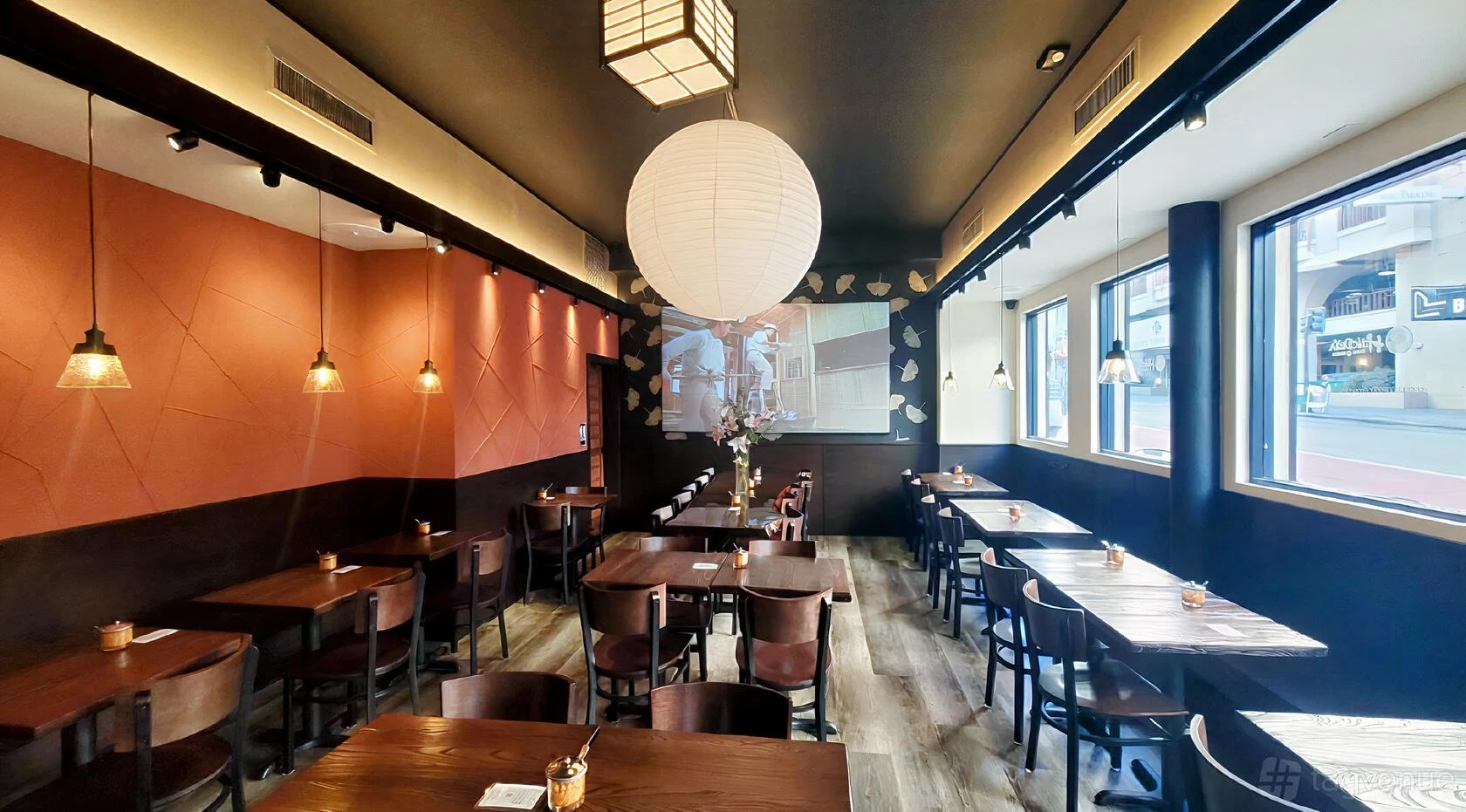
The room is small, close, and lively, the kind of ramen bar where the counter and the pass feel near even from a table. A drum greeting marks arrival, Japanese music sits under the sound of orders, and the tight seating gives the bowls little distance from the room that receives them. Service stays casual and friendly. The pace belongs to noodles.
Hinodeya’s San Francisco footprint includes more than one room, but the Japantown address carries the clearest sense of place: ramen in a neighborhood already fluent in Japanese food, yet shaped for a city that asks for vegan options, spice control, and a lighter broth. The beverage program stays modest, with sake, beer, and Ramune supporting the bowls rather than taking the floor. Hinodeya Ramen’s house bowl, dashi first, is still the measure of Kuribara’s station.
Questions
Frequently asked
What kind of ramen does Hinodeya serve?
Hinodeya serves authentic Japanese ramen built around dashi rather than the heavier tonkotsu style many American ramen rooms are known for. The house bowl, Hinodeya Ramen, uses bonito flakes, kombu seaweed, scallop bouillon, and shiitake mushrooms, with toppings such as pork oil, wheat noodles, egg, and menma added in the bowl.
Who is the chef at Hinodeya?
Masao Kuribara is the chef at Hinodeya in Japantown, San Francisco. He was born in Hasuda City, Saitama Prefecture, and says he opened the first dashi ramen restaurant in the United States.
What are the signature dishes?
The signature dishes listed are Hinodeya Ramen and Creamy Vegan Ramen. The vegan side of the menu also includes bowls such as Zen Ramen, which draws on kombu, shiitake, white soy, and shoujin-inspired cooking.
Is Hinodeya walk-in friendly?
Hinodeya is walk-in friendly. The room is casual, and the venue is set up as a ramen bar rather than a formal dining room.
What are the hours?
Hinodeya is open Monday through Thursday and Sunday from 10 AM to 1:30 AM, and on Friday and Saturday from 10 AM to 3:30 AM.
The field
How it compares
| Place | Cuisine | Notes | Awards |
|---|---|---|---|
| Hinodeya | Authentic Japanese Ramen | Tenderloin, $$ | · |
| Atelier Crenn | Contemporary French Fine Dining | San Francisco | Michelin 3 Stars, World's 50 Best |
| Benu | Modern Asian Fusion Fine Dining | San Francisco | Michelin 3 Stars, World's 50 Best |
| Lazy Bear | Modern American Tasting Menu | San Francisco | Michelin 2 Stars, World's 50 Best |
| Quince | Modern French Fine Dining | San Francisco | Michelin 3 Stars, World's 50 Best |
| Saison | Modern Fire-Forward Fine Dining | San Francisco | Michelin 2 Stars, World's 50 Best |
| Sons & Daughters | New Nordic Fine Dining | San Francisco | Michelin 2 Stars, World's 50 Best |
In residence
Similar places
Contemporary French Fine Dining
Atelier Crenn
San Francisco, United States
★★★ · 50 Best
Modern Asian Fusion Fine Dining
Benu
San Francisco, United States
★★★ · 50 Best
Modern American Tasting Menu
Lazy Bear
San Francisco, United States
★★ · 50 Best
Modern French Fine Dining
Quince
San Francisco, United States
★★★ · 50 Best
Modern Fire-Forward Fine Dining
Saison
San Francisco, United States
★★ · 50 Best
New Nordic Fine Dining
Sons & Daughters
San Francisco, United States
★★ · 50 Best
The Sunday letter
Get the next Made By story in your inbox.
We send one email every Sunday morning with the places and people we covered that week.
See a sample of the Sunday emailOne email a week. Unsubscribe from any issue.