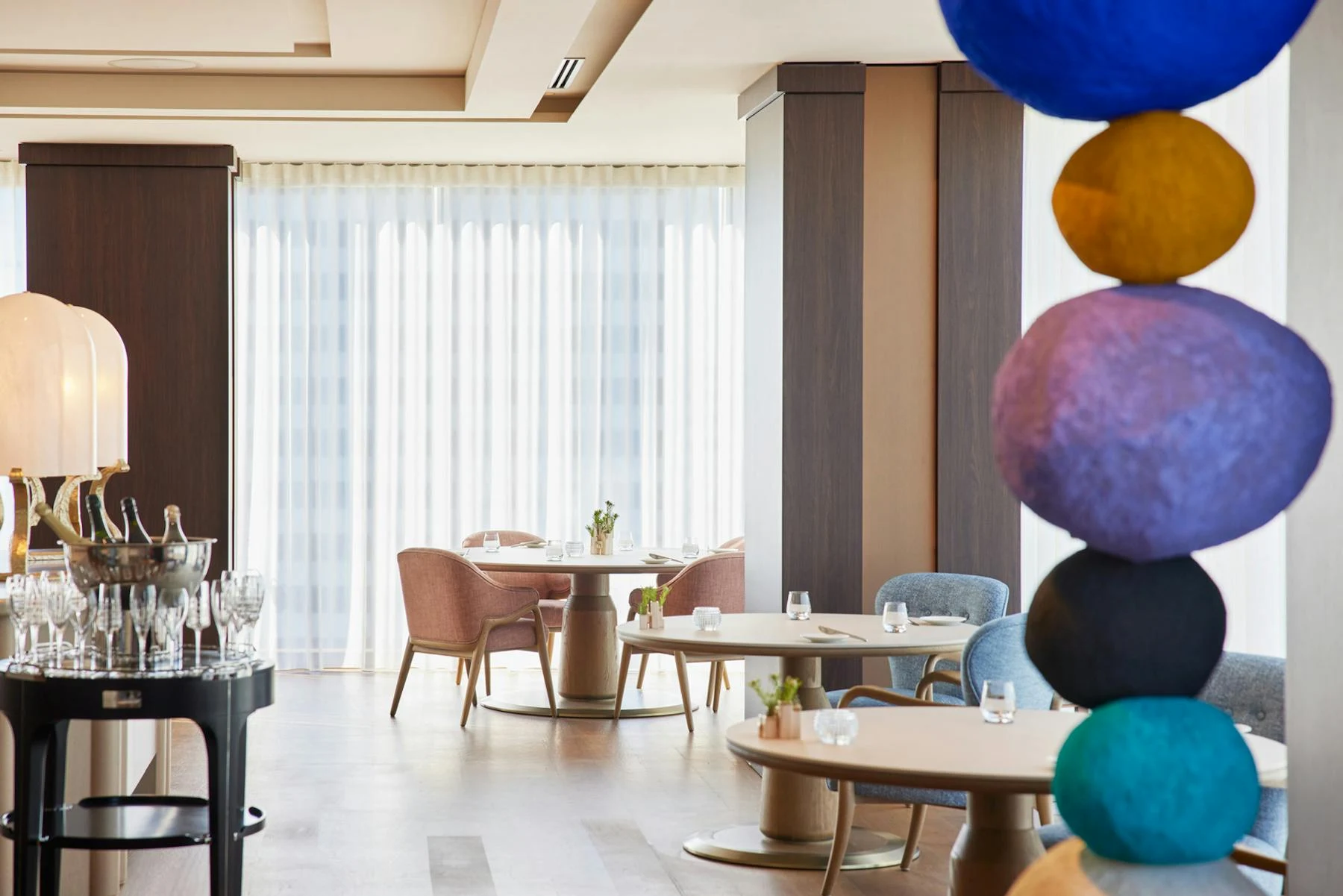
Hiramatsu
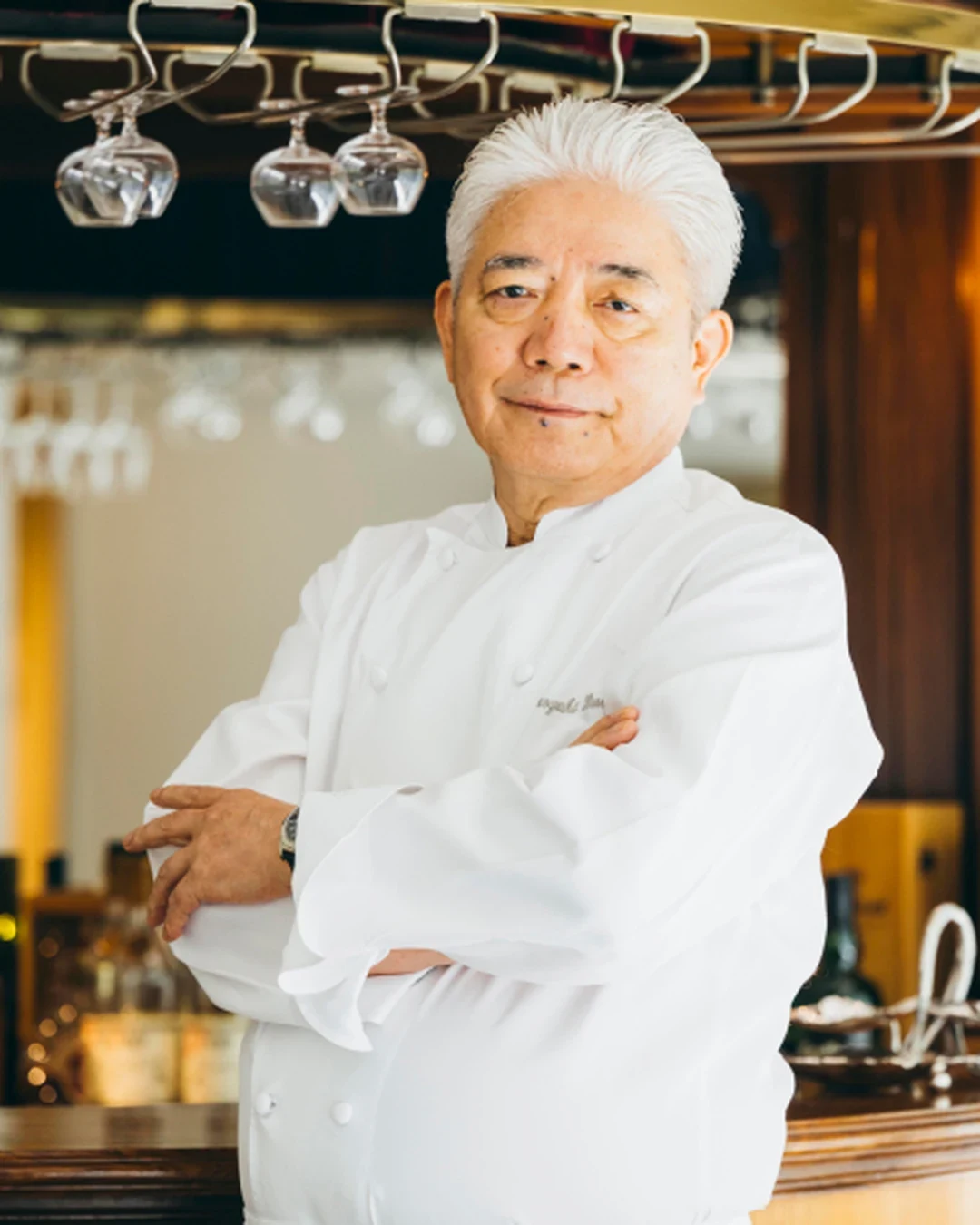
In Residence
Hiroyuki Hiramatsu
Chef
- 01CuisineContemporary French Haute Cuisine
- 02CityTokyo, Japan
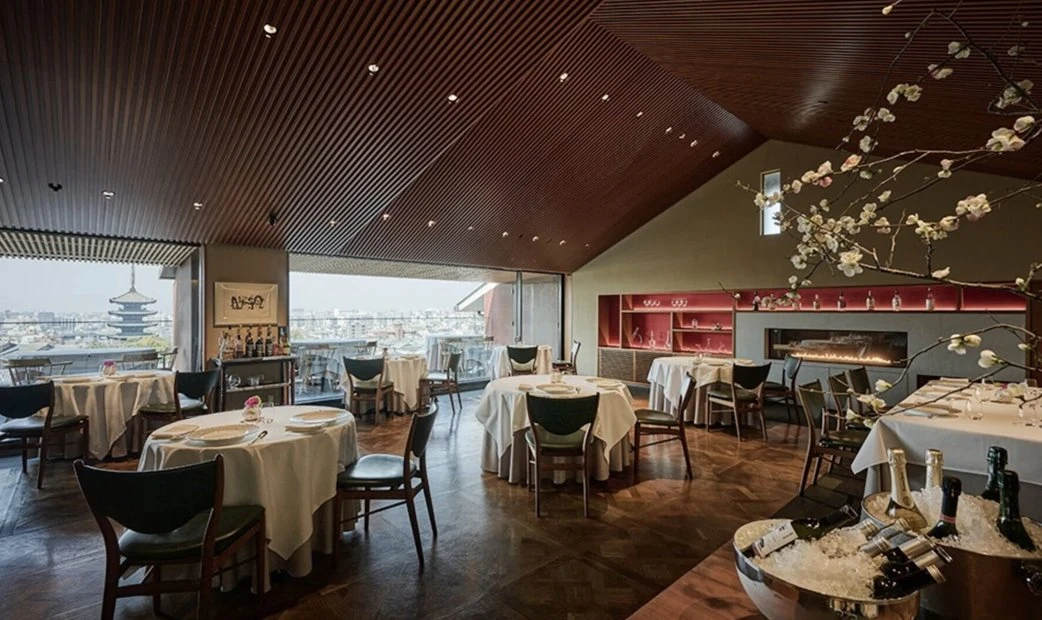
- Opinionated About Dining Top Restaurants in Japan Recommended · 2026
- Tabelog 100 #64: 3.7pts · 2025
- Opinionated About Dining Top Restaurants in Japan Ranked #452 · 2025
- Opinionated About Dining Top Restaurants in Japan Ranked #381 · 2024
- Opinionated About Dining Top Restaurants in Japan Recommended · 2023
A Diplomatic Quarter, a French Dining Room
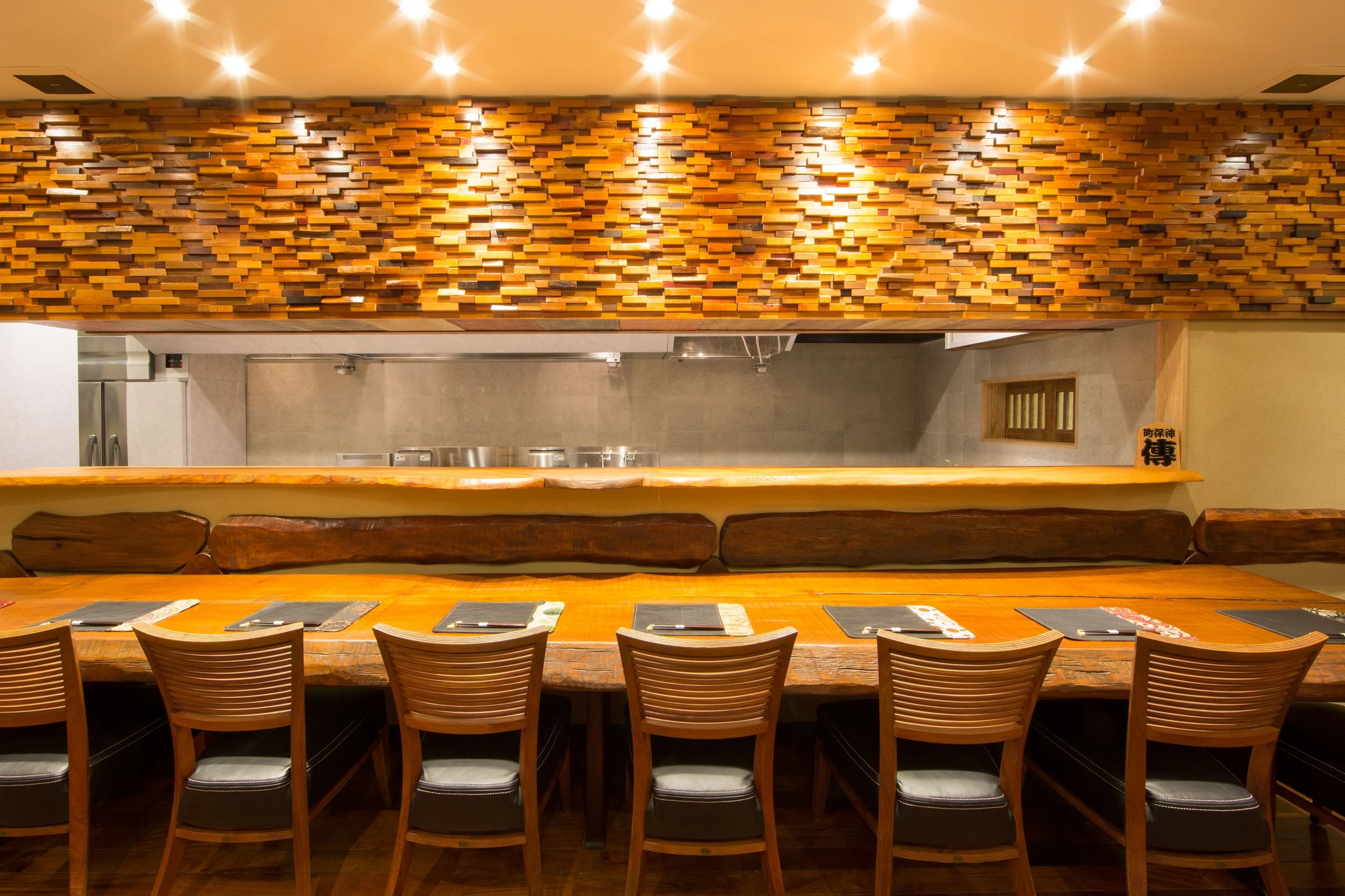
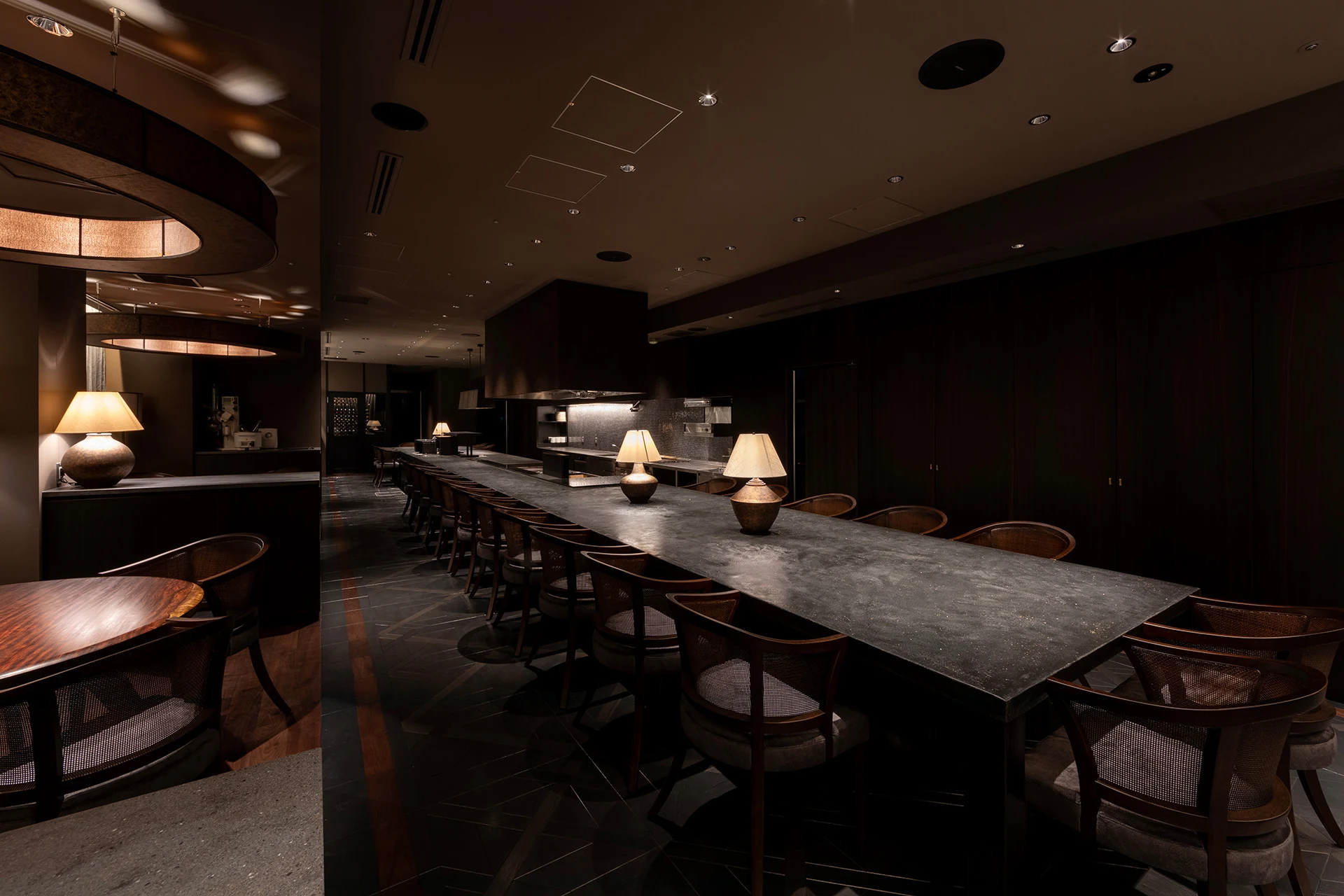
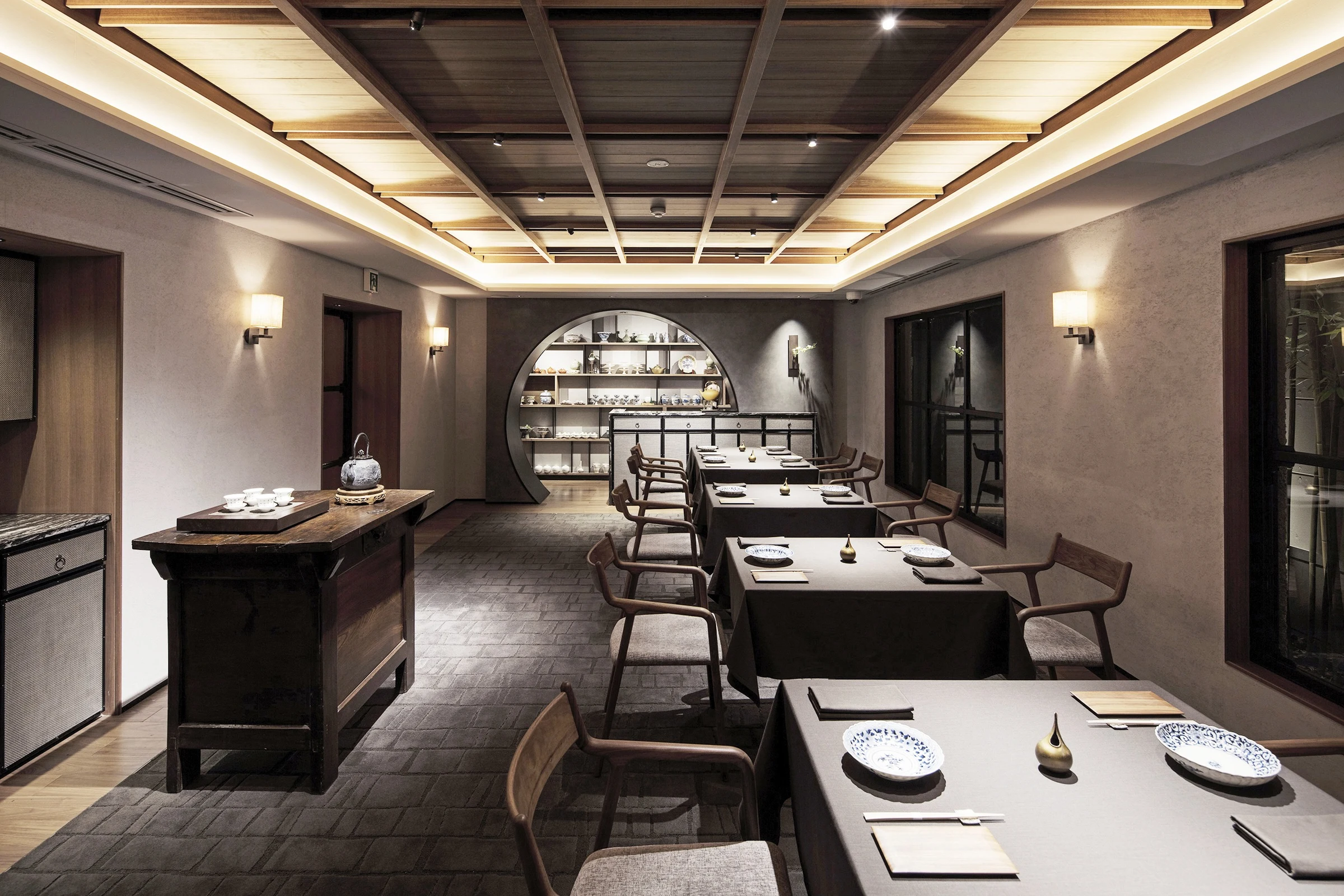
Minami-Azabu occupies a particular register in Tokyo's geography. Embassies, consulates, and long-established foreign institutions line its low-rise streets, giving the neighbourhood a studied calm that most central Tokyo districts abandoned decades ago. Arriving at Hiramatsu's address on the southern edge of Minato City, the building's presence registers not through spectacle but through restraint. This is not Ginza's competitive display of culinary signalling, nor Roppongi's after-dark energy. It is a neighbourhood that has historically attracted serious institutions rather than fashionable ones, and Hiramatsu fits that pattern.
French haute cuisine in Tokyo has a longer and more layered history than the city's current crop of Franco-Japanese openings might suggest. The tradition runs back to the 1960s and 1970s, when Japanese chefs began training in Lyon and Paris in meaningful numbers, returning to open rooms that interpreted classical technique with local precision. By the 1990s, Tokyo had established itself as one of the few cities outside France where French cooking at the highest level could be taken entirely seriously on its own terms. Hiramatsu, under chef Hiroyuki Hiramatsu, belongs to that foundational generation rather than to the newer wave of conceptual hybrids. Its frame of reference is classical French, applied with the consistency and attention to craft that the Minami-Azabu clientele historically expected.
Where Hiramatsu Sits in Tokyo's French Tier
Tokyo's French restaurant scene has fragmented over the past decade into at least three identifiable tiers. At one end, three-Michelin-star rooms like L'Effervescence and Sézanne draw an international audience willing to book months in advance and pay accordingly. In the middle sits a cohort of technically accomplished rooms, some with two stars, some without, that serve a more locally grounded clientele. Further down, the contemporary Franco-Japanese hybrid format has proliferated, with places like Florilège blending French structure with Japanese ingredients in ways that attract younger, more internationally mobile diners. ESqUISSE occupies its own niche within this spectrum, while Château Restaurant Joël Robuchon represents the formal grand-maison model in Ebisu's garden setting.
Hiramatsu's position on Opinionated About Dining's Japan list has shifted modestly in recent years: ranked #381 in 2024, it moved to #452 in the 2025 edition, having previously held a Recommended status in 2023. That trajectory reflects how competitive the tracked field has become rather than any sharp decline in the restaurant's fundamentals. The OAD methodology leans heavily on votes from traveling food professionals, a cohort increasingly drawn to newer, more conceptually urgent openings. Classical French rooms of Hiramatsu's generation tend to hold steady on quality while ceding ranking ground to formats that generate more contemporary enthusiasm. Its.
For comparative context in Asia's French dining scene, rooms at a similar classical register include Les Amis in Singapore, which has operated since 1994 and carried three Michelin stars. In Europe, the benchmark French classical tradition can be traced through rooms like Hotel de Ville Crissier in Crissier, where the weight of accumulated technique across generations defines the identity of the room as much as any individual chef does.
The Format and the Hours
Hiramatsu operates lunch and dinner across a Tuesday-to-Sunday week, with Monday reserved as the weekly closure. Lunch service runs 11:30am to 1pm; dinner from 6pm to 8pm. The service windows suggest a tasting-menu or set-menu structure. In Minami-Azabu's dining culture, this format signals a room oriented toward occasion dining rather than casual drop-in trade, consistent with the neighbourhood's corporate and diplomatic character.
Minami-Azabu and the Question of Neighbourhood
The neighbourhood context matters more at Hiramatsu than it would at a Ginza counter or a Shinjuku dining room, because Minami-Azabu is not a destination area for casual restaurant-hunting. You come here with intent. The streets are not lined with competing options in the way that Nishi-Azabu or Hiroo might offer fallback choices. The decision to eat at this address is made in advance and reflects a specific preference for the kind of measured, residential seriousness the area embodies. Diners who choose this part of Tokyo for a French dinner are, broadly, choosing the format over the buzz.
That distinction matters when comparing Hiramatsu to more centrally located French peers. Hiramatsu's Minami-Azabu address predisposes the room toward longer-established relationships: regulars who have been returning for years, corporate accounts from nearby embassies and international firms, and the kind of occasion diner who has done the research and made a deliberate choice.
Beyond Tokyo: Japan's French Dining Spread
French cooking at serious levels now extends well beyond Tokyo across Japan's major cities. HAJIME in Osaka represents the ambitious contemporary French expression in the Kansai region. akordu in Nara brings a European fine-dining sensibility to a city better known for temples than tasting menus. For contrast in Japanese cuisine traditions, Gion Sasaki in Kyoto and Goh in Fukuoka anchor the high end of Japanese cooking in their respective cities. Further afield, 1000 in Yokohama and 6 in Okinawa reflect how Japan's serious restaurant culture has dispersed to cities that once sat firmly in Tokyo's shadow.
Planning a Visit
Address: 5 Chome-15-13 Minamiazabu, Minato City, Tokyo 106-0047. Hours: Wednesday to Sunday, lunch 11:30am–2pm, dinner 6–11pm; closed Monday and Tuesday. Reservations: essential. Recognition: Opinionated About Dining Ranked #452 in Japan (2025), #381 (2024), Recommended (2023); Google 4.5 (253 reviews).
Questions
Frequently asked
Who works at Hiramatsu?
Made By profiles Hiroyuki Hiramatsu (Chef) at Hiramatsu.
How expensive is Hiramatsu?
Hiramatsu is listed at a price level of $$$$.
Where is Hiramatsu and what does it serve?
Hiramatsu is in Minato, Tokyo, serving Contemporary French Haute Cuisine.
The field
How it compares
| Place | Cuisine | Notes | Awards |
|---|---|---|---|
| Hiramatsu | Contemporary French Haute Cuisine | Minato, $$$$ | · |
| Den | Modern Japanese Kaiseki | Tokyo | Michelin 2 Stars, World's 50 Best |
| Florilège | Modern French-Japanese Plant-Based Fine Dining | Tokyo | Michelin 2 Stars, World's 50 Best |
| Narisawa | Modern Japanese Satoyama Fine Dining | Tokyo | Michelin 2 Stars, World's 50 Best |
| Quintessence | Modern French Fine Dining | Tokyo | Michelin 3 Stars |
| Sazenka | Modern Chinese Fine Dining | Tokyo | Michelin 3 Stars, World's 50 Best |
| Sézanne | Modern French Fine Dining | Tokyo | Michelin 3 Stars, World's 50 Best |
In residence
Similar places
Modern Japanese Kaiseki
Den
Tokyo, Japan
★★ · 50 Best
Modern French-Japanese Plant-Based Fine Dining
Florilège
Tokyo, Japan
★★ · 50 Best
Modern Japanese Satoyama Fine Dining
Narisawa
Tokyo, Japan
★★ · 50 Best
Modern French Fine Dining
Quintessence
Tokyo, Japan
★★★
Modern Chinese Fine Dining
Sazenka
Tokyo, Japan
★★★ · 50 Best
Modern French Fine Dining
Sézanne
Tokyo, Japan
★★★ · 50 Best