Hirayama
- 01CuisineCharcoal-Grilled Wagyu Steakhouse
- 02CityTokyo, Japan
100% buckwheat milled in-house
- Michelin Bib Gourmand · Michelin Guide
- Michelin Bib Gourmand · 2026
- Tabelog 100 #100: 3.7pts · 2025
- Opinionated About Dining Top Restaurants in Japan Ranked #308 · 2025
- Opinionated About Dining Top Restaurants in Japan Ranked #258 · 2024
- Opinionated About Dining Top Restaurants in Japan Highly Recommended · 2023
Grain first, counter close
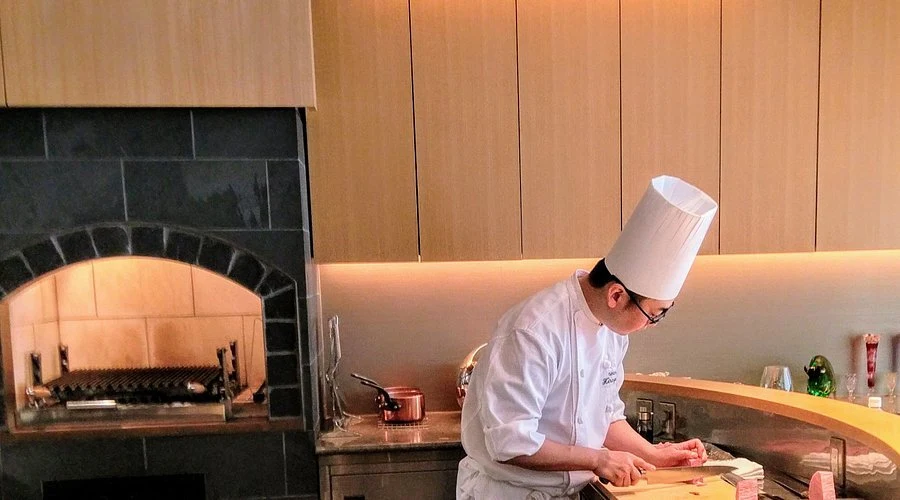
The buckwheat reaches the bench before the bowl. Keisuke Hirayama, Chef at Hirayama in Ginza, Tokyo, Japan, works where the kitchen stays in direct view of the guest, and that visibility shapes the pace of the meal. His foundation is kappo, a discipline that asks the cook to hold sequence, timing, and gesture in the open rather than behind a closed pass. At Hirayama, that means soba and kaiseki-style courses move through the room as a progression, with the counter acting as both station and witness.
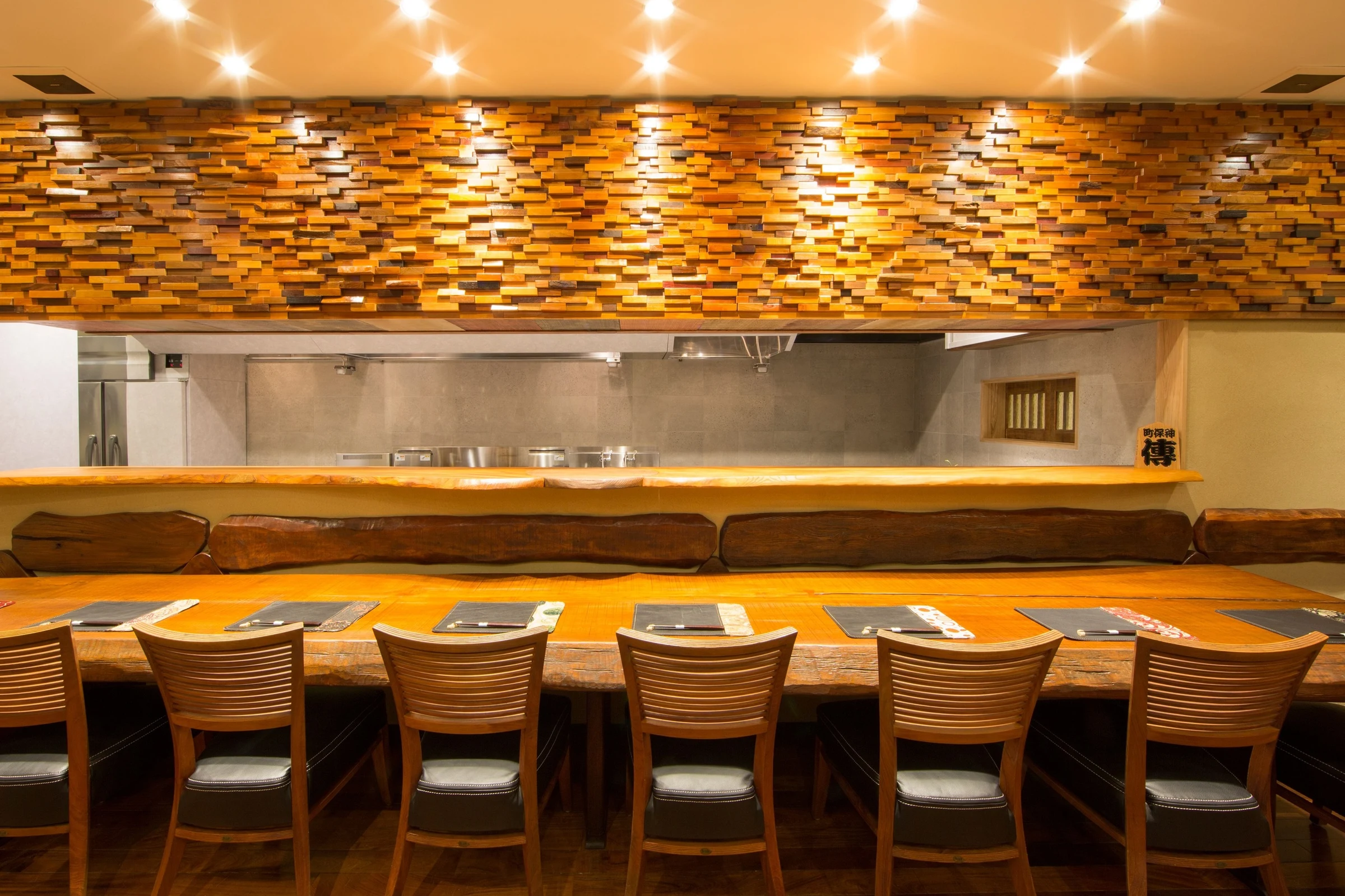
Hirayama’s earlier work as chef at Ginza Kuikiri Hirayama centered on seasonal kaiseki meals and high-quality ingredients. The through-line matters here because the restaurant is not built around a single plate sent out at speed. It is organized around proximity. The guest faces the work; Hirayama controls the order; each course lands as part of the next decision. His title is simple, chef of Hirayama, but the room gives that title pressure. There is little distance between the hand and the diner.
Soba carried from grain to bowl
Soba sits at the center of the method. Hirayama serves noodles made from 100% buckwheat, milled in-house from unpolished grain, keeping the flavor and texture under the kitchen’s own discipline rather than handing that decision to purchased flour. The number is not decorative. With no wheat to soften the work, buckwheat asks for control in mixing, cutting, cooking, and serving; the margin is narrow, and the noodle carries the result plainly.
Tempura follows the same close rhythm. Hirayama fries each item to order, one by one, so the course depends on timing rather than holding. In a kappo room, that timing is not hidden labor. The guest sees the station reset, the next piece enter oil, the next course arrive while it still belongs to the moment. Kaiseki-style sequencing gives the meal its architecture, but soba remains part of the central craft rather than a final courtesy. The bowl has its own standing.
The room faces the pass
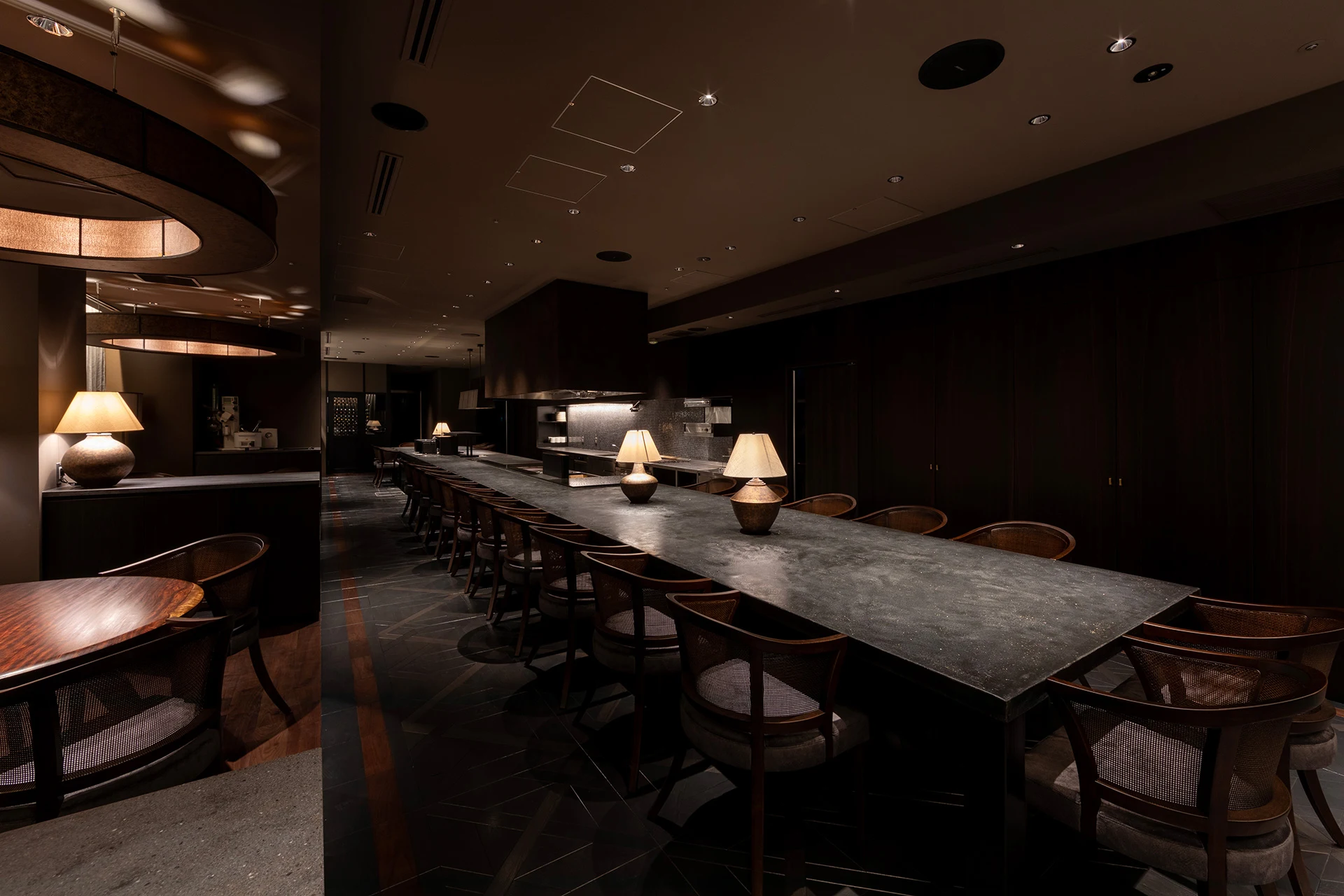
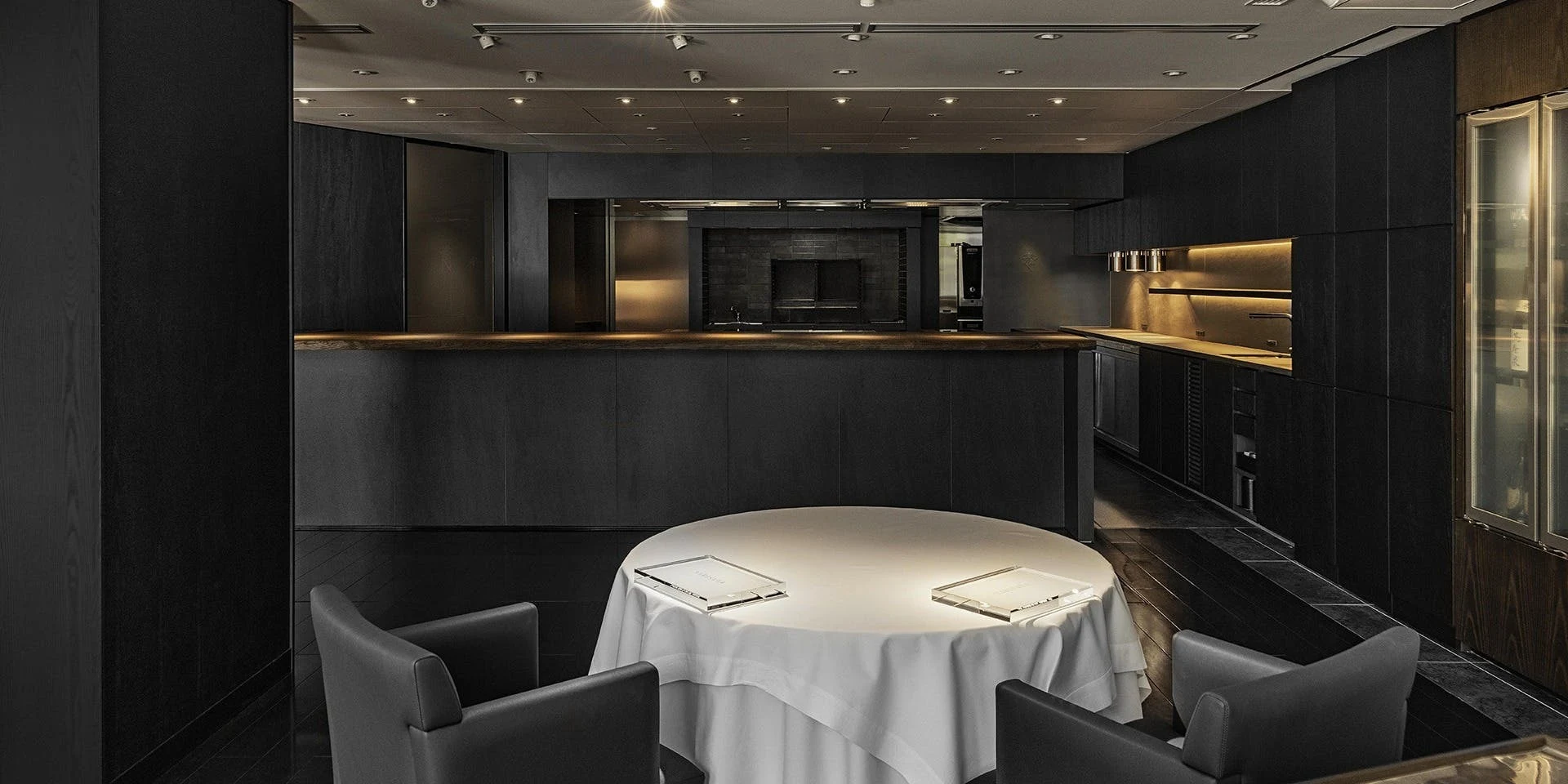
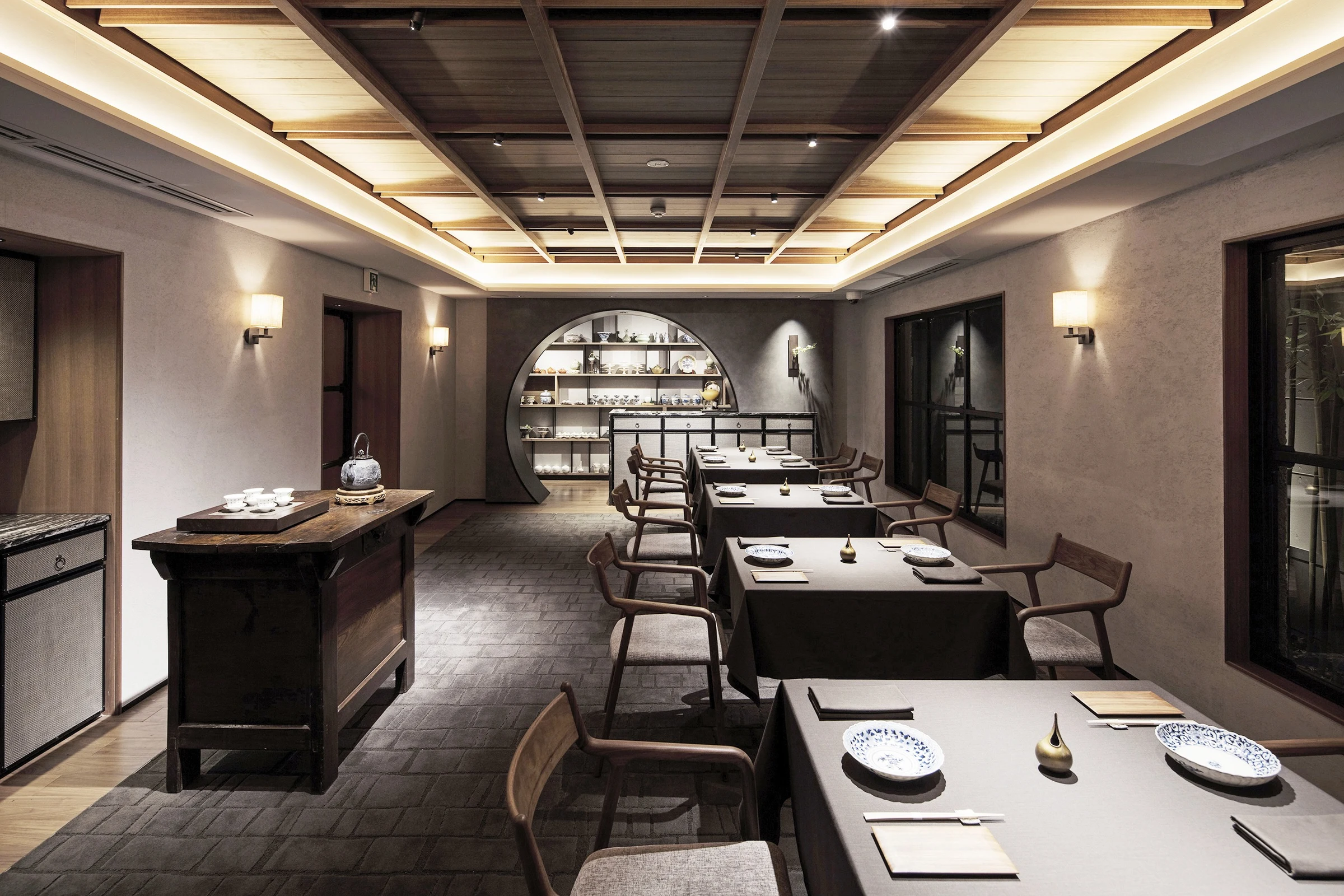
The room is quiet enough for small sounds to register: water at the noodle station, a course placed on the counter, the shift from one preparation to the next. Hirayama’s counter dining format keeps the kitchen in the sightline, and the upscale casual service lets the sequence breathe without turning the room stiff. The restaurant’s Ginza address gives it polish, but the craft happens close to the bench.
That closeness is the point of kappo. The chef does not disappear after composing a menu; he works in front of the people eating it. At Hirayama, the guest reads the meal through order, temperature, and the hand. If the final impression holds, it is because the unpolished buckwheat has traveled the long way to the bowl at Hirayama.
Questions
Frequently asked
What kind of restaurant is Hirayama?
Hirayama is a charcoal-grilled wagyu steakhouse in Ginza, and it also works with counter dining in view of the kitchen.
Who is the chef at Hirayama?
The chef is Keisuke Hirayama.
What is the cooking style at Hirayama?
The restaurant serves wagyu and other courses with a counter-side, kappo-style rhythm, and its page copy says the soba is milled in view of the counter from 100% buckwheat.
What are some signature dishes?
Signature dishes listed for Hirayama are Wagyu Tenderloin, Garlic Rice, and Steak Tartare.
What should I know about booking and dress code?
Reservations are essential, and the dress code is smart casual. Hirayama is listed at around $200 per person and holds a Michelin Bib Gourmand.
The field
How it compares
| Place | Cuisine | Notes | Awards |
|---|---|---|---|
| Hirayama | Charcoal-Grilled Wagyu Steakhouse | Taitō, $$$$ | · |
| Den | Modern Japanese Kaiseki | Tokyo | Michelin 2 Stars, World's 50 Best |
| Florilège | Modern French-Japanese Plant-Based Fine Dining | Tokyo | Michelin 2 Stars, World's 50 Best |
| Narisawa | Modern Japanese Satoyama Fine Dining | Tokyo | Michelin 2 Stars, World's 50 Best |
| Quintessence | Modern French Fine Dining | Tokyo | Michelin 3 Stars |
| Sazenka | Modern Chinese Fine Dining | Tokyo | Michelin 3 Stars, World's 50 Best |
| Sézanne | Modern French Fine Dining | Tokyo | Michelin 3 Stars, World's 50 Best |
Similar places
Modern Japanese Kaiseki
Den
Tokyo, Japan
★★ · 50 Best
Modern French-Japanese Plant-Based Fine Dining
Florilège
Tokyo, Japan
★★ · 50 Best
Modern Japanese Satoyama Fine Dining
Narisawa
Tokyo, Japan
★★ · 50 Best
Modern French Fine Dining
Quintessence
Tokyo, Japan
★★★
Modern Chinese Fine Dining
Sazenka
Tokyo, Japan
★★★ · 50 Best
Modern French Fine Dining
Sézanne
Tokyo, Japan
★★★ · 50 Best