Il Corniale
- 01CityMontaione, Italy
- Falstaff Winery - Listed · 2026
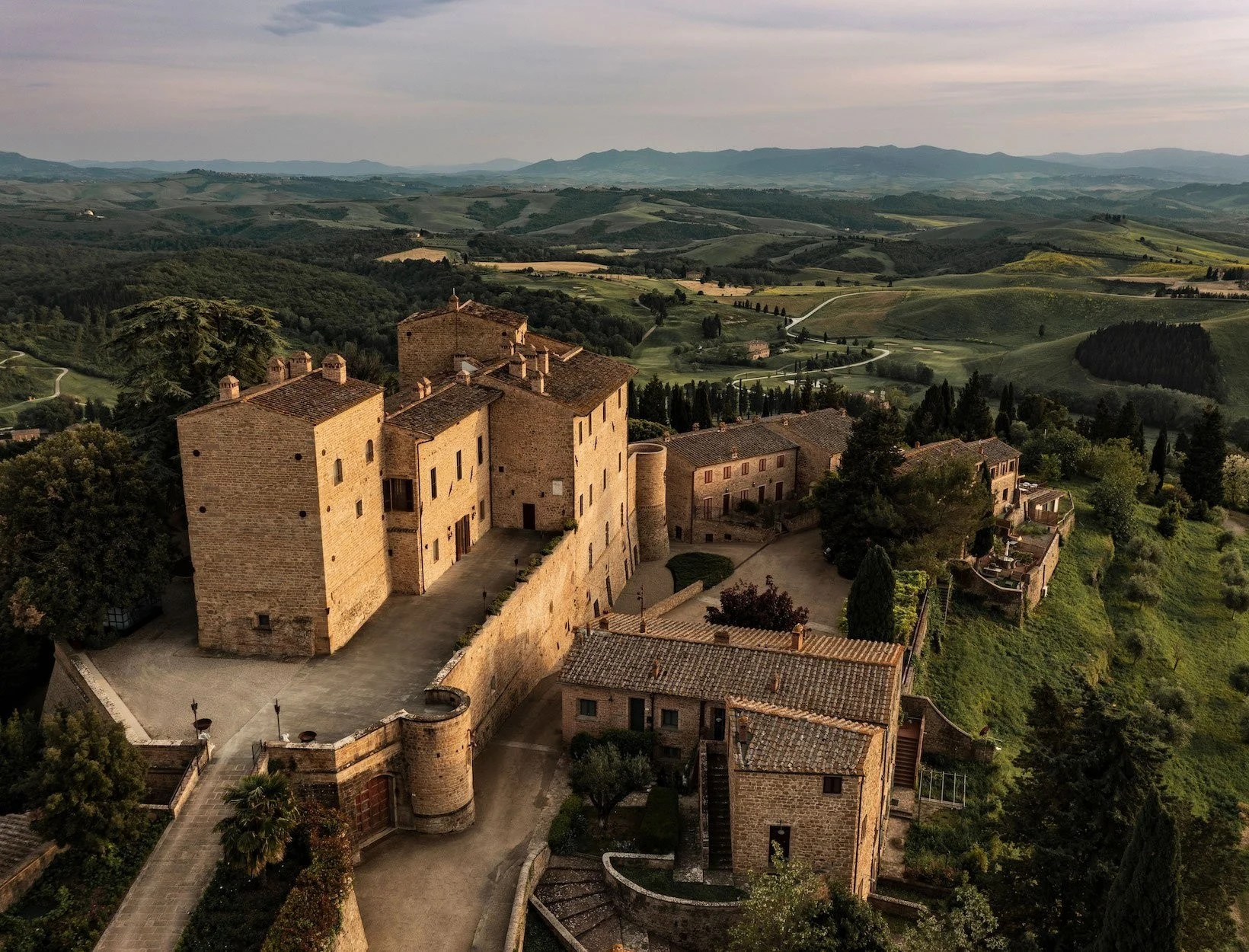
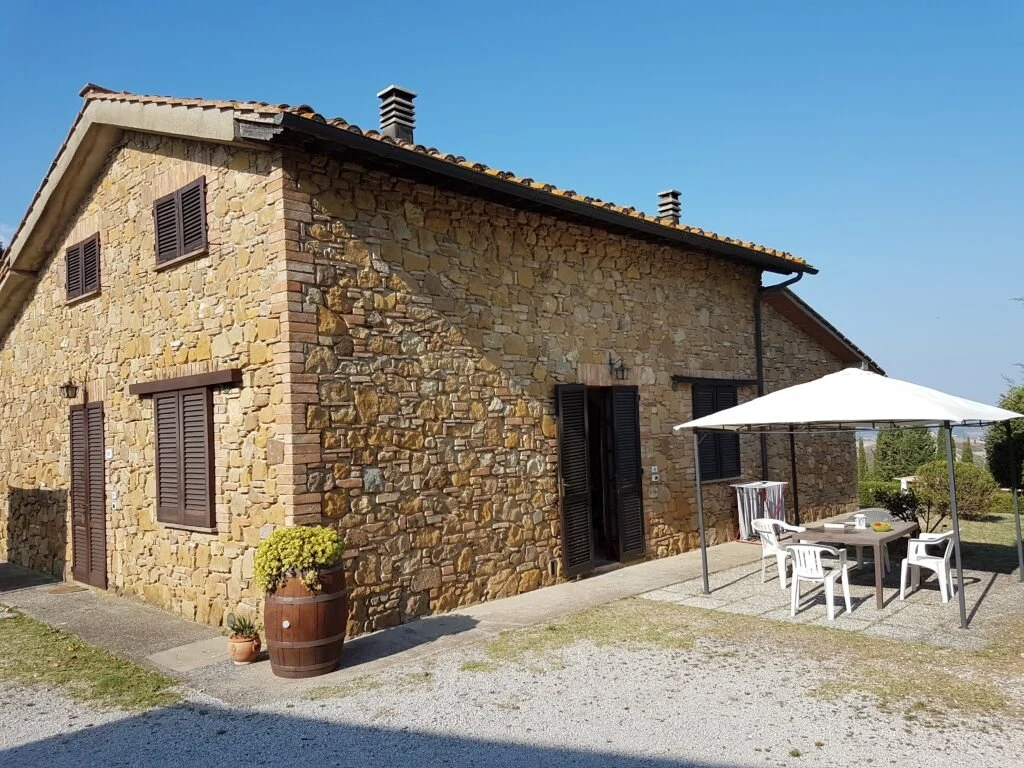
Approaching a rural Tuscan winery changes the tempo before the first glass is poured. The useful clues are agricultural rather than decorative: vineyards worked alongside olive groves, a farmhouse setting, and a tasting format that keeps the estate close to the products it grows. In Montaione, that matters. This part of Tuscany trades less on grand-cellar spectacle than on the connection between hill farming, Chianti identity and the visitor’s ability to meet wine at its source.
Il Corniale belongs to that smaller farm-estate category. The Bibbiani family’s property traces its modern story to 1973, when Aldemaro Bibbiani bought a farmhouse with 20 hectares of land and planted vines. Agriturismo activity followed in 1981, placing the estate inside a Tuscan pattern that treats wine, lodging and agriculture as linked parts of rural life rather than separate businesses. The estate’s organic certification dates to 2010, a useful marker in a region where many producers talk about land care but fewer give the visitor a clear farming framework.
Chianti, olive groves and the mixed-crop Tuscan estate model
The strongest way to read the wines here is through the farm system around them. Tuscany’s hill-country identity has long depended on mixed agriculture: Sangiovese for the table, olives for oil, sweet wine for the end of a meal, and small estate bottlings that sit closer to household rhythm than export-brand architecture. Il Corniale’s portfolio follows that logic with Chianti DOCG, Chianti Riserva, Syrah, Sangiovese IGT, Bianco Toscano, vin santo, grappa and extra-virgin olive oil.
The grape mix broadens the picture without breaking the Tuscan frame. Sangiovese anchors the regional identity, while Ciliegiolo, Syrah, Cabernet, Merlot, Chardonnay, Vermentino, Malvasia Bianca and Trebbiano point to a working estate that is not built around a single prestige bottling. That range matters because Montaione wine tourism is often less about trophy labels and more about context: what grows on the farm, how it is handled, and how the wines fit with local cooking.
Two bottle references sharpen the value signal: Il Corniale Chianti Biologico DOCG 2023 has appeared at €9.95, while Il Corniale Chianti Riserva Biologica DOCG 2018 has appeared at €23.50. Those figures place the estate in a practical, drink-at-the-table register rather than the luxury allocation tier. The editorial point is not bargain hunting; it is that organic Chianti in this corner of Tuscany can still exist as an agricultural product with a human scale, not only as a collectible.
A tasting format closer to farm hospitality than cellar performance
In many Tuscan wine areas, visitor experiences now divide into two camps: polished destination estates with broad hospitality infrastructure, and smaller producers where the tasting remains close to the rhythms of the farm. Il Corniale sits in the second camp. Its format is built around direct estate tastings and visits, with shipping available after purchase, which keeps the encounter focused on the wines and farm products rather than a staged luxury sequence.
That informality has consequences for how to assess the place. The estate is better understood as a countryside stop for visitors who want Chianti, olive oil and a sense of agricultural continuity in Montaione, not as a technical masterclass in fermentation vessels, barrel regimes or single-vineyard mapping. The public story is strongest on farming, family continuity and organic practice. It is quieter on cellar detail, which makes the agricultural identity the more reliable lens.
The agriturismo history adds another layer. Seven apartments are part of the farm’s hospitality background, and that dual identity is common in Tuscany: wine is not isolated from the stay, the view, the meal or the local food economy. For travelers using Montaione as a base, the estate fits naturally into a broader itinerary that might include Our full Montaione wineries guide, Our full Montaione restaurants guide, Our full Montaione hotels guide, Our full Montaione bars guide and Our full Montaione experiences guide.
Where Il Corniale fits in a wider Italian wine itinerary
Montaione sits in a part of Tuscany where wine travel often overlaps with hill towns, family farms and slow rural stays. Il Corniale’s appeal is strongest when placed in that sequence: an organic estate with Chianti DOCG, olive oil and vin santo, shaped by long family ownership rather than by formal awards. It is cataloged by Falstaff and appears in local wine-tourism channels, which gives it public visibility, but its case rests more on place and farming than on medals.
Travelers building a wider wine route can keep the Montaione focus local with Castelfalfi and La Pieve, then widen the map through Italian and European producers such as 3GP SRL in Treviso, 47 Anno Domini in Trebaseleghe, A Mano Wine in Noci, a6mani in Fragagnano, Abbadia Ardenga in Torrenieri, Abbazia di Crapolla in Neapel, »der Steiner« Hans Steiner in Podersdorf am See and & Handwein in Mannheim.
The editorial verdict is simple: this is not the address for visitors chasing a trophy tasting or a grand architectural statement. It is for those who value a compact organic Tuscan estate where Chianti, Sangiovese, olive oil and farm hospitality remain connected. In Montaione, that kind of continuity is the point.
Questions
Frequently asked
How expensive is Il Corniale?
Il Corniale is listed at a price level of $$.
The field
How it compares
| Place | Notes |
|---|---|
| Il Corniale | Montaione countryside, $$ |
| Castelfalfi | Montaione |
| Domaine Henri Jayer | Burgundy |
| Giacomo Conterno | Monforte d'Alba |
| La Pieve | Montaione |
| Michter's | Louisville |
| Vieux Château Certan | Pomerol |