IL Ristorante
- 01CuisineModern Italian
- 02CityMoscow, Russia
Parmesan mousse on tagliatelle Bolognese
- Wine Spectator · Tier 2
- Wine Spectator Best of Award of Excellence · 2026
Seasonal Italian work on the first floor
The pasta station asks for a quiet hand once service starts. IL Ristorante keeps the first floor of the Stella di Mosca Hotel in Moscow, with its own entrance from Bolshaya Nikitskaya Street, and the kitchen works a modern reading of classic Italian cooking in which the familiar grammar of tagliatelle, sea bass, octopus and carpaccio carries the weight. The house is operated independently under Stella di Mosca, and it is not one of the Bvlgari group's Il Ristorante rooms in Paris, Tokyo, Dubai or Rome.
That independence shows in what the menu answers to. The cooking is rooted in Italian tradition and, more narrowly, in the Sardinian background of the chef who runs it, so the regional frame stays visible while texture, temperature and proportion get adjusted to the ingredients this city can supply. Bolshaya Nikitskaya is one of Moscow's more prestigious streets, and the restaurant was conceived as part of the hotel experience rather than as a tenant inside it. The result is not a museum version of Italy. It is an à la carte program that changes where a dish asks for it.
Parmesan mousse, lemon sauce, black truffle
The kitchen’s clearest argument is in the named dishes. Tagliatelle Bolognese arrives with parmesan mousse, a classic ragù shape given a second dairy texture rather than a heavier finish. Sea bass comes with clams and lemon sauce, so the plate turns on saline depth and acidity. Octopus Lucian style keeps seafood in the center of the method, while carpaccio with arugula, parmesan cream and black truffle uses fat, bitterness and perfume in a narrow band. None of those moves requires a long explanation; they depend on proportion and restraint at the pass.
The restaurant opened in 2024, and its wine program is curated rather than ornamental. A dedicated wine list supports the food, with the beverage focus placed plainly on wine. The format stays a la carte, which suits a kitchen working through season and appetite rather than a fixed procession.
The room beside Bolshaya Nikitskaya Street
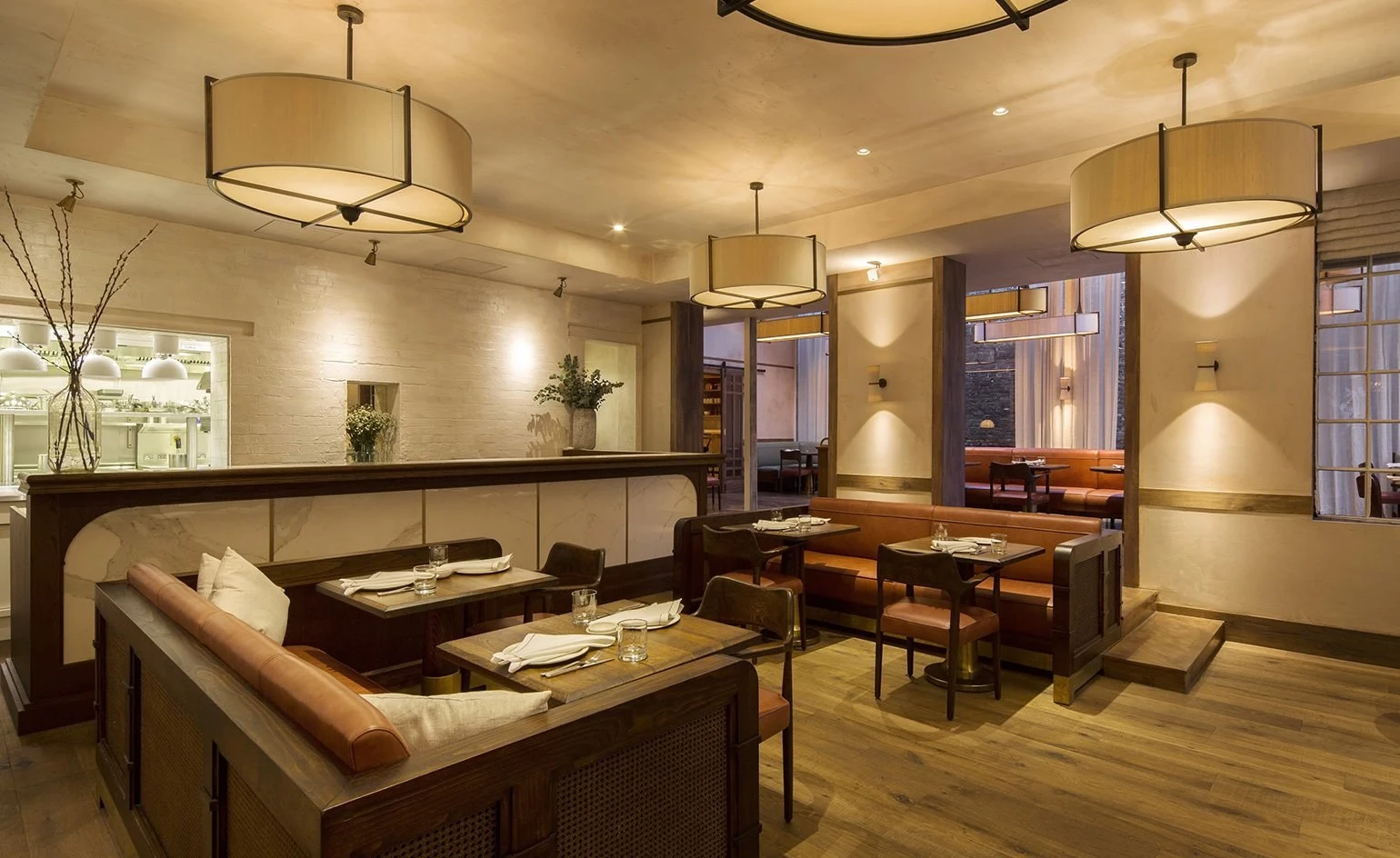
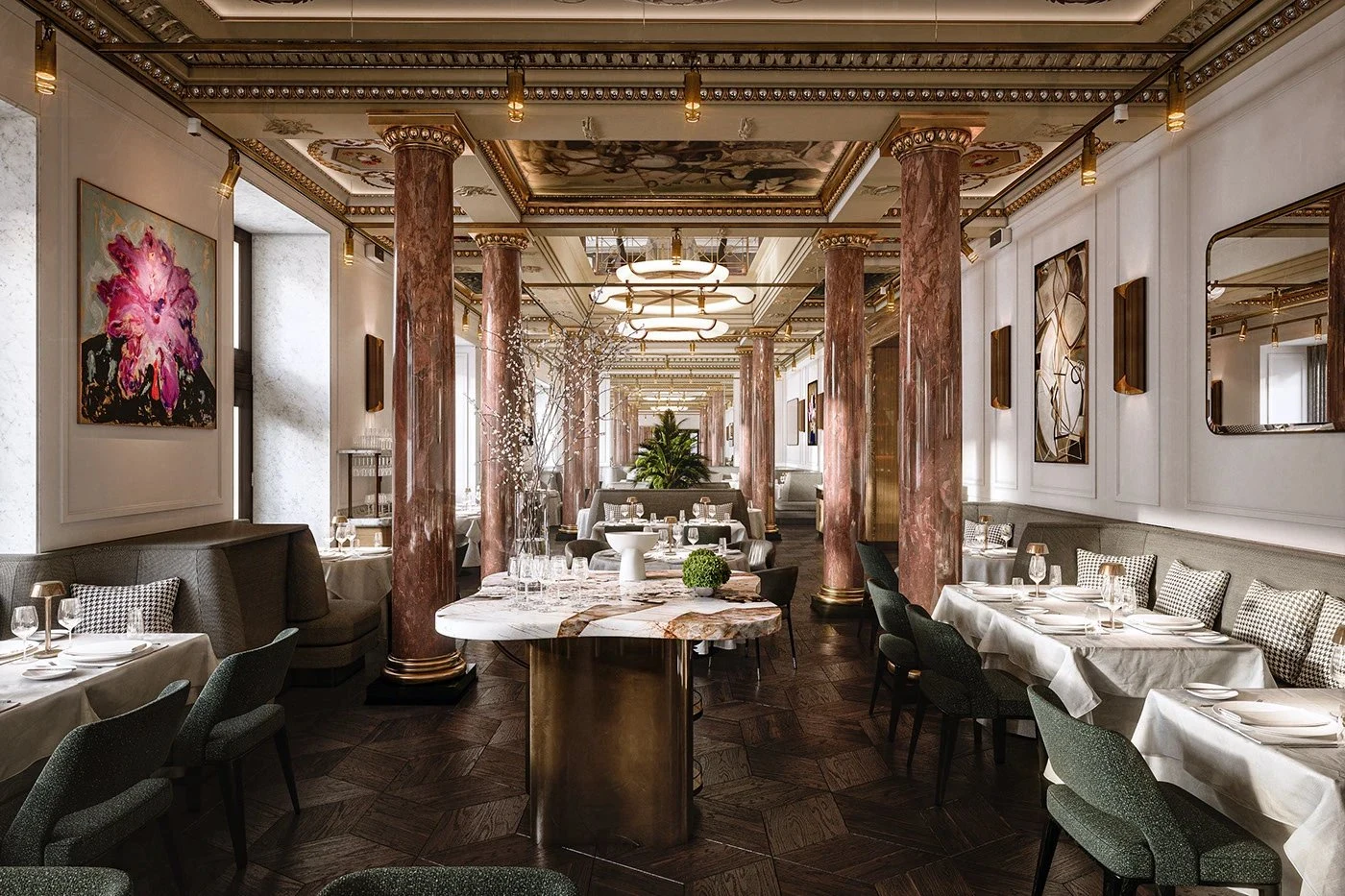
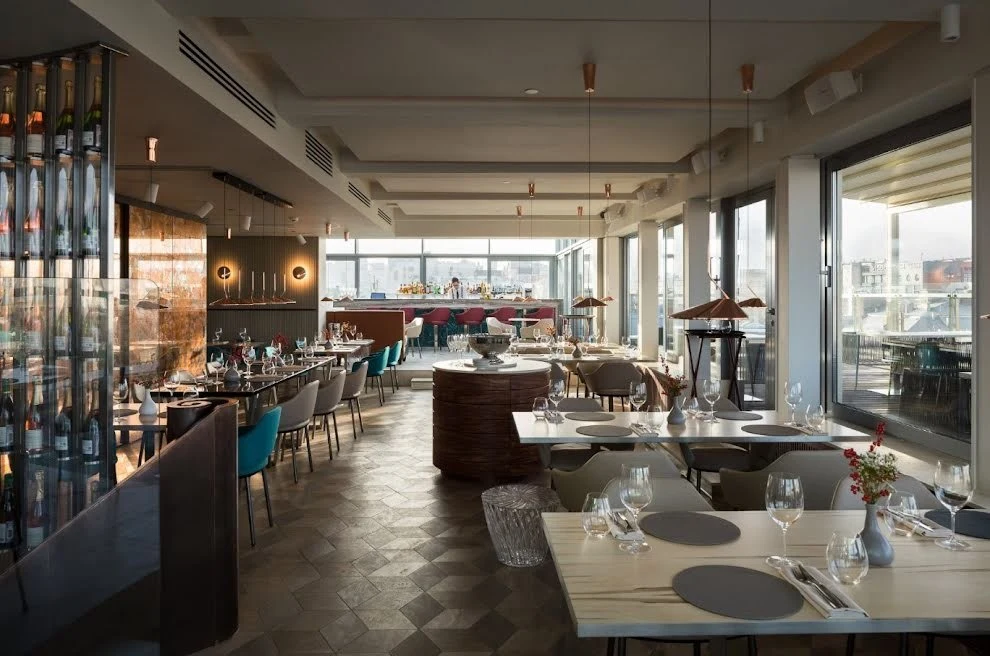
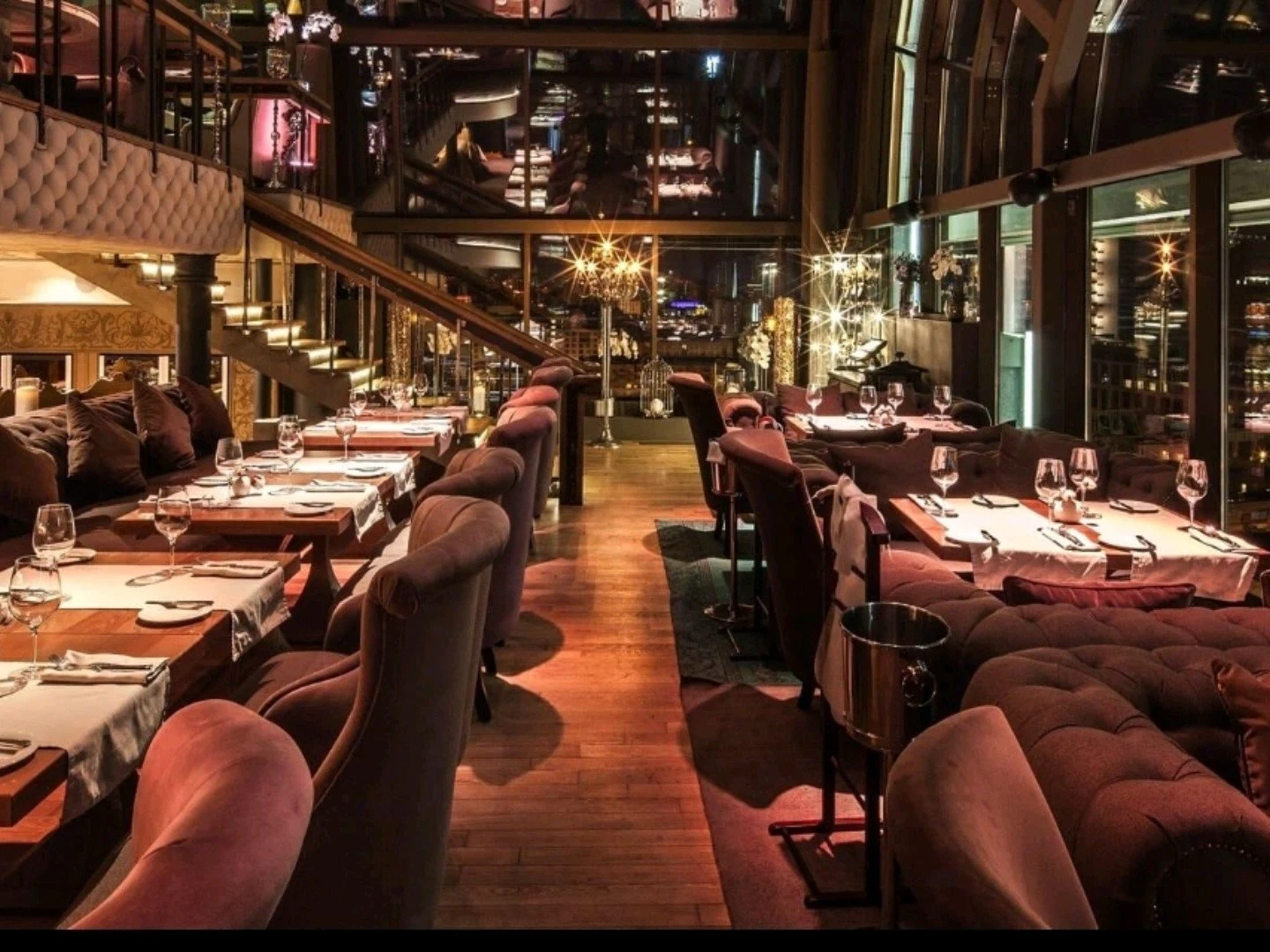
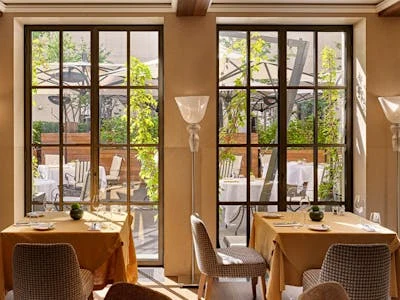
The room is intimate, elegant and modern without asking the food to become decorative. Service moves at an upscale casual rhythm, close enough for the pass to matter, quiet enough for the table to hold a conversation. The first-floor setting gives the restaurant the composure of a hotel dining room, but the street entrance keeps it connected to Moscow rather than sealed inside the house. Terrace access extends the room when the season allows, adding a second register to the same Italian program.
What gives the place its shape is the tension between hotel polish and bench-side cooking. The plates carry refined presentation, but the menu still depends on pasta, seafood, truffle, lemon, parmesan and the timing of a kitchen that has to make each dish work to order. The dish is the tagliatelle Bolognese with parmesan mousse.
Questions
Frequently asked
What kind of cooking does IL Ristorante do?
IL Ristorante serves a modern reading of classic Italian cooking, with a Sardinian accent. The menu stays rooted in Italian tradition and works as an à la carte programme.
What are the dishes the restaurant is known for?
Named dishes include tagliatelle Bolognese with parmesan mousse, sea bass with clams and lemon sauce, octopus Lucian style, and carpaccio with arugula, parmesan cream and black truffle.
Where is IL Ristorante located?
The restaurant is on the first floor of the Stella di Mosca Hotel in Moscow, with its own entrance from Bolshaya Nikitskaya Street in the Arbat neighbourhood.
What is the booking and dress code like?
Reservations are recommended, and the dress code is smart casual.
What sort of setting does the room have?
The room is described as intimate, elegant and modern. It has terrace access when the season allows, and valet parking is available.
The field
How it compares
| Place | Cuisine | Notes | Awards |
|---|---|---|---|
| IL Ristorante | Modern Italian | Arbat, $$$$ | · |
| Bestia | Modern Italian | Los Angeles | · |
| Luca | Modern Italian | London | Michelin 1 Star |
| Savva | Modern Russian Fine Dining | Moscow | · |
| Torrisi | Modern Italian | New York City | Michelin 1 Star, World's 50 Best |
| Twins Garden | Modern Russian Fine Dining | Moscow | World's 50 Best |
| White Rabbit | Modern Russian Fine Dining | Moscow | World's 50 Best |
Similar places
Modern Italian
Bestia
Los Angeles, United States
Modern Italian
Luca
London, United Kingdom
★
Modern Russian Fine Dining
Savva
Moscow, Russia
Modern Italian
Torrisi
New York City, United States
★ · 50 Best
Modern Russian Fine Dining
Twins Garden
Moscow, Russia
50 Best
Modern Russian Fine Dining
White Rabbit
Moscow, Russia
50 Best