Inniskillin sits at the northern edge of Niagara wine country, where continental winters shape one of Canada's most recognizable wine identities. Holder of a Pearl 2 Star Prestige rating in 2025, the estate has long anchored Niagara-on-the-Lake's case for serious cold-climate winemaking. For visitors to the region, it is a reference point for understanding what the Niagara Peninsula's extreme seasonality produces in the glass.
<h2>Where Winter Becomes the Winemaker</h2><p>There is a particular kind of attention that cold demands of a wine region. In the Niagara Peninsula, temperatures drop reliably below -10°C in January, the lake-effect winds strip the canopy bare, and the frost line sits close enough to the vineyard floor that viticulture here is never quite casual. These are not conditions a producer apologises for. They are, in the case of Niagara-on-the-Lake's most closely watched estates, the entire point. The terroir here is built around exposure, stress, and survival, and the wines that result carry those signatures in ways that warmer appellations simply cannot replicate.</p><p>Inniskillin, located at 1499 Line 3 in Niagara-on-the-Lake, sits within this climatic reality and has come to represent one of the clearest arguments for the Niagara Peninsula as a serious wine address. The estate holds a Pearl 2 Star Prestige rating for 2025, placing it in a tier of Canadian producers where the expectation is sustained quality across vintages rather than a single standout year. That kind of rating reflects consistency through exactly the kind of variable conditions the region presents every season.</p><h2>The Niagara Peninsula's Cold-Climate Case</h2><p>Canada's wine identity is not monolithic. <a href="https://www.enprimeurclub.com/wineries/mission-hill-family-estate-west-kelowna-winery">Mission Hill Family Estate in West Kelowna</a> operates in the Okanagan Valley, where continental heat and mountainside elevation create a very different temperature regime. The Niagara Peninsula competes in a separate register entirely: lower latitude, Lake Ontario moderating the absolute extremes, but with winters cold enough to freeze juice on the vine, which is precisely what icewine production requires.</p><p>Icewine is the production category that placed Canadian wine on international lists in the late twentieth century, and Niagara producers collectively built that reputation through the discipline of harvesting frozen grapes at temperatures below -8°C, pressing them slowly, and fermenting the resulting must into wines of extraordinary concentration. The technique is not a novelty. It demands precise timing, significant crop loss, and a cold-storage infrastructure most wine regions will never need. Inniskillin became one of the defining addresses for this style, earning recognition at a period when Canadian wine was still making its case to international critics.</p><p>That context matters when reading the 2025 Pearl 2 Star Prestige designation. The estate is being assessed within a comparable set that includes producers operating in comparable cold-climate conditions, where the markers of quality are structural precision, balance between residual sugar and acidity, and the kind of aromatic intensity that reflects genuinely stressed fruit.</p><h2>Terroir on Line 3: What the Land Delivers</h2><p>The address, Line 3, Niagara-on-the-Lake, positions the estate in the agricultural grid of what is one of the most intensely planted wine zones in Canada. The Niagara Peninsula appellation benefits from the moderating effect of both Lake Ontario to the north and the Niagara Escarpment to the south, which together create a microclimate buffer that extends the growing season beyond what the latitude would otherwise allow. The escarpment acts as a heat trap in summer and a cold deflector in winter, and estates positioned within its influence regularly achieve ripeness levels that would surprise producers in cooler zones without such topographic shelter.</p><p>On Line 3, the soils are a mix of clay-loam and sandy loam characteristic of the Lakeshore plain, with drainage patterns that push vines to work harder for water in drier periods. That stress contributes to the concentration visible in the region's better still wines: the Vidal and Riesling that anchor icewine production, as well as the Chardonnay, Pinot Noir, and Cabernet Franc that form the backbone of the table wine programme. The same terroir conditions that make icewine harvesting viable, extreme cold, reliable freeze, also shape the growing season for dry wines, adding a cut of acidity and a mineral character that is specific to this stretch of the peninsula.</p><h2>Where Inniskillin Sits in the Niagara Wine Scene</h2><p>Niagara-on-the-Lake has developed a wine trail that draws visitors from Toronto, a drive of roughly ninety minutes, and from the Niagara Falls tourist corridor, which sits within close reach along the river. The estates here span a wide range: large production facilities aimed at the tourist volume arriving from the falls, mid-sized operations with cellar door programmes, and a smaller group of prestige-tier producers whose output is allocation-driven and whose tasting rooms function less as retail floors and more as serious tasting environments. Inniskillin occupies a position toward the upper end of this range, with the 2025 Pearl 2 Star Prestige recognition providing an external benchmark against which to assess its comparable set.</p><p>For visitors building a Niagara itinerary, the estate sits alongside other considerations in the broader Ontario premium tier. The wine trail works well when approached over two or more days, allowing tasting room visits without the time pressure that a day trip from Toronto imposes.</p><p>Internationally, the cold-climate winemaking discipline Inniskillin represents has parallels in very different geographies. <a href="https://www.enprimeurclub.com/wineries/shadowfax-wines-victoria-winery">Shadowfax Wines in Victoria</a> and <a href="https://www.enprimeurclub.com/wineries/accendo-cellars">Accendo Cellars in St. Helena</a> operate in warmer, more predictable climates where terroir expression takes an entirely different form, and the contrast is instructive for understanding what cold-climate viticulture specifically demands of both producer and vine. Whisky enthusiasts who pair distillery visits with winery trips will find points of reference at <a href="https://www.enprimeurclub.com/wineries/black-velvet-distillery-lethbridge-winery">Black Velvet Distillery in Lethbridge</a>, <a href="https://www.enprimeurclub.com/wineries/alberta-distillers-calgary-winery">Alberta Distillers in Calgary</a>, and <a href="https://www.enprimeurclub.com/wineries/gimli-distillery-gimli-winery">Gimli Distillery in Gimli</a>, each of which operates within Canada's grain-spirit tradition as a counterpoint to the wine country circuit.</p><h2>Planning a Visit</h2><p> Niagara-on-the-Lake itself is a compact historic town, and the vineyard and winery properties in the area are clustered densely enough that a single day can cover multiple visits if the itinerary is planned in advance. Icewine harvest, when it occurs, takes place in December or January depending on when temperatures drop sufficiently; visiting during shoulder season in autumn gives access to harvest activity for the still wine programme, with less of the peak summer tourist volume that the Niagara corridor attracts.</p>
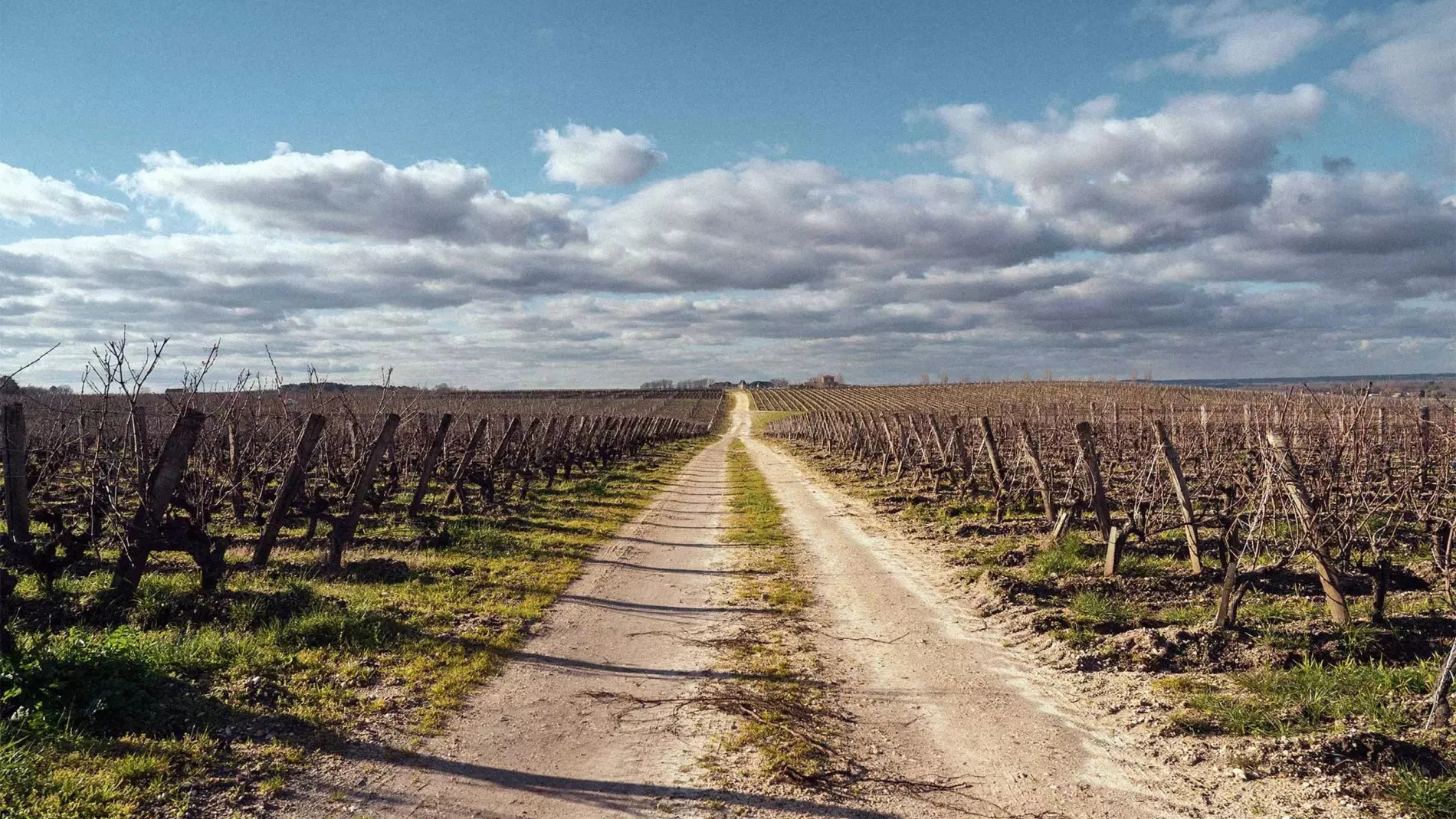
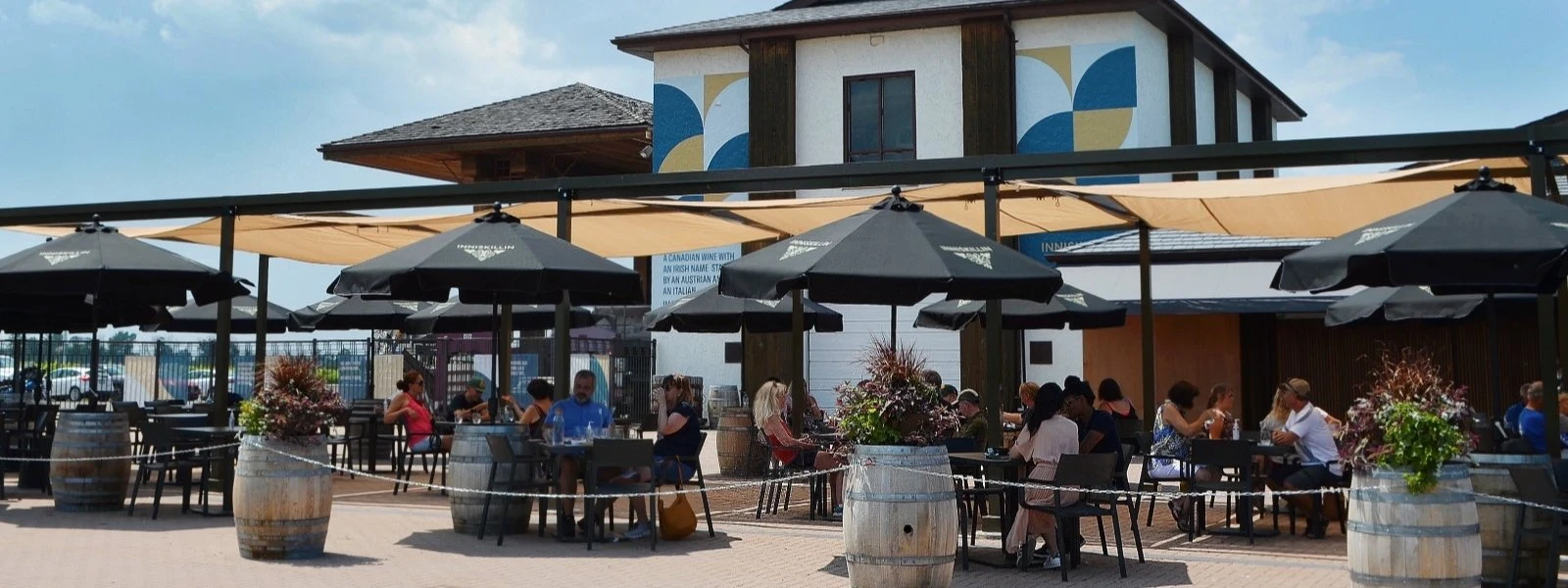
The estate on Line 3 in Niagara-on-the-Lake carries the unhurried quality of a working wine property set within one of Ontario's most intensely planted agricultural zones. Its 2025 Pearl 2 Star Prestige recognition signals a production focus rather than a hospitality spectacle — the draw is the wine and the land, not a resort atmosphere.
Inniskillin has received recognition including: Pearl 2 Star Prestige (2025).
Inniskillin built its international reputation on icewine, the style that put the Niagara Peninsula on the global wine map. The Peninsula's reliably sub-zero January temperatures are essential to the freeze-on-the-vine process that concentrates sugars in the grapes, and Inniskillin has been among the most prominent producers working in that tradition.
Inniskillin is located at 1499 Line 3, Niagara-on-the-Lake, ON L0S 1J0, Niagara Falls.
The estate's defining characteristic is its relationship to winter as a winemaking tool. While most wine regions treat frost as a hazard, Inniskillin's production model depends on it — icewine cannot exist without temperatures dropping below -10°C at the right moment. That constraint is what gives the wines their structural identity, and the Pearl 2 Star Prestige award in 2025 reflects the quality that discipline produces.
The estate at 1499 Line 3 is accessible by car and draws visitors from Toronto (roughly ninety minutes) and Niagara Falls, suggesting it is set up for visitor traffic.
1499 Line 3, Niagara-on-the-Lake, ON L0S 1J0
Niagara-on-the-Lake
Tito’s Handmade Vodka (Distillery)