Ipša
- 01CityLivade, Croatia
- Falstaff Winery - Listed · 2026
The approach to Ipša is the point: olive groves, rural quiet, and the hill-country geometry of inland Istria before the glass becomes the subject. Livade sits in truffle country, but the broader pleasure here is agricultural rather than urban, with wine and olive oil treated as part of the same estate language. For readers mapping the area more broadly, our full Livade wineries guide gives the clearest local frame, while our full Livade restaurants guide, our full Livade hotels guide, our full Livade bars guide, and our full Livade experiences guide help place the visit inside a fuller Istrian itinerary.
Olive groves, Motovun views, and a quieter Istrian register
Istrian wine tourism often divides between cellar-door polish and estate-ground intimacy. Ipša belongs to the latter camp: a family-run boutique winery and oil mill surrounded by olive groves below Oprtlj, with views toward Motovun. That setting matters because it keeps the tasting anchored in mixed agriculture rather than in wine as a stand-alone luxury product. The estate’s identity is tied to small-scale production, organic practice, and the pairing of natural wines with extra virgin olive oil, a combination that feels native to this part of Croatia rather than imported from a generic tasting-room script.
The wine focus spans white and red styles, with skin-contact wine also part of the frame. That matters in Istria, where extended-skin-contact whites can connect contemporary natural-wine interest with older Adriatic habits of texture, phenolics, and food compatibility. Without needing spectacle, the format points toward a regional logic: wines that make sense beside olive oil, local produce, and the slower tempo of inland villages.
A small estate format, not a high-volume cellar stop
The experience is built around tasting rather than a large hospitality complex. Capacity is small, the atmosphere is quiet, and the visit type is by reservation, which places Ipša closer to a rural appointment than a drop-in bar. The listed tour duration of 40 to 60 minutes also signals a compact format: enough time for context, estate orientation, and tasting, without turning the visit into a half-day production.
Opened in 1998, the estate sits in a generation of Croatian producers that helped make post-independence wine travel more legible to international visitors. Winemaker Kaludio Ipša gives the property a named craft lead, but the more useful editorial point is the format around him: family estate, boutique scale, organic philosophy, and a wine-oil pairing identity. In a region where terroir is often discussed through limestone, hills, and Adriatic influence, Ipša translates place through the farmstead rather than through cellar technology.
The mood is casual rather than ceremonial. It works for solo exploration, wine education, a group outing, or a special-occasion stop that does not require formal service cues. The estate is marked as good for groups, but not child-focused; it is also not dog-friendly. Outdoor seating is not part of the listed setup, so the rural setting should be read as estate atmosphere rather than a guaranteed terrace experience.
How to read Ipša within a Croatian wine route
Croatia’s wine map rewards regional contrast. Slavonia, Dalmatia, the islands, and Istria each pull wine tourism in different directions: cellar heritage, coastal reds, island whites, family agritourism, and increasingly natural or low-intervention styles. Ipša is useful because it expresses the Istrian side of that equation through wine and olive oil together, at a price level marked $$ rather than luxury-coded theatre.
Travellers building a wider Croatian wine route can use other producers as geographic reference points without treating them as direct substitutes. Inland and coastal options such as Adzic in Kutjevo, Ante Sladić Vino in Skradin, Arman Marijan Winery in Vizinada, Bakovic in Supetar, Baraka Winery in Sibenik, Bastian in Buje, Bastijana in Hvar, and Belje Podrumi in Darda show how varied the country’s cellar culture becomes once the itinerary moves beyond a single region.
For a broader European natural-wine or small-producer context, »der Steiner« Hans Steiner in Podersdorf am See and & Handwein in Mannheim offer useful contrasts in setting and market. Ipša’s appeal is quieter: a rural Istrian estate where the land reads through olive groves, compact tastings, and wines that sit comfortably beside oil rather than above it.
Questions
Frequently asked
How expensive is Ipša?
Ipša is listed at a price level of $$.
The field
How it compares
| Place | Notes | Awards |
|---|---|---|
| Ipša | Livade, $$ | · |
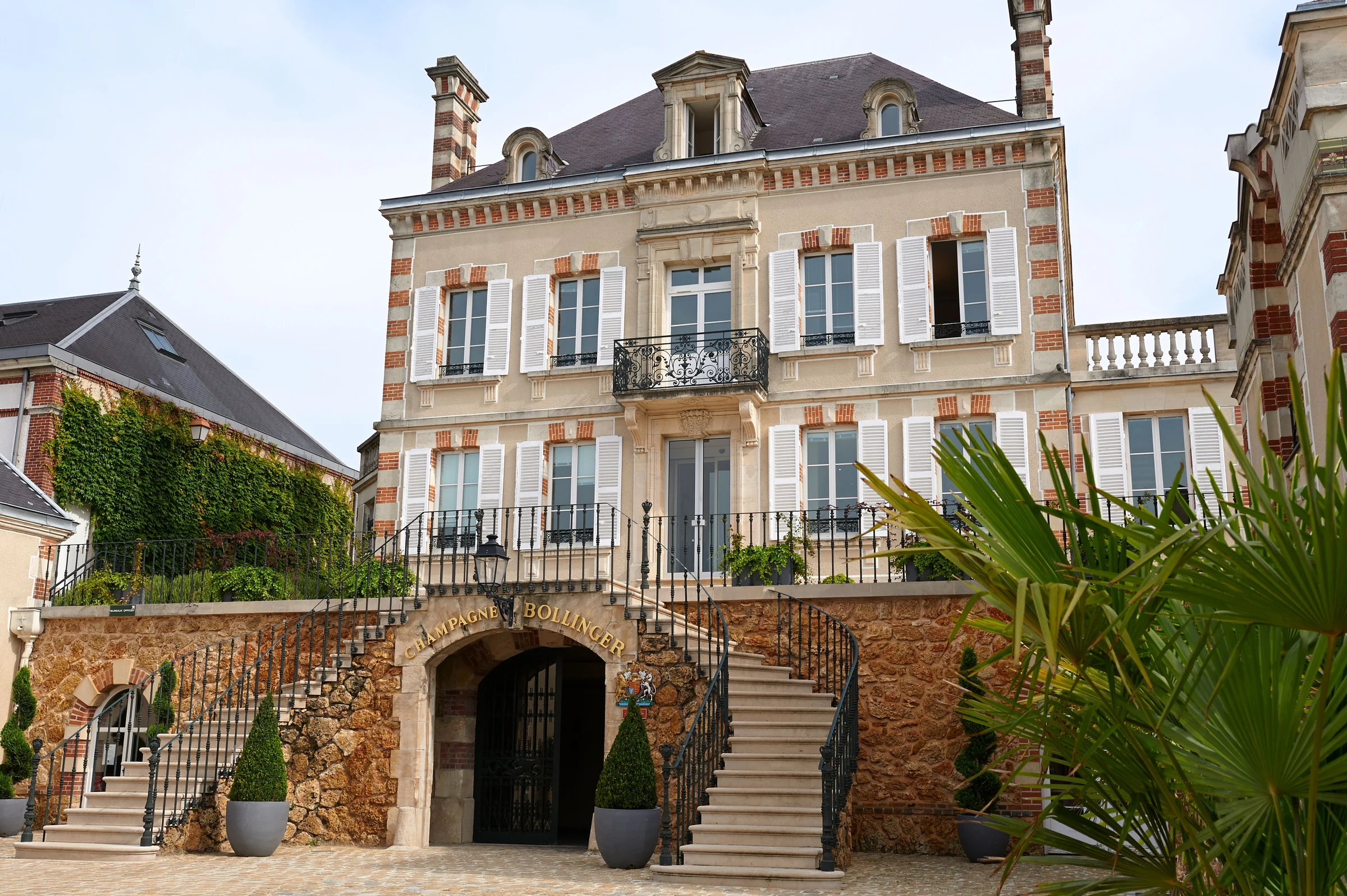
| Bollinger | Aÿ | World's 50 Best |
| Château Cos d'Estournel | Saint-Estèphe | World's 50 Best |
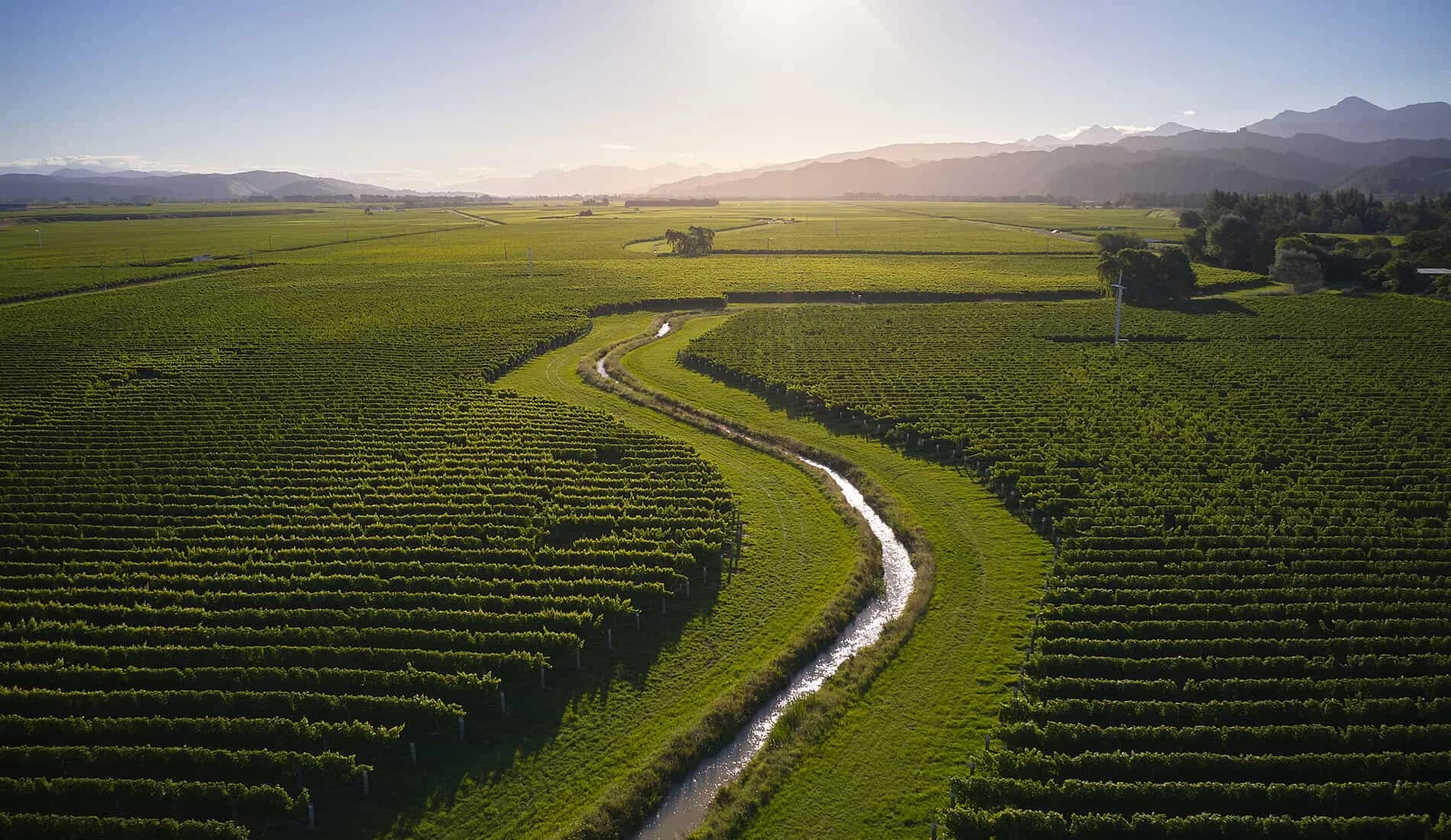
| Cloudy Bay Vineyards | Blenheim | World's 50 Best |
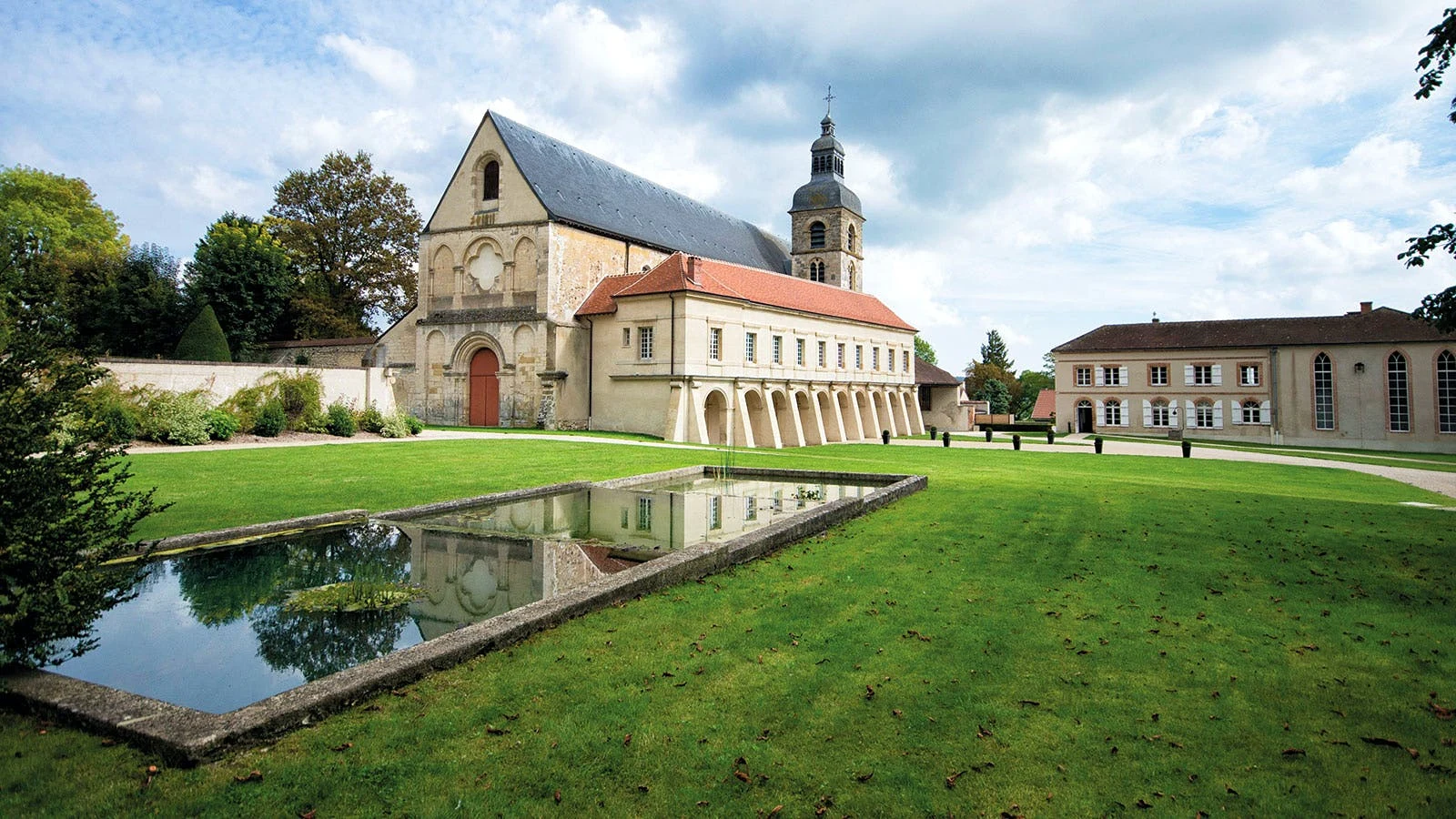
| Dom Pérignon | Hautvillers | · |
| Domaine du Clos de Tart | Morey-Saint-Denis | · |
| Familienweingut Tement | Ehrenhausen | World's 50 Best |