- Relais Chateaux Award · 2026
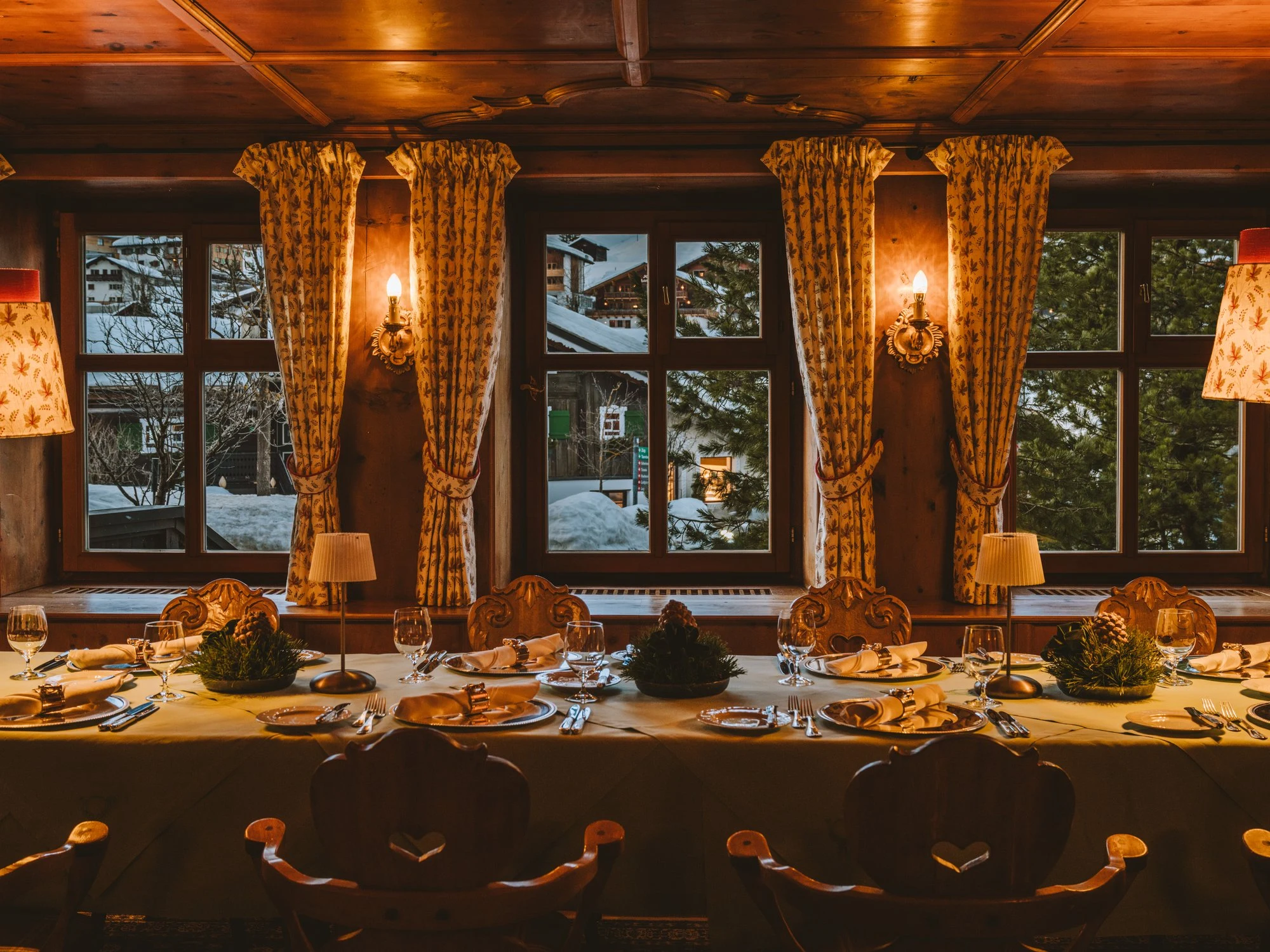
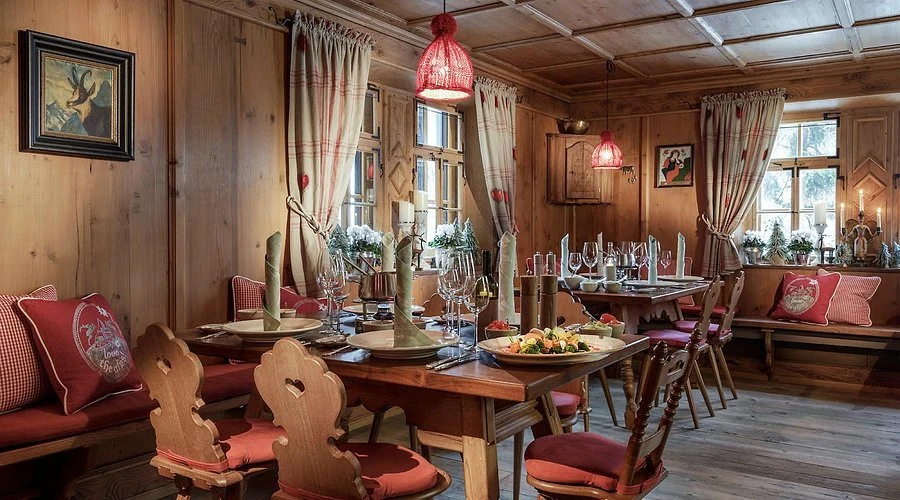
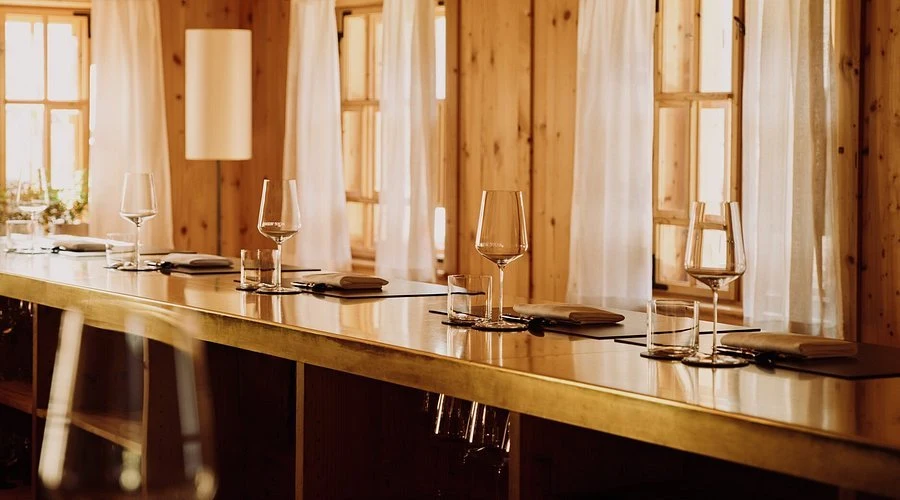
The room reads alpine before the menu does: timber warmth, mountain-village enclosure, and polish that keeps it from folkloric theatre. In Lech am Arlberg, that balance matters. The resort has long wanted comfort cooking after ski hours, while its sharper restaurants now work between hut tradition and contemporary technique. Jägerstube Restaurant sits in that middle ground: the cues of an Austrian stube remain visible, but the kitchen moves beyond the expected run of schnitzel, dumplings, and strudel.
Lech’s dining culture is literally seasonal. Winter brings a high-spend international crowd expecting precision, warmth, and pace after the mountain; summer shifts toward hikers, longer daylight, and a quieter reading of regional produce. Creative cooking here must do more than decorate familiar dishes. It must respect why guests come to the Arlberg: cold air, dairy richness, preserved flavours, game, roots, herbs, and a kitchen vocabulary built for altitude.
Alpine tradition, treated as material rather than costume
The useful reading is not rejection of Austrian cooking, but a controlled edit. The stated frame is traditional Austrian recipes, regional and seasonal products, modern technique, and creative ideas from outside the region. That places the kitchen in a broader European pattern: mountain restaurants using local ingredients as foundation and borrowing precision from contemporary fine dining. The risk is over-design, especially when a rustic room meets an ambitious plate. Here, the promise is restraint: the stube gives cultural anchor, while creative cooking signals that the kitchen is not bound to museum-piece regionalism.
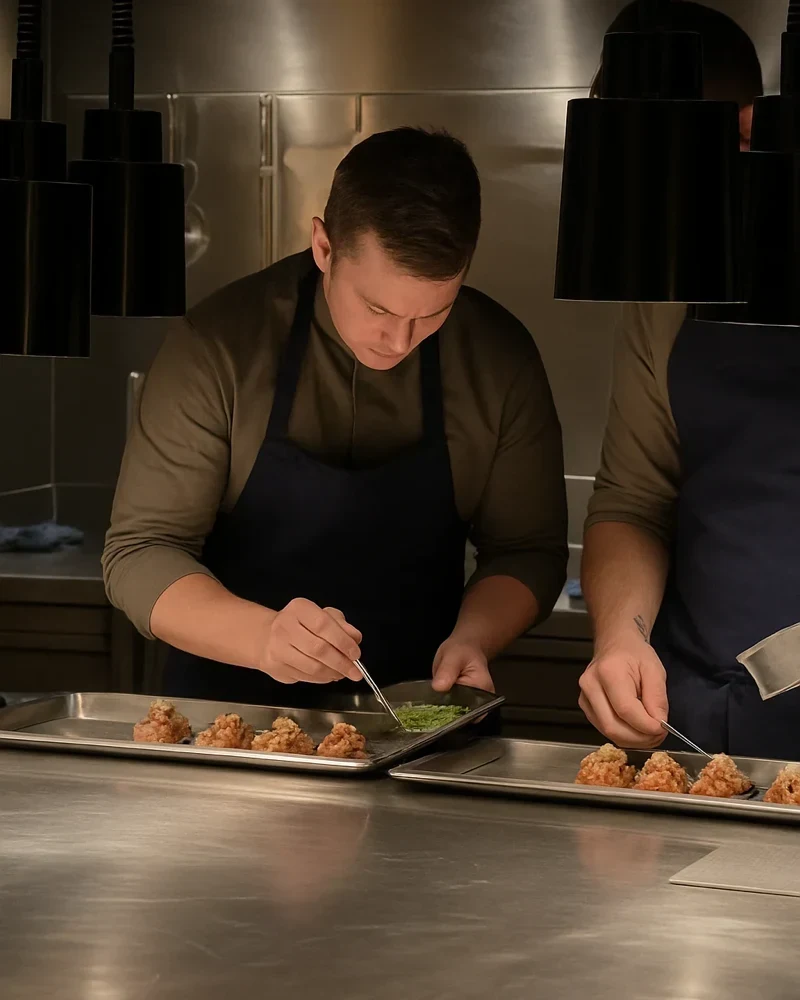
Chef Michael Volcanjsek is the key credential, though the biography matters less than the cooking’s direction. In resort towns, chef-led dining often splits between kitchens reproducing local classics for volume and kitchens using destination ingredients for a broader dining audience. This address sits in the latter camp. The point is not novelty, but reworking Austrian recipes through technique, proportion, and outside influence while staying legible to guests who came to Lech for an alpine table, not an abstract tasting exercise.
That distinguishes it from Lech’s more explicitly traditional addresses. Das Wirtshaus reads through Austrian inn culture, while Panorama Restaurant Postblick (Cooking classics) signals classicism in the name. Hotel Almhof Schneider 5*S occupies the luxury-hotel end of the conversation, and Rote Wand Chef's Table points to a more staged counter-format interpretation of the region. Jägerstube Restaurant is more intimate in tone: a creative alpine restaurant rather than a grand hotel dining room or chef’s-table performance.
Where Lech's resort polish meets a more modern Austrian kitchen
Lech am Arlberg is not a city dining market, and judging it as one misses the point. Its competitive set is shaped by mountain logistics, hotel dining rooms, après-ski timing, and the expectation that restaurants function within a larger stay. Warmth is therefore not decorative; it is part of the value proposition. A rustic-refined atmosphere lets the kitchen modernise without losing the sense of place many resort restaurants spend heavily trying to manufacture.
The creative-cooking category tells diners how to calibrate expectations. This is neither a pure regional tavern nor a luxury tasting room stripped of locality. It sits closer to the European resort mode in which local products provide structure and international technique supplies movement. The Arlberg has that audience: guests who may eat traditionally one night, then want a more composed reading of the same mountain pantry the next.
For wider Austrian itineraries, the useful comparison is category rather than geography. Creative cooking appears in many registers, from 's Paul Restaurant in Traunkirchen and [aend] in Vienna to 1er Beisl im Lexenhof in Nußdorf am Attersee, 1st Lobster in Kitzbühel, 2Stein in Krems, and 7burger in Salzburg. The label can cover ambitious fine dining, relaxed regional revision, and internationally inflected menus, so setting becomes the filter. In Lech, creative cooking is judged by how well it absorbs the mountain context.
That is why imported comparisons only go so far. Out-of-metro creative-cooking peers such as Roller Stube, La Filiale - L'evoluzione della pizza, Restaurant Gastronomique l'Ours, LPV Ristorante, and Buddha-Bar Beach by Buddha-Bar TM share a broad category, but not the same resort grammar. A creative kitchen in Lech must speak to snow, wood, regional produce, and post-slope appetite. A beach club, pizza evolution restaurant, or formal gastronomic room answers a different brief.
How to place it in a Lech dining plan
This is strongest for dinner when the table wants Austrian reference points with more technique than a straight tavern meal. It is less suited to diners seeking a purely classical checklist of regional dishes, and better for those interested in how an alpine kitchen can update inherited recipes without cutting the cord to place. The atmosphere supports that reading: warm enough for a resort evening, polished enough for a considered meal.
Within a Lech stay, vary formats rather than chase the same version of mountain cooking each night. Use our full Lech am Arlberg restaurants guide to build that spread, then read across our full Lech am Arlberg hotels guide, our full Lech am Arlberg bars guide, our full Lech am Arlberg wineries guide, and our full Lech am Arlberg experiences guide for the rest of the trip architecture. For a wider creative-cooking lens outside Austria, A-Bay Beach Bar, Creative cooking in Stari Grad and Ars Vivendi, Creative cooking in Bad Laasphe show how elastic the category becomes once the setting changes.
The editorial case is clear: Jägerstube Restaurant is for diners who want Lech’s alpine atmosphere treated seriously, not used as decoration. Austrian recipes, regional seasonality, and modern technique give the meal a defined point of view, while the room keeps it rooted in the resort’s social rhythm.
The Sunday letter
Get new places like Jägerstube Restaurant every Sunday.
One email a week with the restaurants, bars and hotels we have just written up, and the people who run them.
One email a week. Unsubscribe from any issue.
Questions
Frequently asked
Who works at Jägerstube Restaurant?
Made By profiles Michael Volcanjsek (Chef) at Jägerstube Restaurant.
How expensive is Jägerstube Restaurant?
Jägerstube Restaurant is listed at a price level of $$$$.
The field
How it compares
| Place | Notes | Awards | Cuisine |
|---|---|---|---|
| Jägerstube Restaurant | $$$$ | · | · |
| Griggeler Stuba | Lech am Arlberg | Michelin 2 Stars | Modern Alpine Cuisine with Japanese Influences |
| Lasarte | Barcelona | Michelin 3 Stars | Modern Basque-Mediterranean Fine Dining |
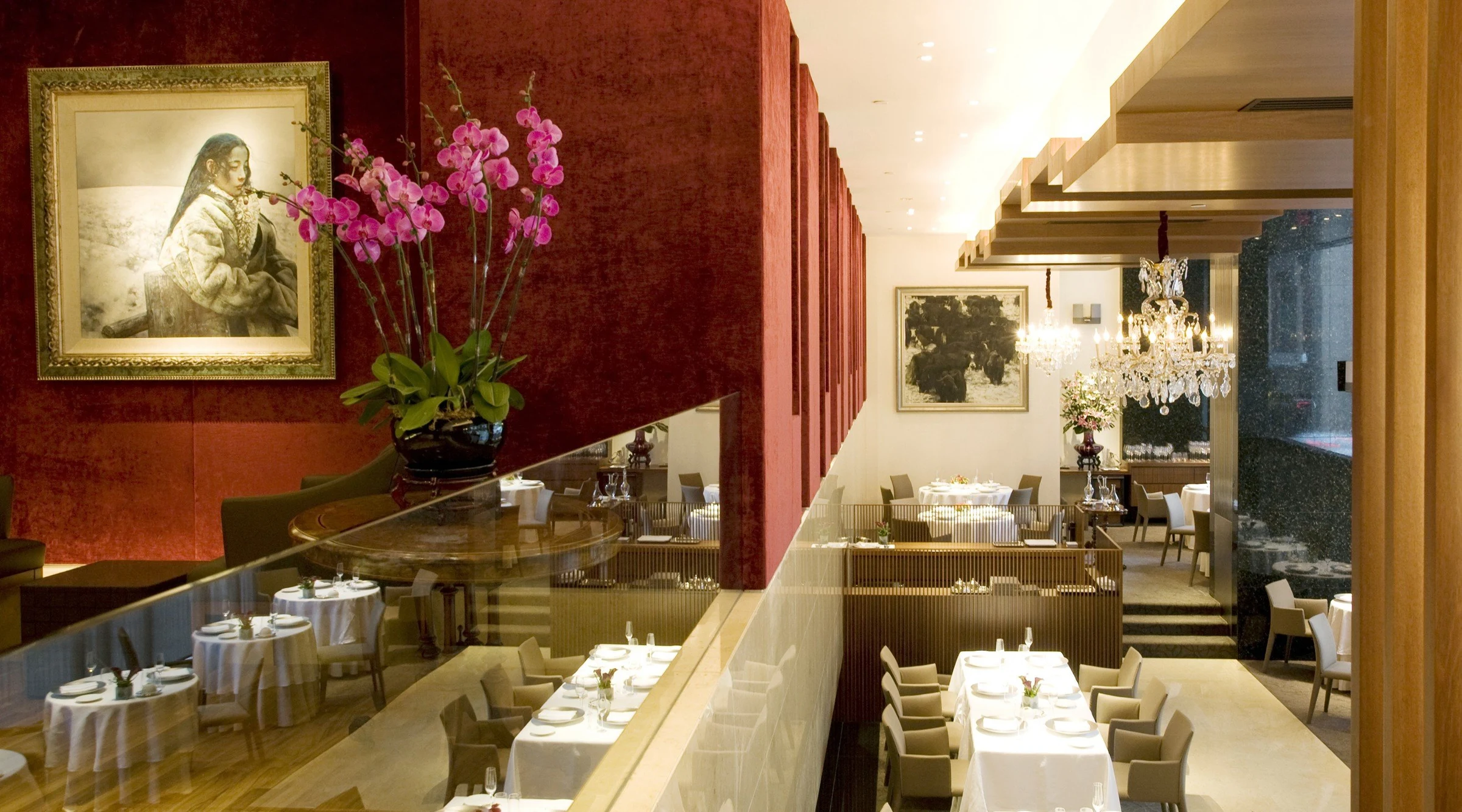
| Les Amis | Singapore | Michelin 3 Stars, World's 50 Best | Classic French Haute Cuisine |
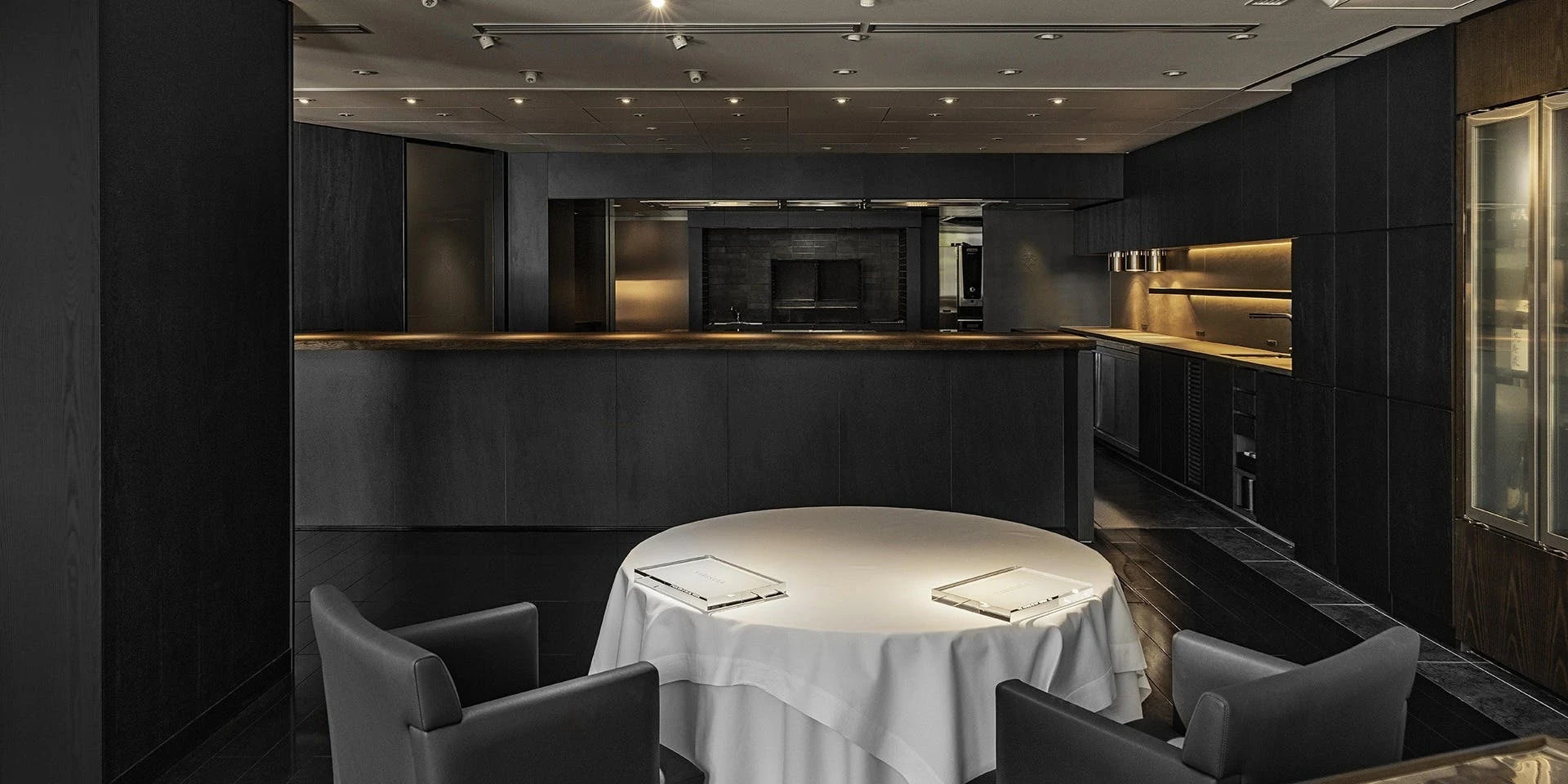
| Narisawa | Tokyo | Michelin 2 Stars, World's 50 Best | Modern Japanese Satoyama Fine Dining |
| Rote Wand Chef's Table | Lech am Arlberg | Michelin 2 Stars | Modern Alpine Fine Dining |
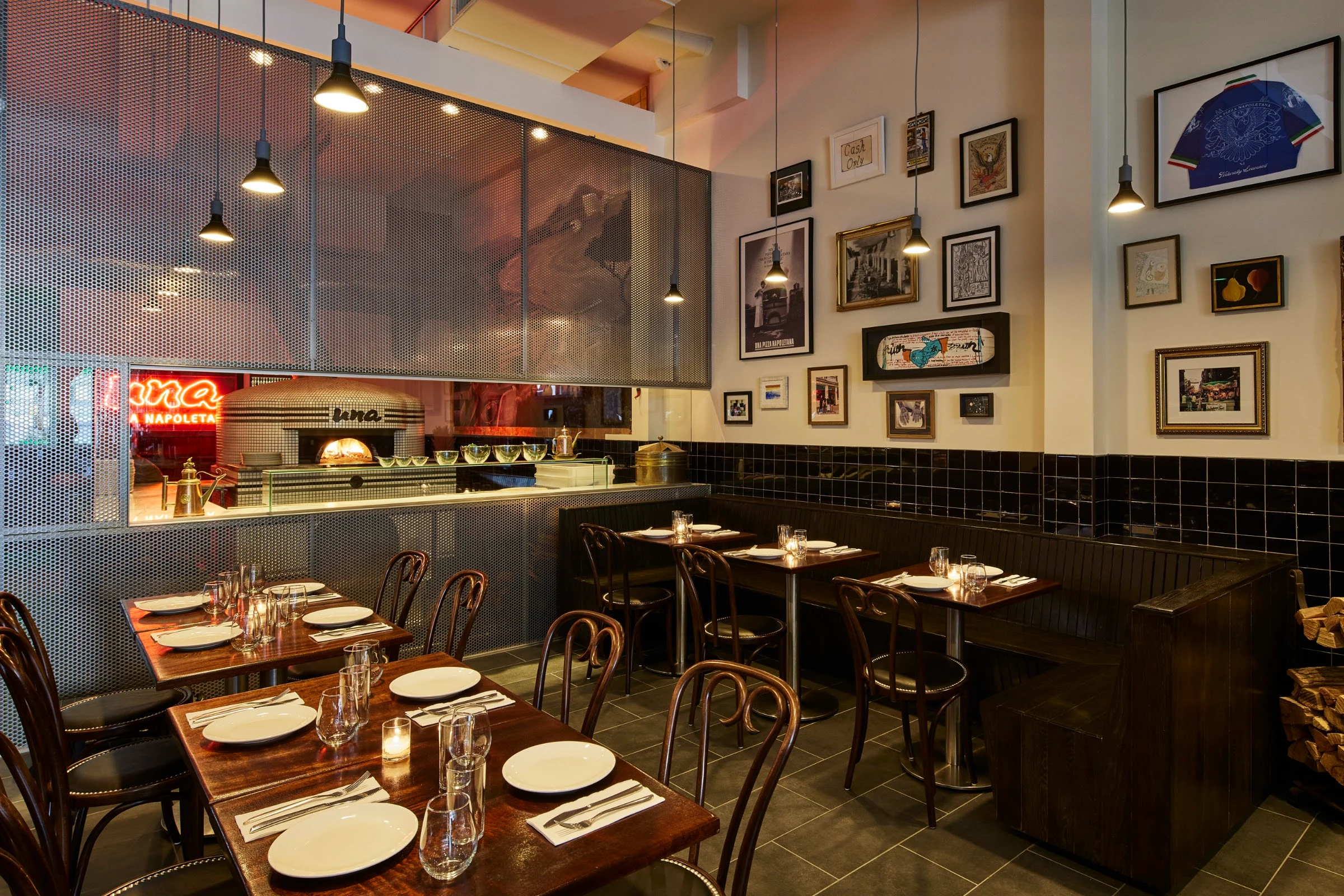
| Una Pizza Napoletana | New York City | · | Neapolitan Pizza |
In residence
Similar places
Modern Alpine Cuisine with Japanese Influences
Griggeler Stuba
Lech am Arlberg, Austria
★★
Modern Basque-Mediterranean Fine Dining
Lasarte
Barcelona, Spain
★★★
Classic French Haute Cuisine
Les Amis
Singapore, Singapore
★★★ · 50 Best
Modern Japanese Satoyama Fine Dining
Narisawa
Tokyo, Japan
★★ · 50 Best
Modern Alpine Fine Dining
Rote Wand Chef's Table
Lech am Arlberg, Austria
★★
Neapolitan Pizza
Una Pizza Napoletana
New York City, United States
The Sunday letter
Get the next Made By story in your inbox.
We send one email every Sunday morning with the places and people we covered that week.
One email a week. Unsubscribe from any issue.