Jean Edwards Cellars sits on Atlas Peak Road in the refined eastern reaches of Napa Valley, earning a Pearl 2 Star Prestige designation from EP Club in 2025. The address places it among a concentrated group of high-altitude producers whose growing conditions differ markedly from the valley floor. For visitors seeking a tasting experience grounded in the distinct character of Atlas Peak terroir, it occupies a specific and considered position.
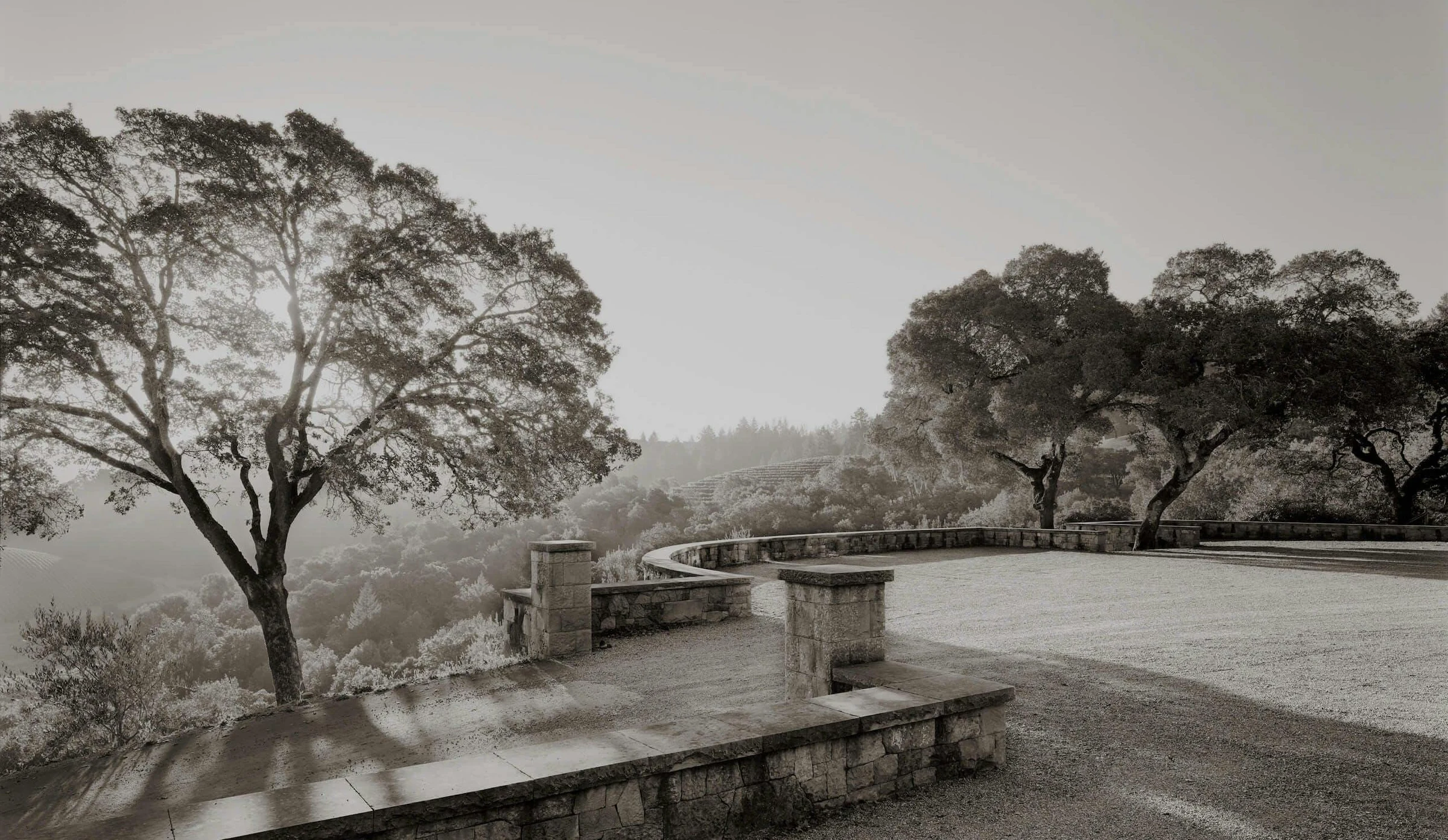
<h2>The Atlas Peak Setting: What Elevation Does to a Tasting</h2><p>Arriving at Atlas Peak is not the same as arriving in Napa. The valley floor, with its dense corridor of tasting rooms and hotel-adjacent hospitality, gives way somewhere above the 1,000-foot contour line to quieter roads, cooler air, and a noticeably different pace. Jean Edwards Cellars sits along this upper ridge at 1021 Atlas Peak Road, an address that already tells you something before you open a bottle. The producers operating at this elevation, including <a href="https://www.enprimeurclub.com/wineries/antica-napa-valley-atlas-peak-napa-winery">Antica Napa Valley</a>, <a href="https://www.enprimeurclub.com/wineries/hesperian-wines-atlas-peak-napa-winery">Hesperian Wines</a>, <a href="https://www.enprimeurclub.com/wineries/levendi-winery-atlas-peak-napa-winery">Levendi Winery</a>, <a href="https://www.enprimeurclub.com/wineries/seven-apart-atlas-peak-napa-winery">Seven Apart</a>, and <a href="https://www.enprimeurclub.com/wineries/sommras-atlas-peak-napa-winery">Sommras</a>, share growing conditions that set them apart from the Rutherford Bench or the Oakville corridor. Volcanic soils, higher diurnal temperature swings, and afternoon fog pooling in the valley below all shape what ends up in the glass.</p><p>That physical context matters when thinking about how a tasting visit here is structured. At Atlas Peak, you are not choosing between dozens of tasting options on a single block. The peer group is smaller and the visits tend to be more deliberate. Jean Edwards Cellars earned a Pearl 2 Star Prestige recognition from EP Club in 2025.</p><h2>What a Tasting at This Altitude Actually Involves</h2><p>High-elevation Napa wineries generally operate differently from their valley-floor counterparts. The format leans quieter and more appointment-oriented, with tasting rooms designed for smaller groups rather than walk-in volume. The trade-off for that reduced accessibility is direct access to a production team and a setting that most visitors to Napa, focused on the main corridor between Yountville and St. Helena, never reach.</p><p>The reservation policy is recommended, and the winery is open Mon: 12 AM-4 PM; Tue: 12-4 PM; Wed: 12-4 PM; Thu: 12-4 PM; Fri: 12-4 PM; Sat: 11 AM-5 PM; Sun: 11 AM-5 PM. The address on Atlas Peak Road is approximately a 15-to-20-minute drive from central Napa, depending on traffic at the valley floor, which means timing your visit within a broader Atlas Peak itinerary makes more logistical sense than treating it as a standalone detour.</p><p>For context on how the region's tasting culture compares to the rest of California wine country, the experience sits meaningfully apart from, say, <a href="https://www.enprimeurclub.com/wineries/alpha-omega-winery-rutherford-winery">Alpha Omega Winery in Rutherford</a> or <a href="https://www.enprimeurclub.com/wineries/alexander-valley-vineyards-geyserville-winery">Alexander Valley Vineyards in Geyserville</a>, where higher-volume hospitality programs and walk-in traffic define the visitor model. Atlas Peak's smaller producer count means each tasting carries more weight.</p><h2>The EP Club Recognition: What Pearl 2 Star Prestige Signals</h2><p>EP Club's Pearl 2 Star Prestige designation in 2025 places Jean Edwards Cellars in a category that reflects consistent quality and a defined sense of place. Within the Atlas Peak appellation, that credential is meaningful context. The appellation itself only received formal AVA recognition in 1992, making it one of the younger mountain designations in Napa, and the producer count remains comparatively low. In that environment, a prestige-tier recognition functions as a signal of serious production rather than a participation marker.</p><p>Across California wine country more broadly, the 2025 vintage cycle has drawn renewed attention to mountain appellations, partly in response to valley-floor pricing compression and partly because a segment of the collector market has shifted toward elevation-driven wines with higher natural acidity and more textured tannin structures. The volcanic soils of Atlas Peak, shared with Stags Leap District to the south and distinct from the alluvial benchland of central Napa, tend to produce wines that read differently from the dominant Oakville-Rutherford style that defines the public image of Napa Cabernet.</p><p>That positioning is relevant whether you are visiting as a first-time Napa traveller or as someone who has worked through the valley's flagship addresses and is looking for a different reference point. For comparison, producers operating in related California mountain contexts, such as <a href="https://www.enprimeurclub.com/wineries/adelaida-vineyards">Adelaida Vineyards in Paso Robles</a> or <a href="https://www.enprimeurclub.com/wineries/alban-vineyards">Alban Vineyards in Arroyo Grande</a>, illustrate how elevation and volcanic soil signatures create stylistic counterpoints to the warmer, lower-altitude expressions that dominate each region's commercial centre.</p><h2>Placing Jean Edwards Cellars in the Atlas Peak comparable set</h2><p>The Atlas Peak sub-appellation operates as a relatively self-contained tasting circuit. The handful of producers along the ridge represent different approaches to the same raw material: high elevation, volcanic substrate, a growing season compressed by cooler temperatures. Within that set, Jean Edwards Cellars occupies a position that the EP Club's 2025 rating suggests is toward the upper end of quality recognition for the appellation.</p><p>Visitors planning a focused Atlas Peak day should think in terms of two or three appointments rather than a longer list. The drive times between properties are not significant, but the format of each experience, typically more involved than a valley-floor tasting, means the day fills quickly. Anchoring the itinerary around the EP Club-recognised producers in the appellation, and working outward from there based on the stylistic profile you are looking for, gives the visit more structure than working from proximity alone.</p><p></p><h2>Wider California Wine Context</h2><p>Mountain Napa is part of a broader pattern in California wine where elevation has become an increasingly deliberate choice rather than a legacy of historical land access. Producers in locations such as <a href="https://www.enprimeurclub.com/wineries/accendo-cellars">Accendo Cellars in St. Helena</a> operate from Howell Mountain or Spring Mountain sites that follow a similar logic: restrict yields through thin soils and temperature stress, develop concentration through slower ripening, and produce wines that carry a mountain signature regardless of varietal composition. The same argument applies in Oregon's Chehalem Mountains, where <a href="https://www.enprimeurclub.com/wineries/adelsheim-vineyard-newberg-winery">Adelsheim Vineyard in Newberg</a> has built its reputation on elevation-sensitive Pinot Noir.</p><p>Jean Edwards Cellars, sitting on Atlas Peak Road with a 2025 EP Club prestige-tier rating, represents that mountain-focused approach within one of Napa's least commercially crowded sub-appellations. Visitors should plan ahead because reservations are recommended.</p><p><a href="https://www.enprimeurclub.com/wineries/andrew-murray-vineyards">Andrew Murray Vineyards in Los Olivos</a> and international benchmarks including <a href="https://www.enprimeurclub.com/wineries/aberlour-aberlour-winery">Aberlour in Aberlour</a> and <a href="https://www.enprimeurclub.com/wineries/achaia-clauss-patras-winery">Achaia Clauss in Patras</a>, which illustrate how place-specific production sits within a global context of terroir-driven winemaking.</p><h2>Planning Your Visit</h2><p>Jean Edwards Cellars is located at 1021 Atlas Peak Road, Suite B, Napa, CA 94558. The winery is open Mon: 12 AM-4 PM; Tue: 12-4 PM; Wed: 12-4 PM; Thu: 12-4 PM; Fri: 12-4 PM; Sat: 11 AM-5 PM; Sun: 11 AM-5 PM, and reservations are recommended. The drive from central Napa takes roughly 15 to 20 minutes; from St. Helena or Calistoga, add travel time through the valley floor before climbing the ridge. The EP Club Pearl 2 Star Prestige rating for 2025 confirms its place in the upper tier of Atlas Peak producers worth including on a serious regional itinerary.</p>
Jean Edwards Cellars is located at 1021 Atlas Peak Rd B, Napa, CA 94558, Atlas Peak (Napa).
Jean Edwards Cellars has received recognition including: Pearl 2 Star Prestige (2025).
Atlas Peak's volcanic soils and elevation above 1,200 feet consistently produce structured red wines with firm tannin profiles, and that regional character is the logical starting point for any tasting here. Jean Edwards Cellars holds an EP Club Pearl 2 Star Prestige rating for 2025, placing it among Atlas Peak producers recognised for defined quality and a clear sense of place. Confirm current pour options directly with the winery before your visit, as appointment-format estates at this elevation frequently adjust offerings by season.
EP Club's 2025 Pearl 2 Star Prestige designation positions Jean Edwards Cellars at the prestige tier within the Atlas Peak appellation, a sub-AVA where fewer than a dozen producers operate at ridge elevation. The winery's location at 1021 Atlas Peak Road places it squarely in the part of Napa where volcanic soils and diurnal temperature swings do the most to distinguish wines from valley-floor production. That combination of appellation specificity and recognised quality rating is the clearest credential the estate carries.
1021 Atlas Peak Rd B, Napa, CA 94558
Atlas Peak