- Falstaff Winery - Listed · 2026
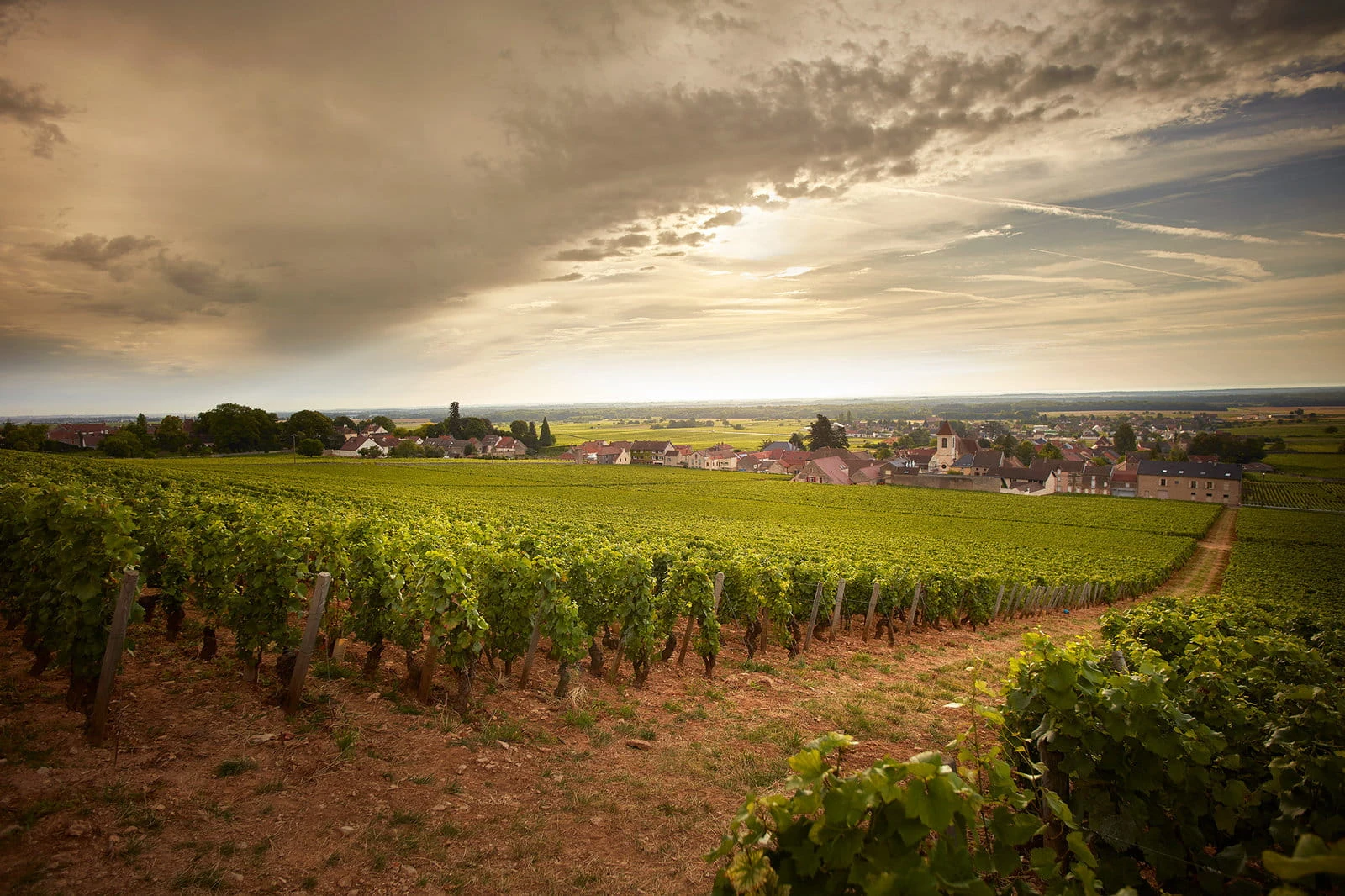
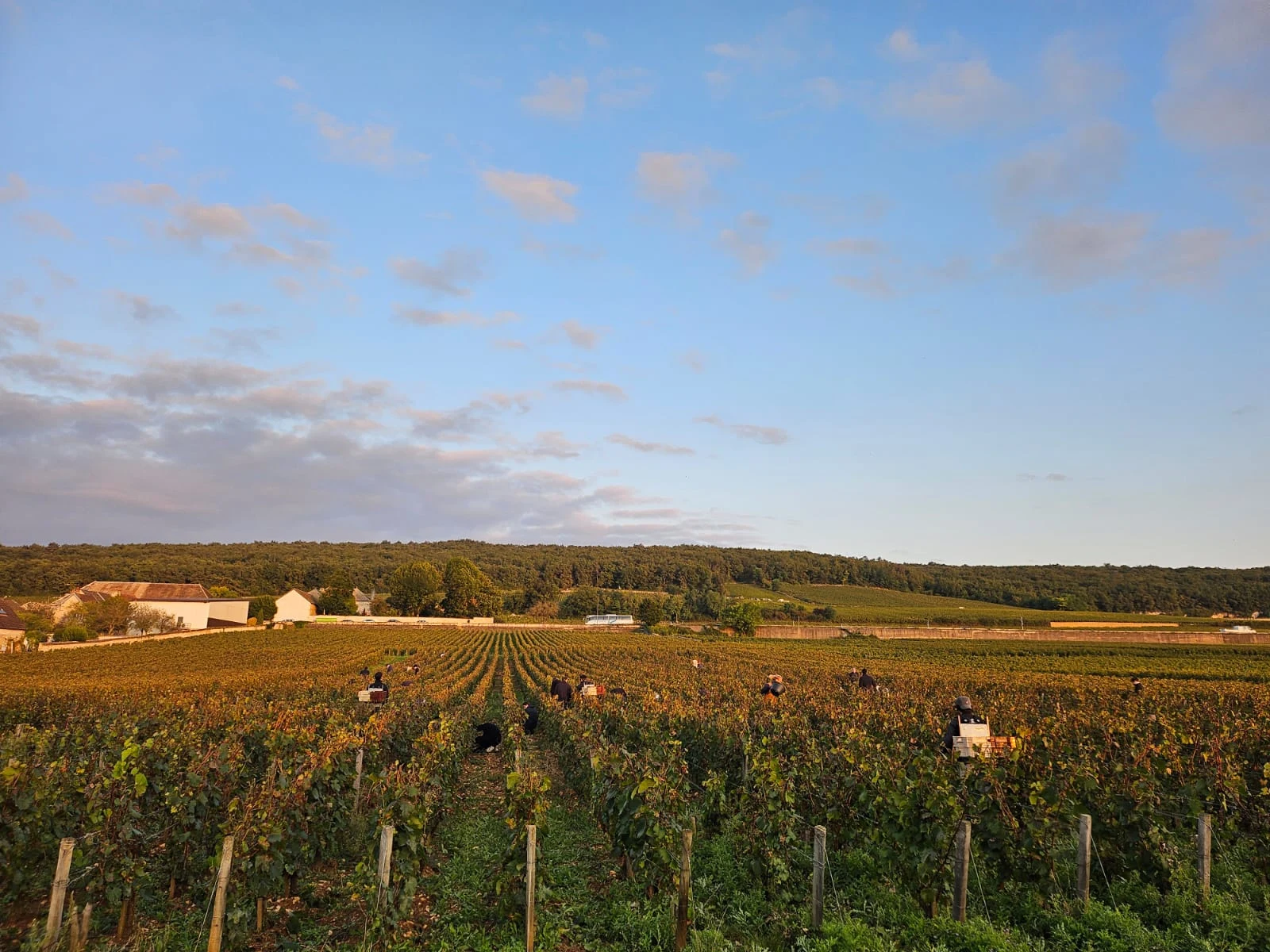
The approach to Julien Sunier in Avenas changes the frame for a visit. The setting is remote and high-altitude, with a working farm atmosphere rather than a polished tourist facility. That context matters: before any discussion of hospitality or tasting expectations, the place reads first as a rural Beaujolais domaine shaped by its landscape. The emphasis is quiet, agricultural and focused on wine, with a rustic yet precise character that reflects organic, small-scale, natural winemaking.
Because the public details are limited, the most reliable way to understand Julien Sunier is through its setting and tone rather than through unconfirmed claims about specific cuvées, visitor formats, production figures or services. In other words, the available picture is not one of a fully described visitor attraction with a long list of amenities. What is clear is the atmosphere: a handcrafted, artisanal cellar in a rural Beaujolais context, built around purity and small-scale work rather than spectacle. That makes the venue feel more about attention, restraint and place than about display.
Altitude, craft and the seriousness of a small Beaujolais cellar
Julien Sunier’s strongest identity is environmental and stylistic. It is rooted in a remote, high-altitude Beaujolais farm setting in Avenas, where the cellar feels artisanal and focused. The mood is not glossy or resort-like; it is rustic, concentrated and connected to organic, natural winemaking. This is the kind of setting where the surrounding agricultural character is not decorative background but part of how the place is understood.
That makes the venue best understood as a producer-focused place rather than a broad visitor complex. Specific production methods, parcel details, varieties, yields, cellar measurements and bottling practices should not be assumed unless confirmed directly by the domaine. The grounded takeaway is simpler: Julien Sunier presents a handcrafted cellar atmosphere, with a precise and purity-driven approach. Its seriousness comes less from public-facing grandeur and more from the sense of careful, small-scale work in a rural Beaujolais environment.
For visitors comparing wine experiences in the area, this is a place to frame around setting, craft and restraint. The price level is listed as $$$, and the character is more rural and focused than polished or highly commercial. It will make the most sense for travelers who value atmosphere and producer identity, and who are comfortable with a quieter, less packaged style of wine visit.
A producer-first cellar, not a visitor complex
Experience at Julien Sunier is better understood through the working-domaine tradition than through the language of destination tasting rooms. The description points to a remote high-altitude Beaujolais farm setting with a handcrafted, artisanal cellar. The mood is small-scale and exacting: rustic in setting, precise in intent. Rather than promising a broad menu of visitor services, the available information suggests a place whose appeal lies in its producer-first character.
That also means planning should stay flexible and fact-based. Do not assume specific opening hours, tour languages, tasting formats, payment methods, parking arrangements or appointment rules from the available information alone. Confirm practical details directly before making the trip to Avenas. In a rural, working-cellar context, that kind of confirmation is not just administrative; it is part of matching expectations to the nature of the place.
The strongest reason to include Julien Sunier in an itinerary is its clearly defined sense of place: organic, small-scale, natural winemaking in a rural Beaujolais setting. It is not presented as a polished tourist facility, and that restraint is central to its appeal. Visitors looking for a carefully branded hospitality experience may find the description too spare, but for those drawn to agricultural settings and artisanal focus, that spareness is precisely the point.
How to place it in an Avenas wine itinerary
Avenas rewards a slower itinerary than more built-up wine routes. Julien Sunier fits that rhythm: a rustic, high-altitude Beaujolais farm and cellar setting where the draw is atmosphere, craft and focus rather than a broad hospitality program. Build the day with enough flexibility to account for the rural setting and confirm all visit details directly. The key is to treat the stop not as a guaranteed, standardized attraction, but as a potential encounter with a working producer environment.
For wider context, consider Julien Sunier alongside other dining and drinking options in Avenas generically, without assuming that every local venue offers the same style of experience. The useful contrast is between a working, artisanal wine setting and more conventional hospitality stops elsewhere in the area. Placed that way, Julien Sunier adds a quieter and more grounded note to an itinerary: a reminder that Beaujolais wine travel can be as much about altitude, farming atmosphere and focused cellar work as it is about the more familiar pleasures of eating and drinking along a route.
Questions
Frequently asked
Who works at Julien Sunier?
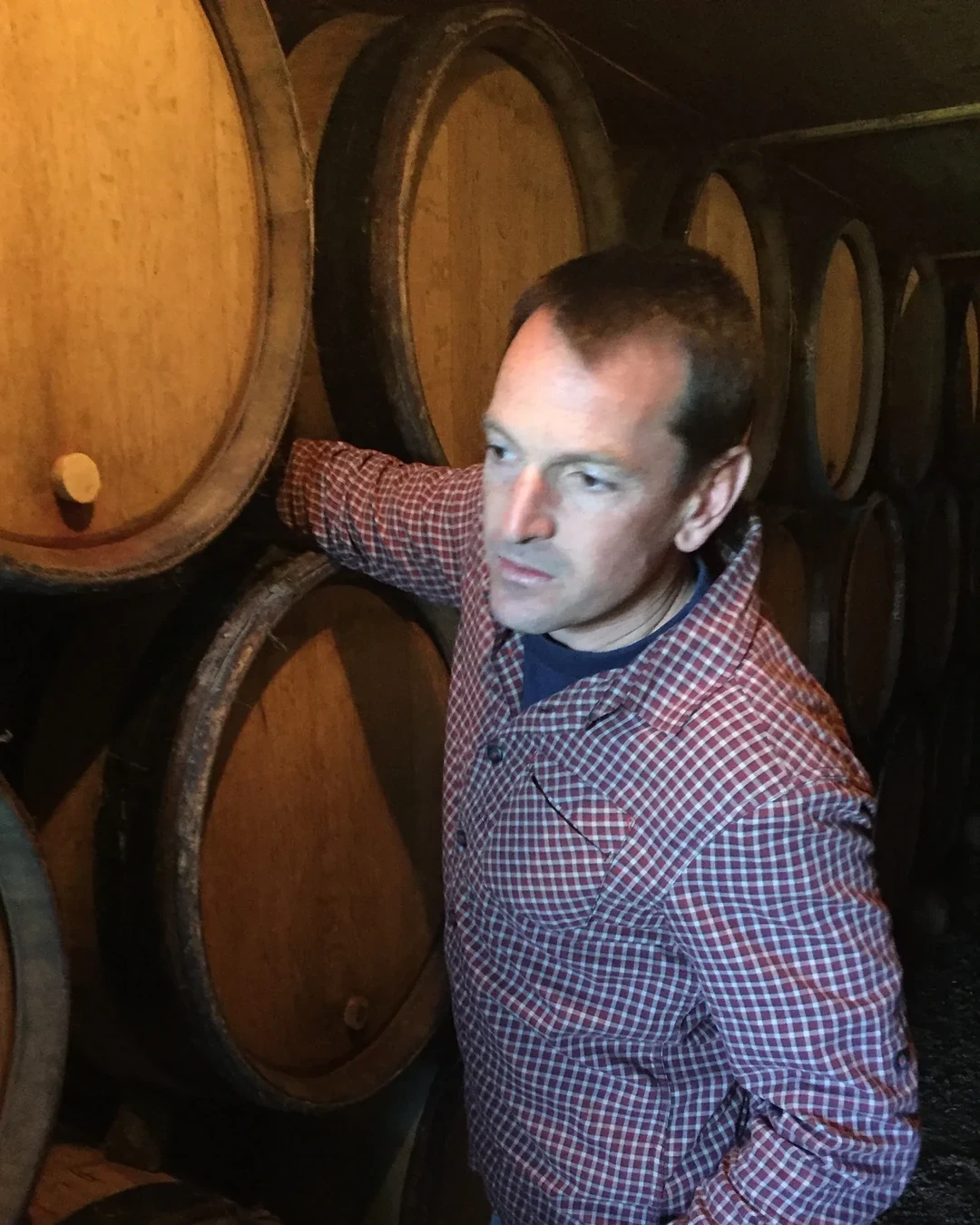
Made By profiles Julien Sunier (Winemaker) at Julien Sunier.
How expensive is Julien Sunier?
Julien Sunier is listed at a price level of $$$.
The field
How it compares
| Place | Notes | Awards |
|---|---|---|
| Julien Sunier | Avenas / Deux-Grosnes, Beaujolais, $$$ | · |
| Château La Fleur-Pétrus | Pomerol | · |
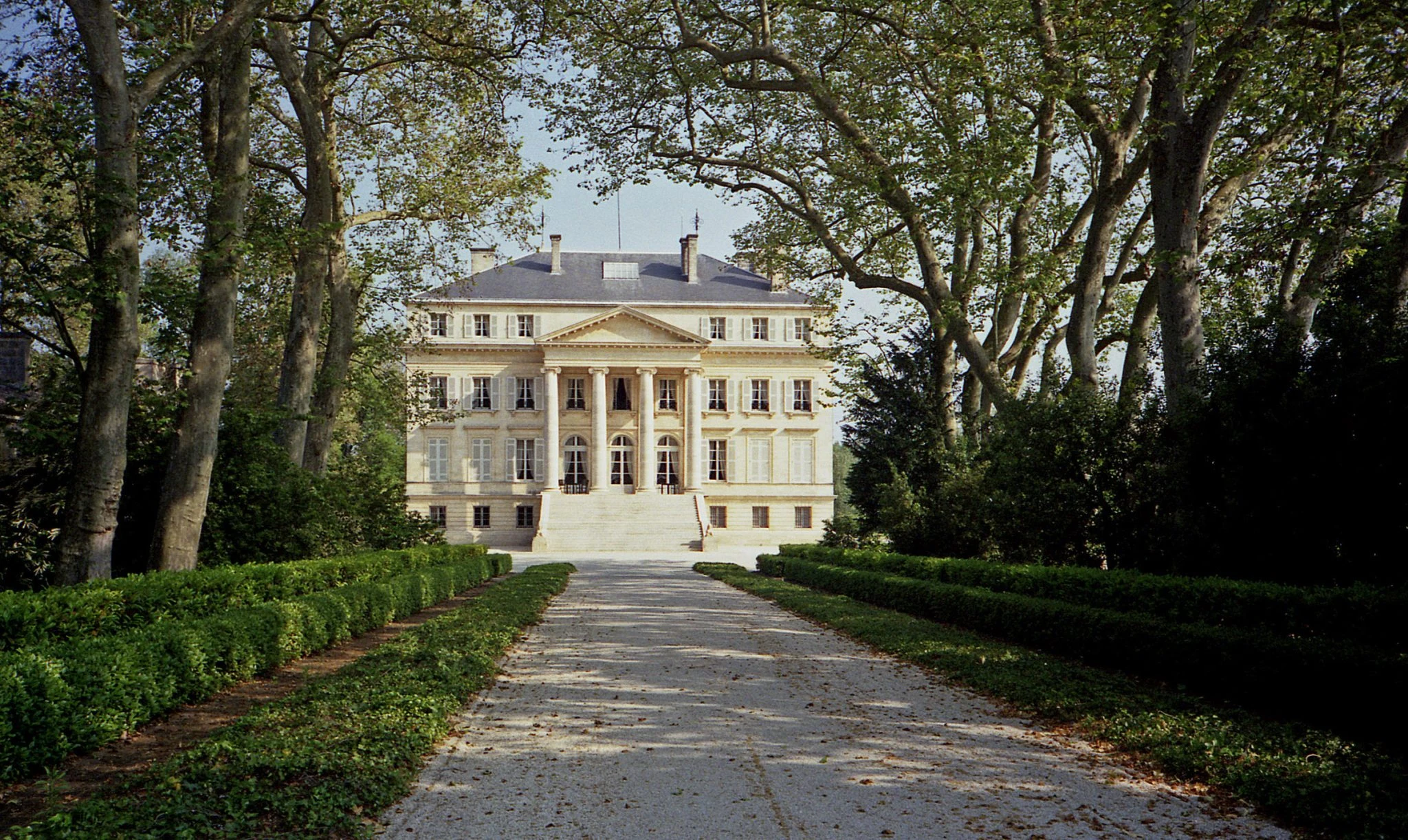
| Château Margaux | Margaux | World's 50 Best |
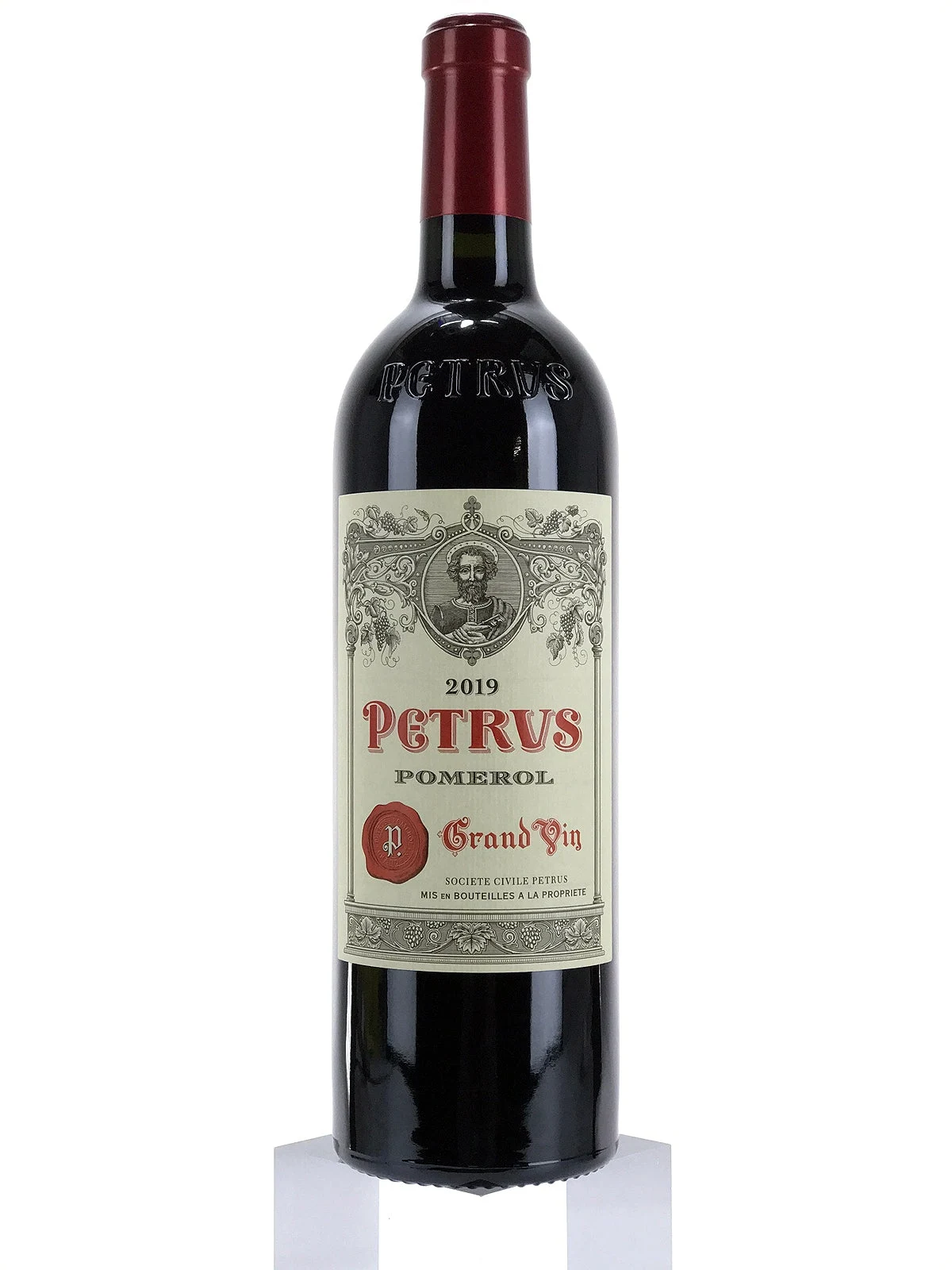
| Chateau Petrus | Pomerol | · |
| Domaine du Clos de Tart | Morey-Saint-Denis | · |
| Domaine du Comte Liger-Belair | Vosne-Romanée | · |
| Valdicava | Montalcino | · |