Kaori Sushi
- 01CuisineTraditional Japanese Sushi
- 02CityLos Angeles, United States
Warm rice, toro, saba
- Michelin Plate · 2026
- Michelin Plate · 2025
- Opinionated About Dining Top Restaurants in North America Ranked #138 · 2025
- Michelin Plate · 2024
Rice, fish, and a narrow station
The rice arrives at the bench warm enough to take the fish without dulling it. Chef Sang “Eric” Lee is executive chef and owner at Kaori Sushi in Fullerton, Los Angeles, and he bought the restaurant from Jinho Choi in 2018 after six months of negotiation, drawn to a room small enough to hold an omakase. Before that he had bought and reimagined Sushi Ko in Porter Ranch, hiring his brother as sushi chef before selling it, and launched Sushi and Wasabi in Agoura Hills. What can be said plainly is that Kaori asks for restraint of a particular kind. The plate narrows. The hand has less cover. Toro, saba, and chirashi premium do not reward flourish; they reward temperature, seasoning, and timing. From 2019 the focus moved toward traditional Japanese technique with seasonal California ingredients, holding fish at its right temperature and cutting to precise timing.
Classics held close to the counter
Kaori Sushi began in 2007 as a Japanese restaurant in a modest Fullerton strip mall, with sushi, sashimi, and izakaya elements at the center of the house. The later turn toward a more refined omakase format kept the exterior modest and moved the attention inward, toward the bar, the rice, and the pacing of each course. The restaurant offers à la carte service alongside omakase tiers, and its strongest language is still the classic one: nigiri, sashimi, black cod, risotto, and signature rolls when the roll serves the fish rather than hiding it. The Michelin Guide has praised the freshness of the nigiri and sashimi, and the house’s own signatures make the point without much explanation. Chirashi premium gathers abundance into a bowl without losing order. Toro asks for clean fat and a short finish. Saba needs a firmer hand, especially when it meets shiso-seasoned rice. Golden eye snapper belongs to the same register. The room’s program is not built around spectacle. It is built around the narrow window when fish, rice, and wasabi are all ready at once.
Lantern light over the pass
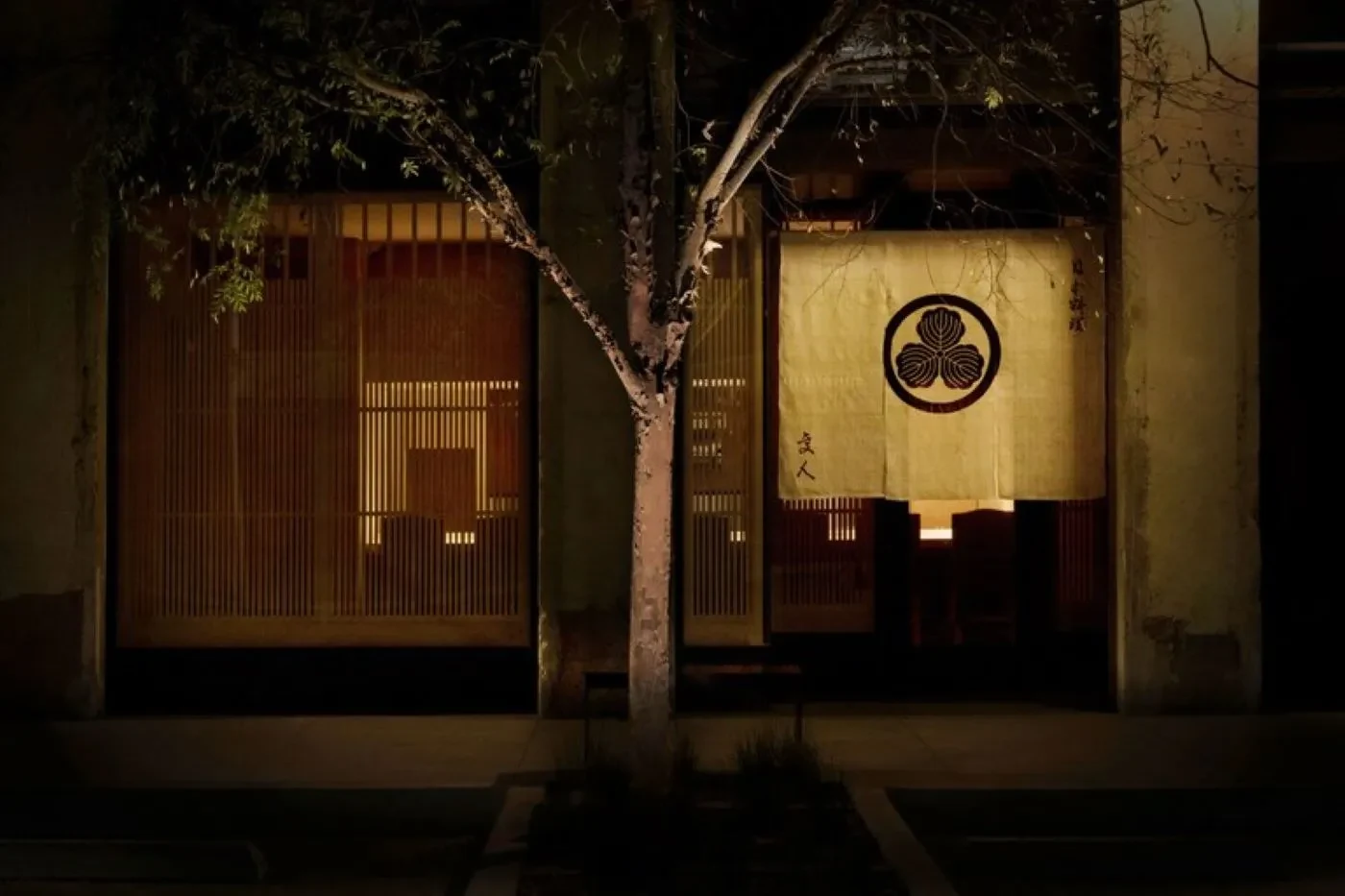
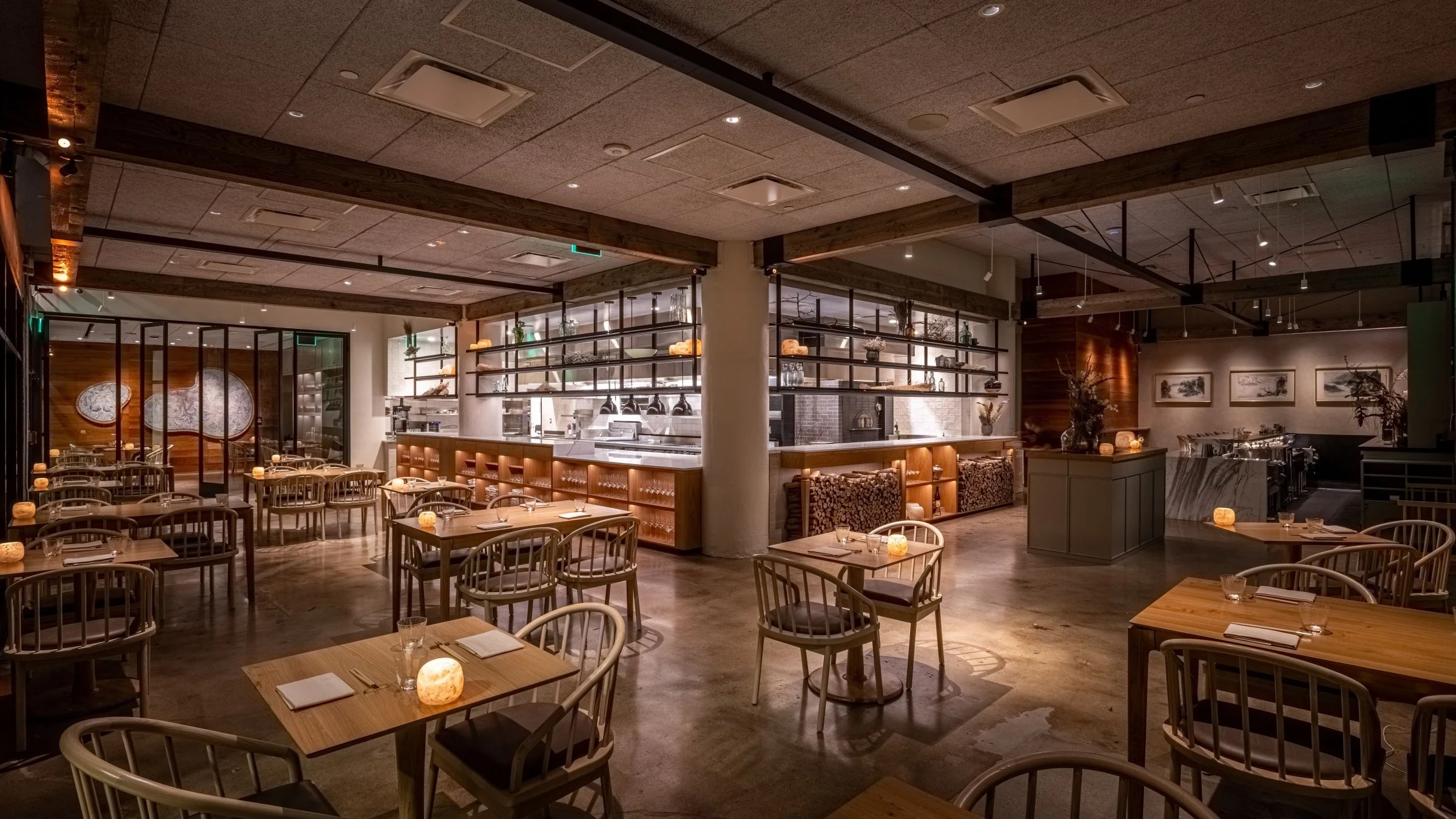
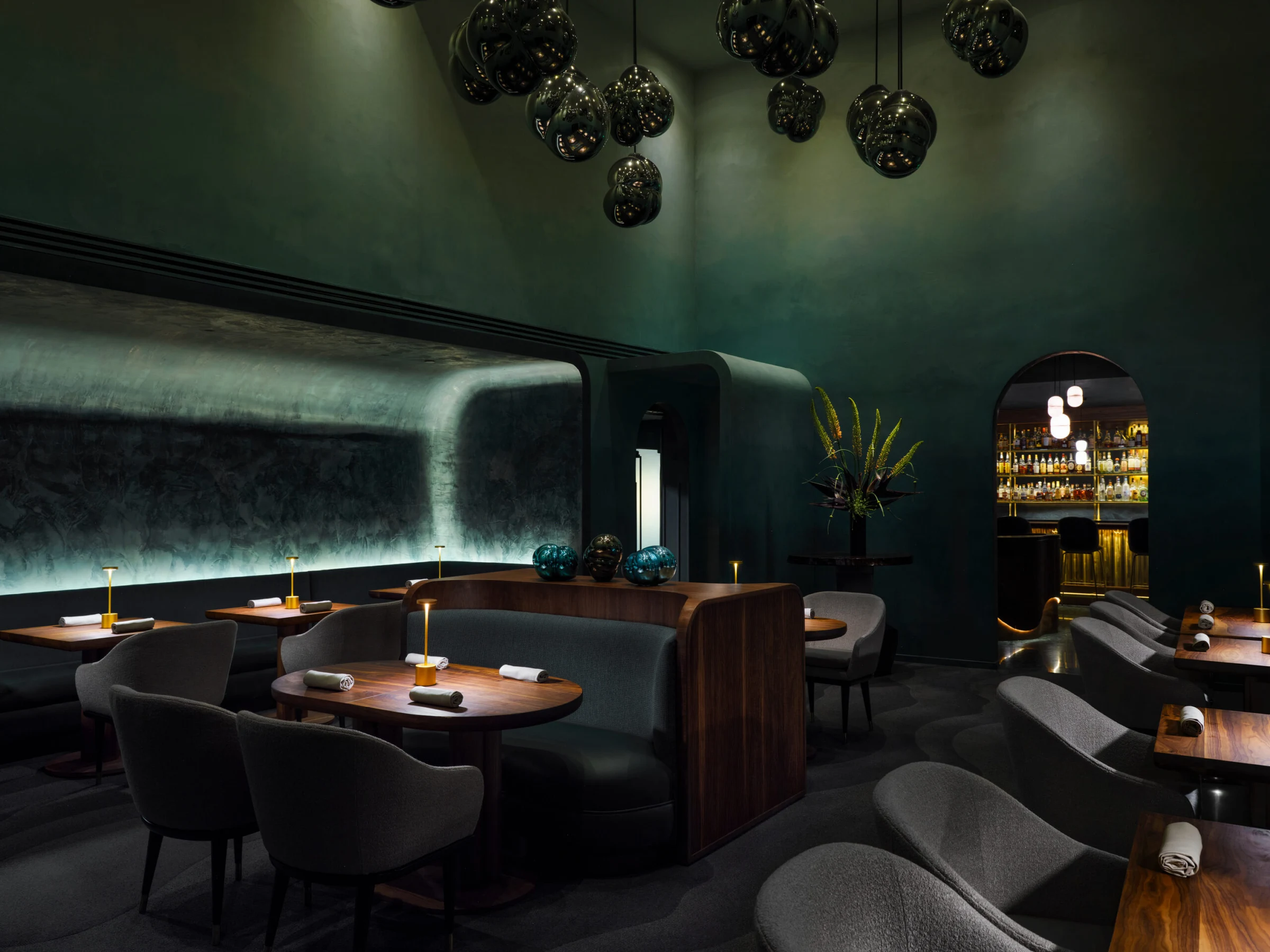
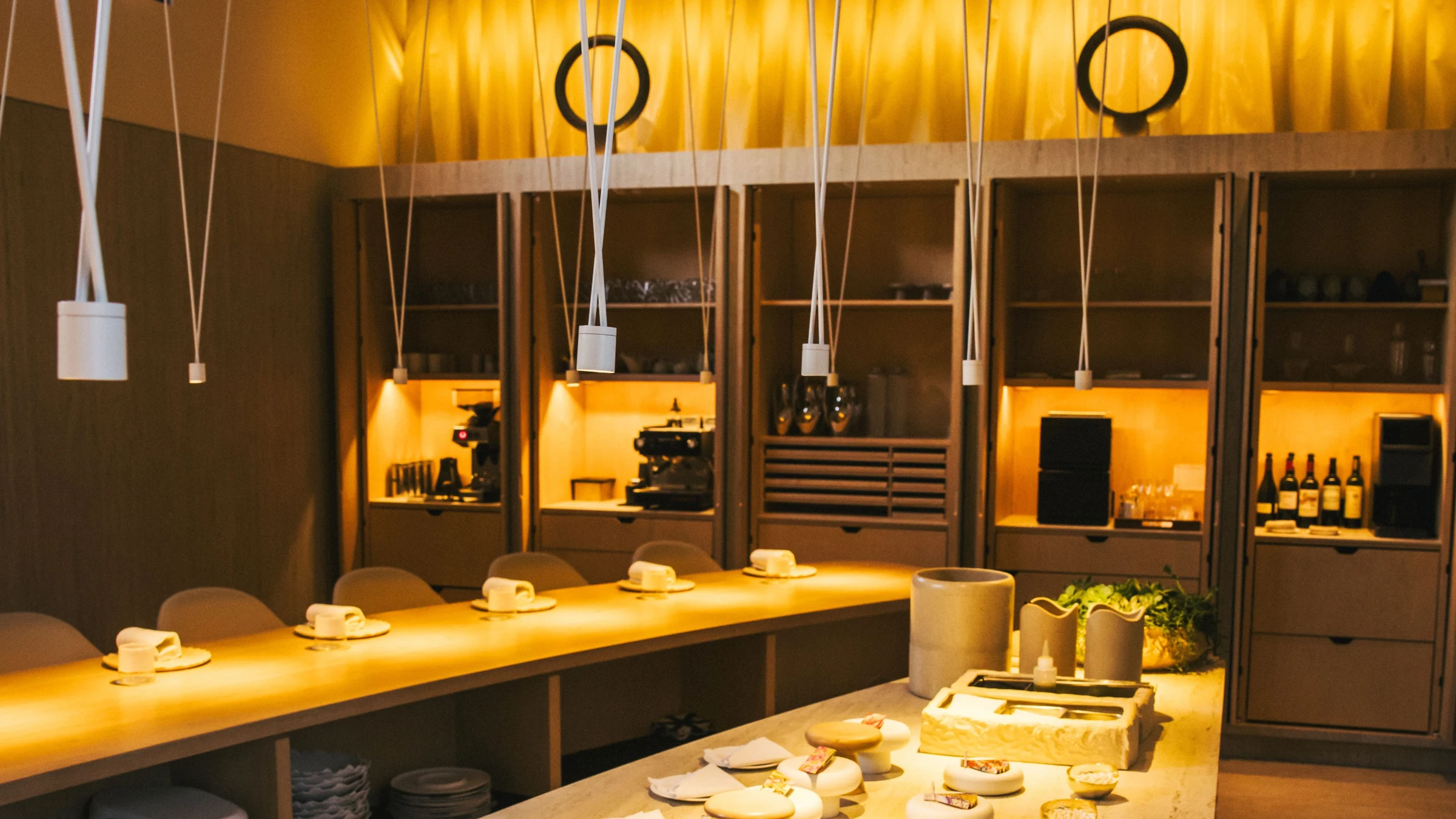
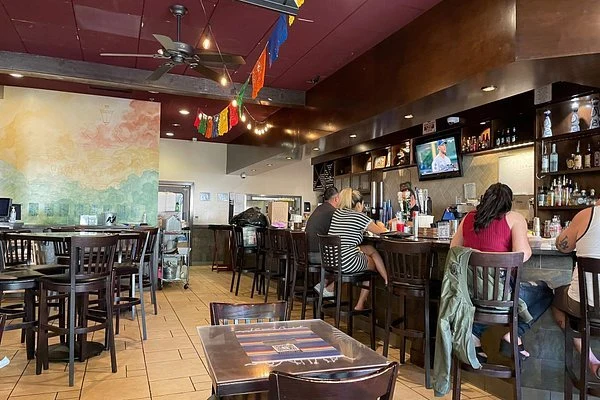
The room is small, brightened by lanterns of different shapes and sizes, and the effect is closer to an izakaya memory than a polished dining room. Conversation stays near the table. The counter keeps the work visible, not theatrical: the pass, the lift of a slice, the pause before a piece is set down. In a space of this scale, the room notices everything. A late plate, a cold grain of rice, a piece of fish held too long, none has much room to disappear. That intimacy is part of Kaori Sushi’s discipline. The strip mall exterior does not ask for ceremony, but inside, the bench does. The craft happens at close range, under lantern light, with toro, saba, and chirashi premium carrying most of the argument.
A quiet Fullerton address
Kaori Sushi holds its place in Fullerton through scale rather than display. It is close enough to be folded into the wider Los Angeles conversation, yet the address remains Orange County in feeling: suburban, compact, and more concerned with regulars than with arrival theater. Awards do not cut the fish. The counter does. If the next service has a center of gravity, it is the same one as the last: warm rice, fresh wasabi, and saba set down under the lanterns at Kaori Sushi.
Questions
Frequently asked
Who is behind Kaori Sushi?
Chef Sang “Eric” Lee is the executive chef and owner of Kaori Sushi. He bought the restaurant from Jinho Choi in 2018 after six months of negotiation.
What kind of place is Kaori Sushi?
Kaori Sushi is a traditional Japanese sushi restaurant in Fullerton with omakase alongside à la carte service. The room is small and the focus stays on the counter, the rice, and the timing of each course.
What are some of the signature dishes?
The house signatures include chirashi premium, toro, and saba. The menu also includes nigiri, sashimi, black cod, risotto, and signature rolls when they serve the fish rather than hide it.
What should visitors know about booking and service?
Reservations are recommended and bookings are taken directly. The dress code is casual, and parking is on the street.
Has Kaori Sushi received any recognition?
The Michelin Guide has praised the freshness of the nigiri and sashimi at Kaori Sushi.
The field
How it compares
| Place | Cuisine | Notes | Awards |
|---|---|---|---|
| Kaori Sushi | Traditional Japanese Sushi | Fullerton, $$ | · |
| Hayato | Traditional Japanese Kaiseki | Los Angeles | Michelin 2 Stars |
| Holbox | Modern Mexican Seafood | Los Angeles | Michelin 1 Star, World's 50 Best |
| Kato | Modern Taiwanese Fine Dining | Los Angeles | Michelin 2 Stars, World's 50 Best |
| Mélisse | California-French Fine Dining | Los Angeles | Michelin 2 Stars |
| Providence | Modern Seafood Fine Dining | Los Angeles | Michelin 3 Stars, World's 50 Best |
| Somni | Modern Spanish Fine Dining | Los Angeles | Michelin 3 Stars, World's 50 Best |
Similar places
Traditional Japanese Kaiseki
Hayato
Los Angeles, United States
★★
Modern Mexican Seafood
Holbox
Los Angeles, United States
★ · 50 Best
Modern Taiwanese Fine Dining
Kato
Los Angeles, United States
★★ · 50 Best
California-French Fine Dining
Mélisse
Los Angeles, United States
★★
Modern Seafood Fine Dining
Providence
Los Angeles, United States
★★★ · 50 Best
Modern Spanish Fine Dining
Somni
Los Angeles, United States
★★★ · 50 Best