- Falstaff Winery - Listed · 2026
Vrbnik’s wine culture is inseparable from its slope-side setting and its local white grape. At Katunar, that relationship is made tangible through a covered terrace looking toward old Vrbnik, a cellar-tour format and a tasting built around Žlahtina before widening into other Kvarner and international varieties. The point is not a generic Croatian cellar-door stop; it is a compact lesson in how one island town has turned a native grape into a full hospitality language.
Žlahtina is the governing idea here. The estate works with it across sparkling, classic still white, barrel-aged, dessert, amber and Pet-Nat Ancestrale styles, which gives visitors a clearer view of range than a single pour could. In many coastal wine regions, indigenous grapes are presented as heritage markers and left there. Vrbnik asks more of Žlahtina: freshness, texture, sweetness, oxidative nuance and celebratory fizz all come from the same local frame. That breadth is Katunar’s strongest editorial argument.
Žlahtina as a Vrbnik language, not just a house pour
The more interesting Croatian wineries are no longer content to treat native varieties as museum pieces. Katunar’s portfolio shows that shift at a small-producer scale. Alongside Žlahtina, the estate lists Chardonnay, Yellow Muscat, Rosé, Sauvignon, Merlot and Sansigot, but the local grape remains the organizing structure. Sansigot matters too, because it ties the red side of the range back to Kvarner rather than leaving the estate dependent on international names.
The technical story adds weight. The family’s modern winemaking identity reaches back to the late 1980s, when private entrepreneurship in Croatian wine was opening up, and the cellar narrative includes cold fermentation, cold stabilization, cold maceration and aging on yeast. Those are not romantic details; they explain why a Vrbnik producer can present Žlahtina in several forms without reducing it to folklore. Precision in the cellar gives the local grape more room to speak.
Estate’s development across roughly three decades also places it inside a particular generation of Croatian wine: family-rooted, technically pragmatic and increasingly visitor-facing. The early momentum included a gold medal and Grand Gold at a Croatian wine fair, and later recognition on the Croatian wine scene, though the stronger contemporary signal is format discipline rather than trophy display. The tasting is structured, interpreted and small, which suits a region where the education around native varieties often matters as much as the pour itself.
A terrace-cellar-terrace tasting built for context
Hospitality format is unusually clear. The tasting runs for 1.5 hours, begins with sparkling Žlahtina and still white Žlahtina, moves into the cellar for family and winemaking context, then returns to the terrace for five more wines. That sequence matters because it prevents the tasting from becoming a static flight. The visitor sees the town, steps into the production space, then comes back to the glass with a better sense of why Vrbnik and Žlahtina are linked.
Food is part of the interpretation rather than decoration. The pairing platter includes cheese, bread, olives, extra virgin olive oil, dried sausages, dried figs, nuts and traditional cheese cake, with water included and provisions for children. That mix places the wine inside the island’s broader table culture: salt, oil, dried fruit, dairy, cured meat and a sweet finish. The estate also produces olive oil, liqueurs and brandies, so the visit widens from varietal tasting into a small Mediterranean household economy.
The group size is capped at 10 for the listed tasting, and presentations can be given in Croatian, Italian or English by an oenologist or sommelier. That capacity keeps the experience closer to a guided cellar conversation than to coach-tour wine tourism. Private tailor-made programs are also part of the offer, which gives the format enough flexibility for visitors who want a deeper focus on Žlahtina, cellar technique or local varieties.
Katunar opened in 1980 according to the venue’s listed year, and the winery is located in the same building as the family house. That physical overlap matters in Vrbnik, where the line between domestic culture, production and hospitality can be thin. The setting is described as rustic, cozy, scenic, classic and intimate, but the more useful reading is structural: this is a family winery where the tasting room, terrace and cellar all reinforce the same place-based argument.
How to place it within a Vrbnik wine day
For travelers building a Vrbnik itinerary, Katunar works well as an anchor for understanding Žlahtina before or after exploring the wider town. The visit type is by reservation, with casual dress, conversational noise level, street parking and outdoor seating. The listed price is $32 per person, and the experience is marked as suitable for groups, families, wine education and special occasions. Payment can be made by cash or credit card.
The broader Vrbnik wine conversation is worth mapping before choosing stops. Use Our full Vrbnik wineries guide for the local cellar picture, then compare the town’s cooperative and small-estate poles through PZ Vrbnik and Šipun. For planning around the glass, keep Our full Vrbnik restaurants guide, Our full Vrbnik hotels guide, Our full Vrbnik bars guide and Our full Vrbnik experiences guide close.
Readers tracking Croatian wine beyond Krk can place this Kvarner model against other regional cellar-door styles through Adzic in Kutjevo, Ante Sladić Vino in Skradin, Arman Marijan Winery in Vizinada, Bakovic in Supetar, Baraka Winery in Sibenik and Bastian in Buje. For a wider European lens on small producers, see »der Steiner« Hans Steiner in Podersdorf am See and & Handwein in Mannheim.
The editorial case is simple: choose Katunar for a guided, small-capacity reading of Vrbnik through Žlahtina, not for score-chasing or luxury spectacle. The terrace gives the town its visual frame, the cellar gives the grape its technical frame, and the paired tasting gives the wines enough local food context to make the region legible.
Questions
Frequently asked
Who works at Katunar?
Made By profiles Ivan Katunar (Winemaker) at Katunar.
How expensive is Katunar?
Katunar is listed at a price level of $$.
The field
How it compares
| Place | Notes | Awards |
|---|---|---|
| Katunar | Vrbnik, $$ | · |
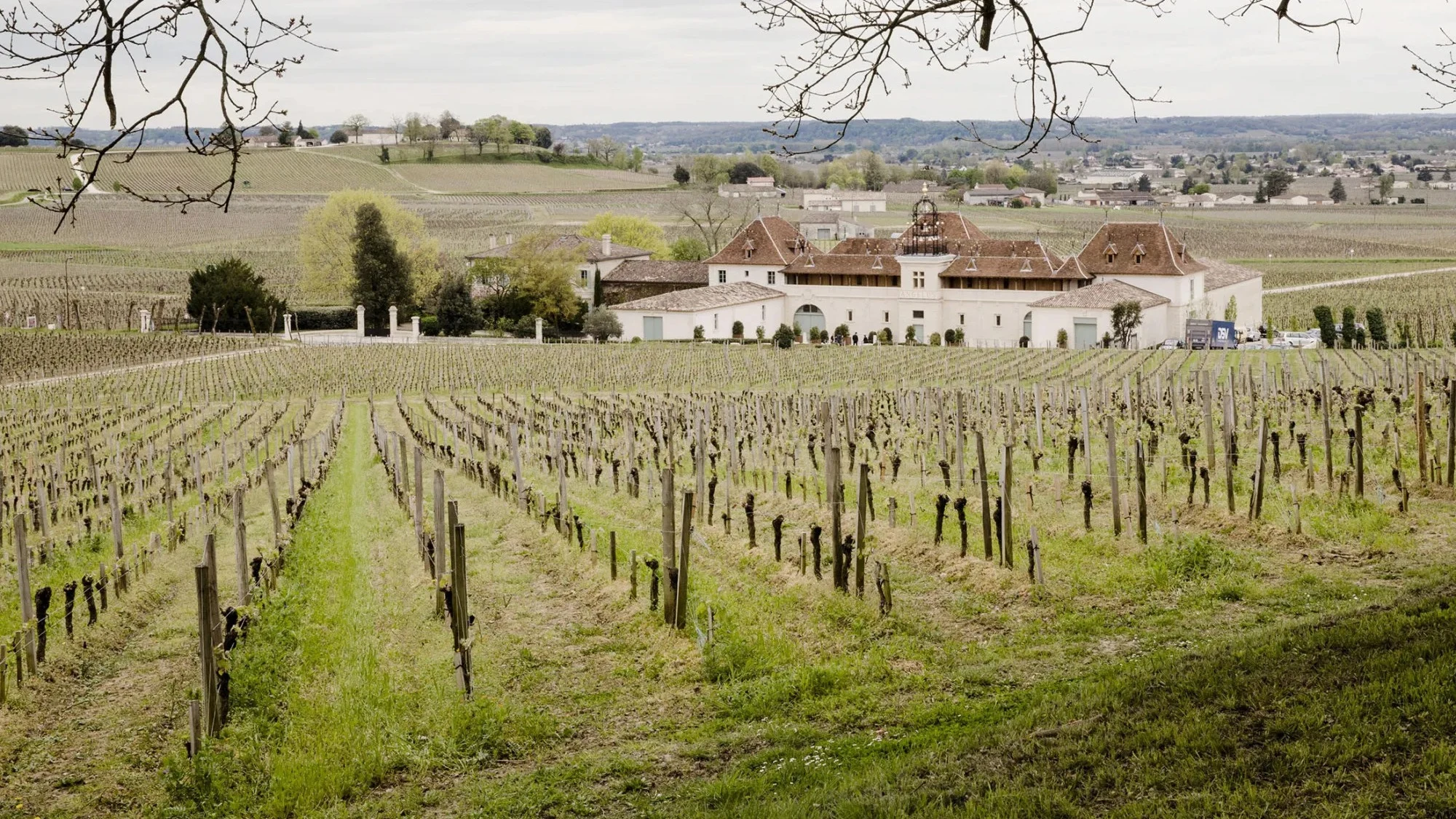
| Château Angelus | Saint-Émilion | · |
| Domaine Hubert Lamy | Saint-Aubin | · |
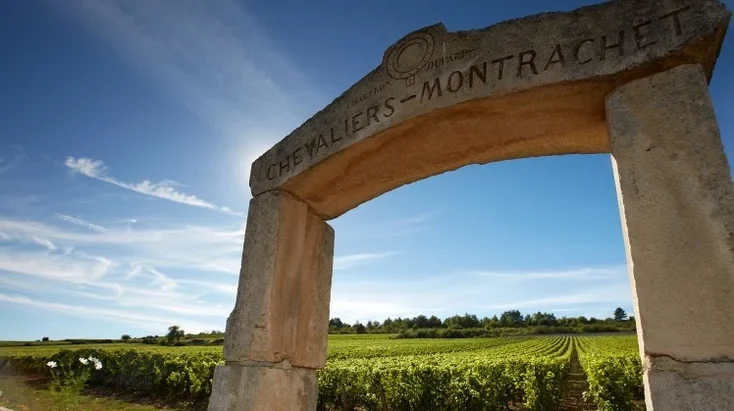
| Domaine Leflaive | Puligny-Montrachet | · |
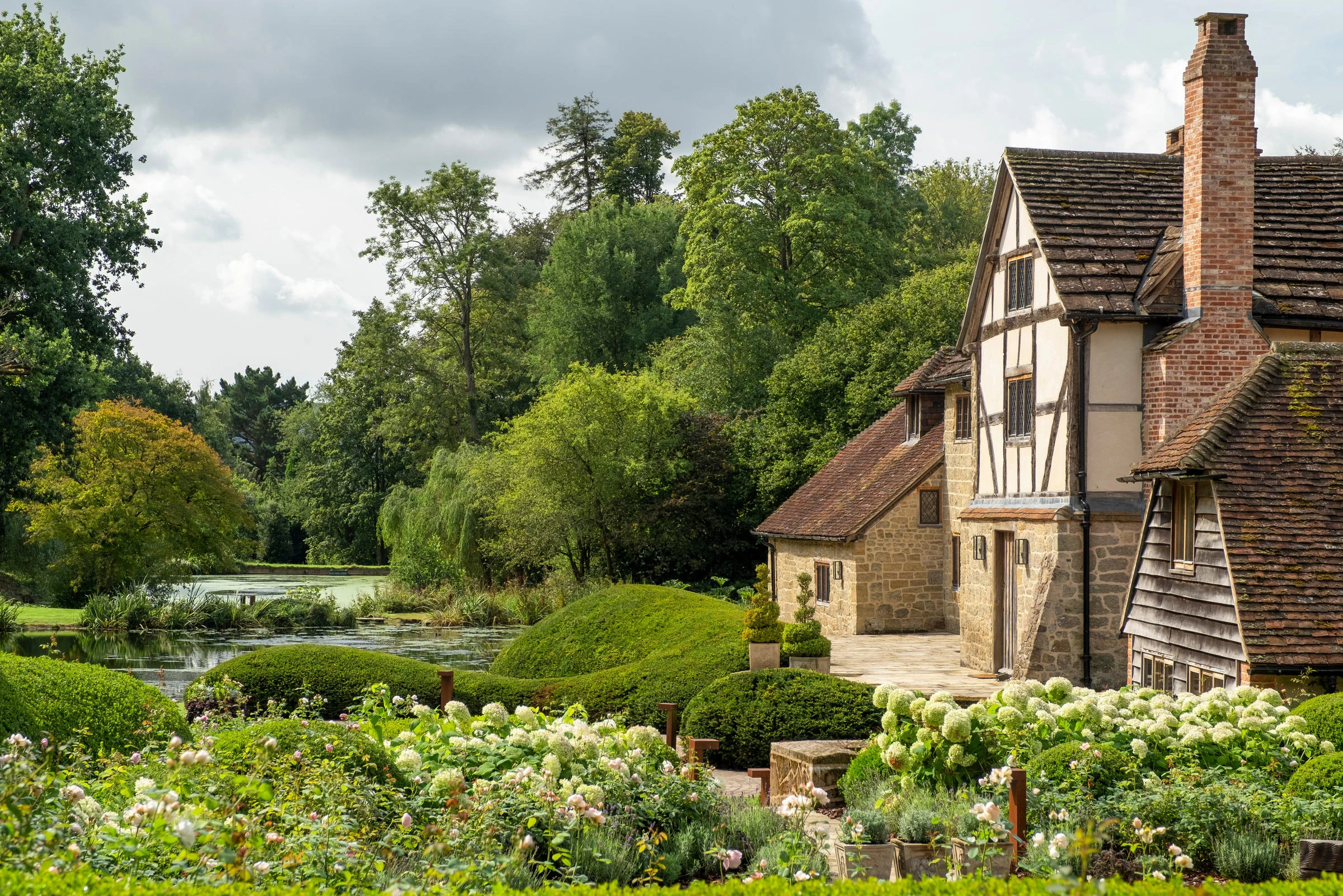
| Nyetimber | Horsham | World's 50 Best |
| PZ Vrbnik | Vrbnik | · |
| Šipun | Vrbnik | · |