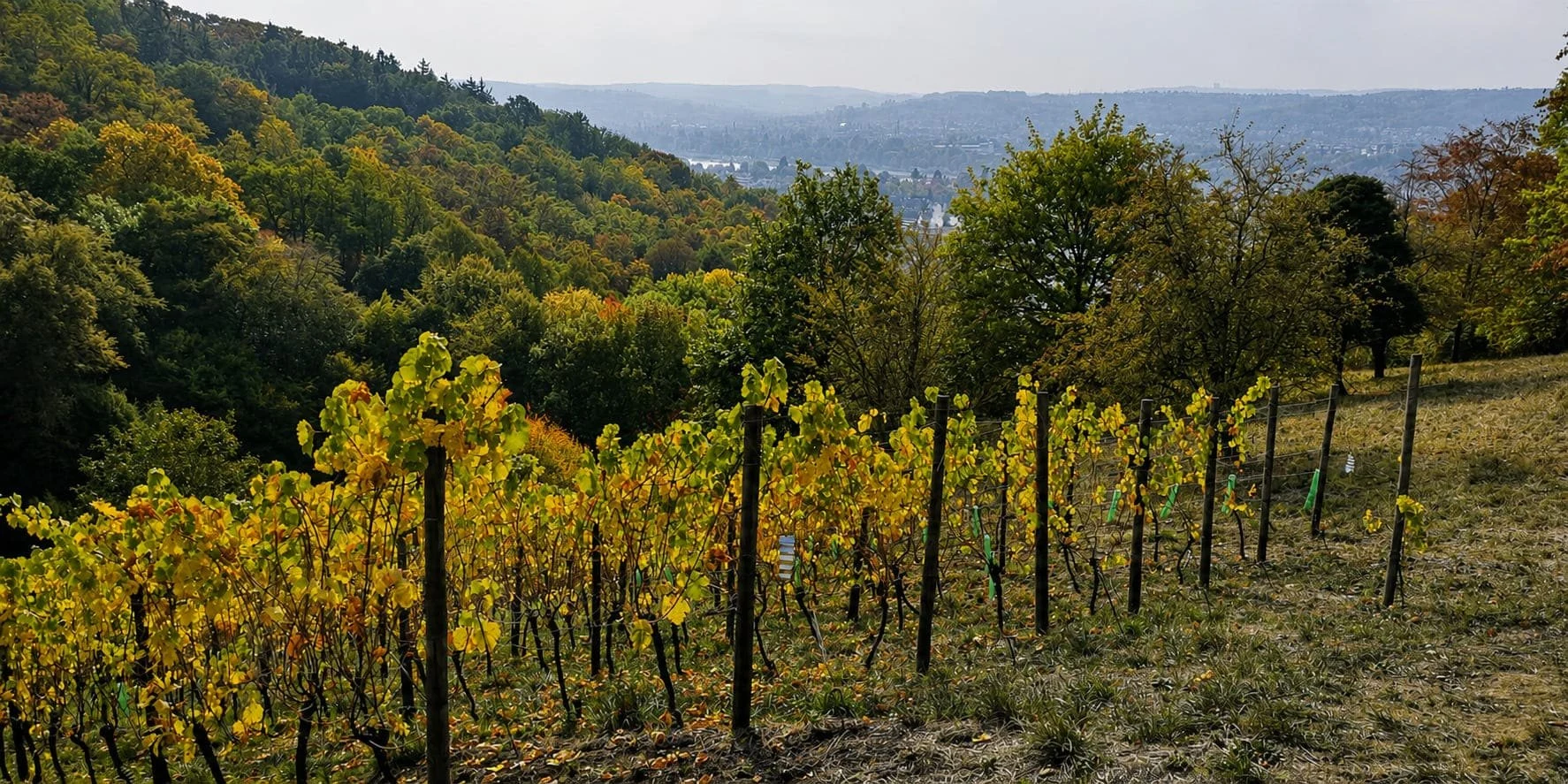
Kay Weine in Königswinter is best understood as a nature-oriented winery rather than a high-gloss hospitality stop. The picture is simple: a Bioland-certified setting, an ecological and green vineyard environment on the Mittelrhein, and a quiet, rustic, scenic feel that makes it read more like a place rooted in its landscape than a heavily packaged destination. Its appeal is not built around spectacle or a long list of confirmed visitor amenities, but around the impression of a winery whose setting, scale, and ecological orientation do much of the talking.
Mittelrhein setting, read through ecological winegrowing
Kay Weine’s strongest identity is its connection to nature-oriented winegrowing in Königswinter. The estate is described as Bioland-certified, with an ecological vineyard setting that emphasizes greenery and a close relationship to the surrounding landscape. In practical terms, that means the venue is most clearly understood through its place on the Mittelrhein and through the atmosphere created by an environmentally minded vineyard context.
The Sunday email
Read about the people behind wineries like Kay Weine in the Sunday email.
Every Sunday we send a lead story and up to four more about the chefs, winemakers, sommeliers and hoteliers behind the restaurants, bars, wineries and hotels we cover.
Recent stories
Free. One email a week, and you can unsubscribe from any issue.
That makes the atmosphere part of the appeal. Rather than presenting Kay Weine through claims about specific bottles, varieties, vineyard names, or production details, the safest way to frame it is as a quiet Mittelrhein winery where the natural setting is central to the visit. The available description points toward a slower, more grounded experience: green surroundings, a rustic edge, and a scenic quality that comes from the vineyard environment itself rather than from a polished hospitality concept layered on top.
For travelers looking for a grounded wine stop in Königswinter, Kay Weine stands out for its rustic, scenic character and its ecological orientation. The available information supports a portrait of a nature-led place, not a detailed account of a formal program, menu, or cellar style. That distinction is useful. It suggests that Kay Weine should be approached with attention to setting and mood, rather than with expectations shaped by a highly structured tasting room, restaurant-style service, or a catalogue of named experiences.
Seen this way, the Mittelrhein context is not just a backdrop. It is the lens through which the venue makes sense. The combination of Königswinter, vineyard greenery, and Bioland-certified ecological framing gives Kay Weine a clear identity even when confirmed operational details are limited. The strongest reading is of a winery where landscape and sustainability-minded growing are central to how visitors should understand the place.
What is about the setting
What is is the broader context: Kay Weine is a Bioland-certified, nature-oriented winery in a green Mittelrhein vineyard setting. That compact description carries most of the useful information. It places the winery in Königswinter, connects it to the Mittelrhein, and signals that the surrounding vineyard environment is a key part of why someone would seek it out.
That matters for expectations. Visitors should approach Kay Weine less as a checklist of named bottlings and more as a Königswinter winery shaped by ecological orientation, quiet surroundings, and a rustic scenic atmosphere. The point is not to overstate what is known, but to let the confirmed character of the place set the tone: green, calm, and tied closely to the land around it.
If you are planning around wine rather than restaurants alone, Kay Weine is best framed as a calm, place-led stop in Königswinter. Other dining in Königswinter can round out the day, but the appeal here is the winery’s green Mittelrhein setting. It is the kind of stop that fits best when the visit is built around atmosphere as much as consumption, with the ecological vineyard context doing the work that a more promotional venue might assign to menus, packages, or elaborate service descriptions.
That also helps avoid the wrong kind of planning. Without confirmed detail on specific bottles, food, formal tastings, or a defined hospitality program, Kay Weine should not be treated as a venue whose value depends on those particulars. The more reliable frame is simpler and more restrained: a rustic, scenic winery presence in Königswinter, rooted in an ecological vineyard landscape and suited to travelers who respond to that kind of quiet Mittelrhein character.
Questions
Frequently asked
Who works at Kay Weine?
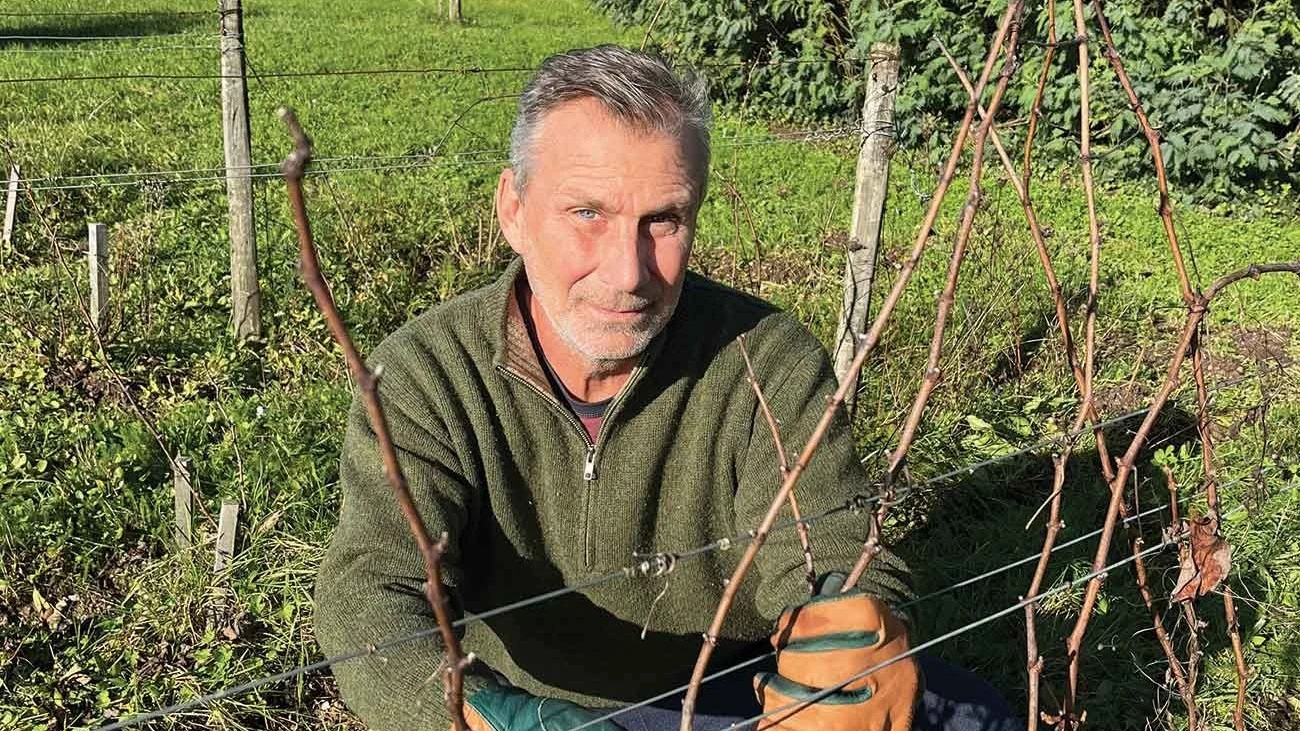
Made By profiles Kay Thiel (Winemaker) at Kay Weine.
How expensive is Kay Weine?
Kay Weine is listed at a price level of $.
The field
How it compares
| Place | Notes | Awards |
|---|---|---|
| Kay Weine | Oberdollendorf, $ | · |
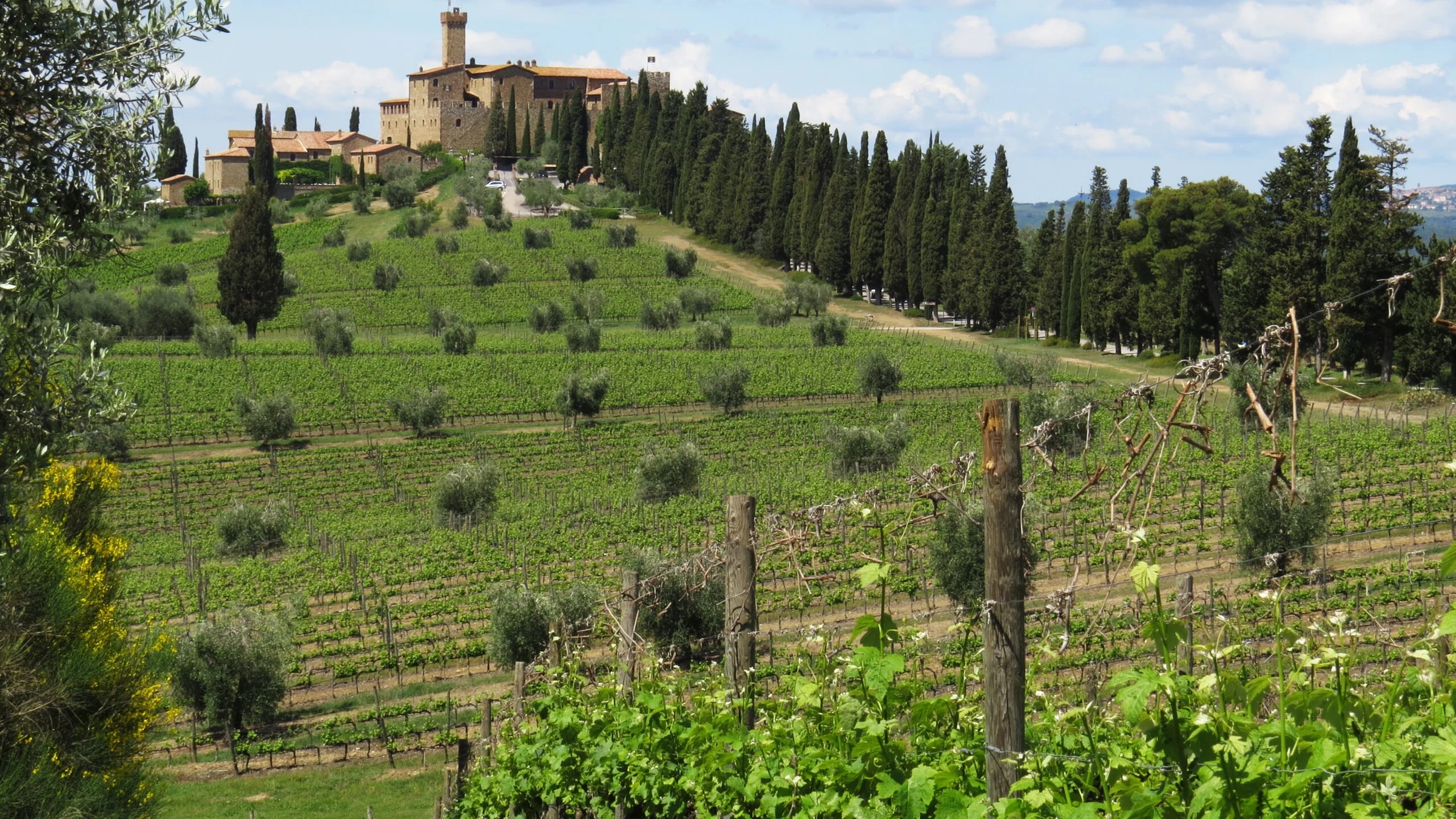
| Castello Banfi | Montalcino | 50 Best |
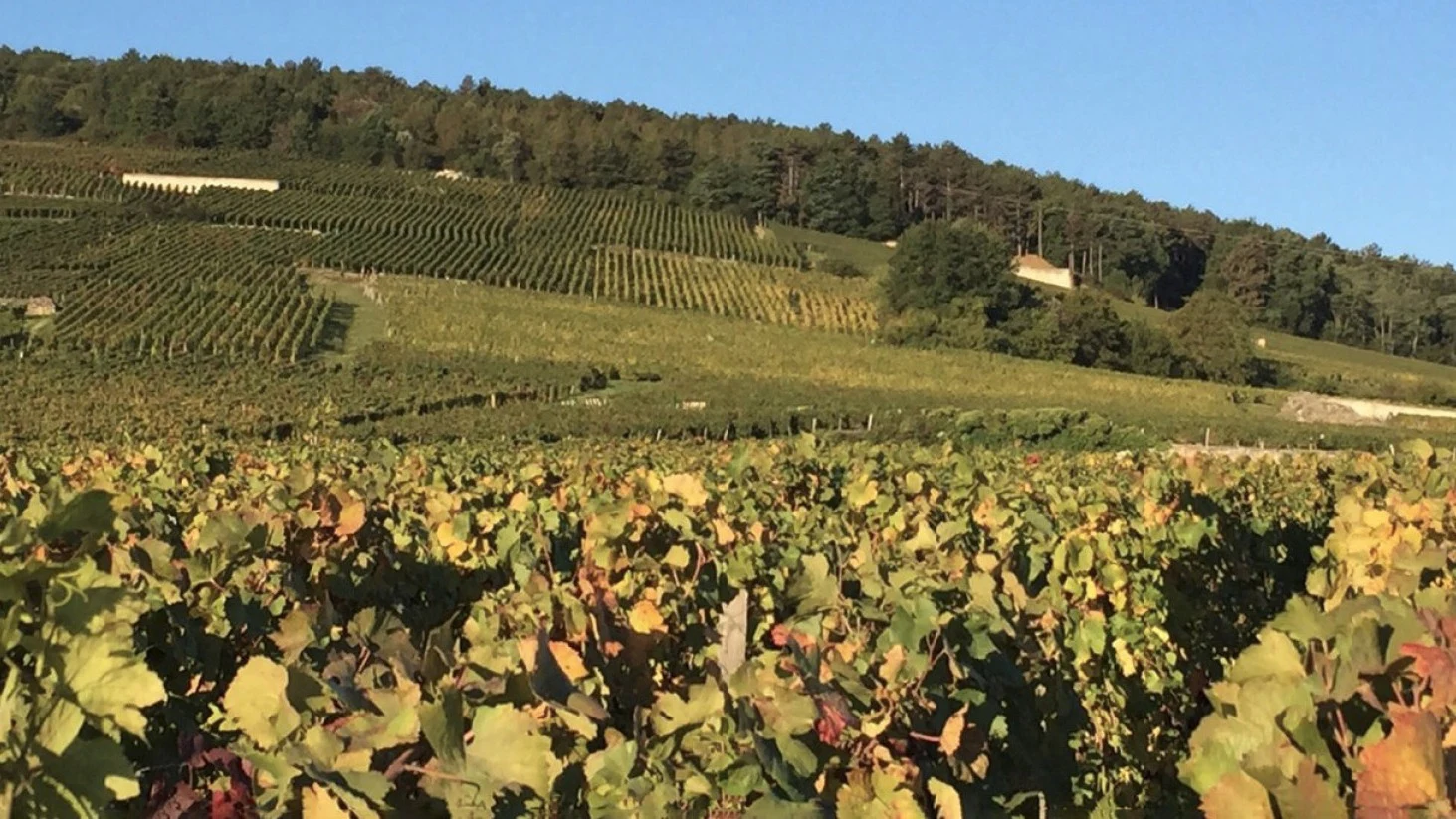
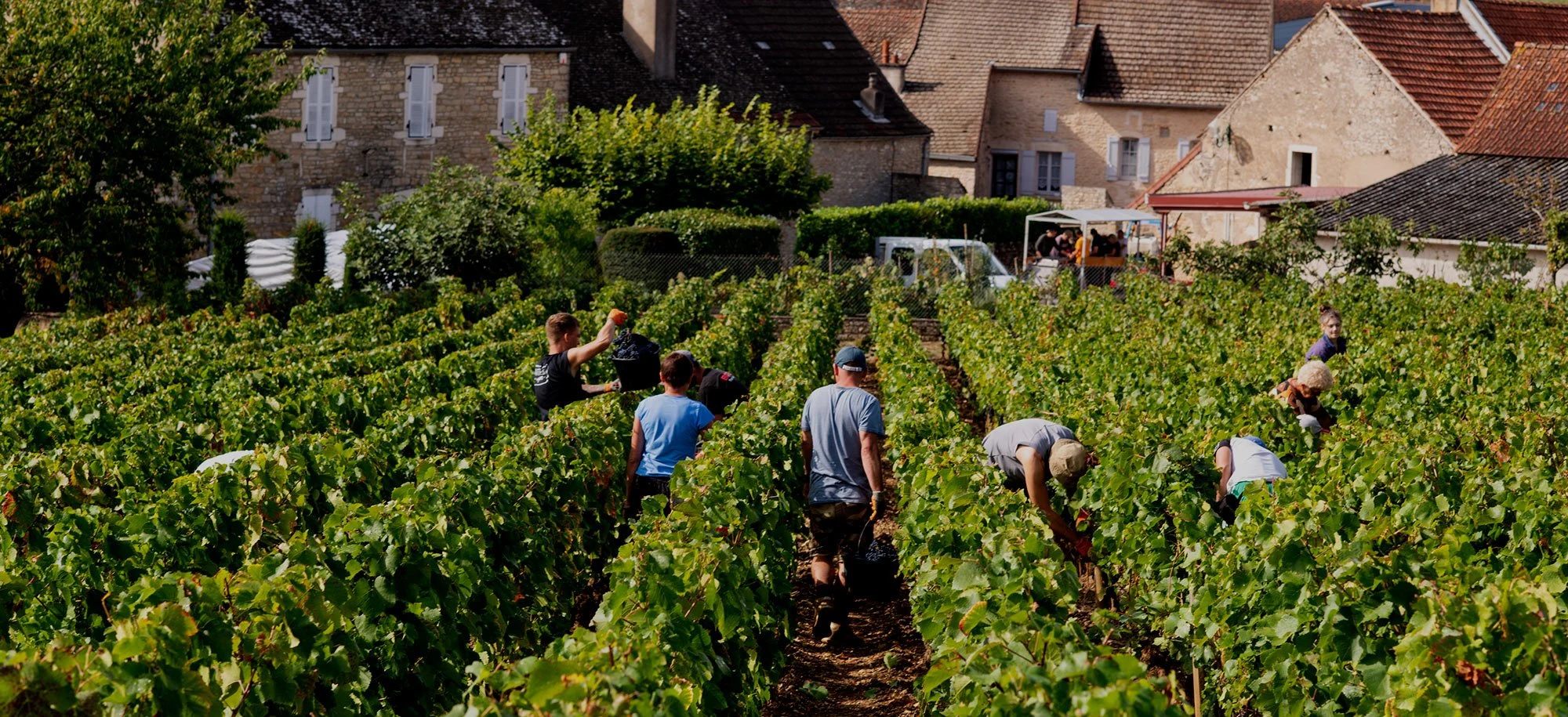
| Domaine Emmanuel Rouget | Flagey-Echézeaux | · |
| Domaine Hubert Lamy | Saint-Aubin | · |
| Domaine Jacques-Frédéric Mugnier | Premeaux-Prissey | · |
| Herdade do Esporão | Reguengos de Monsaraz | 50 Best |
| Weingut Pieper | Königswinter | · |
Similar places

The Sunday email
Read about the people behind wineries like Kay Weine in the Sunday email.
Every Sunday we send a lead story and up to four more about the chefs, winemakers, sommeliers and hoteliers behind the restaurants, bars, wineries and hotels we cover.
Recent stories
Free. One email a week, and you can unsubscribe from any issue.