- Opinionated About Dining Top Restaurants in Japan Recommended · 2026
- Opinionated About Dining Top Restaurants in Japan Ranked #431 · 2025
- Opinionated About Dining Top Restaurants in Japan Ranked #431 · 2024
- Opinionated About Dining Top Restaurants in Japan Recommended · 2023
Ueno After Dark: Where Tokyo's Kaiseki Scene Breathes Differently
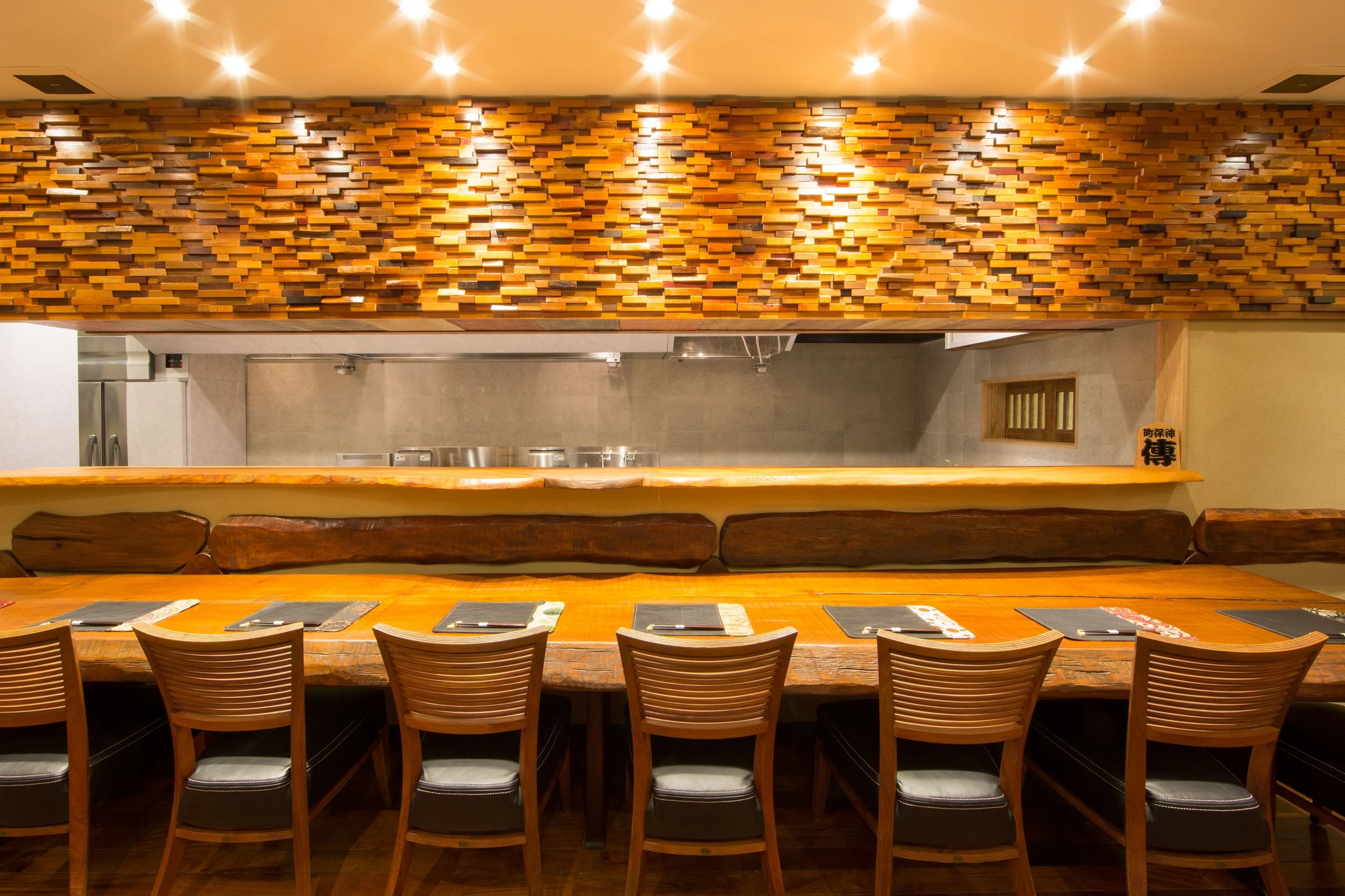
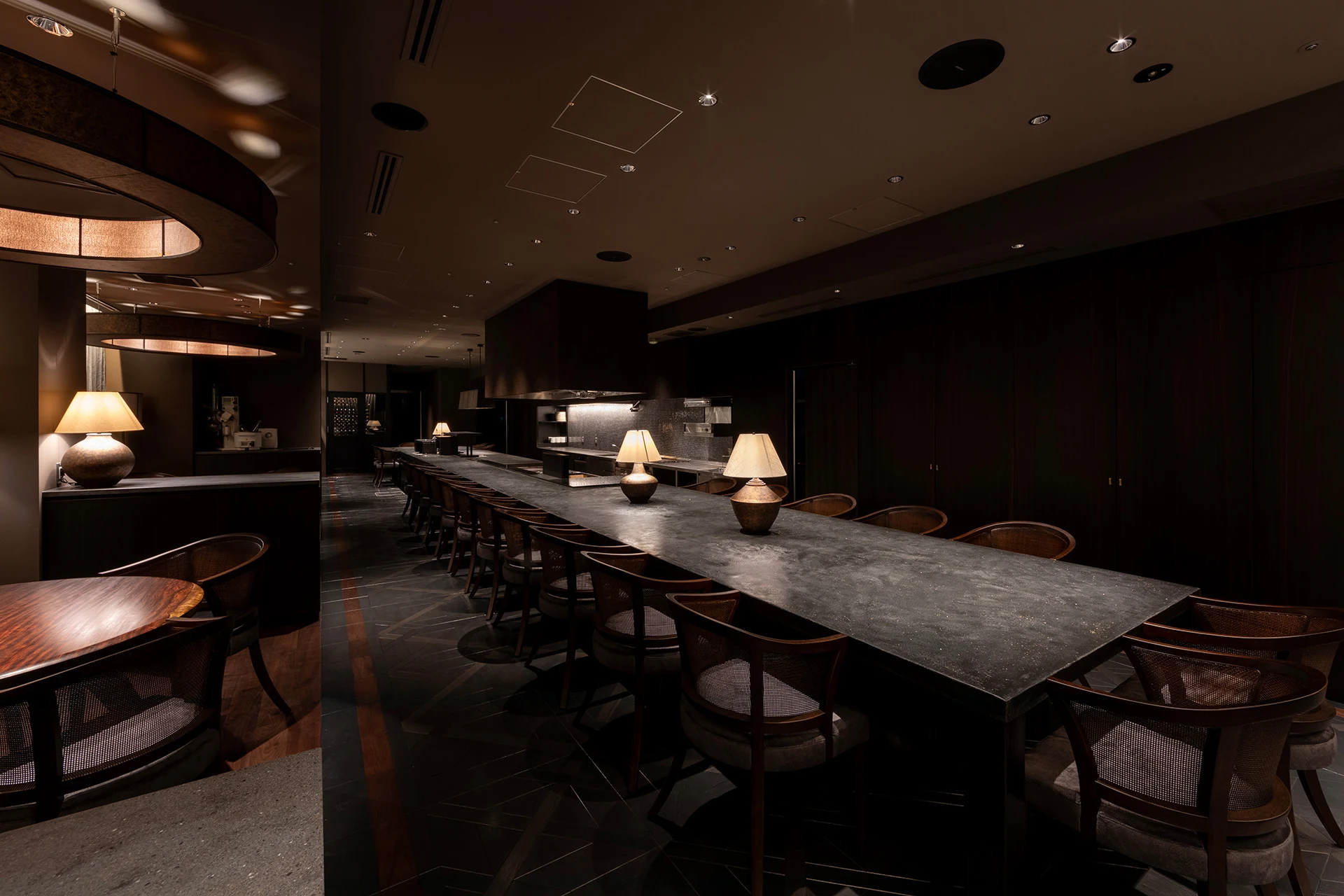
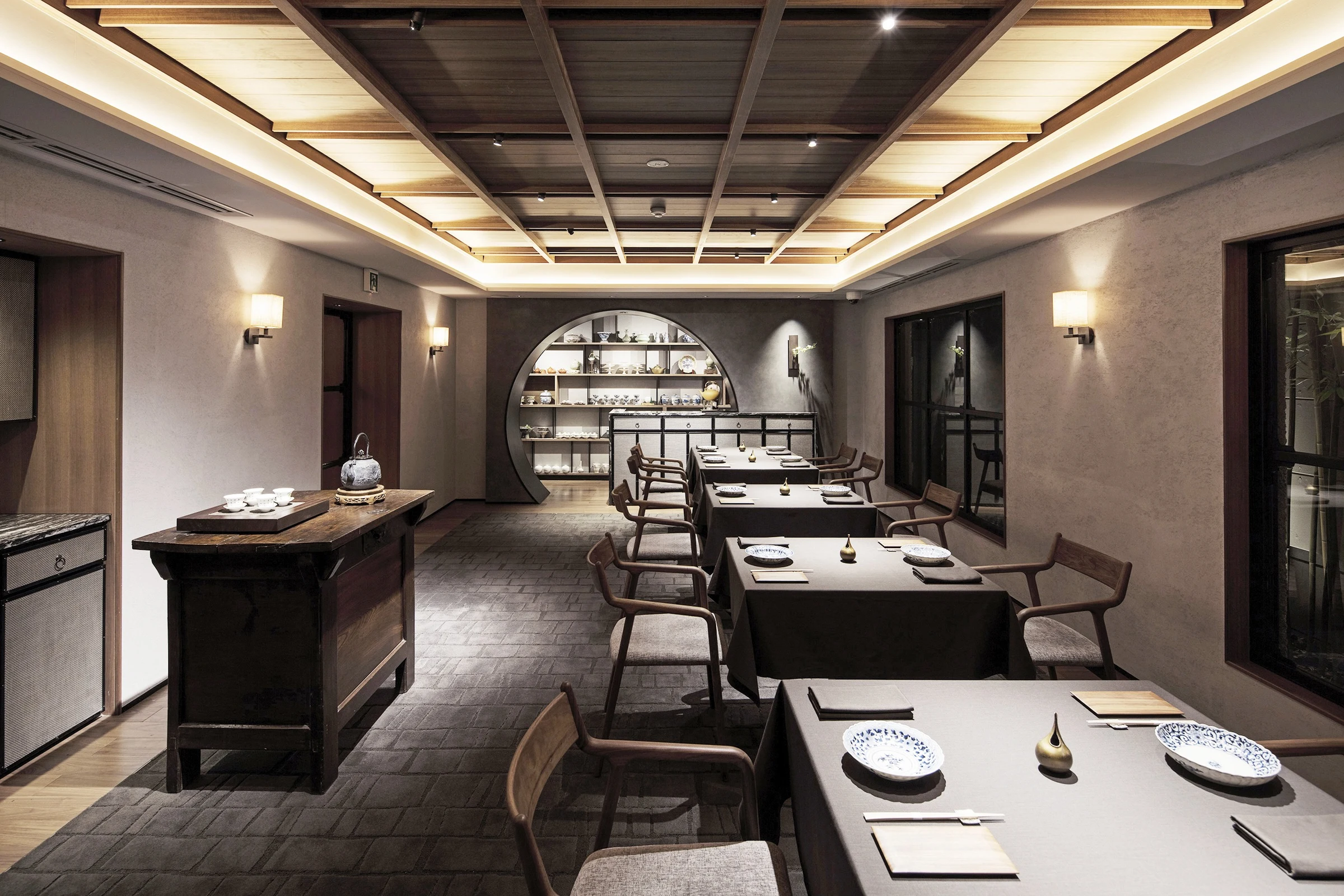
Most visitors to Tokyo's high kaiseki tier arrive by taxi in Ginza or Akasaka, step into a space of lacquered corridors and hushed formality, and leave with a receipt that reflects the postcode as much as the plate. Kikuchi is a restaurant in Ueno, Tokyo, serving Traditional Kappo Kaiseki at about $112 per person. Here, the neighbourhood is older, denser, and less curated, shotengai shopping streets and izakaya lanterns coexist a few minutes' walk from one another, and the restaurants that have taken root in this part of the city carry that texture into their cooking. Kikuchi, operating from a first-floor room in a modest building at 1-chome-12-2 Ueno, belongs to that neighbourhood-rooted current.
The kaiseki form itself rewards this kind of positioning. Unlike sushi omakase, which has stratified sharply in Tokyo into a small number of three-Michelin-star counters priced at ¥60,000 and above (venues like Harutaka) versus a broad mid-tier, kaiseki has always carried a more communal dimension. The meal is structured around the sharing of small seasonal preparations, an accumulated rhythm of courses that is as social as it is technical. The izakaya tradition, eating and drinking together over extended time, with the pace controlled by the guests as much as the kitchen, has always had a loose kinship with kaiseki's sequential logic, even if the price and formality differ sharply. Kikuchi occupies a position where those two currents are not entirely separate.
The OAD Signal: What Consecutive Rankings Actually Mean
Kikuchi has appeared on Opinionated About Dining's Leading Restaurants in Japan list in each of the past three survey cycles: recommended in 2023, then ranked at #431 in both 2024 and 2025. OAD rankings are generated from a surveyed panel of frequent, high-spending diners rather than from a single inspector visit, which means sustained placement reflects repeat engagement from a specific demographic of informed eaters rather than a single favourable inspection. Holding #431 across two consecutive annual rankings suggests that the voter base, which skews toward frequent Tokyo visitors and resident food professionals, has remained consistent in its assessment.
That placing positions Kikuchi in a tier well below Tokyo's Michelin-starred kaiseki houses such as RyuGin (three stars, ¥¥¥¥), but equally well clear of the undifferentiated mass of kaiseki options in the city. For context, Tokyo's OAD list runs several hundred entries deep, and the list's kaiseki entries are distributed across a wide price and prestige range. A venue holding a stable three-year OAD presence in the Taito ward, outside the traditional prestige districts of Ginza, Akasaka, or Shinjuku, is making an argument that proximity to the established luxury corridors is not a prerequisite for serious recognition. Compare the concentration of kaiseki recognition in Kyoto, where venues like Ifuki and Ankyu anchor themselves in a city defined by the form, and Tokyo's kaiseki geography looks less consolidated, more dispersed, more willing to find its footing in unexpected districts.
Dinner-Only, Six Nights: The Rhythm of a Neighbourhood Table
Kikuchi operates Monday through Saturday, 6pm to 10pm, and is closed on Sundays. That structure is not unusual for a kaiseki table of this calibre. By the time a kaiseki dinner at this length is underway, the neighbourhood around has settled.
The dinner-only format also connects kaiseki to its most natural social function. Kaiseki at its roots is a meal designed for extended time at the table: not rushed, not transactional, structured for conversation as much as for eating. In that sense it shares a sensibility with Tokyo's better izakaya culture, where the point is sustained presence rather than efficient turnover. Venues like Hirosaku and Ajihiro operate within that same extended-evening logic. The four-hour window at Kikuchi, 6 to 10pm, is calibrated for that unhurried tempo.
Where Kikuchi Sits in Tokyo's Wider Kaiseki Conversation
Tokyo's kaiseki market has always existed in a complicated relationship with Kyoto's. The conventional framing positions Kyoto as the form's home and Tokyo as an ambitious transplant, but that understates how thoroughly Tokyo has developed its own kaiseki identity over several decades. Venues like Kikunoi Tokyo and Akasaka Ogino occupy the upper bracket of the city's kaiseki tier, with Michelin recognition and price points that align them with Tokyo's premium dining market rather than with any specific regional tradition. Kikuchi sits below that bracket in terms of public awards profile, but its OAD presence confirms it is tracked by the same community of diners who seek out the upper tier.
Across Japan more broadly, the kaiseki tradition continues to evolve in multiple directions simultaneously. In Osaka, venues like HAJIME push the form toward a more internationally inflected idiom. In Kyoto, Gion Sasaki works closer to the classical register. In Fukuoka, Goh demonstrates that kaiseki-adjacent seasonality can develop coherently outside the traditional axis entirely. Kikuchi's Ueno address makes it a distinct data point within that geography: a kaiseki table that is geographically peripheral to Tokyo's prestige dining districts but is consistently recognised by a panel of experienced diners. That combination gives it a defined identity within Tokyo's varied kaiseki offer. See the broader picture in our full Tokyo restaurants guide.
Tokyo diners planning around kaiseki in neighbouring cities have productive comparisons available: akordu in Nara and 1000 in Yokohama both demonstrate how the seasonal-tasting format translates across different regional contexts. For those extending travel to southern Japan, 6 in Okinawa offers a further point of comparison. Within Tokyo's kaiseki-adjacent evening dining, Aoyama Jin provides a useful peer reference at a different address and positioning.
Planning a Visit
Kikuchi is located at 1-chome-12-2 Ueno, Taito ward, Tokyo, on the first floor of the Kameda Building. The nearest major stations are Ueno and Ueno-Okachimachi, both within walking distance. The restaurant operates Monday through Saturday from 6pm to 10pm and is closed on Sundays. Reservation is essential, and the dress code is smart casual. Google reviews stand at 4.5 from 291 ratings (as of current data). The OAD ranking of #431 in Japan for 2025 provides the primary independent quality signal. For Tokyo accommodation and further planning resources, see our full Tokyo hotels guide, our full Tokyo bars guide, our full Tokyo experiences guide, and our full Tokyo wineries guide.
Quick reference: Kaiseki dinner, Mon–Sat 6 to 10pm, Ueno Taito ward, OAD Leading Restaurants Japan #431 (2025), 4.5 Google rating (291 reviews).
Questions
Frequently asked
Who works at Kikuchi?
Made By profiles Takashi Kikuchi (Chef) at Kikuchi.
How expensive is Kikuchi?
Kikuchi is listed at a price level of $$$$.
Where is Kikuchi and what does it serve?
Kikuchi is in Taitō, Tokyo, serving Traditional Kappo Kaiseki.
The field
How it compares
| Place | Cuisine | Notes | Awards |
|---|---|---|---|
| Kikuchi | Traditional Kappo Kaiseki | Taitō, $$$$ | · |
| Den | Modern Japanese Kaiseki | Tokyo | Michelin 2 Stars, World's 50 Best |
| Florilège | Modern French-Japanese Plant-Based Fine Dining | Tokyo | Michelin 2 Stars, World's 50 Best |
| Narisawa | Modern Japanese Satoyama Fine Dining | Tokyo | Michelin 2 Stars, World's 50 Best |
| Quintessence | Modern French Fine Dining | Tokyo | Michelin 3 Stars |
| Sazenka | Modern Chinese Fine Dining | Tokyo | Michelin 3 Stars, World's 50 Best |
| Sézanne | Modern French Fine Dining | Tokyo | Michelin 3 Stars, World's 50 Best |
In residence

Similar places
Modern Japanese Kaiseki
Den
Tokyo, Japan
★★ · 50 Best
Modern French-Japanese Plant-Based Fine Dining
Florilège
Tokyo, Japan
★★ · 50 Best
Modern Japanese Satoyama Fine Dining
Narisawa
Tokyo, Japan
★★ · 50 Best
Modern French Fine Dining
Quintessence
Tokyo, Japan
★★★
Modern Chinese Fine Dining
Sazenka
Tokyo, Japan
★★★ · 50 Best
Modern French Fine Dining
Sézanne
Tokyo, Japan
★★★ · 50 Best