- Tabelog Silver #59: 4.4pts · 2026
- Opinionated About Dining Top Restaurants in Japan Recommended · 2026
- Tabelog Bronze #181: 4.3pts · 2026
- Tabelog 100 #75: 4.4pts · 2025
- Opinionated About Dining Top Restaurants in Japan Ranked #485 · 2025
- Tabelog Silver · 2025
- Tabelog 100 #61: 4.1pts · 2025
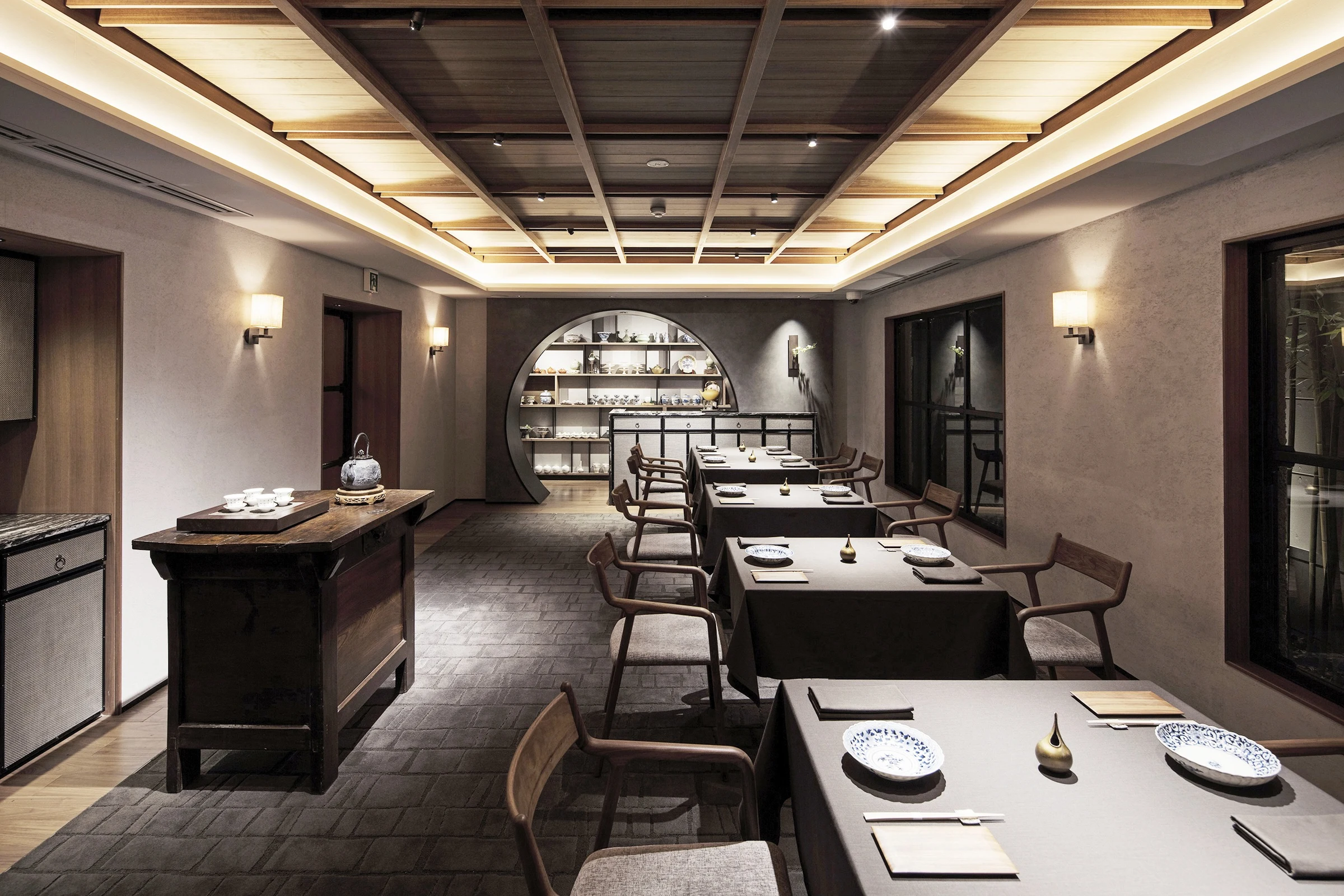
Yotsuya does not announce serious restaurants with Ginza swagger or Marunouchi hotel polish. Its language is quieter: office blocks, side streets, small signs, and dining rooms that demand attention. For French cooking in Tokyo, that matters. Away from grand rooms, the genre becomes more personal, concentrated, and less dependent on luxury cues. Kitajima-tei fits: a small-room French address where the signal is density of intent, not spectacle.
Tokyo’s French scene divides into tribes: palace-hotel classicism, polished and wine-cellar heavy; contemporary tasting-menu choreography where Japanese produce meets French structure; and a sturdier lineage with old bones, where sauces, portion logic, and the serious plate outweigh novelty. Kitajima-tei sits in the third camp, with Chef Kitajima Motoyoki’s name attached to a restaurant visible in Japanese dining rankings rather than international noise.
Classical French cooking in a city that keeps reinventing the genre
Tokyo is one of the few cities where French cuisine can feel local without losing its grammar. Diners understand Burgundy, butter, offal, pastry technique, and the difference between restraint and timidity. That fluency lets a restaurant be unfashionable in useful ways. A Yotsuya French room need not mimic Paris or chase Nordic minimalism; it can use French technique as a Tokyo language, sharpened by Japanese expectations for seasonality, precision, and pacing.
The tension is not simply old versus new. New French in Tokyo often means choosing which classical habits to keep. Stronger kitchens edit rather than discard: sauce remains important, wine central, formality measured through control rather than ceremony. Kitajima-tei’s repeated Tabelog Bronze recognition, including 2026, places it in a domestic culture that rewards consistency over trends. Its 2025 Tabelog French TOKYO 100 selection adds another signal: established French conversation, not a passing discovery.
Tokyo French can be hard to read from abroad. Michelin attention, hotel addresses, and Instagram-friendly tasting menus dominate English-language planning, while long-running local favourites sit in another stream. Opinionated About Dining’s 2026 Recommended listing for Japan gives Kitajima-tei a second credibility marker for travellers comparing it with more visible rooms. Within Tokyo, Tour D'argent Tokyo, Le Mange-Tout, Chez Olivier, Loiseau de France, and Takazawa occupy different points on the classic-to-contemporary spectrum. Kitajima-tei’s appeal is narrower: French cooking with structure and weight, not a room built to explain itself course by course.
For a broader view, ABBESSES, abysse, Alchimiste, Alternative, and amarantos show the category’s range, from seafood-led precision to smaller modern formats. They are not interchangeable. They show Tokyo French as micro-scenes answering one question differently: how much of France should remain visible on the plate?
A small dining room changes the stakes
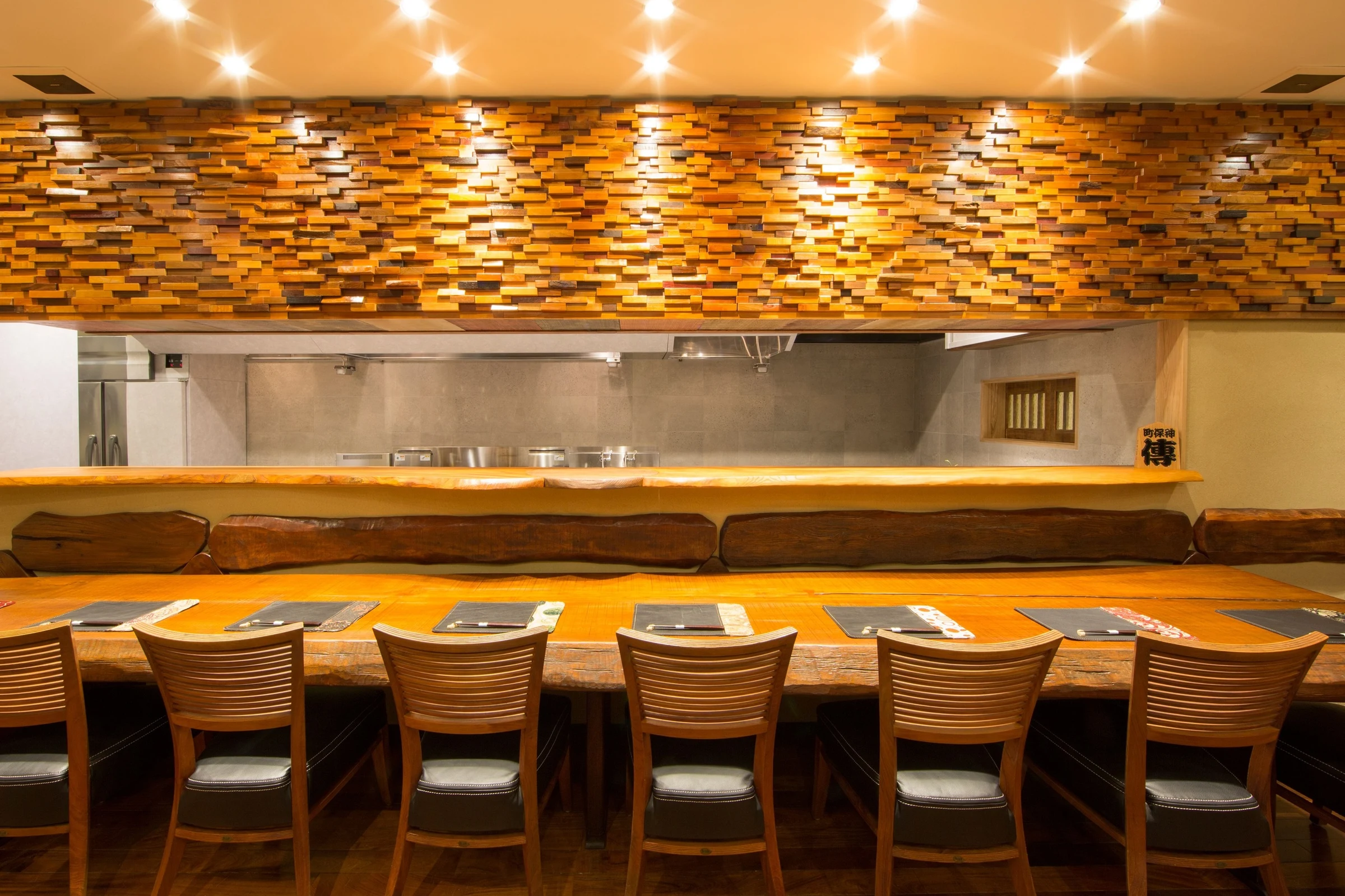
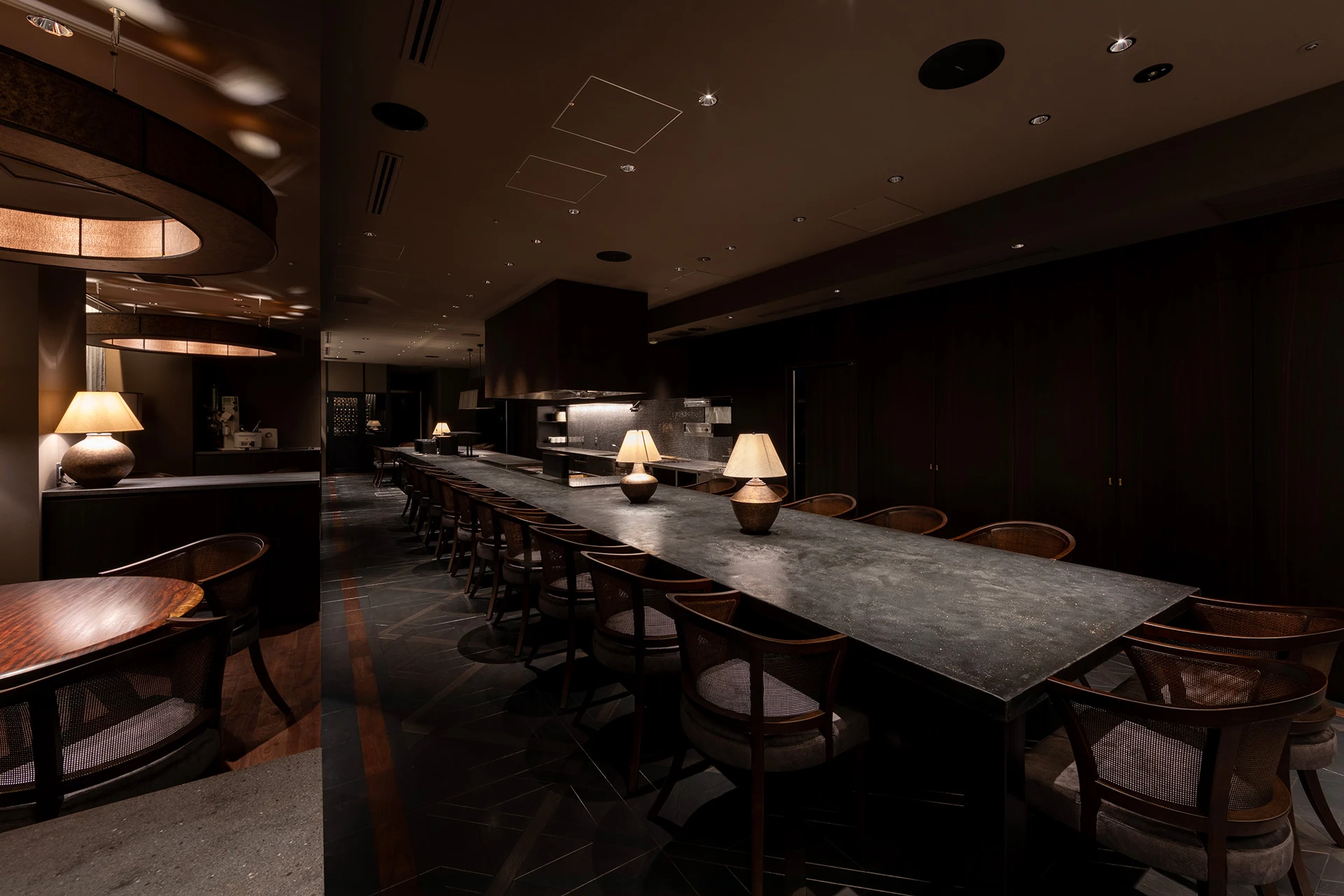
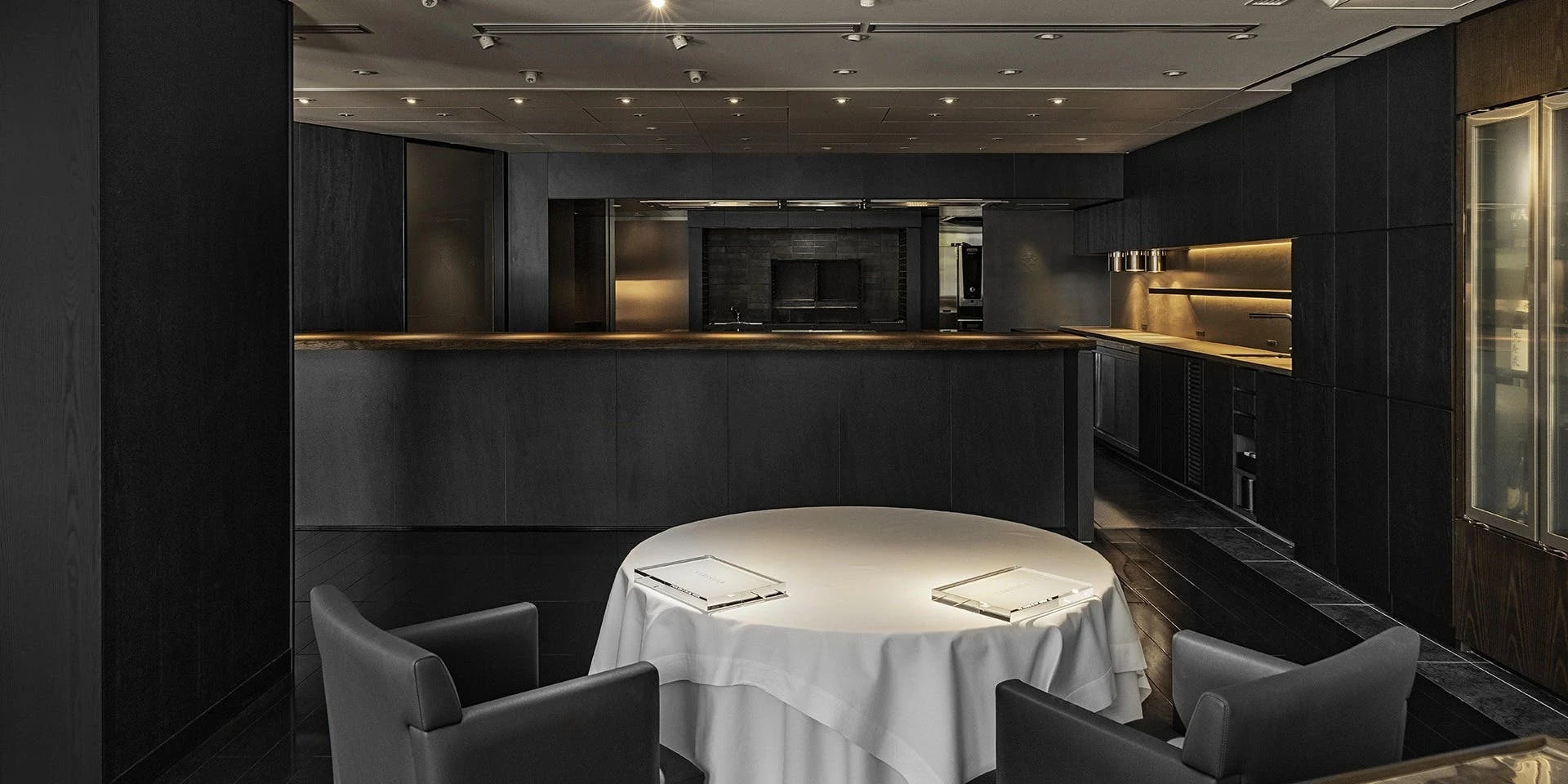
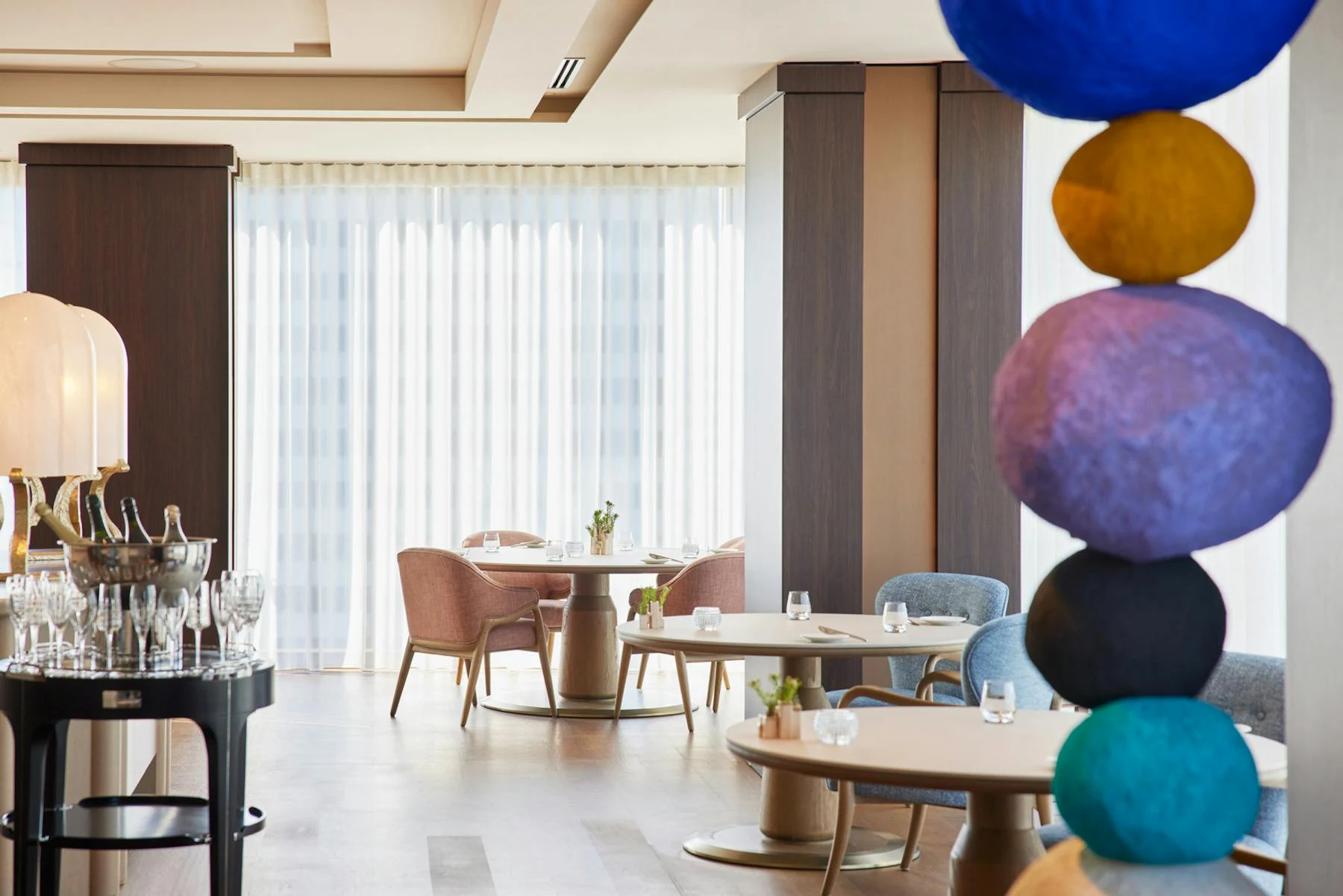
Scale is part of the argument. A 12-seat room tightens the link between kitchen rhythm and dining room pace, making weak sequencing less forgivable. In large French restaurants, service architecture can carry a meal; in compact rooms, the cooking must do more. That is why small Tokyo French addresses attract diners who care less about ceremony than whether the kitchen sustains concentration from first plate to last.
The format shapes its audience. This is not the obvious first-Tokyo answer when sushi, tempura, yakitori, kaiseki, ramen, and kissaten culture compete for limited nights. French in Tokyo is strongest for travellers who already understand the city’s dining depth and want to see imported technique become local practice. Kitajima-tei is a second- or third-trip decision, especially for diners who follow Japanese rating culture and value domestic recognition.
The wine signal matters. Tokyo French rooms of this type treat wine as architecture, not accessory, and Kitajima-tei is explicitly associated with wine seriousness. That separates it from casual bistro-style French and places it closer to dining where pacing, glassware, temperature, and pairing logic shape the meal. The point is compatibility, not excess. Classical French cooking without wine can feel incomplete; a compact room with focused cellar culture can make the food read clearly.
Yotsuya also matters. Between government, university, residential, and office Tokyo, it lacks the single-note glamour of luxury shopping districts. Restaurants here often feel less performative because the area has less to prove. It suits French cooking built on seriousness rather than scene-making. Diners seeking skyline drama should look elsewhere; diners interested in Tokyo’s quieter culinary confidence will understand the fit.
Where it belongs in a Tokyo dining itinerary
Use Kitajima-tei not as a trophy booking but as a calibration meal. It shows how Tokyo absorbs French tradition without turning it into hotel theatre or tasting-menu abstraction. The Tabelog score above four, Bronze award run, French TOKYO 100 selection, and OAD Recommended listing point to sustained local traction. None guarantees preference, but together they say this is a known quantity among serious diners, not a room floating on novelty.
Planning depends on appetite for classical technique. If the trip centres on modern Japanese minimalism, counter sushi, or high-speed izakaya energy, this may feel deliberately grounded. If the goal is to understand Tokyo as a city that internalizes foreign cuisines and makes them exacting, French belongs. The better comparison is not Paris but Tokyo’s own standards: compactness, discipline, and a dining public that punishes inconsistency quickly.
Readers mapping the wider city can use Our full Tokyo restaurants guide for dining context, while Our full Tokyo hotels guide, Our full Tokyo bars guide, Our full Tokyo wineries guide, and Our full Tokyo experiences guide place the meal inside a broader stay. Outside French, Japan’s range runs from -Grilled beef Sukiyaki- KAMAKURA TANUKIAN 鎌倉 たぬき庵 in Kamakura and.cafe in Osaka to.know in Kumamoto, (Shoku) Vietnam in Kawasaki, [Curry Senmon Ten] Maruyama Kyoju. in Sapporo, and [ki:] in Kyoto. For global French contrast, 3 Fils Counter, French in Dubai and 3G Trois Gourmands, French in Ho Chi Minh City show how differently French technique travels when the host city changes.
The verdict: choose this for Tokyo French with local credibility, compact-room focus, and classical foundations under contemporary pressure. Do not choose it for a casual drop-in, visual theatre, or a broad introduction to Japanese cuisine. Its value is narrower and stronger: a serious French meal in a city that has spent decades proving imported culinary languages can become fluent, demanding, and unmistakably its own.
Questions
Frequently asked
Who works at Kitajima-tei?
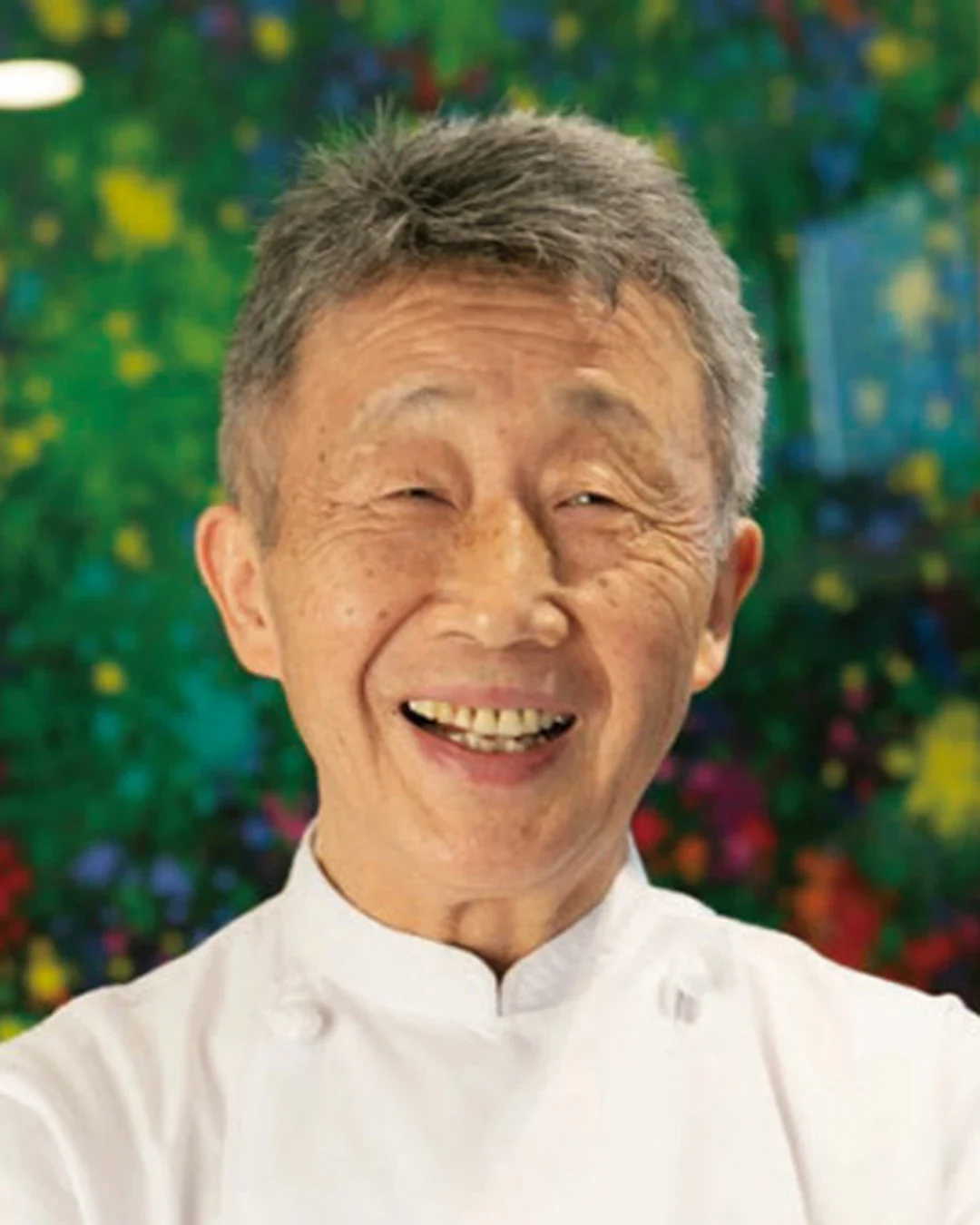
Made By profiles Kitajima Motoyoki (Chef) at Kitajima-tei.
How expensive is Kitajima-tei?
Kitajima-tei is listed at a price level of $$$.
Where is Kitajima-tei and what does it serve?
Kitajima-tei is in Shinjuku, Tokyo, serving Classic French Bistro.
The field
How it compares
| Place | Cuisine | Notes | Awards |
|---|---|---|---|
| Kitajima-tei | Classic French Bistro | Shinjuku, $$$ | · |
| Den | Modern Japanese Kaiseki | Tokyo | Michelin 2 Stars, World's 50 Best |
| Florilège | Modern French-Japanese Plant-Based Fine Dining | Tokyo | Michelin 2 Stars, World's 50 Best |
| Narisawa | Modern Japanese Satoyama Fine Dining | Tokyo | Michelin 2 Stars, World's 50 Best |
| Quintessence | Modern French Fine Dining | Tokyo | Michelin 3 Stars |
| Sazenka | Modern Chinese Fine Dining | Tokyo | Michelin 3 Stars, World's 50 Best |
| Sézanne | Modern French Fine Dining | Tokyo | Michelin 3 Stars, World's 50 Best |
In residence
Similar places
Modern Japanese Kaiseki
Den
Tokyo, Japan
★★ · 50 Best
Modern French-Japanese Plant-Based Fine Dining
Florilège
Tokyo, Japan
★★ · 50 Best
Modern Japanese Satoyama Fine Dining
Narisawa
Tokyo, Japan
★★ · 50 Best
Modern French Fine Dining
Quintessence
Tokyo, Japan
★★★
Modern Chinese Fine Dining
Sazenka
Tokyo, Japan
★★★ · 50 Best
Modern French Fine Dining
Sézanne
Tokyo, Japan
★★★ · 50 Best