Klocke Estate
- 01CityHudson, United States
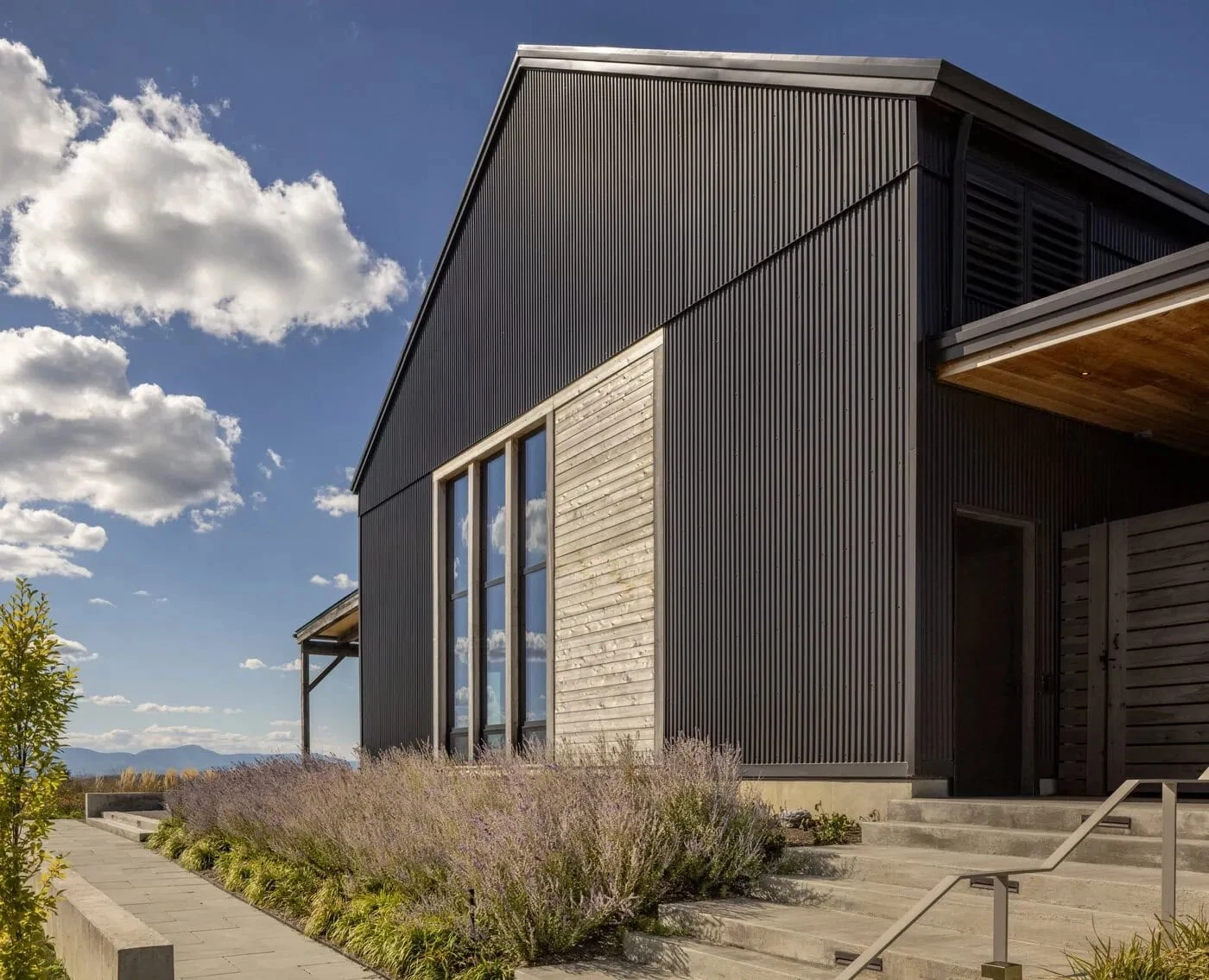
The approach to Klocke Estate is part of the argument. Hudson Valley beverage culture has long been split between casual tasting rooms, farm breweries, and winery weekends; this estate pushes the category toward something more composed. The setting is a 160-acre hilltop property in Hudson, with vineyards, apple orchards, gardens, and Catskill Mountain views framing a distillery and dining room that treat brandy as a serious agricultural expression rather than an after-dinner relic.
That matters because American craft spirits often chase breadth: gin, whiskey, vodka, canned cocktails, tasting flights designed for quick turnover. Here, the sharper editorial point is focus. Brandy and vermouth give the estate a narrower lane, closer in spirit to old European fruit-distilling traditions, while the Hudson Valley setting supplies the contemporary American frame: regenerative farming, visitor hospitality, and a design-conscious estate format.
Brandy as Hudson Valley terroir, not just a spirits category
The region’s appeal rests on agriculture as much as scenery, and Klocke Estate uses that premise directly. Chardonnay, Pinot Noir, Riesling, Cabernet Franc, and heritage apples are part of the estate’s listed agricultural vocabulary, which shifts the conversation from bar-shelf branding to soil-to-glass production. In a valley where wine, cider, and orchard culture overlap, brandy becomes a logical bridge rather than a niche import.
The production philosophy is listed as regenerative, and the sourcing tags include organic, sustainable, and regenerative. Those terms can become empty in hospitality copy, but here they are tied to a physical estate rather than a purely urban tasting room. The better way to read the project is through continuity: fruit, vines, distillation, dining, and landscape all occupying the same guest experience. For readers mapping the city’s broader food and drink circuit, Our full Hudson restaurants guide, Our full Hudson bars guide, and Our full Hudson wineries guide help place it inside the area’s wider hospitality rhythm.
Estate’s opening in July 2024 also places it inside a newer wave of Hudson Valley projects built for full-afternoon visitation rather than quick counter tastings. That timing is important. Upstate luxury has moved away from rusticity as performance and toward rural properties with serious design, controlled pacing, and food programs that can hold guests beyond the tasting itself.
A polished countryside format with food, flights, and distillery structure
Experience is not framed as a production shed with a bar attached. The listed tasting formats include distillery tours and tastings, bar tasting flights, paired tastings with dinner, group tastings, and bespoke private tastings. That range puts the estate in a more formal hospitality tier, where the guest decision is less about sampling a bottle and more about choosing the right level of engagement.
Room style follows the same logic: polished but warm, with refined lighting, elegant interiors, and a conversational noise level. Outdoor seating and garden, vineyard, and mountain view tags support the estate’s role as a scenic drinking and dining destination, but the stronger point is pacing. A 60- to 90-minute tour duration signals a visit with structure. The estate is better suited to a planned afternoon or dinner pairing than a spontaneous detour between shops.
Food pairing is part of the format, and the dining room gives the spirits program a broader frame. Brandy often suffers in American dining culture because it is treated as a late-night pour rather than something that can sit alongside food. A paired tasting with dinner changes that context. It lets fruit distillate, vermouth, orchard produce, and wine-country cues participate in the same conversation, which is exactly where the Hudson Valley has an advantage over city cocktail culture.
How to place it in a Hudson itinerary
Klocke Estate belongs in the slower half of a Hudson trip. It pairs naturally with design-led hotels, gallery time, and countryside meals rather than a packed crawl. For a wider plan, Our full Hudson hotels guide and Our full Hudson experiences guide are the right companion reads.
Travelers looking at the broader American estate-winery model can also use it as a contrast point. The brandy emphasis separates it from vineyard-first properties such as 00 Wines in Carlton, 13th Vineyard in Angwin, 50 West Vineyards in Aldie, A to Z Wineworks in Newberg, A. Rafanelli Winery in Healdsburg, Aaron Wines in Paso Robles, Ab Astris Winery in Stonewall, and Abbot’s Passage Winery & Mercantile in Glen Ellen. For a European counterpoint in scale and tradition, see »der Steiner« Hans Steiner in Podersdorf am See and & Handwein in Mannheim.
The editorial case is clear: this is a Hudson Valley estate using distillation, agriculture, and dining to make brandy feel rooted in place. Go for the full format, not a quick pour.
Questions
Frequently asked
How expensive is Klocke Estate?
Klocke Estate is listed at a price level of $$$$.
The field
How it compares
| Place | Notes | Awards |
|---|---|---|
| Klocke Estate | Claverack, $$$$ | · |
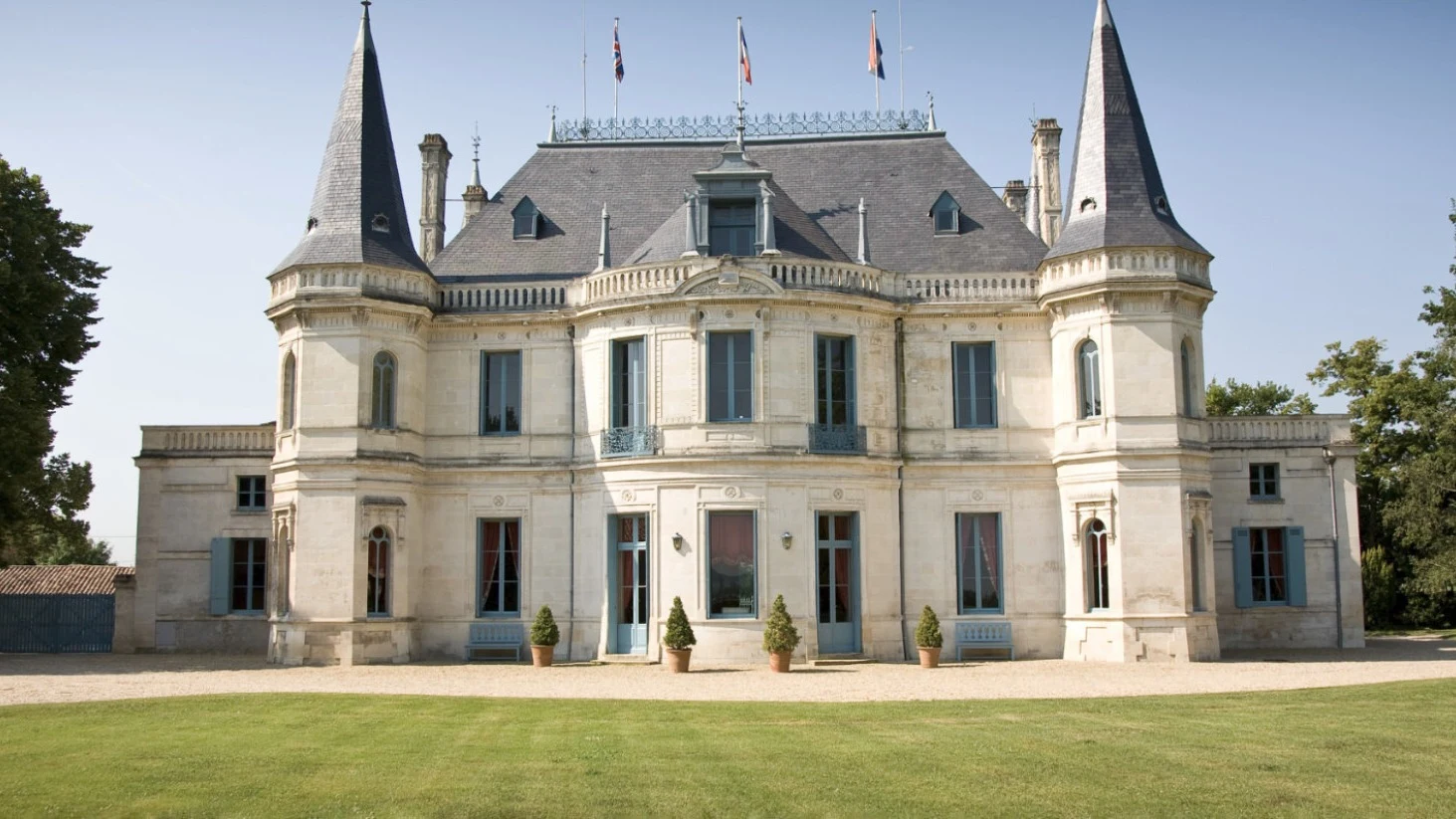
| Château Palmer | Margaux | · |
| Domaine Georges Roumier | Chambolle-Musigny | · |
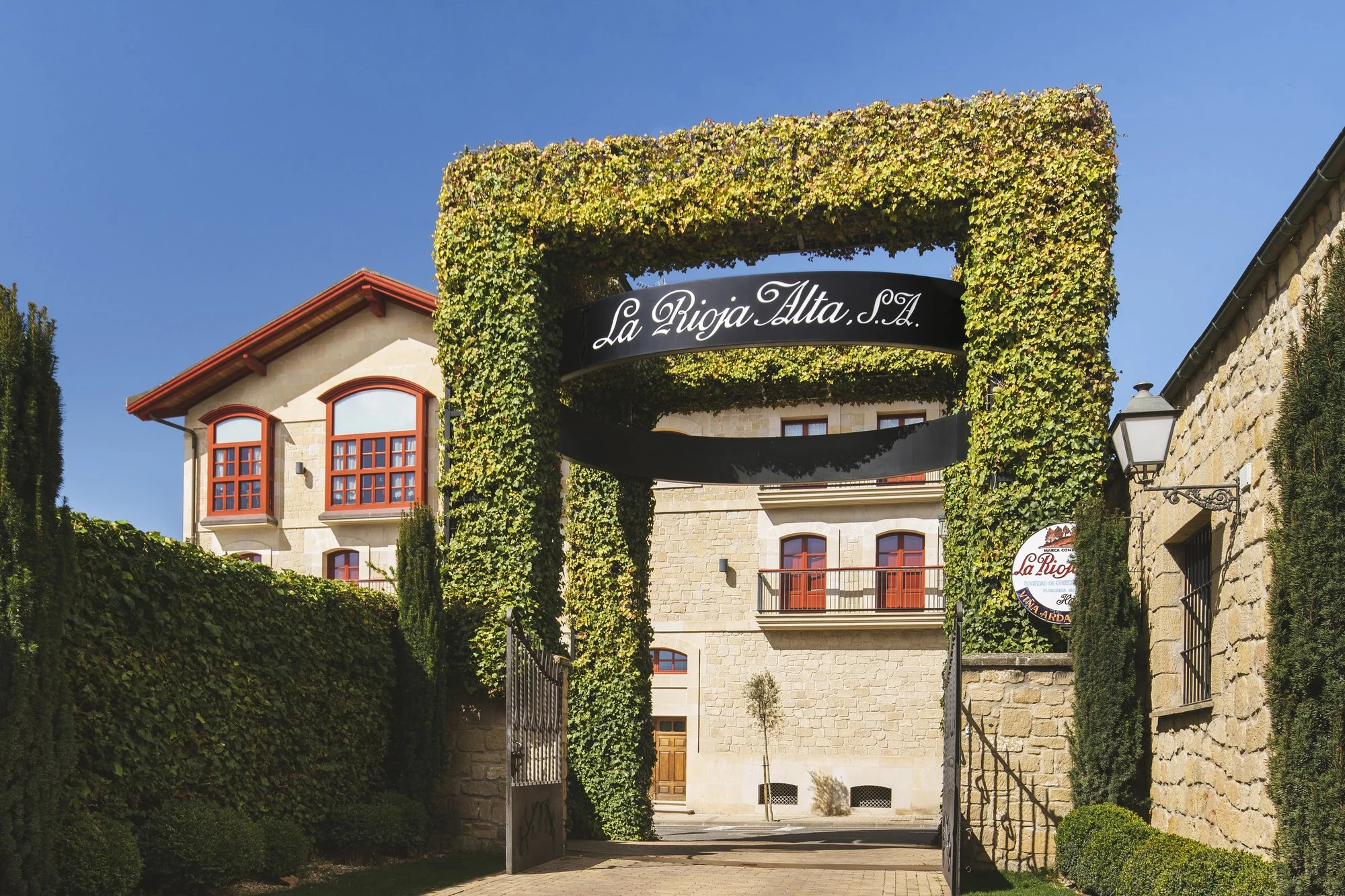
| La Rioja Alta | Haro | · |
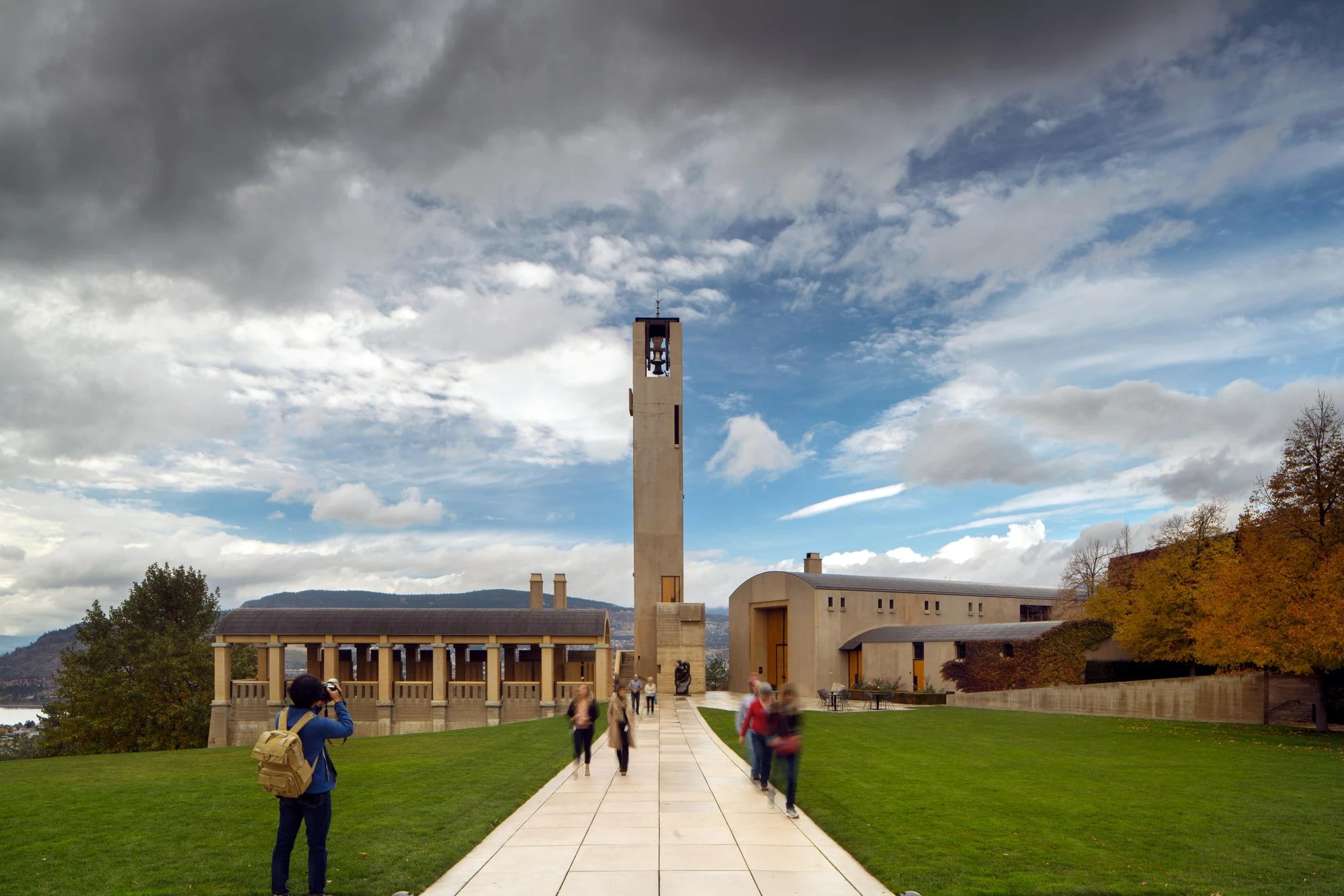
| Mission Hill Family Estate | West Kelowna | World's 50 Best |
| Ornellaia | Castagneto Carducci | · |
| Ridge Vineyards | Cupertino | World's 50 Best |