Klus 177
- 01CityAesch, Switzerland
- Falstaff Winery - Listed · 2026
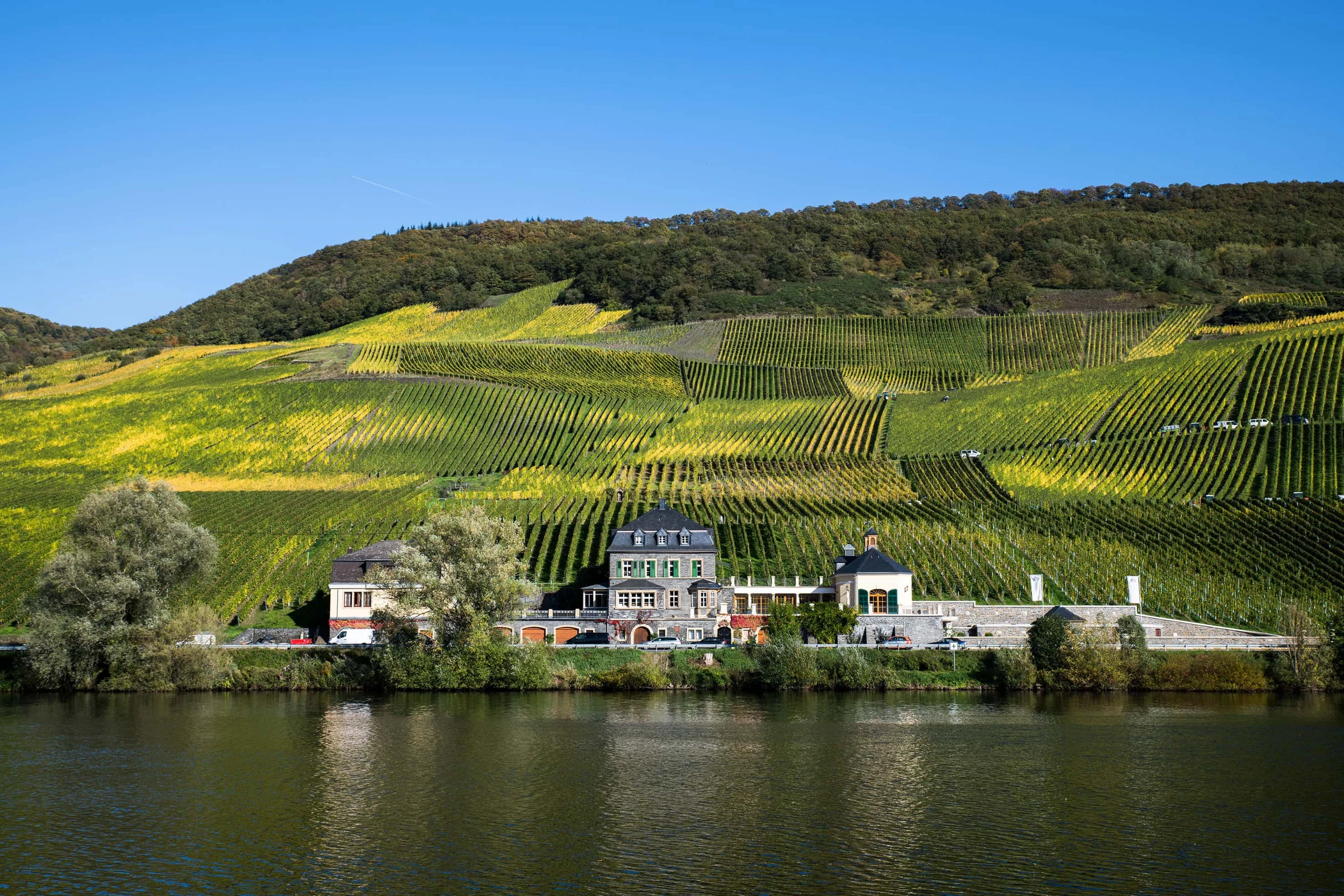
Approaching Klus 177 in Aesch, the tone is agricultural before it is architectural: countryside, vines and the slower rhythm of a winery frame the experience. The picture is not one of showy design or formal spectacle, but of a calm, authentic Basel countryside setting where biodynamic farming, sustainability and terroir-driven wines are central. That first impression matters, because it places the venue firmly in the landscape rather than above it. Klus 177 feels less like a destination trying to impress at once, and more like a place asking visitors to slow down, look around and understand the wine through its surroundings.
Klus 177 is best understood as a nature-focused winery with a scenic, rustic and intimate character. For visitors comparing options in Aesch, it stands apart as a quieter, hidden-gem choice rooted in farming values rather than a polished urban format. Its appeal is therefore not dependent on excess detail or dramatic presentation. The draw is the sense of proximity to the land: a countryside setting where the mood, the farming philosophy and the idea of terroir all point in the same direction.
Biodynamics sets the tone before the wine reaches the glass
The defining idea here is agricultural: Klus 177 is associated with biodynamic farming and sustainability. That gives the venue its editorial shape. The appeal is less about decorative grandeur and more about the sense that the wines are connected to place, landscape and farming practice. Biodynamics, in this context, helps explain why the winery is best read through its relationship to nature rather than through a conventional hospitality checklist. The farming values are not a background note; they are the frame through which the experience becomes meaningful.
The atmosphere follows from that. Klus 177 reads as scenic, rustic, cozy and calm, with an emphasis on authenticity and nature. It is a Basel countryside winery for visitors who want terroir-driven wines in a setting that feels grounded rather than theatrical. The intimacy implied by the venue is important: this is the kind of place where the surroundings do part of the talking, and where a quieter mood can feel more persuasive than a highly designed room or an elaborate presentation.
For readers mapping Aesch beyond a single stop, Klus 177 can be considered alongside other dining in Aesch generically, especially for visitors who prefer a countryside, sustainability-minded experience. It should not be approached as interchangeable with an urban restaurant or a polished bar. Its value lies in offering a different tempo, one shaped by vines, farming and the particular calm of the Basel countryside.
Countryside character and a restrained sense of place
The information supports a simple reading: Klus 177 is about biodynamic farming, sustainability and terroir-driven wines. Specific production methods, grape varieties, bottle counts and cellar techniques are not confirmed here, so the most reliable way to describe the venue is through its broader philosophy and atmosphere. That is enough to position it clearly: the winery belongs to the category of places where context is central, and where the landscape is part of the experience rather than just a scenic backdrop.
That restraint is part of the appeal. Klus 177 is not presented as a flashy design destination or a venue built around spectacle. Its strength is the combination of a rustic countryside mood, an intimate scale of feeling and a wine identity shaped by place. For visitors who are drawn to wine because of its connection to soil, season and setting, this restrained profile can be more compelling than a long list of decorative details. The character feels quieter, but not thin; it is built from consistency between philosophy and atmosphere.
For visitors, the important expectation is not a detailed promise about a particular tasting format or menu. It is the setting: a calm, nature-focused winery in Aesch where sustainability and terroir are the central themes. Going in with that expectation keeps the focus on what is actually supported: the countryside mood, the biodynamic association and the sense of an authentic, rustic place. In practical editorial terms, Klus 177 is best recommended for those who appreciate understatement and who are comfortable letting the place reveal itself without theatrical framing.
Where it fits in an Aesch wine itinerary
Klus 177 makes the most sense for travellers who care about biodynamic farming, sustainability and a quieter countryside wine experience. The price is $40 per person, which gives a useful planning anchor without implying a specific menu, tour length or service format. That distinction is important: the figure helps visitors situate the venue in a budget, while the experience should still be understood through its setting and values rather than through assumptions about what is included.
For a wider itinerary, use Aesch as a focused stop rather than treating it as a checklist destination. Klus 177 offers a scenic, rustic and intimate counterpoint to more generic dining in Aesch, especially for visitors drawn to calm settings and terroir-driven wines. It suits an itinerary that leaves room for atmosphere, not just consumption: countryside, sustainability and a sense of place are the reasons to come. For those priorities, the venue’s quietness is not a limitation but the main point.
Questions
Frequently asked
How expensive is Klus 177?
Klus 177 is listed at a price level of $$.
The field
How it compares
| Place | Notes | Awards |
|---|---|---|
| Klus 177 | Klus (Aesch), $$ | · |
| Chateau Haut-Brion | Pessac | World's 50 Best |
| Creation Wines | Hermanus | World's 50 Best |
| Domaine Bruno Clair | Marsannay-la-Côte | · |
| Domaines Barons de Rothschild (Lafite) | Bordeaux | · |
| Tschäpperli | Aesch | · |
| Weingut Dr. Loosen | Bernkastel-Kues | World's 50 Best |