Kodama
- 01CuisineModern Japanese Kaiseki
- 02CityTokyo, Japan
Ten seats, seasonal kaiseki
- Opinionated About Dining Top Restaurants in Japan Recommended · 2026
- Opinionated About Dining Top Restaurants in Japan Ranked #591 · 2025
- Opinionated About Dining Top Restaurants in Japan Recommended · 2023
The right answer at the counter
The decision lands before the plate does: how much heat, how little seasoning, when to stop. Shusaku Toba, chef at Kodama in Nishiazabu, Tokyo, works inside that narrow interval, where modern kaiseki depends less on display than on timing. His own words give the station its measure: “I think sense is the ability to choose the best answer for the situation.” At this counter, sense is not a flourish. It is the hand choosing restraint, the pass holding its pace, the dish arriving with its purpose intact.
Toba’s working life also carries another responsibility. Since 2018, he has been Owner Chef at sio in Tokyo, while Kodama remains part of his work as chef. The two roles ask for different kinds of discipline: ownership at one house, service at another, both tested through repeated decisions rather than declarations. What it does make clear is the role itself, a chef working within an omakase format where judgment has to move course by course, ingredient by ingredient, without leaning on excess.
Ten seats and a seasonal method
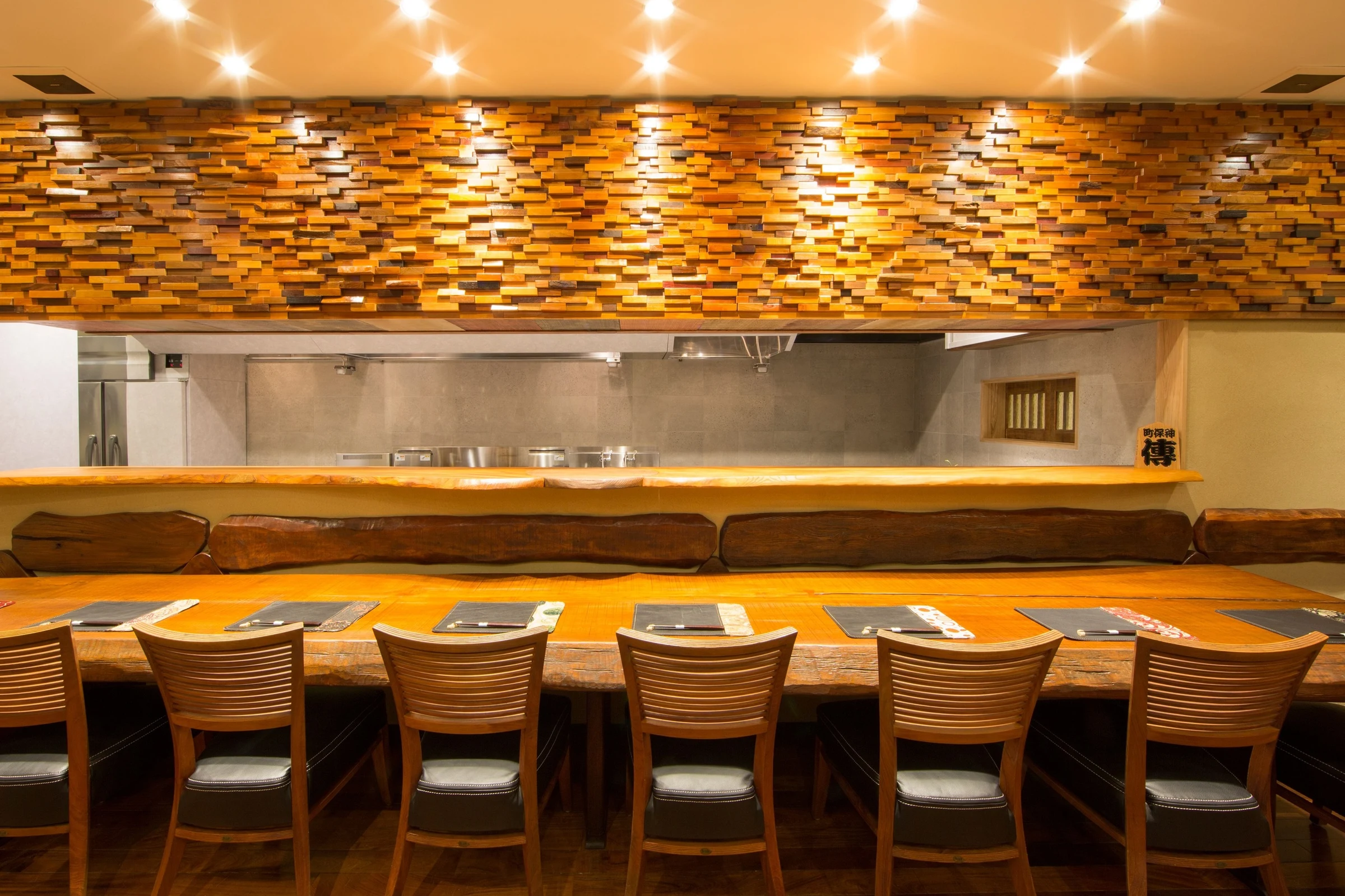
Kodama is built around a 10-seat kaiseki counter, with the meal unfolding as omakase and tasting menu rather than choice from a long card. The format keeps the method close to the guest. Abalone with soba noodles, fugu soup, crab with wasabi, and tuna cheek with spring vegetables belong to the house vocabulary, each one relying on a clear seasonal signal and a controlled hand. The culinary approach is modern, but the pressure is old: protect the ingredient, decide the sequence, let the seasoning carry only what it needs to carry.
The wine program stays minimal, leaving the food program to set the rhythm. That restraint suits a kitchen concerned with natural flavors and local sourcing, where the work is not to cover the material but to tune it. In a counter setting, every adjustment becomes visible: the pause before serving, the portioning, the order in which warmth and texture meet. Toba’s line, “Cooking is a means; the purpose is to make people happy,” reads plainly here. The craft is not framed as performance, even when the guest can see the hands.
Piano jazz under lacquered wood
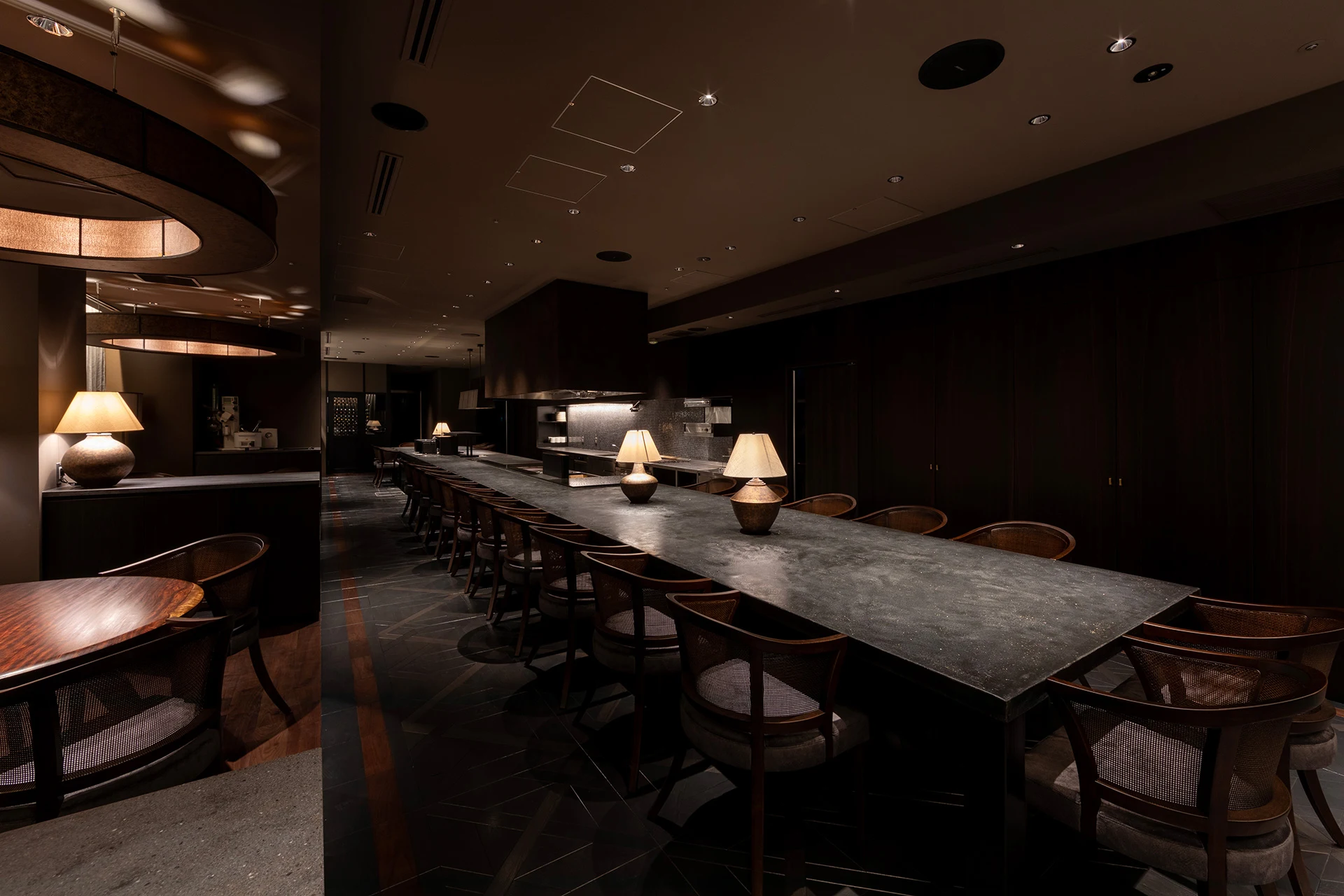
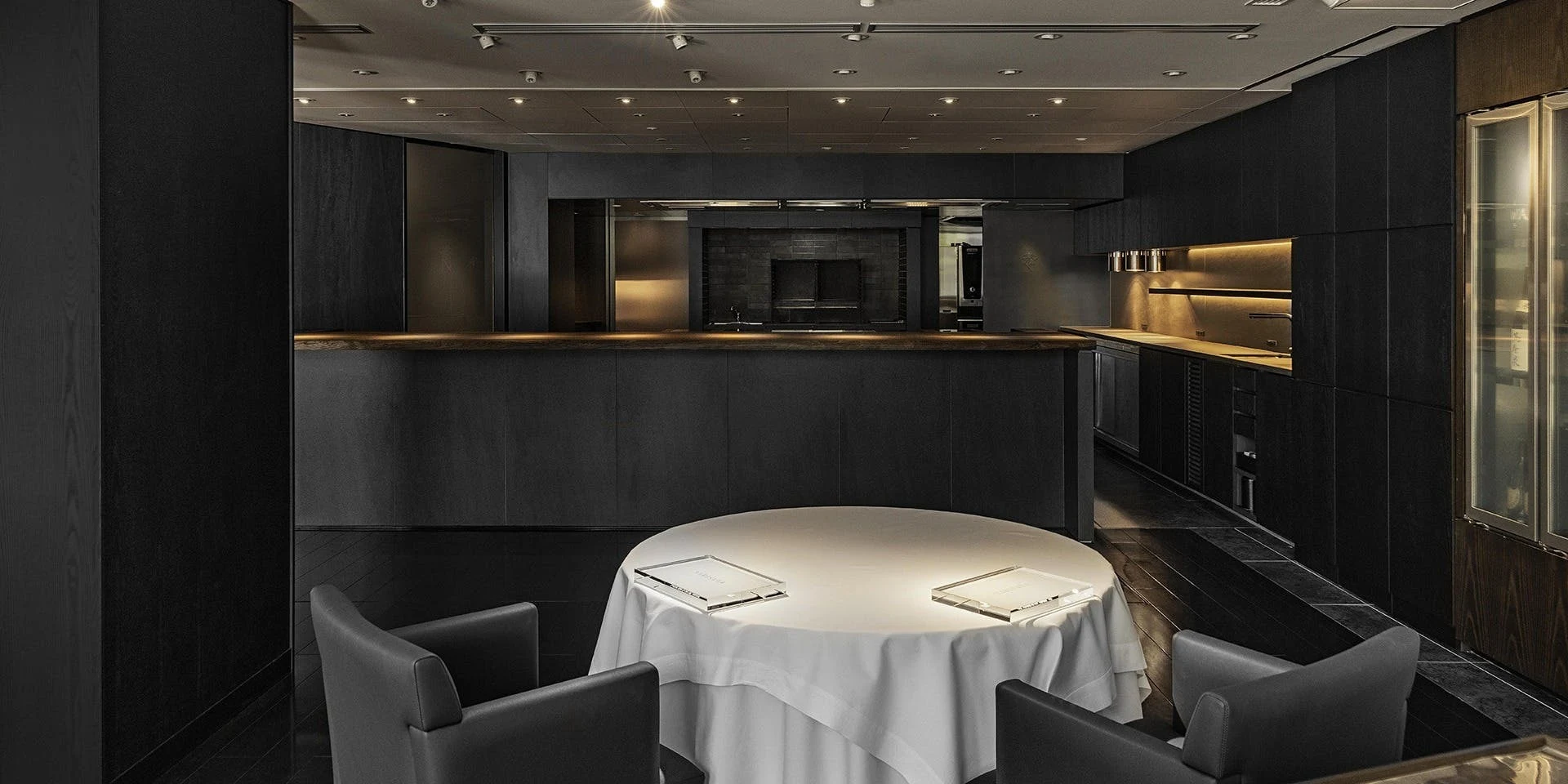
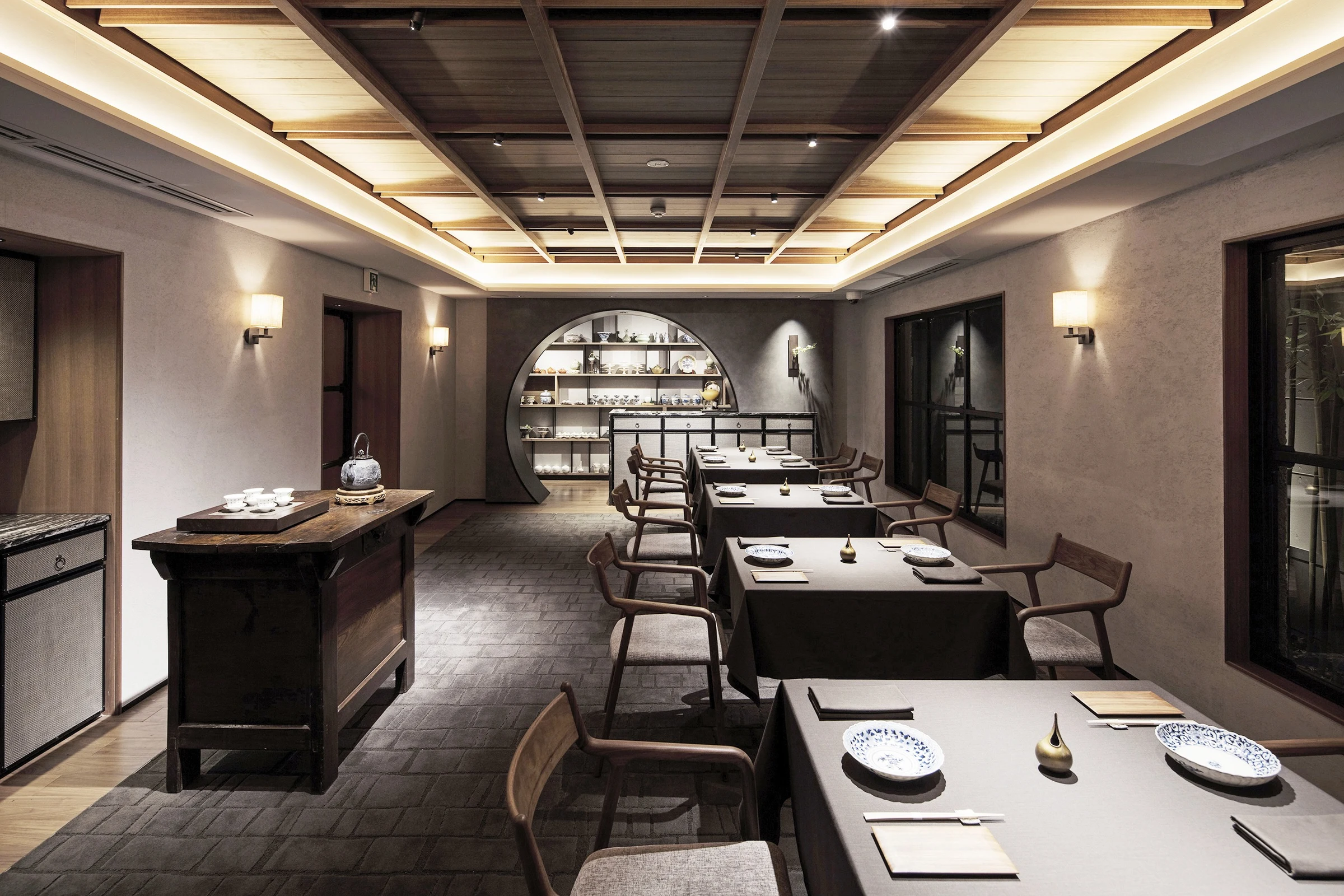
The room keeps its voice low. Lacquered wood, chef-designed ceramics, and soft piano jazz create a frame for counter dining that does not compete with the pass. The seating brings the guest near enough to notice economical movement, but the atmosphere remains quiet, more study than theatre. In Nishiazabu, that matters. The place does not need a broad room to make its case; it depends on proximity, the bench-side view of a course taking shape, and the patience of a meal that asks the guest to stay with small changes in temperature, cut, and aroma.
The next thing here is not announced as spectacle. It is the next seasonal answer Toba chooses inside Kodama’s 10-seat counter, whether abalone with soba noodles or tuna cheek with spring vegetables.
Questions
Frequently asked
Who cooks at Kodama?
Shusaku Toba cooks at Kodama in Nishiazabu, Tokyo, as chef. He is also Owner Chef at sio in Tokyo, a role he has held since 2018.
What kind of restaurant is Kodama?
Kodama is a modern Japanese kaiseki restaurant built around a 10-seat counter. The meal is served as omakase and a tasting menu rather than from a long à la carte list.
Is booking required?
Reservations are essential.
What are some of the dishes associated with the menu?
The house vocabulary includes abalone with soba noodles, fugu soup, crab with wasabi, and tuna cheek with spring vegetables.
What should diners expect from the room and dress code?
The room is small and quiet, with lacquered wood, chef-designed ceramics, and soft piano jazz. The dress code is smart casual.
The field
How it compares
| Place | Cuisine | Notes | Awards |
|---|---|---|---|
| Kodama | Modern Japanese Kaiseki | Minato, $$$$ | · |
| Den | Modern Japanese Kaiseki | Tokyo | Michelin 2 Stars, World's 50 Best |
| Florilège | Modern French-Japanese Plant-Based Fine Dining | Tokyo | Michelin 2 Stars, World's 50 Best |
| Narisawa | Modern Japanese Satoyama Fine Dining | Tokyo | Michelin 2 Stars, World's 50 Best |
| Quintessence | Modern French Fine Dining | Tokyo | Michelin 3 Stars |
| Sazenka | Modern Chinese Fine Dining | Tokyo | Michelin 3 Stars, World's 50 Best |
| Sézanne | Modern French Fine Dining | Tokyo | Michelin 3 Stars, World's 50 Best |
Similar places
Modern Japanese Kaiseki
Den
Tokyo, Japan
★★ · 50 Best
Modern French-Japanese Plant-Based Fine Dining
Florilège
Tokyo, Japan
★★ · 50 Best
Modern Japanese Satoyama Fine Dining
Narisawa
Tokyo, Japan
★★ · 50 Best
Modern French Fine Dining
Quintessence
Tokyo, Japan
★★★
Modern Chinese Fine Dining
Sazenka
Tokyo, Japan
★★★ · 50 Best
Modern French Fine Dining
Sézanne
Tokyo, Japan
★★★ · 50 Best