Koshikiryori Koki
In Residence
Chin "Tommy" Shiko
Chef
- 01CuisineHong Kong-Style Chinese Fine Dining
- 02CityTokyo, Japan
- 03RecognitionOne Michelin Star
- 1 Michelin Star · Michelin Guide
- Tabelog 100 #56: 4.2pts · 2026
- Michelin 1 Star · 2026
- Opinionated About Dining Top Restaurants in Japan Recommended · 2026
- Tabelog Bronze #197: 4.2pts · 2026
- Tabelog Bronze · 2025
- Michelin 1 Star · 2024
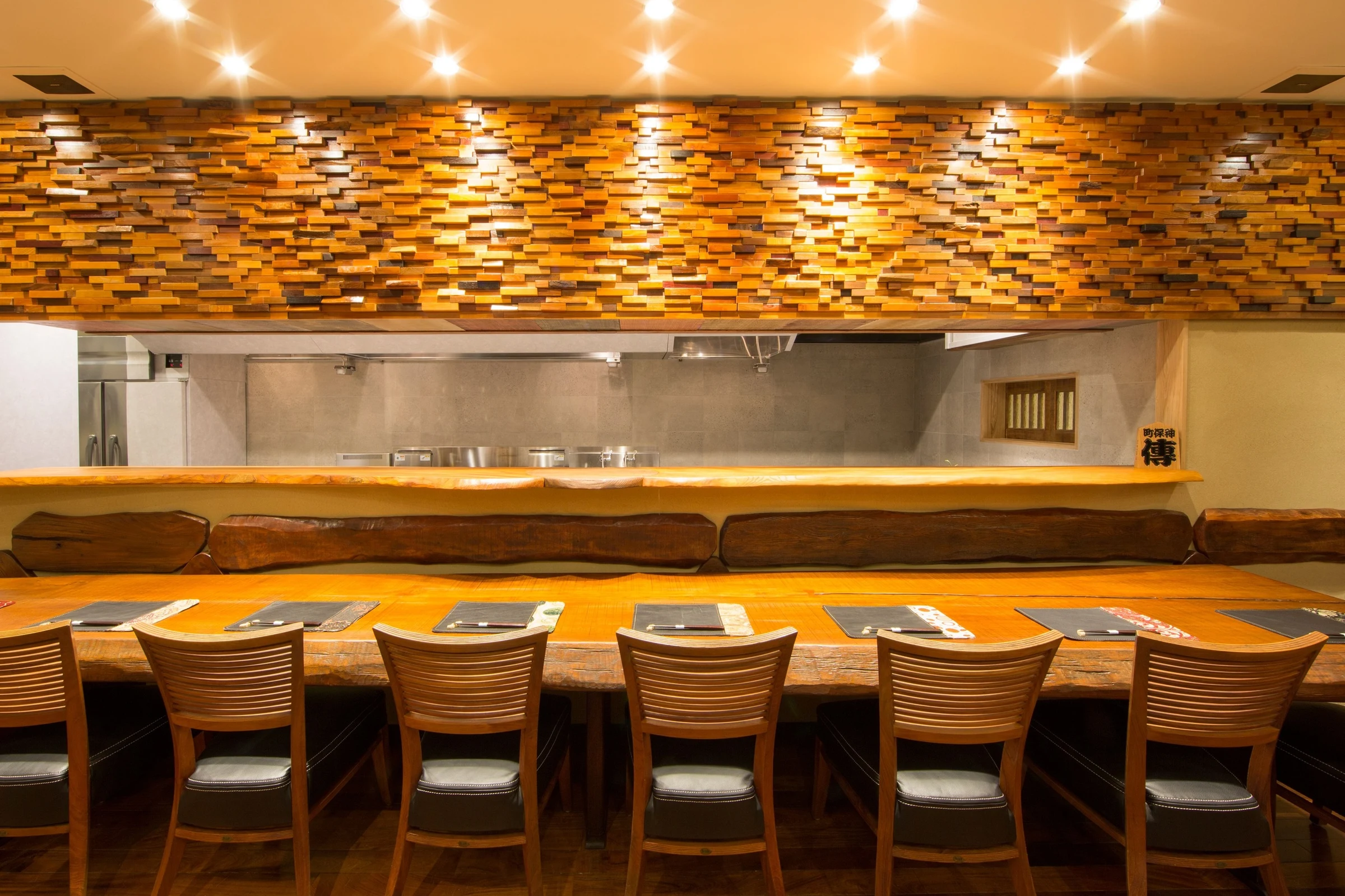
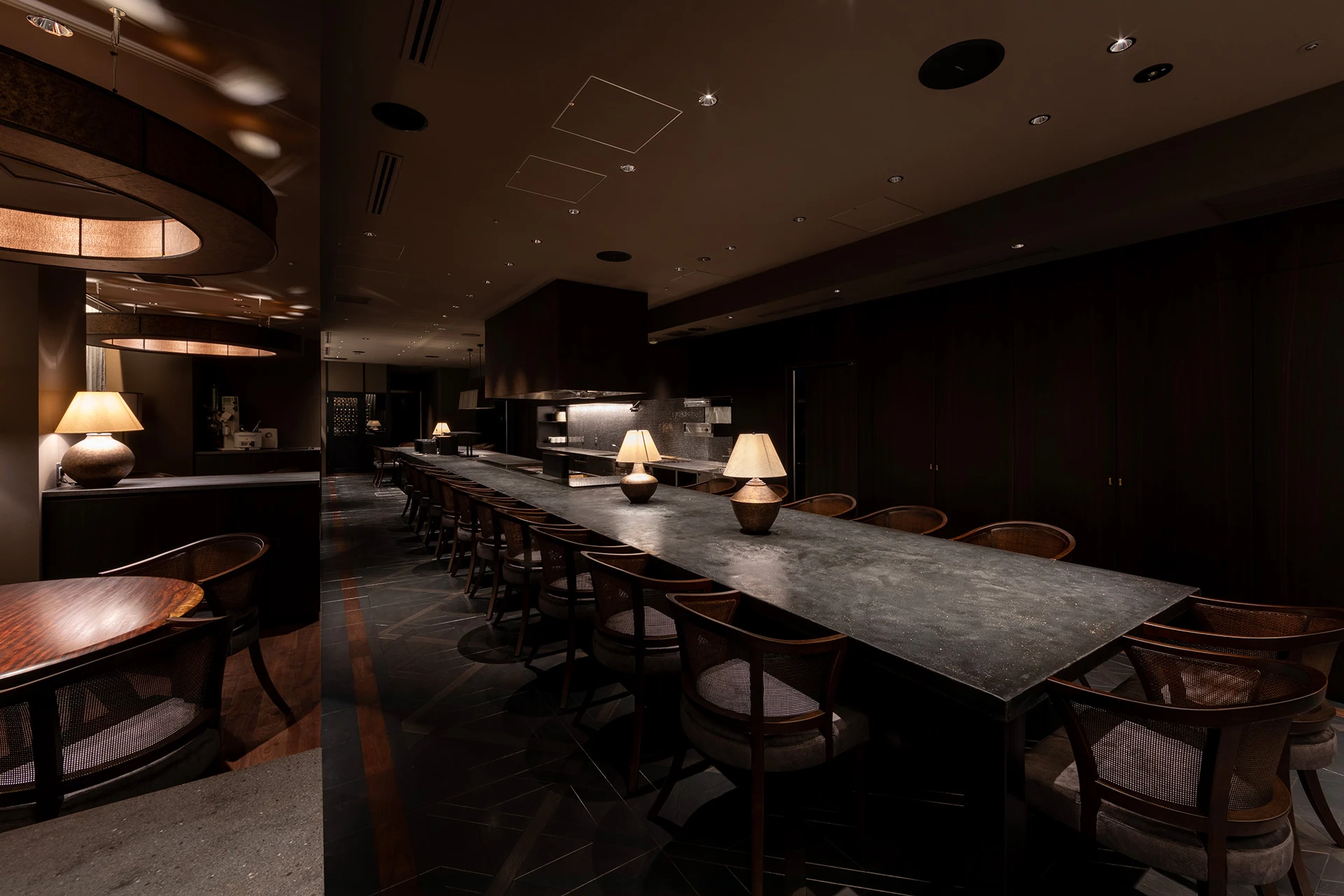
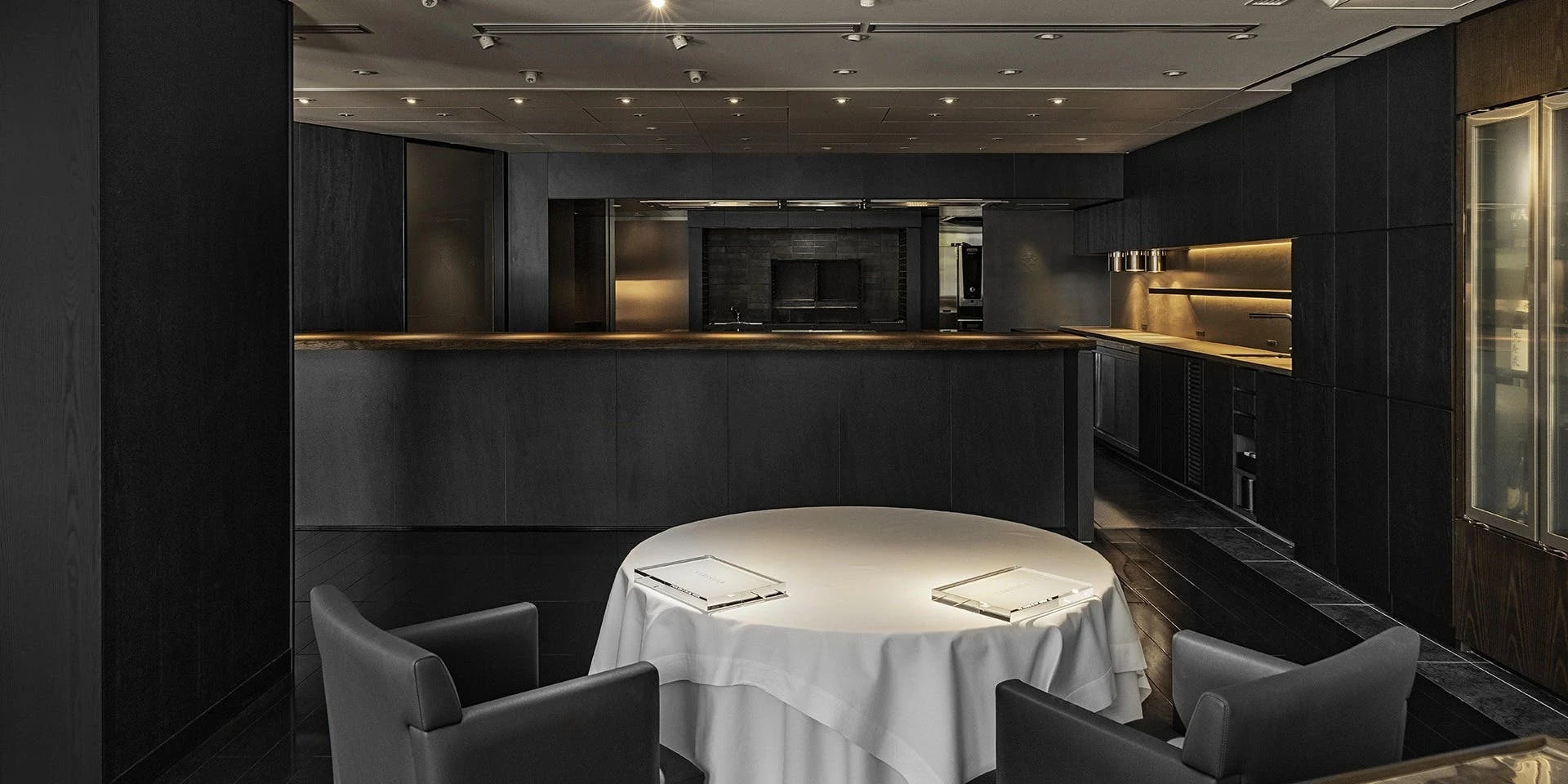
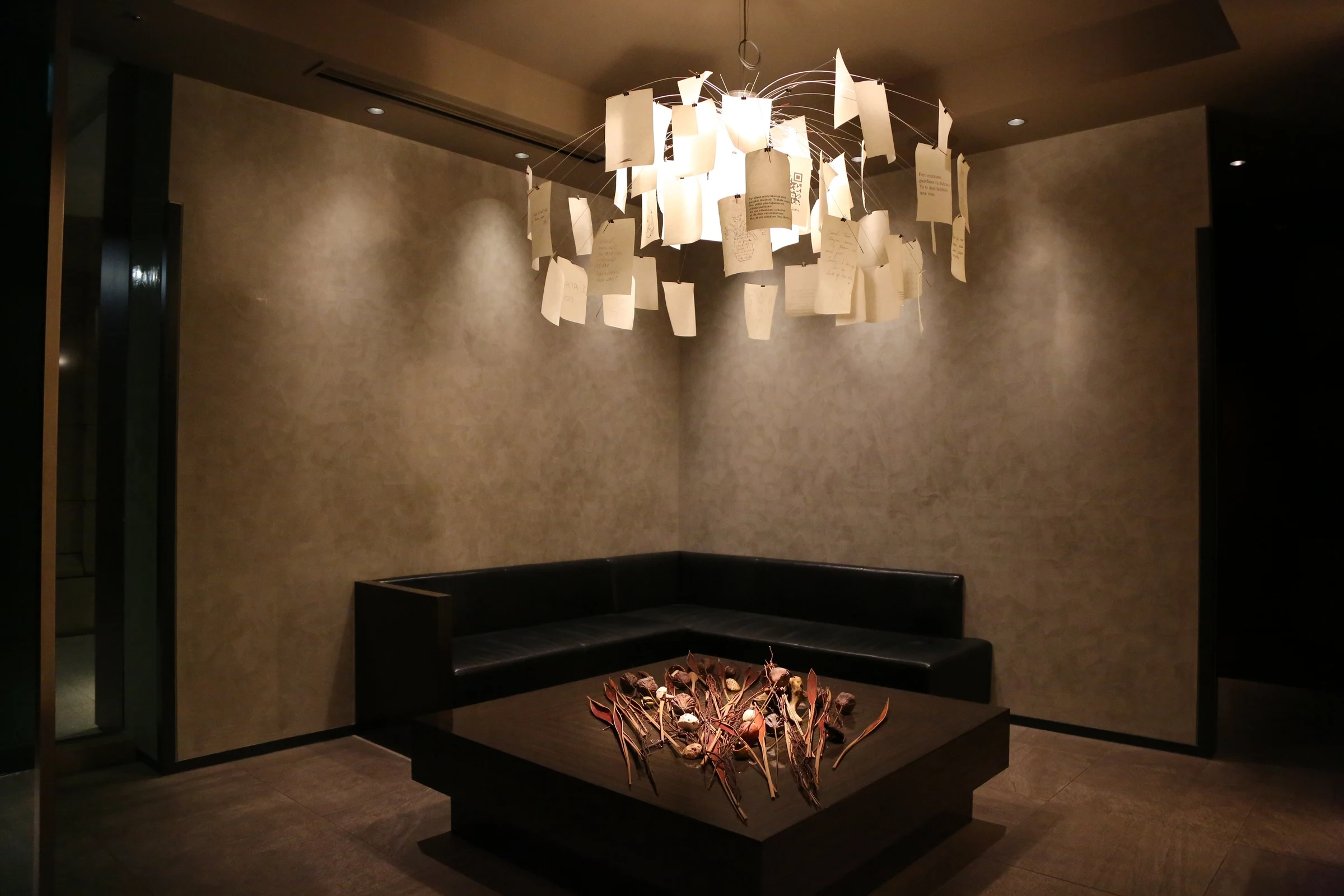
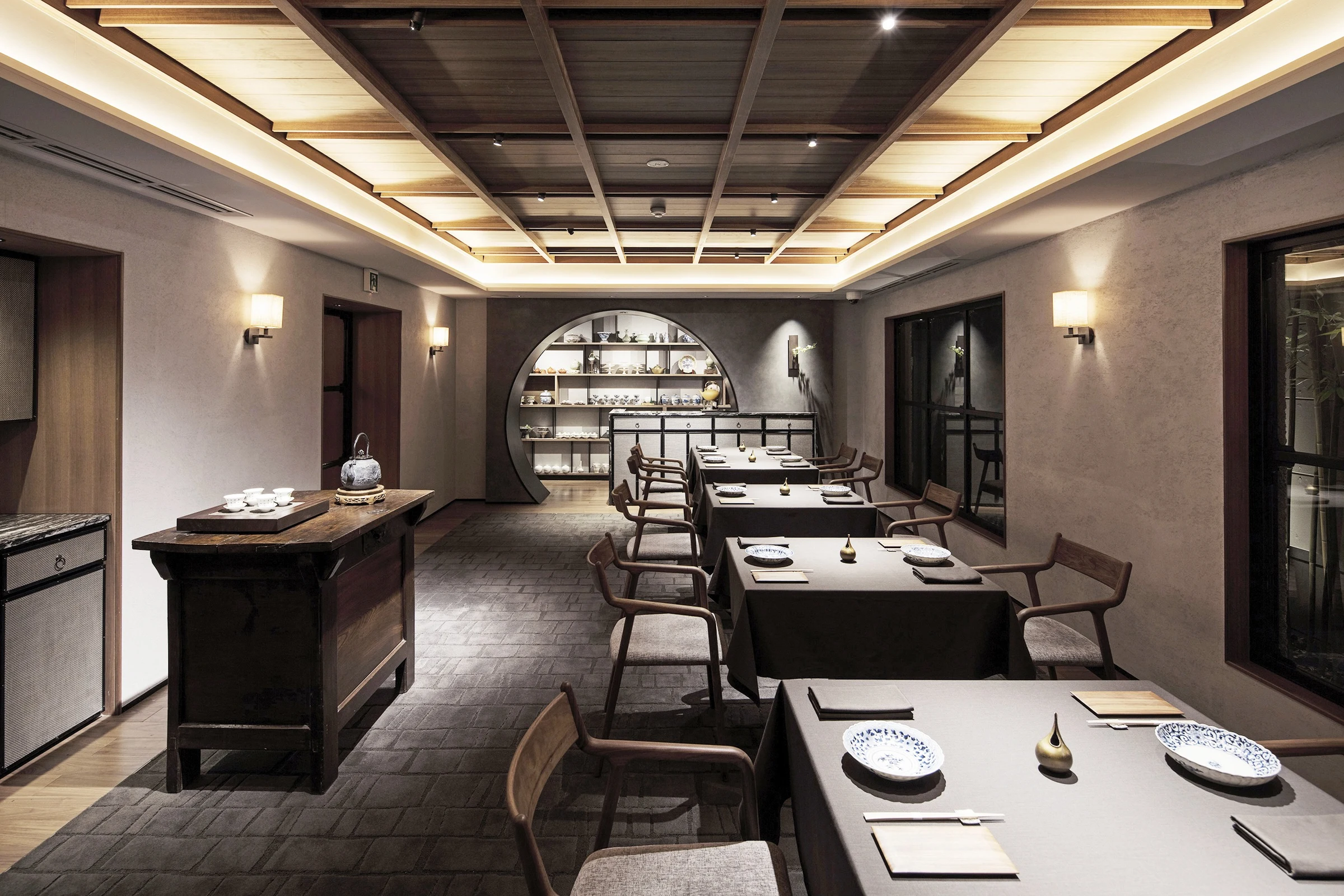
After office hours in Nishishinbashi, glass towers give way to side streets and the quieter rhythm of a small dining room built for concentration rather than spectacle. Tokyo’s Chinese scene has long split between grand hotel Cantonese rooms and chef-led counters, but its sharper recent energy sits in compact restaurants translating banquet logic into tighter, course-driven evenings. Koshikiryori Koki fits that category: Hong Kong references, shared-table choreography, serious wine and sake support, and a room scaled for diners seeking precision without hotel-restaurant formality.
The useful comparison is not only with Tokyo’s high-end Chinese addresses, but with the city’s appetite for controlled formats. Omakase counters taught diners to value trust, pacing, and limited choice. Chinese restaurants at this level adapt that discipline differently: the pleasure remains communal, while the sequence is managed like a tasting menu. Koshikiryori Koki therefore sits closer to the contemporary Chinese tier of Hei Fung Terrace, Series, Wakiya Ichiemicharo, Tokyo Chinese Ichirin, and Ippei Hanten than to everyday neighborhood chuka cooking.
Hong Kong banquet grammar, compressed for Tokyo
Hong Kong dining culture is built on circulation: platters passing, sauces shared, poultry and seafood arriving as anchors rather than garnish. In Tokyo, that tradition is filtered through smaller rooms and tighter service, creating a hybrid where the mood stays generous but pacing becomes exact. Koshikiryori Koki’s public positioning is explicit about Hong Kong flavors, and its notes point to fish, wine, sake, shochu, and sommelier presence. That places the meal in a category where Chinese cuisine is treated not as a broad menu to scan, but as a sequenced dinner with beverage structure and ingredient focus.
The banquet-table angle is key. Shared Chinese dining is not casual by default; here, it becomes choreography of portioning, timing, and temperature. Tokyo diners used to counter formats will recognize the discipline, but the social dynamic differs. The meal is less about one diner watching a chef’s hands than about the table moving together through one course logic. That suits business meals and small groups, where conversation can carry across dishes without giving up the rigor expected from a premium Tokyo reservation.
The pork-broth note is more than dietary fine print. It signals a kitchen built around a base flavor structure, not broad substitution. In serious Chinese cooking, stocks and marinades often run through multiple courses. Diners with restrictions should treat that as structural, not a minor adjustment. The same-course requirement for the table reinforces this: communal dining with a fixed rhythm, not mix-and-match preferences.
Recognition places it in Tokyo's serious Chinese conversation
Tabelog Award Bronze recognition in 2025 and 2026, plus selection for Tabelog Chinese TOKYO “Tabelog 100” in multiple years, gives the restaurant a clear external signal inside Japan’s restaurant culture. These lists matter locally because they capture diner intensity in a market where reservations, repeat visits, and fine distinctions between similar formats carry weight. The score has sat above the four-point threshold in recent listings, which in Tokyo usually means a restaurant is judged against ambitious peers rather than casual category standards.
That recognition clarifies the competitive set. Tokyo has hotel-polished Chinese restaurants, rooms using Sichuan heat as their primary language, and a growing group applying Japanese seasonality and tasting-menu order to regional Chinese references. Koshikiryori Koki’s Hong Kong direction gives it a narrower identity. The appeal is not novelty, but banquet generosity scaled down without losing shared abundance. For diners comparing Chinese reservations in the city, that is more useful than another generic label of “Chinese fine dining.”
The compact room reinforces the point. Large-format Cantonese and Hong Kong style dishes can feel ceremonial in banquet rooms; in a smaller Tokyo setting, they become immediate, with the table as stage. Counter seating adds a Tokyo-specific layer, letting chef-facing dining culture coexist with cuisine traditionally built for group service. That tension is the interesting part: communal Chinese grammar, Japanese reservation discipline, and beverage-led dining in one controlled format.
How to place it within a Tokyo dining itinerary
For travelers building a Tokyo restaurant schedule, this is not a casual first-night meal after a long-haul arrival. It works better as a planned dinner when the table can commit to the format and let the sequence run. Cancellation rules are firm, the service charge is part of the economics, and the reservation-only structure suits diners who want a composed Chinese meal rather than a spontaneous à la carte stop. Children are allowed only when they can sit and eat properly, matching the room’s adult pacing and premium category.
Within Minato, the location is useful for travelers staying around Toranomon, Akasaka, Ginza, or central business districts, but the more important context is culinary. Tokyo rewards specialization. Sushi, tempura, kaiseki, yakitori, and high-level Chinese dining all ask diners to choose a lane. Koshikiryori Koki’s lane is Hong Kong inflected shared dining with enough structure for the same audience that books small counters and fixed-course restaurants elsewhere in the city. It is strong for diners who want Chinese cuisine to carry the evening rather than compromise between several preferences.
Readers comparing Chinese options in Tokyo can cross-check the broader field through 4000 Chinese Restauranat, 4000 Chinese Restaurant, Canton Meisai Akasaka Rikyu, Choyo, and Chugoku Hanten Fureika. For city-wide planning, use Our full Tokyo restaurants guide, Our full Tokyo hotels guide, Our full Tokyo bars guide, Our full Tokyo wineries guide, and Our full Tokyo experiences guide. Broader Japan and Chinese-dining context can be mapped through -Grilled beef Sukiyaki- KAMAKURA TANUKIAN 鎌倉 たぬき庵 in Kamakura,.cafe in Osaka,.know in Kumamoto, (Shoku) Vietnam in Kawasaki, [Curry Senmon Ten] Maruyama Kyoju. in Sapporo, [ki:] in Kyoto, 888 Seafood, Chinese in Rosemead, and Akihana, Chinese in Kyoto.
Questions
Frequently asked
What recognition does Koshikiryori Koki hold?
Koshikiryori Koki holds 1 Michelin star.
Who works at Koshikiryori Koki?
Made By profiles Chin "Tommy" Shiko (Chef) at Koshikiryori Koki.
How expensive is Koshikiryori Koki?
Koshikiryori Koki is listed at a price level of $$$$.
Where is Koshikiryori Koki and what does it serve?
Koshikiryori Koki is in Minato, Tokyo, serving Hong Kong-Style Chinese Fine Dining.
The field
How it compares
| Place | Awards | Cuisine | Notes |
|---|---|---|---|
| Koshikiryori Koki | Michelin 1 Star | Hong Kong-Style Chinese Fine Dining | Minato, $$$$ |
| Den | Michelin 2 Stars, World's 50 Best | Modern Japanese Kaiseki | Tokyo |
| Florilège | Michelin 2 Stars, World's 50 Best | Modern French-Japanese Plant-Based Fine Dining | Tokyo |
| Narisawa | Michelin 2 Stars, World's 50 Best | Modern Japanese Satoyama Fine Dining | Tokyo |
| Quintessence | Michelin 3 Stars | Modern French Fine Dining | Tokyo |
| Sazenka | Michelin 3 Stars, World's 50 Best | Modern Chinese Fine Dining | Tokyo |
| Sézanne | Michelin 3 Stars, World's 50 Best | Modern French Fine Dining | Tokyo |
In residence

Similar places
Modern Japanese Kaiseki
Den
Tokyo, Japan
★★ · 50 Best
Modern French-Japanese Plant-Based Fine Dining
Florilège
Tokyo, Japan
★★ · 50 Best
Modern Japanese Satoyama Fine Dining
Narisawa
Tokyo, Japan
★★ · 50 Best
Modern French Fine Dining
Quintessence
Tokyo, Japan
★★★
Modern Chinese Fine Dining
Sazenka
Tokyo, Japan
★★★ · 50 Best
Modern French Fine Dining
Sézanne
Tokyo, Japan
★★★ · 50 Best