- Tabelog Silver #66: 4.5pts · 2026
- Opinionated About Dining Top Restaurants in Japan Ranked #143 · 2026
- Opinionated About Dining Top Restaurants in Japan Ranked #212 · 2025
- Tabelog 100 #43: 4.4pts · 2025
- Tabelog Bronze · 2025
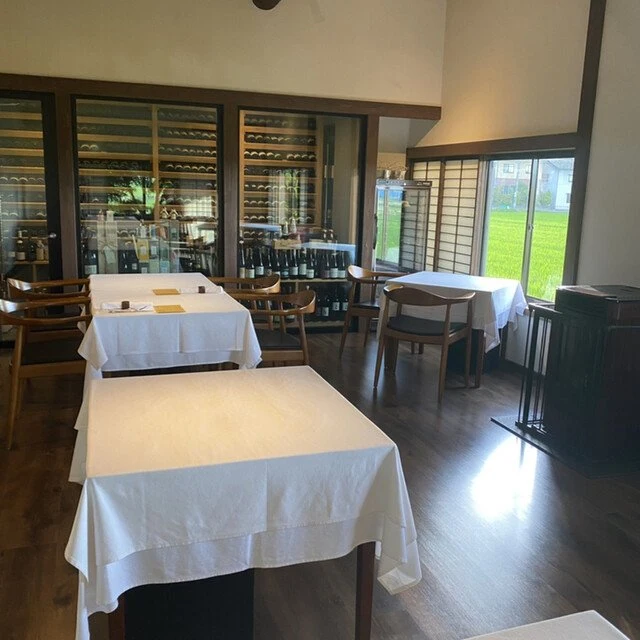
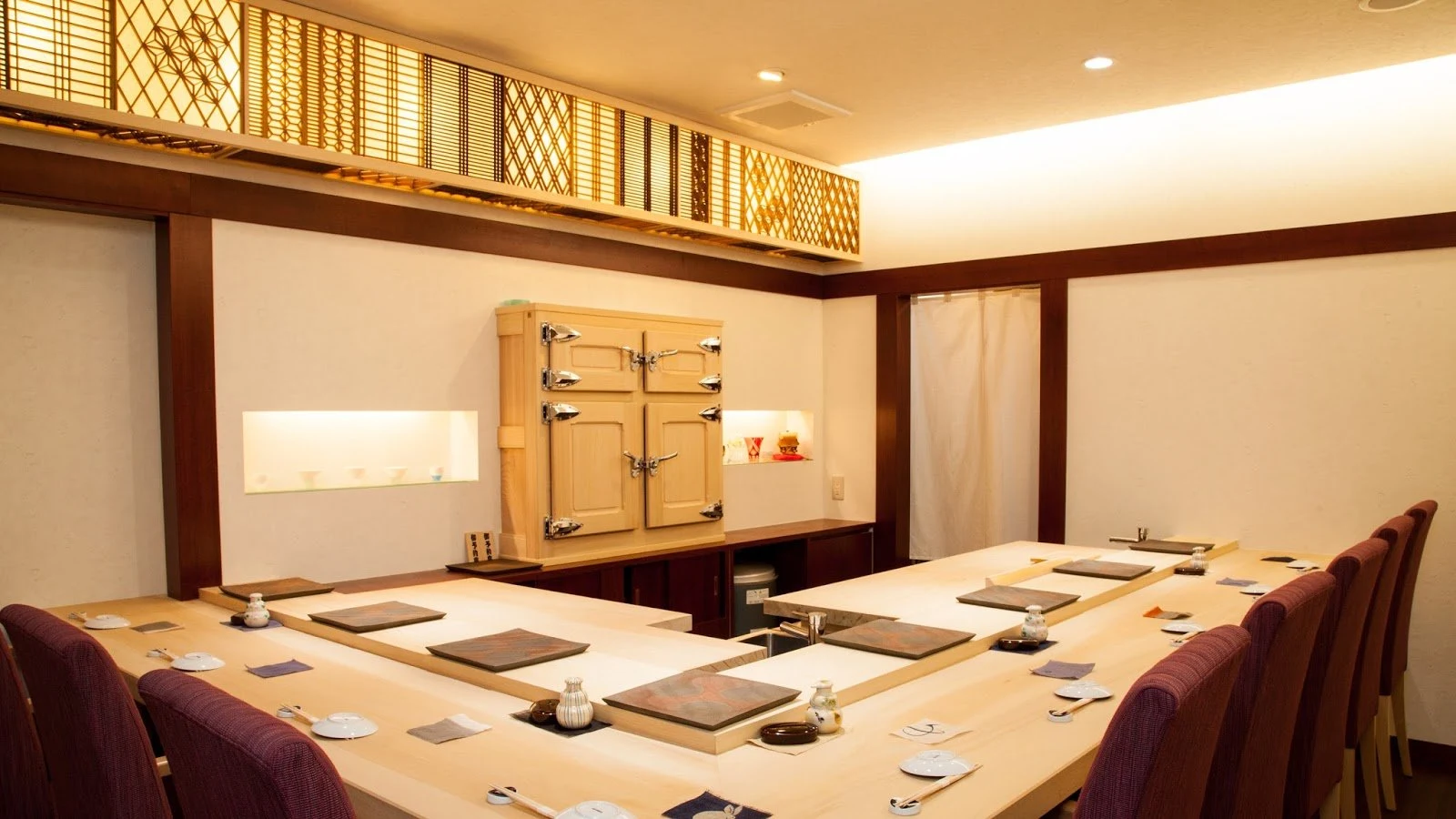
Approaching a small sushi counter in Niigata feels different from doing so in Ginza. The city need not perform scarcity: it has the Sea of Japan, rice country, sake culture, and diners who know freshness from fish handled with intent. Kyodaizushi sits in that compact, serious world: eight counter seats, a house-restaurant setting, and a dinner price bracket above casual local sushi but below the extreme inflation of capital-city omakase.
Niigata’s sushi tradition is inseparable from geography. The prefecture faces cold waters known for seasonal white fish, squid, crab, shrimp, and winter richness, while its rice and sake reputations give sushi a natural frame. Regional sushi counters can be misread as provincial alternatives to Tokyo. In Niigata, the stronger argument is that the counter becomes a lens on local supply, local drinking culture, and apprenticeship habits that keep technique disciplined even in a small room.
Niigata sushi, read through an eight-seat counter
Japanese sushi’s current prestige tier is often discussed through metropolitan markers: hard reservations, luxury hotels, imported wine lists, and prices moving quickly past JPY 40,000. Kyodaizushi belongs to a quieter category. Its Tabelog Award 2026 Silver recognition, 2025 Bronze recognition, 2024 Bronze recognition, and selection for Tabelog Sushi EAST “Tabelog 100” 2025 show serious sushi outside Tokyo competing through focus rather than scale. Its 2026 Tabelog score is 4.45, a meaningful signal where small differences matter to Japanese diners.
The counter format is central. Eight seats change the rhythm: fewer diners, tighter pacing, visible craft, and little room for theatrical distraction. That scale suits the shokunin model, where repetition, correction, and hand memory matter more than concept language. Chef Ryuji Honma’s name is a credential, but the deeper story is Japanese counter-sushi continuity: training is not romance, but the operating system behind temperature, rice pressure, sequence, and restraint.
Niigata’s dining identity becomes useful rather than decorative here. Sushi need not adopt Tokyo luxury posture; it can draw authority from regional fish culture and sake literacy, then express it in a compact room where the chef’s work is close. For travellers comparing local options, Sushi Tokiwa (鮨 登喜和), Tokiwa Sushi Nigata Ten, and Chiyo Zushi show the city’s range, from established sushi rooms to higher-spend counters.
Apprenticeship values without the theatre of luxury sushi
The apprenticeship lens matters because sushi is a cuisine of small tolerances. Visitors often focus on fish, but reputations are built on less photogenic decisions: rice temperature, vinegar balance, knife work, aging where appropriate, and piece order. None reduces to a menu description. Kyodaizushi signals seriousness through format and recognition: an eight-seat room, no private rooms, a non-smoking policy, and awards from a diner-driven Japanese platform rather than an international guide built for tourism.
That distinction matters. Niigata is not short of good eating, but its strongest experiences reward context. Rice and sake are not background details; they shape how sushi is understood. The drinks programme lists sake, shochu, and wine, with particular attention to sake, aligning with the prefecture’s drinking culture. BYO is also listed, useful for diners thinking carefully about pairings, though the counter’s sake emphasis already gives the meal its local grammar.
Price sets expectations. The JPY 20,000–29,999 dinner range makes this a committed meal, not an everyday sushi stop. Compared with Tokiwa Sushi Nigata Ten, listed at JPY 30,000–39,999 for dinner and JPY 15,000–19,999 for lunch, Kyodaizushi sits in a slightly lower dinner band while carrying strong award recognition. That makes it compelling for travellers wanting a serious Niigata counter without a Tokyo-style status purchase.
The room’s rules underline concentration. Strong fragrances are discouraged not as etiquette theatre, but because perfume can interfere with rice, fish, vinegar, and sake aromas in a small counter environment. Children are welcome only if they can eat the same course as adults, a practical boundary preserving the format. These details are not about exclusivity; they keep a small sushi room functional for everyone at the counter.
How to place it in a Niigata eating itinerary
Kyodaizushi works as the anchor meal of a Niigata trip, not an add-on after heavy grazing. The two-part evening structure and counter size reward punctuality and planning. Reservations are available through Instagram with an OMAKASE booking path, and the restaurant is closed on Sundays. Credit cards are accepted; electronic money and QR-code payments are not, so mobile-payment-reliant travellers should plan accordingly.
The Chuo Ward address places the meal within central Niigata’s urban dining circuit, useful for food-led short stays. Parking is unavailable, and the location is listed as a house restaurant, so the experience is closer to destination counter dining than a high-visibility commercial storefront. For wider planning, Our full Niigata restaurants guide is the natural starting point, with adjacent planning through Our full Niigata hotels guide, Our full Niigata bars guide, Our full Niigata wineries guide, and Our full Niigata experiences guide.
Niigata’s broader restaurant scene deserves a second look beyond sushi. Amaranthus and Burger Stand Tender point to a city with more range than seafood alone, even if sushi remains the clearest local expression for visiting diners. Travellers extending a Japan itinerary can compare the counter-dining mindset with 3110, Sushi in Tokyo or AKA to SHIRO, Sushi in Osaka, while other regional references include -Grilled beef Sukiyaki- KAMAKURA TANUKIAN 鎌倉 たぬき庵 in Kamakura,. 鮪と炭火焼き うお炭 秋葉原店 in Tokyo,.cafe in Osaka,.know in Kumamoto, (Shoku) Vietnam in Kawasaki, and [Curry Senmon Ten] Maruyama Kyoju. in Sapporo.
The editorial case is clear: this is not a place for novelty or spectacle. It belongs to the serious regional sushi tier, where a small counter, local fish culture, sake fluency, and awards recognition do the work. For diners who understand Tokyo sushi, the value lies in seeing how Niigata expresses the same discipline through a different pantry and a less performative room.
Questions
Frequently asked
Who works at Kyodaizushi?
Made By profiles Ryuji Honma (Chef) at Kyodaizushi.
How expensive is Kyodaizushi?
Kyodaizushi is listed at a price level of $$$.
Where is Kyodaizushi and what does it serve?
Kyodaizushi is in Furumachi, Niigata, serving Niigata-style Omakase Sushi.
The field
How it compares
| Place | Cuisine | Notes | Awards |
|---|---|---|---|
| Kyodaizushi | Niigata-style Omakase Sushi | Furumachi, $$$ | · |
| Azurmendi | Modern Basque Fine Dining | Larrabetzu | Michelin 3 Stars, World's 50 Best |
| focus ATELIER | Modern French Fine Dining | Vitznau | Michelin 2 Stars |
| Paco Roncero | Avant-Garde Spanish Fine Dining | Madrid | Michelin 2 Stars |
| Restaurant UOZEN | Innovative Local French | Niigata | · |
| Robuchon au Dôme | Contemporary French Fine Dining | Macau | Michelin 3 Stars |
| Zén | Neo-Nordic with Japanese Influences | Singapore | Michelin 3 Stars, World's 50 Best |
In residence
Similar places
Modern Basque Fine Dining
Azurmendi
Larrabetzu, Spain
★★★ · 50 Best
Modern French Fine Dining
focus ATELIER
Vitznau, Switzerland
★★
Avant-Garde Spanish Fine Dining
Paco Roncero
Madrid, Spain
★★
Innovative Local French
Restaurant UOZEN
Niigata, Japan
Contemporary French Fine Dining
Robuchon au Dôme
Macau, Macau
★★★
Neo-Nordic with Japanese Influences
Zén
Singapore, Singapore
★★★ · 50 Best