Made ByRestaurant
La Bamba de Areco
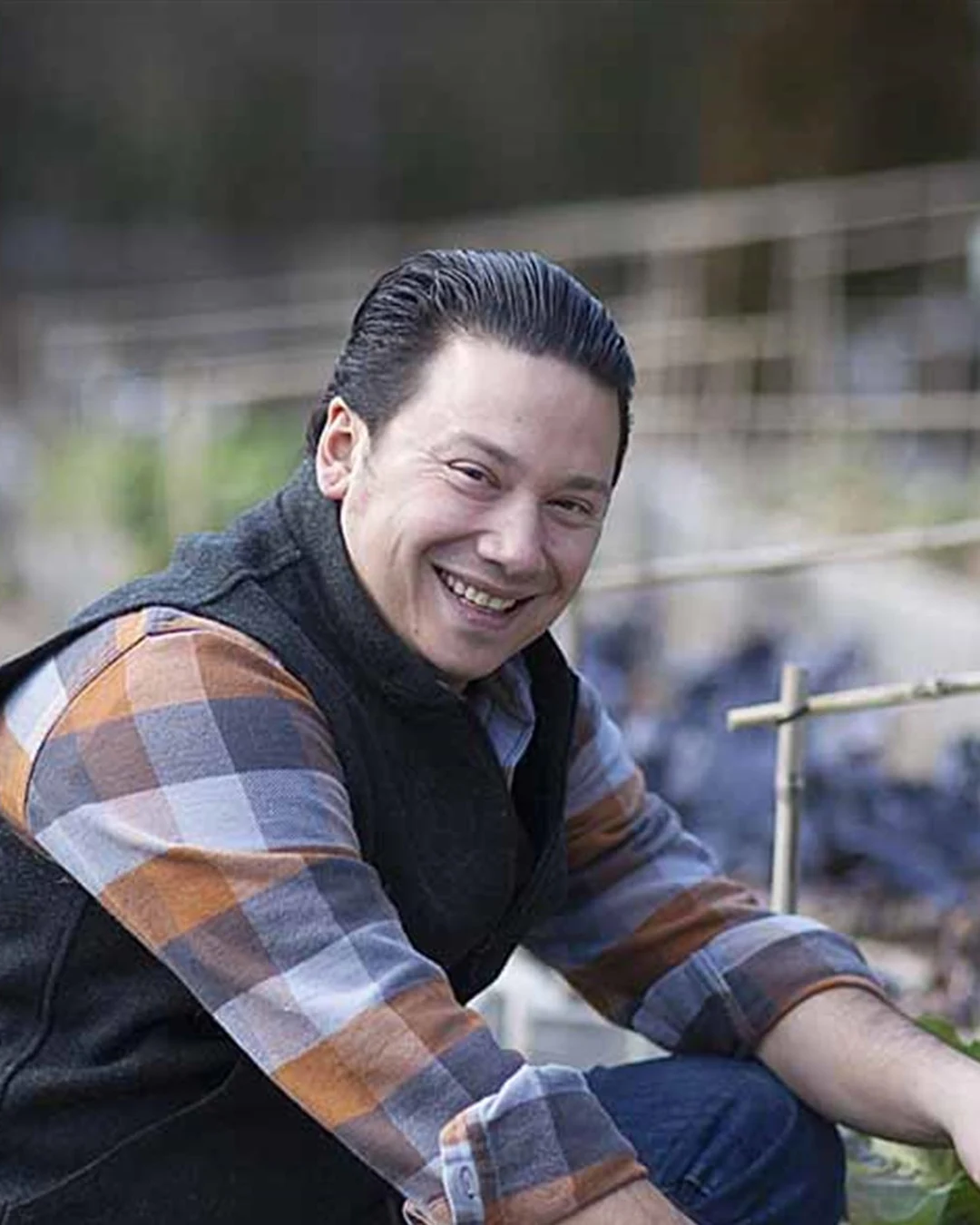
Chef in Residence
Chris Huerta
Chef
- 01CuisineTraditional Argentine Asado
- 02CitySan Antonio de Areco, Argentina
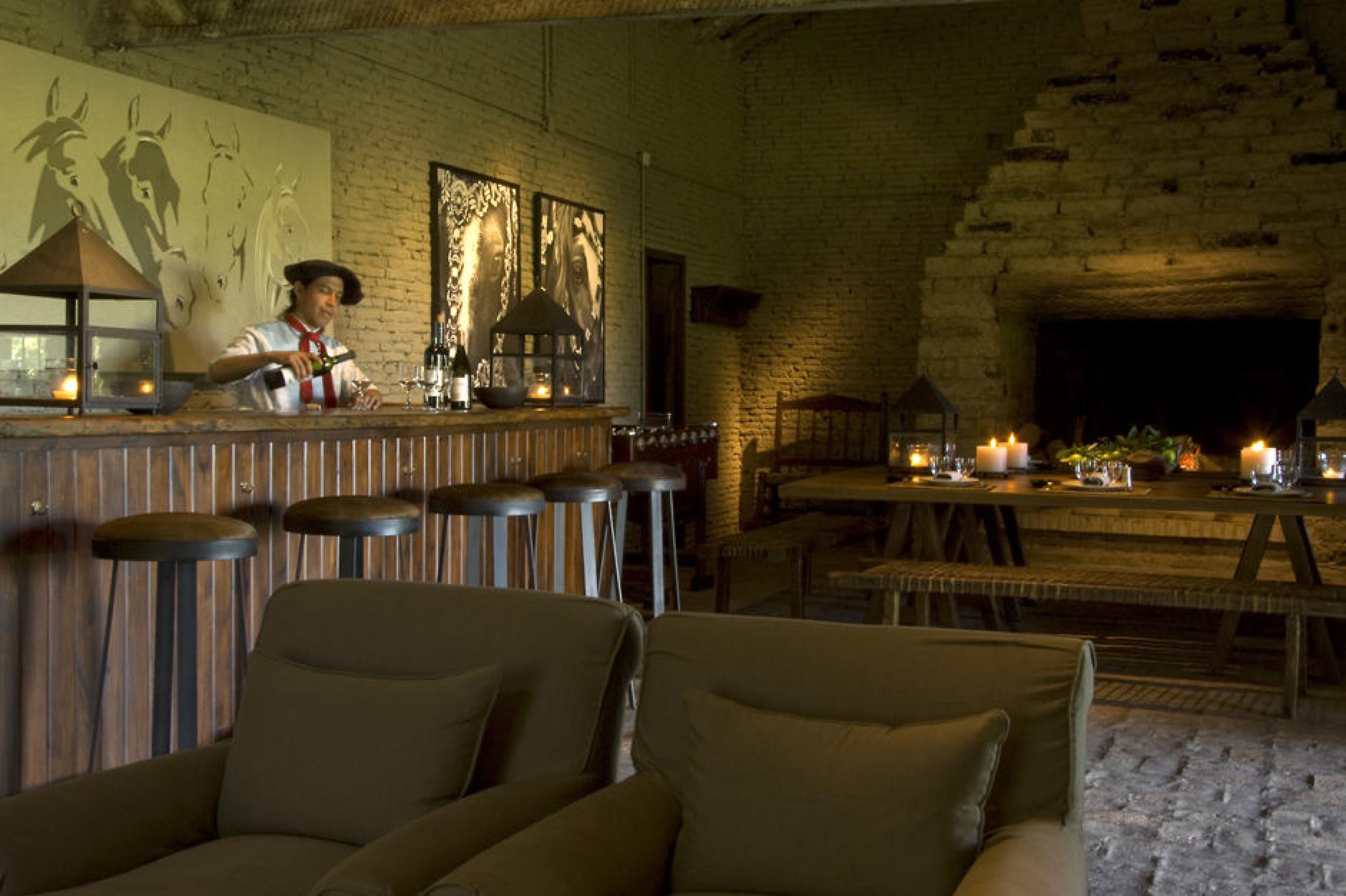
La Bamba de Areco sits on Route 31, seven kilometres outside San Antonio de Areco, operating as both a working estancia and an immersive gaucho table d'hôtes. With a polo training centre on the grounds and a 4.6 Google rating across more than 1,100 reviews, it represents the closest thing the pampas has to a live-in tradition rather than a curated spectacle.
At a glance
- Cuisine
- Traditional Argentine Asado
- Price
- $$$$
- Neighborhood
- San Antonio de Areco
- Rating
- 4.3 (28)
<h2>Gaucho Country, Unfiltered</h2><p>San Antonio de Areco occupies a specific position in Argentina's culinary and cultural geography. It is the country's most preserved gaucho town, 110 kilometres northwest of Buenos Aires along the pampas corridor, and it functions as a reference point for anyone trying to understand how Argentina's pastoral traditions actually survived into the twenty-first century. The town is not a theme park, but it is intensely aware of its own heritage: the Festival de la Tradición draws tens of thousands each November, the street grid holds saddleries and silverwork ateliers that have traded for generations, and the estancias on the town's outskirts operate as working properties first and hospitality venues second.</p><p>La Bamba de Areco sits seven and a half kilometres out on Route 31, which puts it firmly in that second category. It is an owner's estancia with a polo training centre on the grounds, and the food format is table d'hôtes: a shared, fixed menu served at communal or family-style tables, a format that traces directly to the estancia tradition of feeding everyone on the property at the same time. No à la carte card, no performance kitchen.</p><h2>The Table d'Hôtes Tradition and What It Demands</h2><p>The table d'hôtes format carries different weight in the pampas context than it does in, say, a Burgundy farmhouse. On an Argentine estancia, communal eating was structural: peones, guests, and family ate together because the cattle schedule and the wood-fire asado required it. There was no logical reason to cook multiple separate meals. What the format preserved, almost accidentally, was an intimacy and a pacing that tasting-menu restaurants in Buenos Aires now try to reconstruct at considerable expense. Compare this to the urban reference points in Argentine fine dining: <a href="https://www.enprimeurclub.com/restaurants/don-julio-buenos-aires-restaurant">Don Julio in Buenos Aires</a> operates as a Michelin-starred parrilla with a global reputation and queues to match. La Bamba de Areco operates outside that register entirely, which is the point.</p><p>Chef Chris Huerta leads the kitchen here, working inside a tradition that places the asado, the open fire, and the seasonal availability of the pampas at the centre of the plate. The gaucho cooking vocabulary is not built around nixtamalized corn in the Mesoamerican sense, but it does share a foundational logic with Latin America's oldest food traditions: transformation through fire, patience, and the animal used whole. The locro, the empanadas, the asado al palo are not garnishes around a protein. They are the grammar.</p><h2>The Estancia as Context</h2><p>Premium Argentine dining outside Buenos Aires has developed along two distinct lines. One track is the vineyard table, anchored in Mendoza and Salta, where winery restaurants like <a href="https://www.enprimeurclub.com/restaurants/cavas-wine-lodge-alto-agrelo-restaurant">Cavas Wine Lodge in Alto Agrelo</a> or <a href="https://www.enprimeurclub.com/restaurants/azafran-mendoza-restaurant">Azafrán in Mendoza</a> pair regional food with estate wines in a setting that reads international. The other track is the estancia experience, where the property itself is the attraction and the food is inseparable from the land and the livestock on it. La Bamba de Areco belongs to the second track, and within that track it occupies a position made specific by the polo training centre. This is a working sports and agricultural operation, not a converted manor house repositioned for tourism.</p><p>That distinction matters for the visitor's experience. Properties like <a href="https://www.enprimeurclub.com/restaurants/eolo-patagonias-spirit-el-calafate-santa-cruz-restaurant">EOLO in Patagonia</a> or <a href="https://www.enprimeurclub.com/restaurants/awasi-iguazu-puerto-iguazu-restaurant">Awasi Iguazu</a> anchor their dining in landscape immersion in regions that are geographically extreme. La Bamba de Areco's version of immersion is quieter and more domestic: flat pampa, polo fields, horses at close range, and a dining table where the food and the setting share a single reference point.</p><h2>The Gaucho Kitchen as Living Document</h2><p>Argentina's gaucho cuisine is often discussed as heritage, which risks making it sound static. It is not. The estancia table has always been adaptive, using what the season and the land provide, and the tradition of the asado resists standardisation by design. No two fires burn the same, no two cuts of grass-fed beef from the same region age identically. What La Bamba de Areco offers, within the table d'hôtes format, is a version of this tradition in its operational context rather than as reconstruction. The 4.3 Google rating across 28 reviews suggests that visitors are reading this correctly.</p><p>For a comparative read on how other Argentine restaurants approach tradition from different angles, <a href="https://www.enprimeurclub.com/restaurants/la-pulperia-san-antonio-de-areco-restaurant">La Pulperia in San Antonio de Areco</a> offers a town-centre counterpoint, while <a href="https://www.enprimeurclub.com/restaurants/la-table-de-house-of-jasmines-la-merced-chica-restaurant">La Table de House of Jasmines in La Merced Chica</a> shows how the estancia-dining model translates into Salta's northwest. Internationally, the communal-table format has a different ancestry: the prix-fixe discipline of <a href="https://www.enprimeurclub.com/restaurants/le-bernardin">Le Bernardin in New York</a> or the fermentation-forward structure of <a href="https://www.enprimeurclub.com/restaurants/atomix">Atomix</a> operate in the same fixed-format category but from entirely different cultural starting points, which underlines how much the table d'hôtes tradition at La Bamba de Areco owes to the pampas rather than to fine-dining convention.</p><h2>Planning Your Visit</h2><p>La Bamba de Areco sits at Route 31, kilometre 7.5, in San Antonio de Areco. A car is the practical approach from the capital; the estancia's address places it well outside the town centre, accessible by road but not by foot from Areco's main plaza. Because this operates as a working estancia, visits are most coherent when timed around scheduled activities rather than dropped in unannounced. San Antonio de Areco rewards a full day or an overnight stay: the town's leather and silverwork workshops, the Ricardo Güiraldes museum, and the Río Areco itself fill hours before or after the table. <a href="https://www.enprimeurclub.com/restaurants/las-balsas-restaurant-villa-la-angostura-restaurant">Las Balsas in Villa La Angostura</a>, <a href="https://www.enprimeurclub.com/restaurants/el-colibri-santa-catalina-restaurant">El Colibri in Santa Catalina</a>, <a href="https://www.enprimeurclub.com/restaurants/ti-amo-adrogue-restaurant">Ti Amo in Adrogué</a>, and Emeril's in New Orleans for a North American fixed-format reference point.</p>
Know before you go
- Dress code
- smart_casual
- Reservations
- essential
- Parking
- on_site_lot
- Outdoor seating
- Yes
- Groups
- Welcomed
Frequently asked
Is La Bamba de Areco child-friendly?
A working estancia with open pampas and an active polo training center gives children direct access to horses, land, and the gaucho traditions that San Antonio de Areco is built around. The table d'hôtes format means shared, unhurried meals rather than timed seatings, which suits families better than most formal restaurant settings. It is a more hands-on environment than anything you will find in Buenos Aires, 110 kilometres south.
What is the atmosphere like at La Bamba de Areco?
La Bamba de Areco operates as an owner's estancia, which means the pace is set by the land and the day, not a front-of-house schedule. The table d'hôtes structure puts guests at a shared table, so the social dynamic is communal rather than private-restaurant formal. San Antonio de Areco itself is Argentina's most preserved gaucho town, and the estancia at Route 31, km 7.5 sits within that context rather than apart from it.
What distinctions does La Bamba de Areco have?
La Bamba de Areco has received recognition including: HIGHLIGHTS: • TABLE D'HÔTES • IMMERSIVE GAUCHO SPIRIT • OWNER'S ESTANCIA • POLO TRAINING CENTER DIRECTIONS & ACCESS: Directions By car Route 31 km 7,5 By plane Jorge-Newbery 110 km GPS coordinates -34.1834 -59.3667 MEMBER SINCE: 4.7/5.
What's the signature dish at La Bamba de Areco?
La Bamba de Areco falls squarely within the Argentinian gaucho cuisine tradition, where the asado functions as the organising event of any serious estancia table. Under chef Chris Huerta, the kitchen operates within that framework, with the fire, the cut, and the timing carrying as much meaning as any individual preparation. The table d'hôtes format means dishes are served to the full table, reflecting what the estancia produces rather than an à la carte list.
What's La Bamba de Areco's location?
La Bamba de Areco is located at Route 31 Km 7.5, San Antonio de Areco, B2760, San Antonio de Areco.
Is there a head chef associated with La Bamba de Areco?
The chef associated with La Bamba de Areco is Chris Huerta.
Address
Route 31 Km 7.5, San Antonio de Areco, B2760
San Antonio de Areco
How it compares
- Cuisine
- Traditional Argentine Asado
- Price
- $$$$
- Awards
- 1 recognition
- Notes
- San Antonio de Areco
- Cuisine
- Traditional Argentine Pulpería
- Price
- $$
- Awards
- 1 recognition
- Notes
- San Antonio de Areco
- Cuisine
- Wine-focused Fine Dining
- Price
- $$$
- Awards
- —
- Notes
- Once
- Cuisine
- Natural Wine Bar with Small Plates
- Price
- $$$
- Awards
- 1 recognition
- Notes
- Palermo
- Cuisine
- Interactive Argentine Steakhouse Experience
- Price
- $$$$
- Awards
- —
- Notes
- Palermo
- Cuisine
- Modern Argentine Fine Dining
- Price
- $$$$
- Awards
- Michelin Plate
- Notes
- Palermo
In residence
Similar places
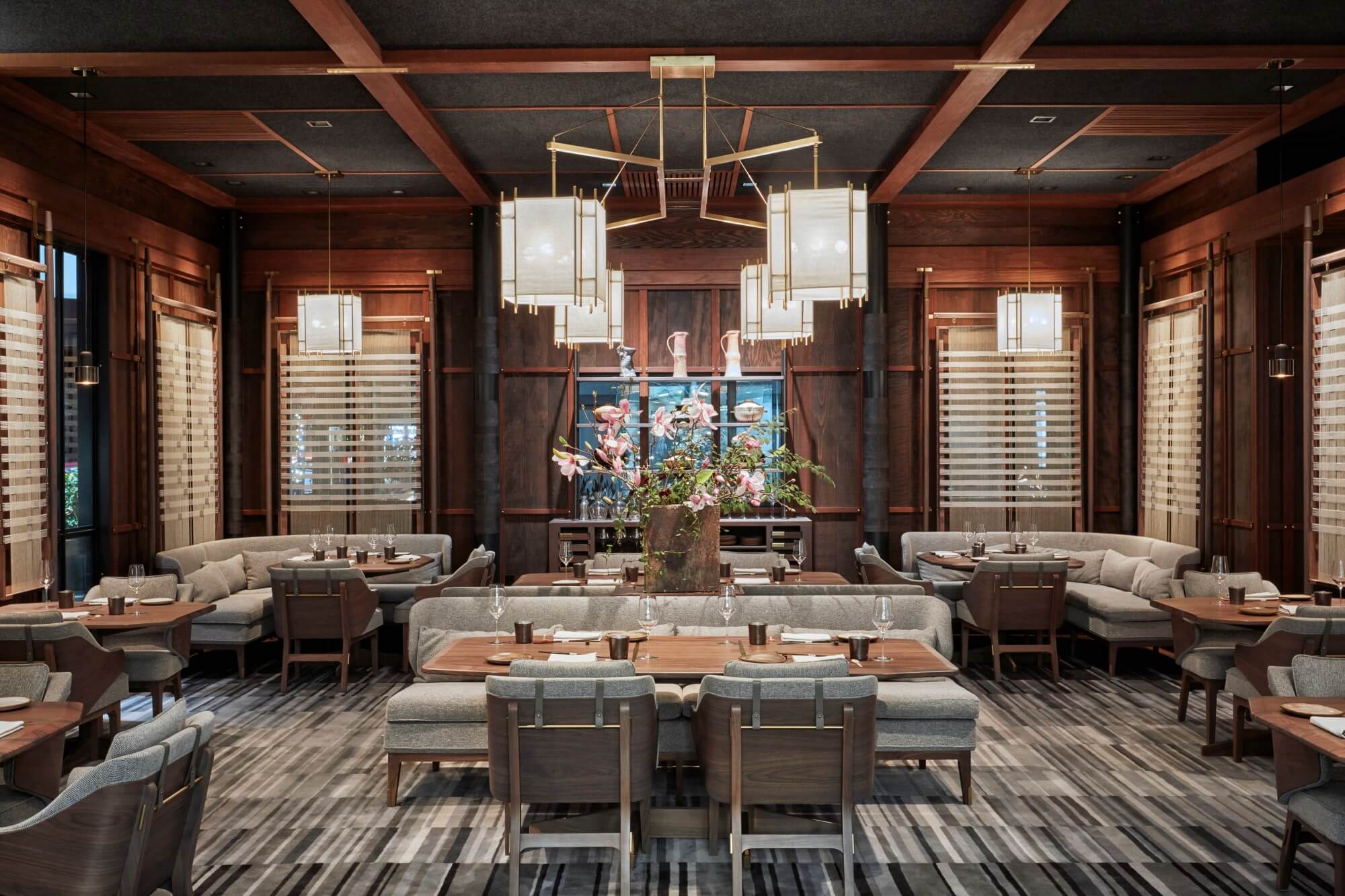
Japanese-influenced Californian Kaiseki
Single Thread Farm
Healdsburg, United States
★★★ · 50 Best
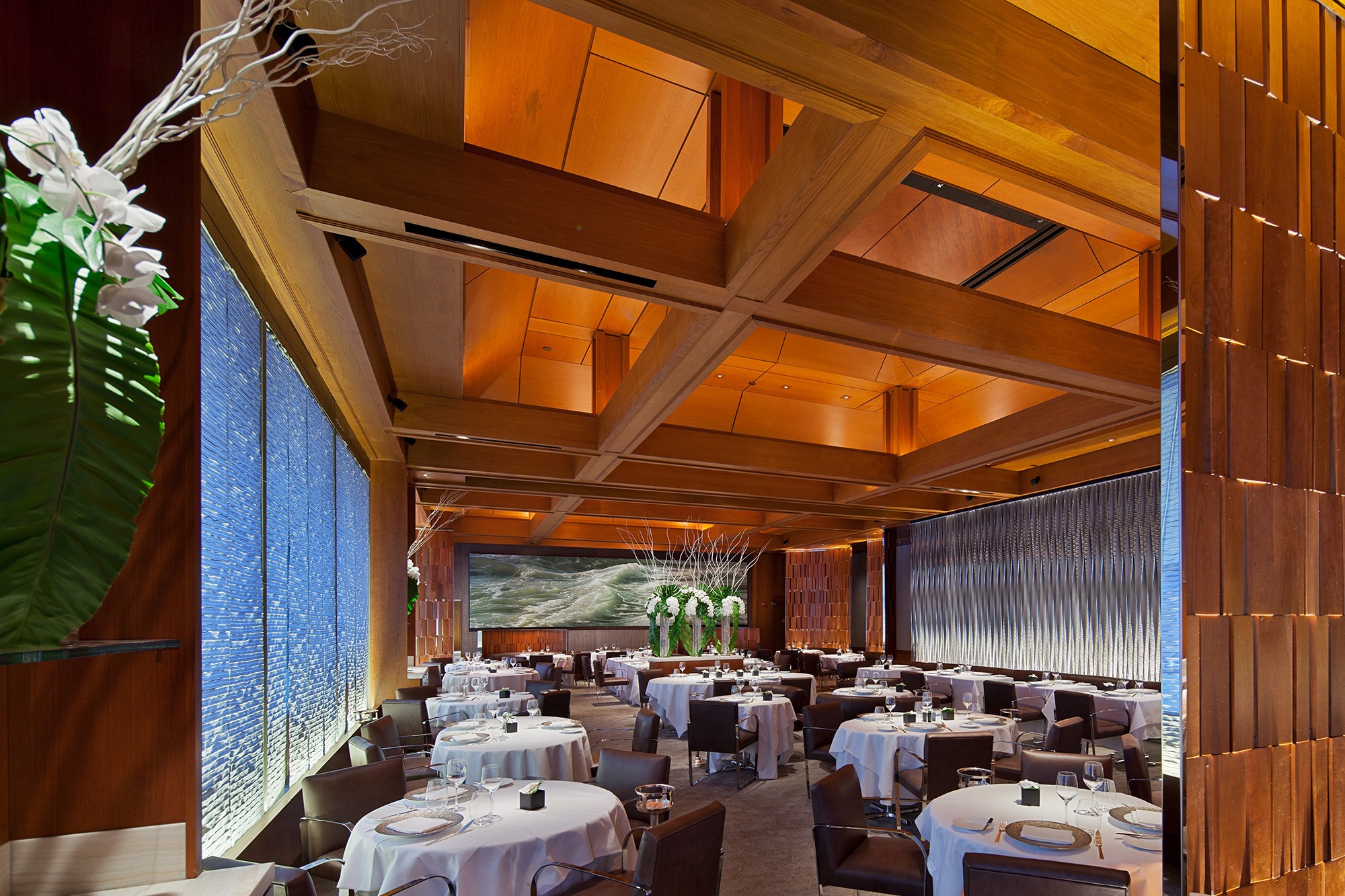
French Seafood Fine Dining
Le Bernardin
New York City, United States
★★★ · 50 Best
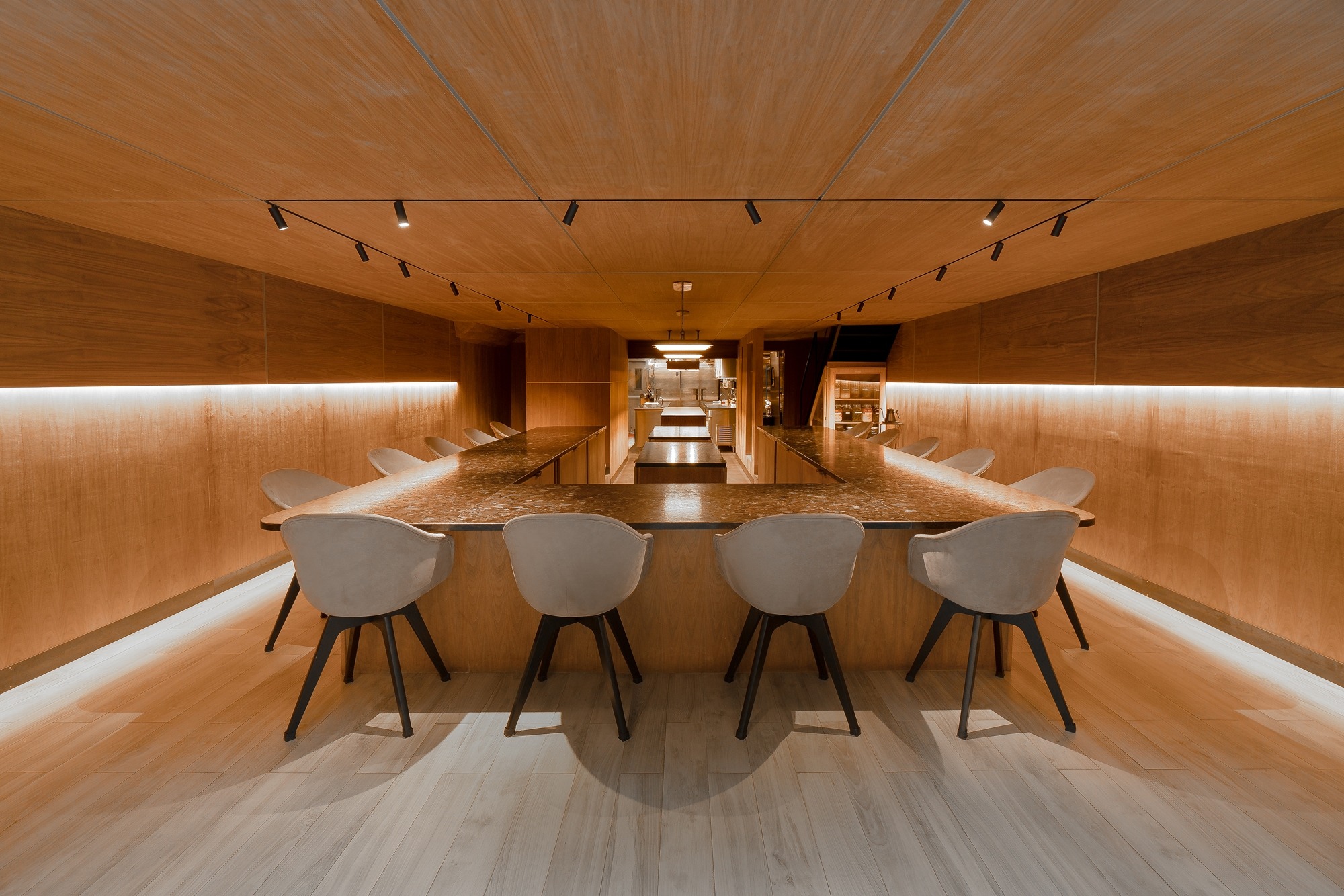
Modern Korean Tasting Menu
Atomix
New York City, United States
★★ · 50 Best
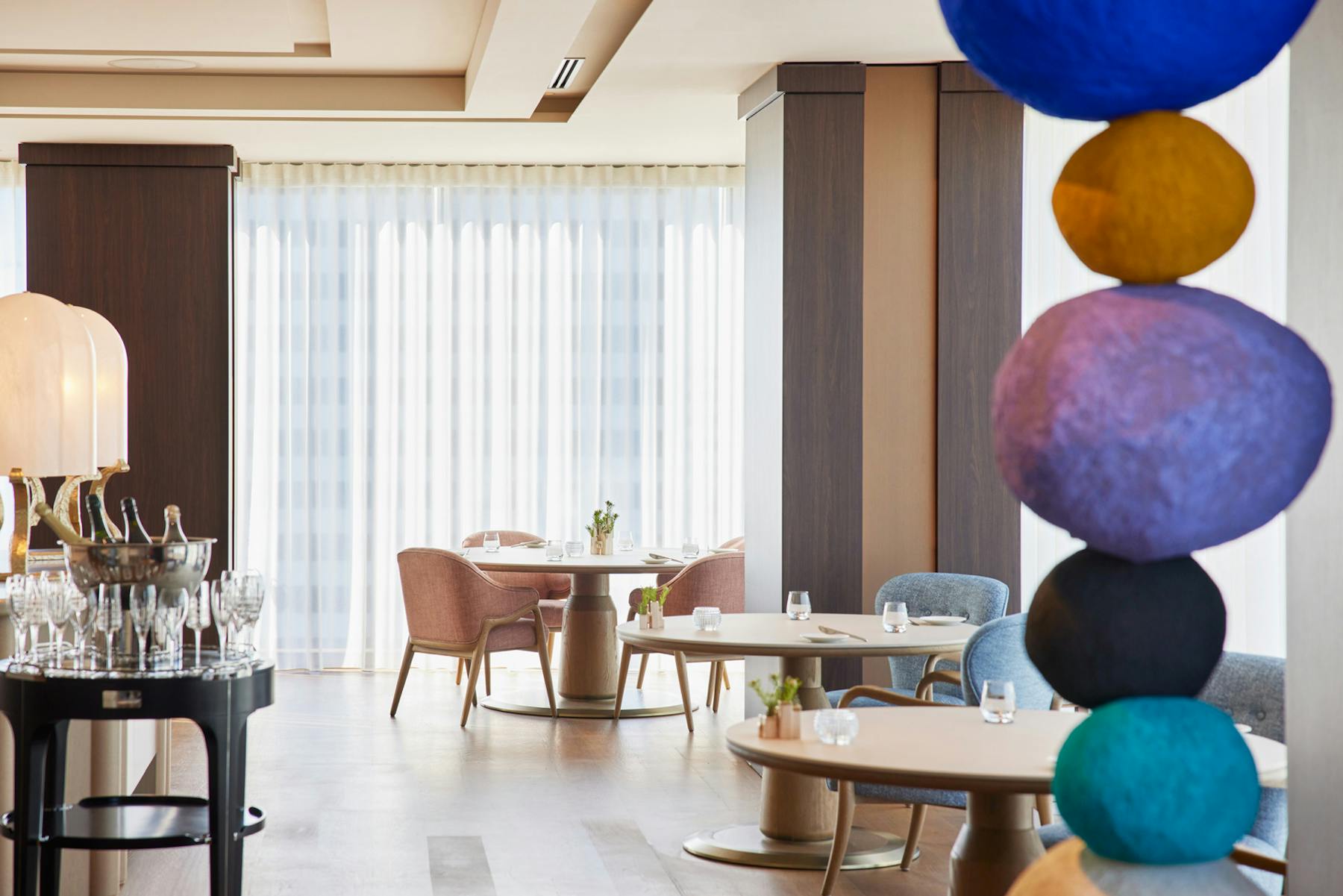
French
Sézanne
Tokyo, Japan
★★★ · 50 Best
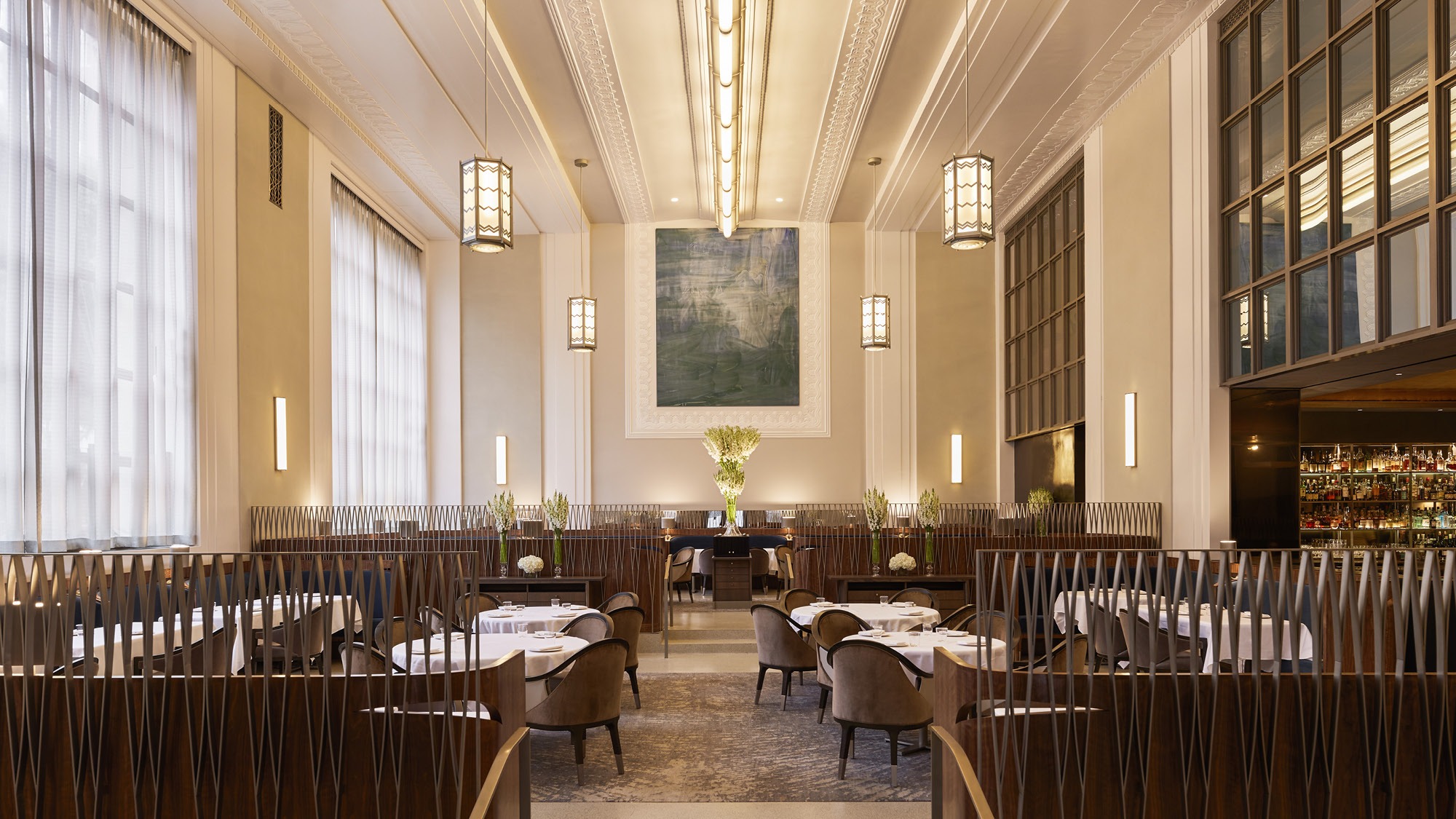
Contemporary Plant-Based Fine Dining
Eleven Madison Park
New York City, United States
★★★ · 50 Best
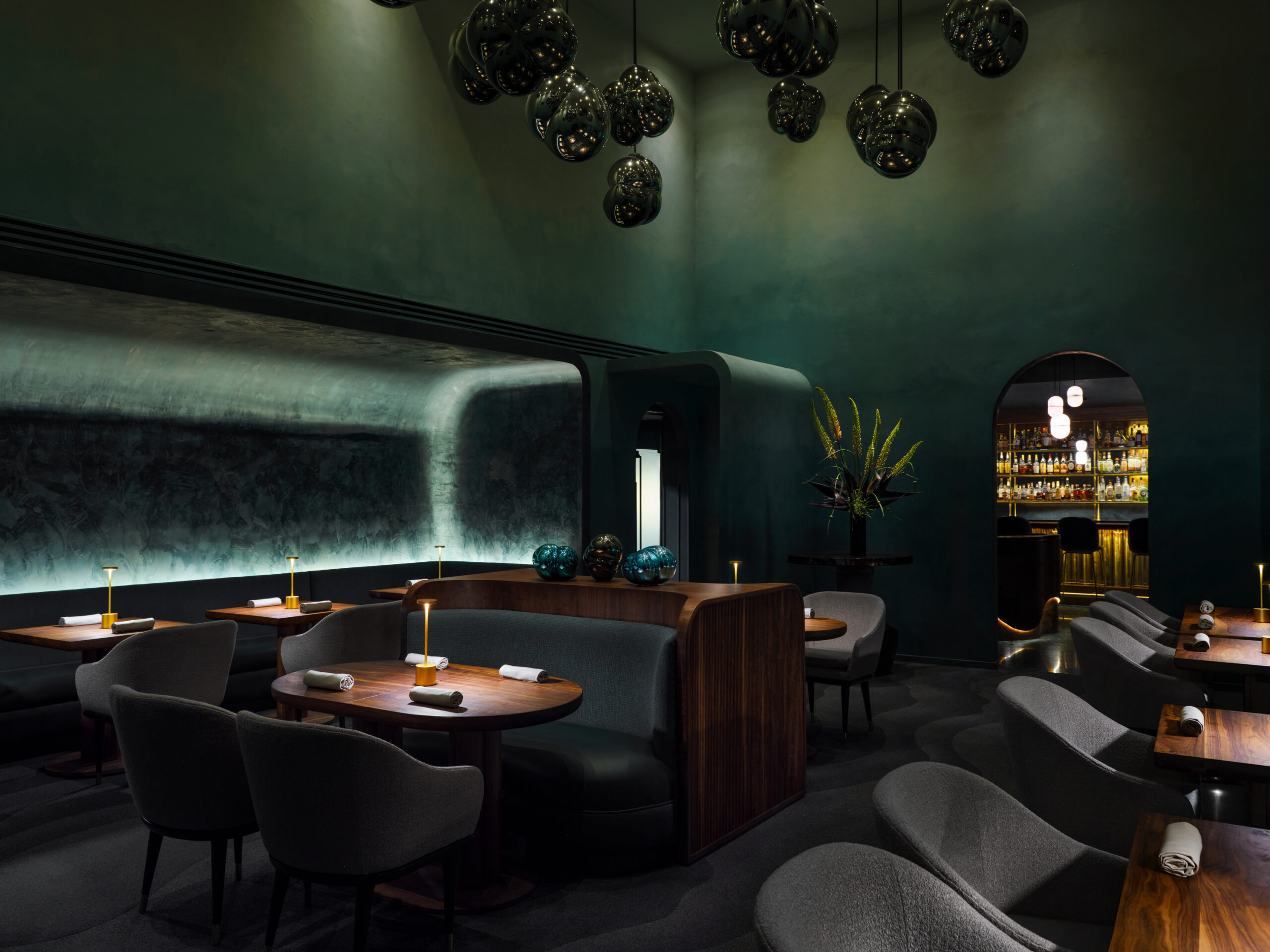
Modern Seafood Fine Dining
Providence
Los Angeles, United States
★★★ · 50 Best