
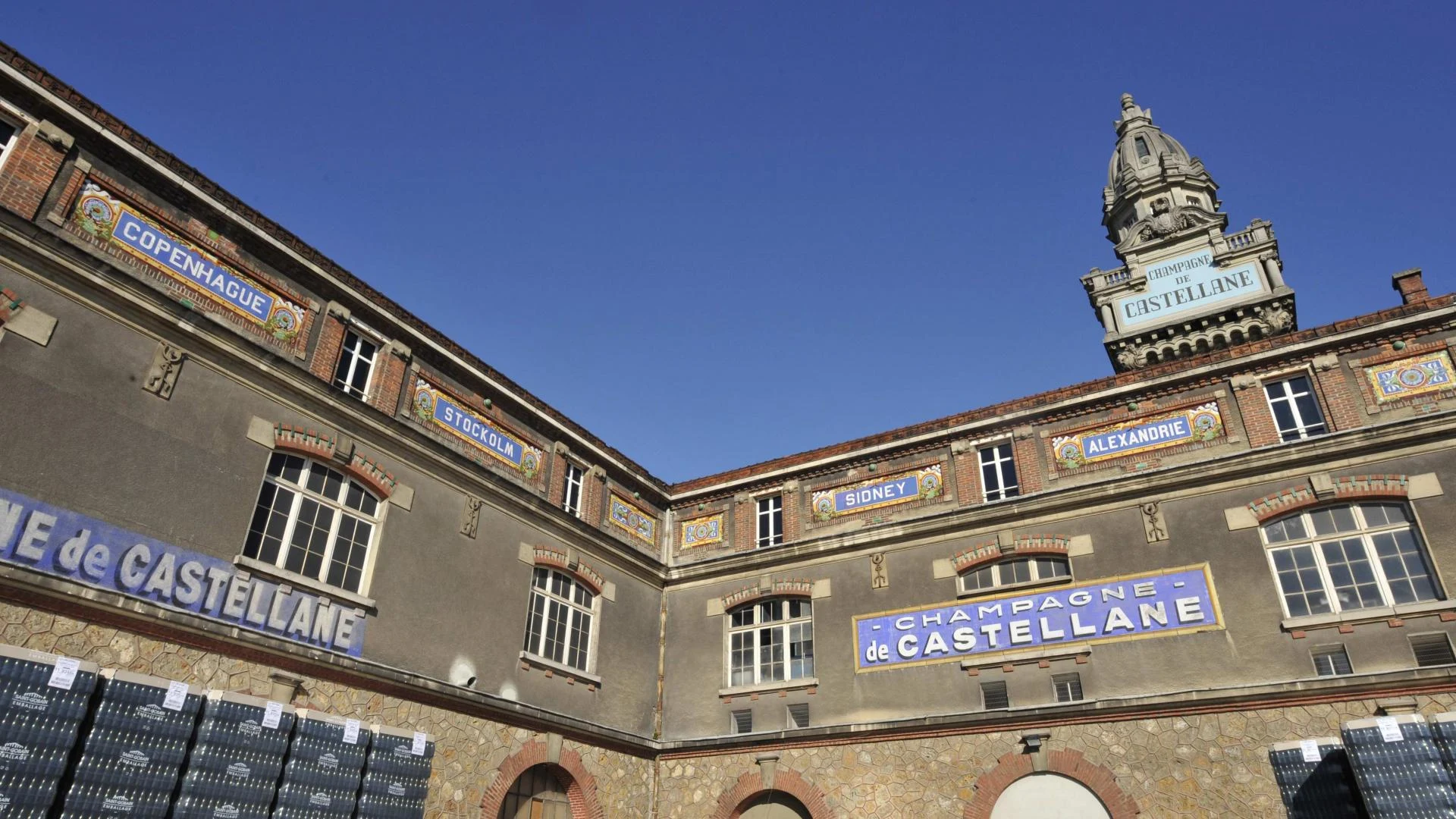
Côte des Blancs Focus
La Caravelle’s three non-vintage Champagnes begin from different blend choices. Cuvée Niña combines Chardonnay, Pinot Noir and Meunier. Rosé uses the Niña base with 9% still Pinot Noir added. Blanc de Blancs stands apart: it is 100% Chardonnay from Grand Cru Le Mesnil-sur-Oger and Chouilly.
Assemblage and ageing by cuvée
The Rosé is an assemblage, not a Chardonnay-only rosé or a saignée wine. The producer lists three years on lees for Niña and Rosé, with reserve wines kept in a solera. For Blanc de Blancs it lists two and a half years on lees, also with solera reserves. Those figures describe the named wines, rather than a single rule applied to every release.
From restaurant to Champagne line
Rita and André Jammet created La Caravelle Champagne in 1997 for their New York restaurant. When the restaurant closed in 2004, the wines continued. The link explains the label’s hospitality roots, while the cuvée details make each wine’s construction clear.
The Sunday letter
Get new places like La Caravelle Champagne every Sunday.
One email a week with the restaurants, bars and hotels we have just written up, and the people who run them.
One email a week. Unsubscribe from any issue.
Questions
Frequently asked
How do La Caravelle’s three Champagnes differ?
Cuvée Niña blends Chardonnay, Pinot Noir and Meunier; the Rosé uses Niña’s base plus 9% still Pinot Noir. The separate Blanc de Blancs is 100% Chardonnay from Le Mesnil-sur-Oger and Chouilly.
The field
How it compares
| Place | Notes | Awards |
|---|---|---|
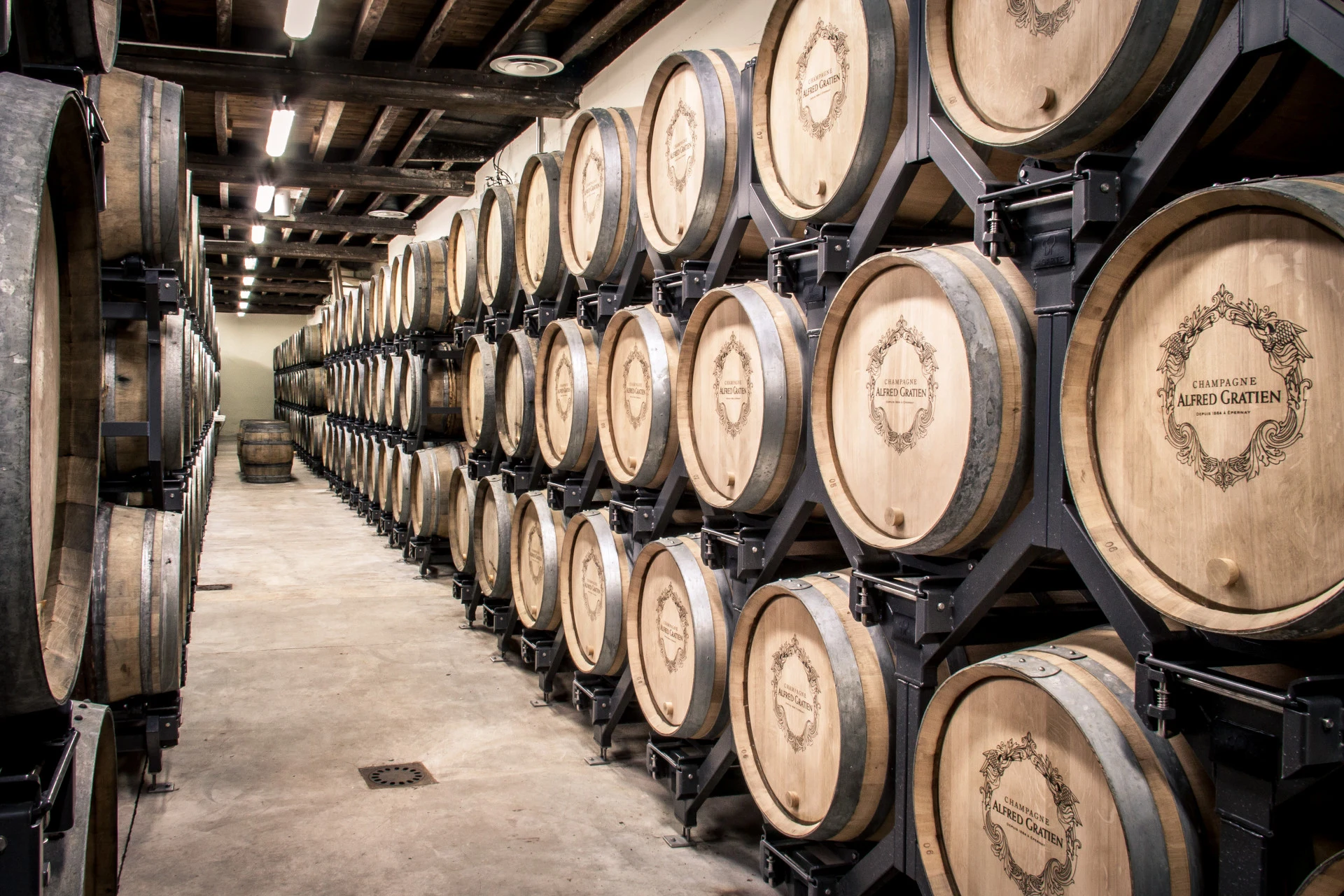
| Alfred Gratien | Épernay | · |
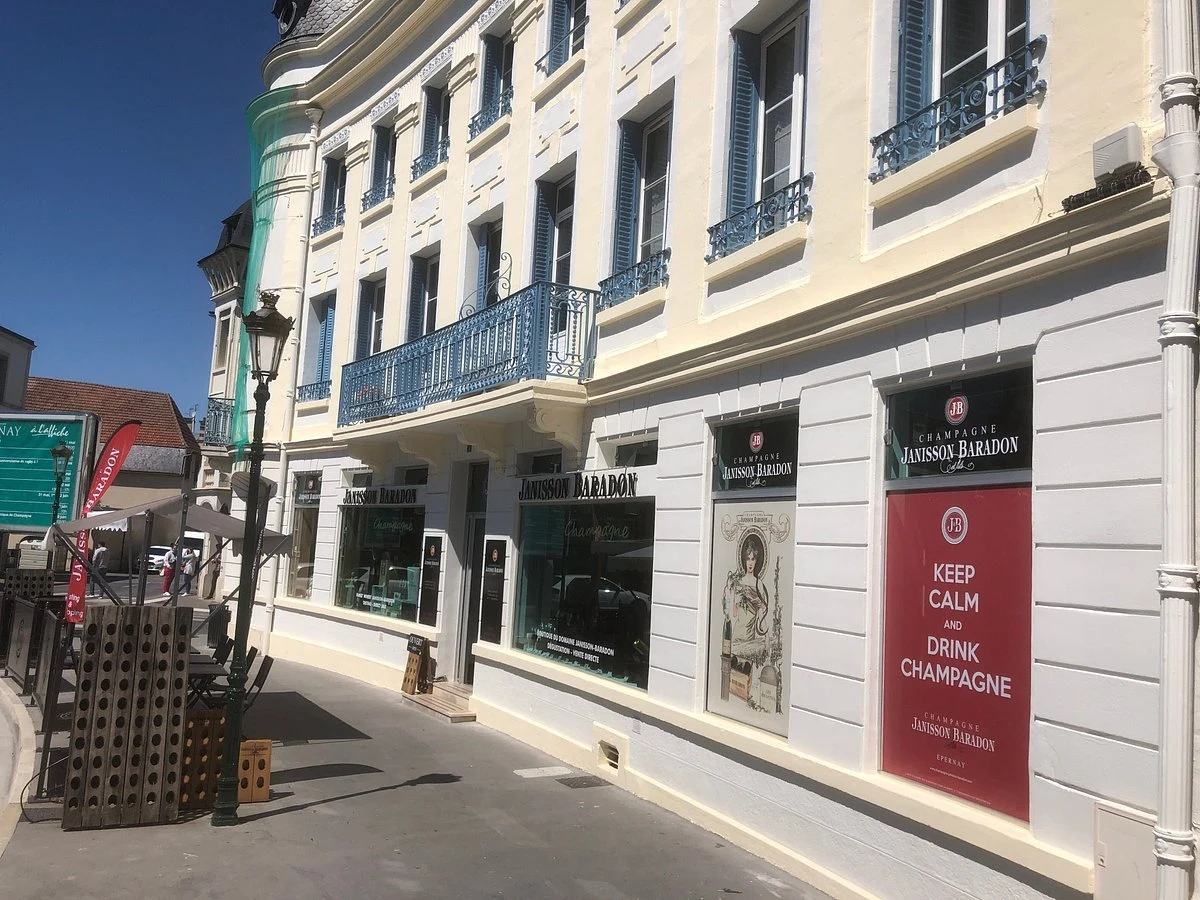
| Champagne Janisson-Baradon | Épernay | · |
| Gosset | Épernay | · |
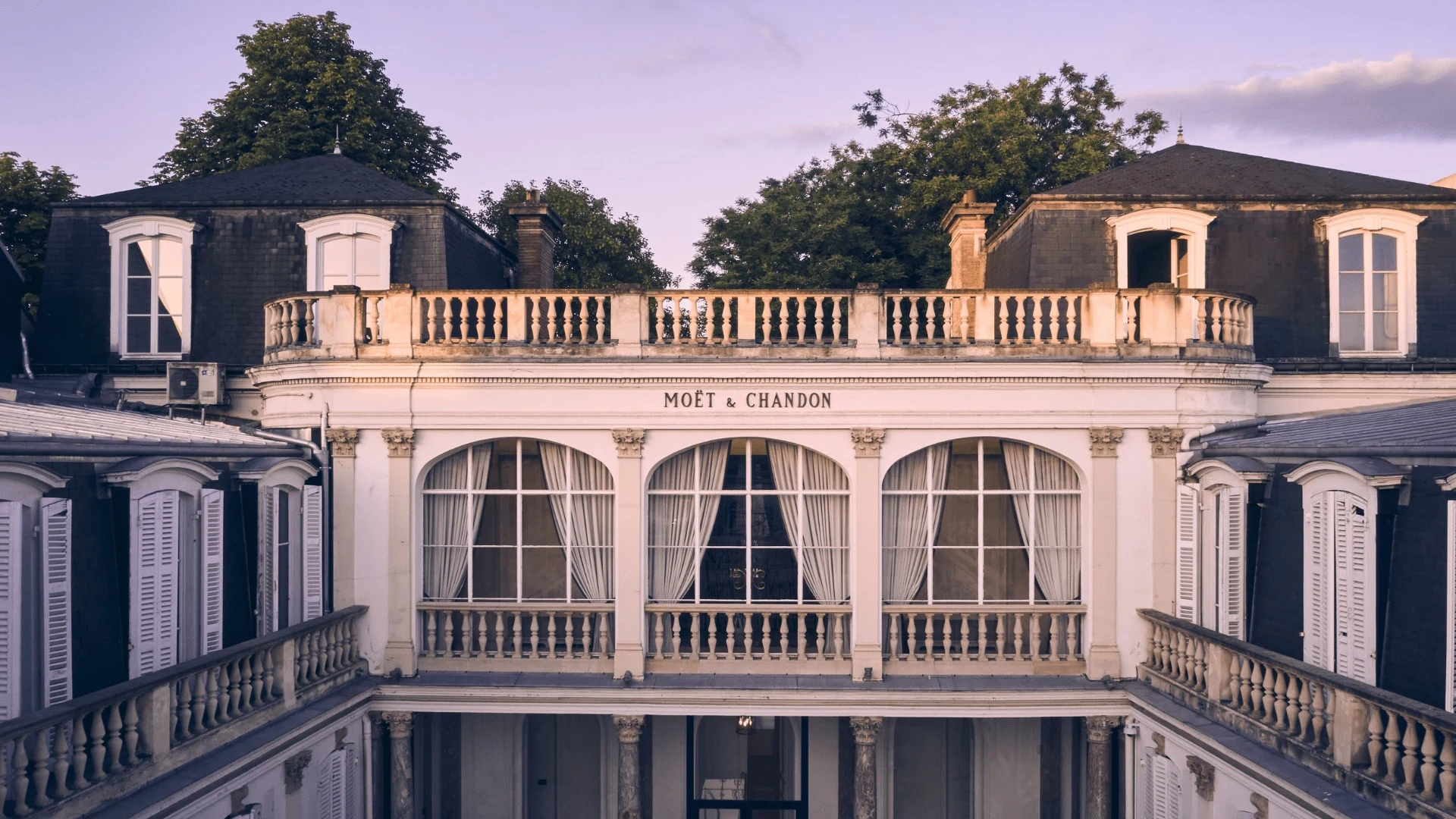
| Moët & Chandon | Épernay | World's 50 Best |
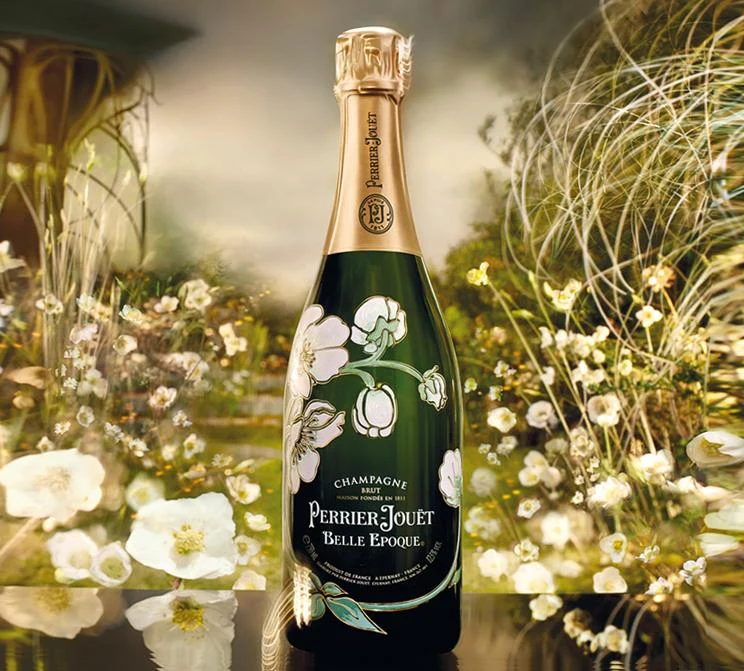
| Perrier-Jouët | Épernay | · |
| Pol Roger | Épernay | · |
In residence
Similar places
The Sunday letter
Get the next Made By story in your inbox.
We send one email every Sunday morning with the places and people we covered that week.
One email a week. Unsubscribe from any issue.