La Cave de Die Jaillance
- 01CityDie, France
- Falstaff Winery - Listed · 2026
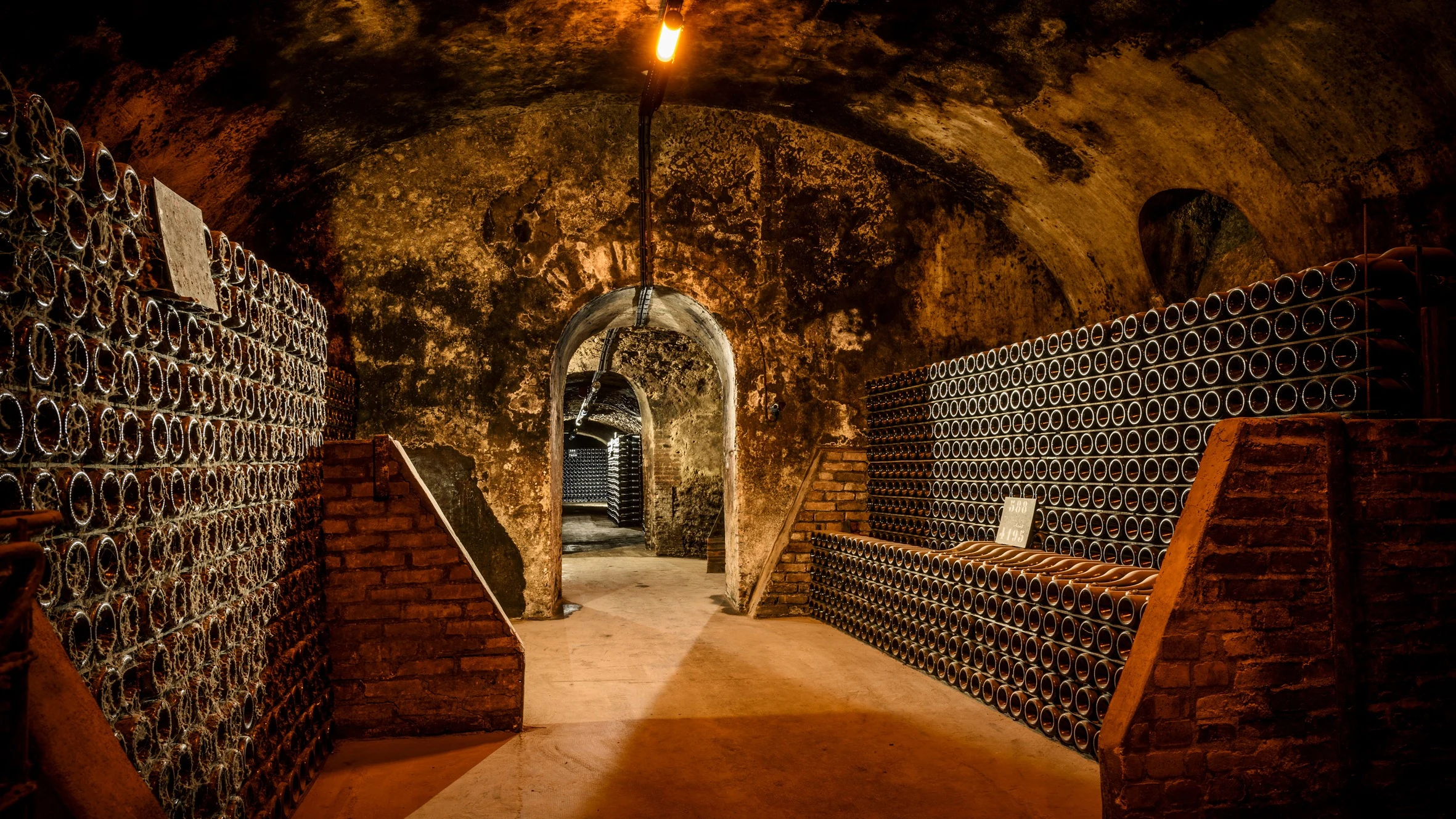
Approaching La Cave de Die Jaillance in Die, the tone is educational and welcoming rather than luxury-driven. The draw is a historic cooperative cellar atmosphere: century-old underground galleries, a didactic museum trail and guided tastings focused on Clairette de Die. It is best understood as a clear introduction to a local cellar tradition, not as a formal fine-dining or design-led venue. That distinction matters: the visit is framed around explanation, orientation and a sense of place, with the cellar environment doing much of the work. Instead of asking visitors to decode a polished prestige experience, it gives them a direct way into the local wine identity of Die.
Specific claims about founding dates, production range, grape varieties beyond Clairette de Die, bottle prices, ownership structure or visitor logistics should be checked directly before planning around them. The confirmed appeal is already strong enough without leaning on extras: an established cellar setting, underground galleries, an interpretive route and guided tasting moments that put Clairette de Die at the centre.
Clairette de Die explained through cellars, not spectacle
The strongest reason to come here is the interpretive format. The century-old underground galleries and museum trail give structure to a visit built around Clairette de Die. Rather than relying on luxury staging, the experience is presented as educational and accessible, with guided tastings helping visitors understand the local focus. The cellars are not simply a backdrop; they are part of the explanation, giving physical depth to a subject that can otherwise feel abstract if encountered only through a glass.
The atmosphere is classic, informative and welcoming. That makes La Cave de Die Jaillance especially suitable for travellers who want context before or after exploring Die, but who do not need a high-design cellar or a prestige tasting-room setup. The emphasis is on learning, place and the Clairette de Die focus. In that sense, the venue is closer to a grounded introduction than a performance: it helps visitors connect the wine to the town and to a cellar tradition, while keeping the experience approachable rather than intimidating.
Because the confirmed data does not include detailed service rules, language availability, tour length, group policy, parking, opening hours or reservation requirements, those details should not be assumed. Visitors who need a specific format should confirm directly with the cellar before arriving. This is especially important for anyone building a tight itinerary, travelling with a group or relying on a particular tasting structure. The recommendation is strongest when expectations stay aligned with what is confirmed: a Clairette de Die-focused cellar visit with an educational route and guided tasting component.
A visit defined by value and local context
The price is $5 per person, which places the experience in an accessible range. Beyond that per-person figure, specific bottle prices, tasting tiers or package details are not confirmed here and should be treated as unknown unless checked with La Cave de Die Jaillance. The value, therefore, should not be measured only as a transaction at the tasting counter. It also sits in the context provided by the galleries, the museum-style material and the opportunity to understand why Clairette de Die is the central reference point here.
The focus is Clairette de Die. Claims about a broader portfolio, organic lines, alcohol-free bottles, liqueurs, cocktail use or other wine categories are not part of the confirmed information so they are best left out of the core recommendation. Keeping the description narrow is useful rather than limiting: it prevents the visit from being oversold and keeps attention on the specific regional subject the cellar is presented as explaining.
For serious wine travellers, the value is contextual: this is a way to encounter Clairette de Die through a historic cellar setting in Die. The appeal is not an invented award, ranking or luxury credential, but the combination of underground galleries, museum-style interpretation and guided tastings. For casual visitors, that same structure makes the stop easy to understand. For more focused wine travellers, it offers a local frame of reference that can make subsequent bottles, meals or conversations in Die feel better anchored.
How to place it within a Die itinerary
In Die, La Cave de Die Jaillance works well as a wine-education stop. It can function as the point in the day where the local wine identity becomes concrete: the town setting, the historic cooperative cellar atmosphere, the underground galleries and the tasting format all point in the same direction. Rather than treating it as a destination for elaborate dining or luxury cellar theatre, place it in the itinerary as a concise, context-building experience.
For broader planning, use Die-focused resources and confirm current visitor details directly with the venue. Other dining in Die can round out the day, but La Cave de Die Jaillance itself should be treated as the Clairette de Die cellar anchor. That means it pairs naturally with a day built around the town and its local character, while still requiring the practical checks that any cellar visit needs when logistics have not been confirmed in the available information.
The critical read is simple: La Cave de Die Jaillance is not being presented as a luxury salon. Its strength is translation. It turns a historic cooperative cellar atmosphere, century-old underground galleries, a didactic museum trail and guided tastings focused on Clairette de Die into a clear, welcoming visitor experience in Die. Go for orientation, atmosphere and an intelligible introduction to the local cellar tradition; avoid projecting unconfirmed claims onto it, and the visit makes the most sense.
Questions
Frequently asked
How expensive is La Cave de Die Jaillance?
La Cave de Die Jaillance is listed at a price level of $$.
The field
How it compares
| Place | Notes | Awards |
|---|---|---|
| La Cave de Die Jaillance | $$ | · |
| Billecart-Salmon | Aÿ | World's 50 Best |
| Domaine Armand Rousseau | Gevrey-Chambertin | · |
| Domaine Clarence Dillon | Pessac | · |
| Jacques Selosse | Avize | · |
| Masi | Sant'Ambrogio di Valpolicella | · |
| Taittinger | Reims | World's 50 Best |