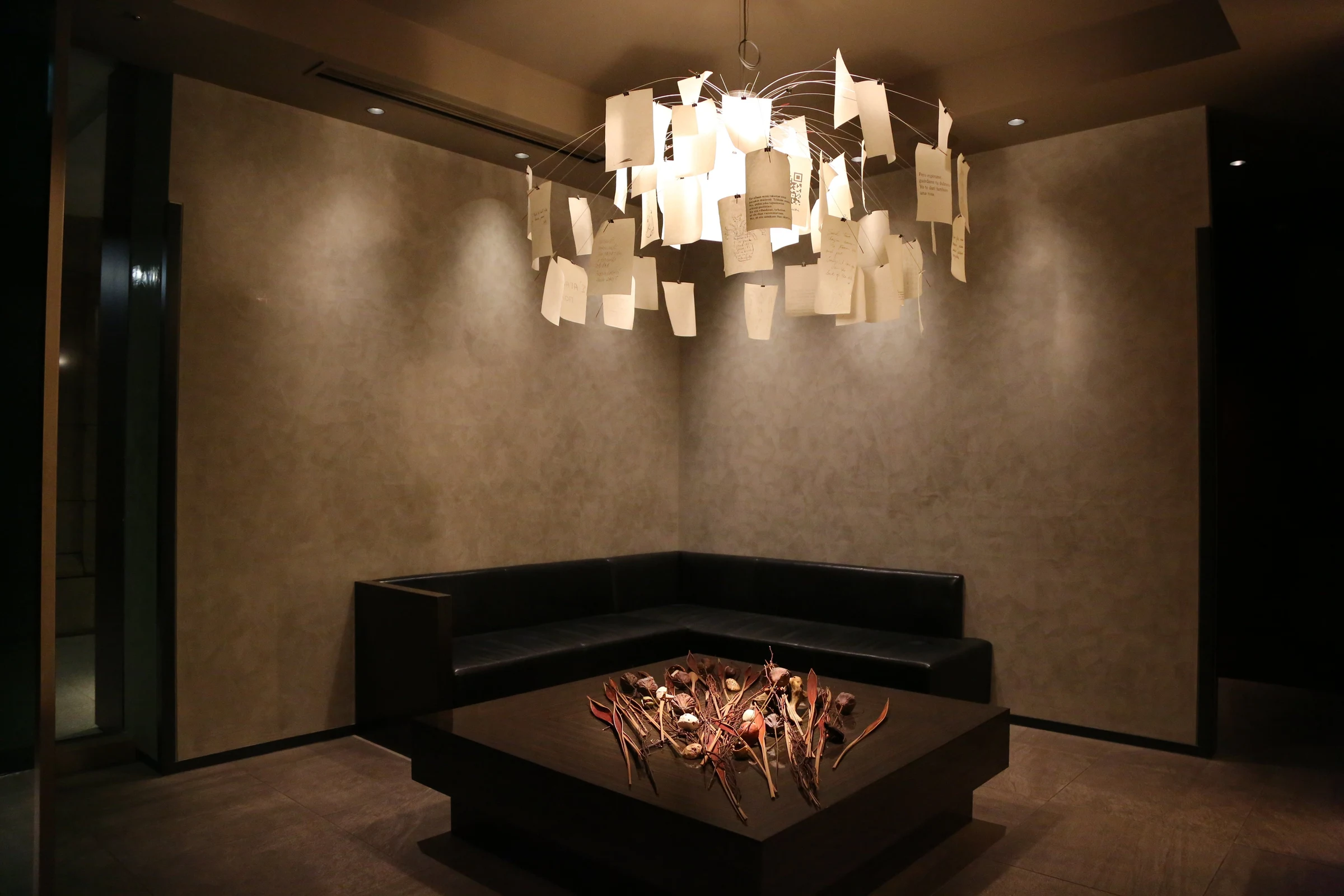
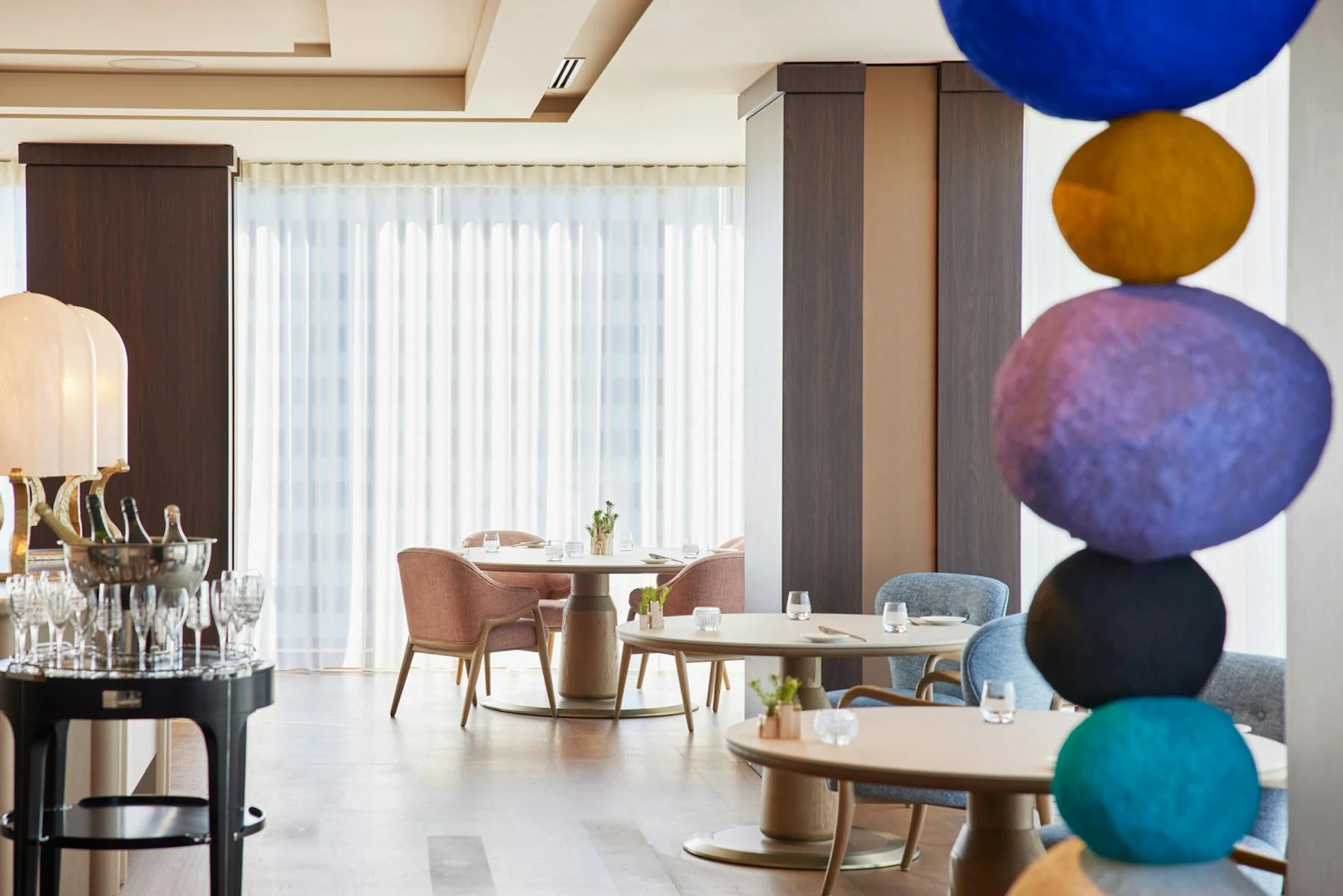
La Table du Connétable - Auberge du Jeu de Paume
- 01CuisineModern French Fine Dining
- 02CityChantilly, France
- Michelin Plate · 2025
- Relais Chateaux Award · 2025
- Michelin Plate · 2024
Where the Condé Estate Meets the Plate
Chantilly's relationship with grand French hospitality runs several centuries deep. The town grew around the Château de Chantilly and the stables commissioned by Louis-Henri de Bourbon, and the proximity of Paris (roughly 40 minutes by train from the Gare du Nord) has long sustained a dining culture that serves both a day-trip crowd and an audience that stays longer. La Table du Connétable occupies the restaurant space inside the Auberge du Jeu de Paume, a hotel positioned on the Rue du Connétable at the edge of the château grounds. The address alone sets a register: the street is named after the Constable of France, and arriving at this part of Chantilly carries a specific architectural weight that few comparable towns outside Paris can replicate.
The physical approach matters here. The Auberge du Jeu de Paume building references the jeu de paume court traditions of French aristocratic leisure, and the hotel's position adjacent to the château park means that guests move through a setting defined by water features, formal planting, and the outline of the Grandes Écuries. French gastronomic restaurants in provincial or peri-urban settings often carry this kind of environmental context as an implicit argument for their identity, and La Table du Connétable is positioned to use it.
Terroir in the Oise: What the Region Puts on the Table
The Oise département and its surrounding territory in northern Île-de-France and Picardy represent one of France's most productive agricultural zones, though it rarely receives the same gastronomic attention as regions with stronger wine identities like Burgundy or Alsace. That absence of a dominant wine narrative actually focuses attention elsewhere: on the quality of cereals, root vegetables, game from the forests of Compiègne and Chantilly, dairy from the Picard plain, and freshwater fish from the local rivers and lakes. For a kitchen with provenance as a central concern, this is a serious larder.
Chef Christophe Ducros works within the French gastronomic tradition at a price point (€€€€) that positions La Table du Connétable against the upper end of the regional restaurant market rather than against Paris's three-star circuit. For reference, the €€€€ tier in Paris includes tables like Alléno Paris au Pavillon Ledoyen and Mirazur in Menton, both holding three Michelin stars. La Table du Connétable is recognized with a Michelin Plate in both 2024 and 2025, with the 2024 designation specifically citing creative cooking. The Plate distinction is Michelin's marker for kitchens producing food of good quality without yet meeting the threshold for a star. Within the Chantilly context, that recognition matters: the competitive set here is regional, not Parisian, and a Michelin Plate in 2025 signals that the kitchen is cooking at a level worth a trip rather than merely convenient for hotel guests.
The Google review average of 4.6 from 1,354 reviews reflects consistent execution rather than a single strong season. For a hotel restaurant, a format that historically attracts more mixed feedback due to captive audiences and volume pressures, that rating distribution is notable.
The French Gastronomic Frame
French gastronomic cooking in the northern regions develops differently from the Mediterranean-inflected versions you find at Mirazur or the alpine provenance work at Flocons de Sel in Megève. The northern tradition relies more heavily on stocks, classical sauce work, game preparation, and dairy richness. Kitchens like Auberge de l'Ill in Illhaeusern and Auberge du Vieux Puits in Fontjoncouse anchor their identities firmly in regional ingredient specificity, a model that translates naturally to the Oise's own strong agricultural character. What differentiates the Chantilly position is the forest-and-estate dimension: the Forêt de Chantilly and its surrounding hunting territory historically supplied the aristocratic tables of the Condé family, and a kitchen in this location that doesn't engage with game and foraged produce would be ignoring its most distinctive local asset.
Broader comparisons within the French gastronomic tradition help calibrate expectations. Tables like Bras in Laguiole, Troisgros in Ouches, and Paul Bocuse in Collonges-au-Mont-d'Or have built identities from tight regional specificity over decades. La Table du Connétable operates at an earlier point in that arc, but the Michelin creative cooking note from 2024 suggests a kitchen willing to move beyond pure classicism. For creative French gastronomic cooking with stronger coastal or Mediterranean emphasis, AM par Alexandre Mazzia in Marseille and Jardin des Sens in Montpellier represent a distinct regional register. La Table du Connétable's register is cooler, more structured, and rooted in the agricultural and sylvan character of the Oise.
Planning a Visit
Chantilly sits roughly 40 kilometres north of Paris, with direct TER and Transilien rail connections from the Gare du Nord taking under an hour. The Auberge du Jeu de Paume is within short walking distance of the station and the château entrance, making La Table du Connétable accessible as either a lunch destination on a château visit or as part of a longer overnight stay. The €€€€ price tier means budgeting accordingly for a full dinner with wine; this is not a casual drop-in option but a considered meal. Reservations are advisable, particularly on weekends when the château draws significant day-trip traffic from Paris.
For the widest view of where La Table du Connétable sits within the French gastronomic tradition, the northern regional context connects naturally with classical houses such as Assiette Champenoise in Reims, Au Crocodile in Strasbourg, and La Maison de Marc Veyrat in Manigod, all operating within the same broad northern and mountain-inflected half of French culinary geography, each anchoring their cooking to a specific landscape rather than a single chef's trajectory.
Questions
Frequently asked
How expensive is La Table du Connétable - Auberge du Jeu de Paume?
La Table du Connétable - Auberge du Jeu de Paume is listed at a price level of $$$$.
Where is La Table du Connétable - Auberge du Jeu de Paume and what does it serve?
La Table du Connétable - Auberge du Jeu de Paume is in Chantilly, Chantilly, serving Modern French Fine Dining.
The field
How it compares
| Place | Cuisine | Notes | Awards |
|---|---|---|---|
| La Table du Connétable - Auberge du Jeu de Paume | Modern French Fine Dining | Chantilly, $$$$ | · |
| Daniel | Modern French Fine Dining | New York City | Michelin 1 Star, World's 50 Best |
| Mirazur | Modern French Fine Dining | Menton | Michelin 3 Stars, World's 50 Best |
| Odette | Modern French Fine Dining | Singapore | Michelin 3 Stars, World's 50 Best |
| Quince | Modern French Fine Dining | San Francisco | Michelin 3 Stars, World's 50 Best |
| Quintessence | Modern French Fine Dining | Tokyo | Michelin 3 Stars |
| Sézanne | Modern French Fine Dining | Tokyo | Michelin 3 Stars, World's 50 Best |
Similar places
Modern French Fine Dining
Daniel
New York City, United States
★ · 50 Best
Modern French Fine Dining
Mirazur
Menton, France
★★★ · 50 Best
Modern French Fine Dining
Odette
Singapore, Singapore
★★★ · 50 Best
Modern French Fine Dining
Quince
San Francisco, United States
★★★ · 50 Best
Modern French Fine Dining
Quintessence
Tokyo, Japan
★★★
Modern French Fine Dining
Sézanne
Tokyo, Japan
★★★ · 50 Best