White Towers, Blue Pools, and the Architecture of Andalusian Calm
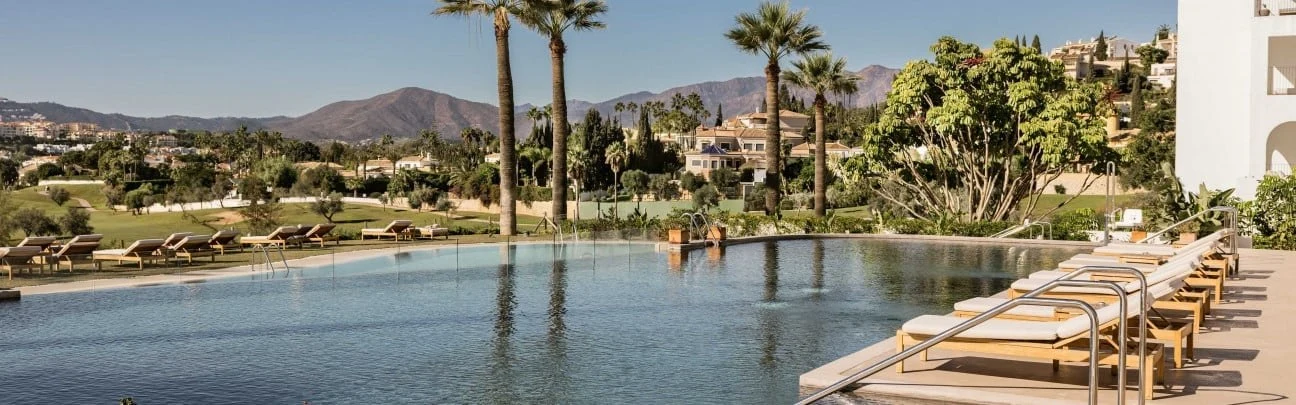
Drive up through the terraced hillside between Málaga and Marbella and the silhouette appears before the entrance does: two powder-blue towers rising from a white compound, framed by cypress and palm, with the faint shimmer of the Mediterranean visible beyond the golf course below. La Zambra Resort is a 5-star hotel in Mijas, Málaga, with 1 Michelin Key and 196 rooms. The decision says something significant about a broader shift in how Spain's premium resort hotels handle their own histories. Rather than erasing a complicated past, the finest of them are finding ways to let it breathe.
The original structure, inaugurated in 1986 as the Byblos Hotel, was designed as a statement of Andalusian resort ambition at a moment when the Costa del Sol was competing seriously for the European jet-set. The blue-and-white palette, the cloister-like interior courtyards, the archways and fountains: these were architectural choices that positioned the property within a Moorish-Andalusian vernacular but translated through a 1980s lens for international luxury. Princess Diana stayed. The Rolling Stones stayed. The discretion was part of the product. La Liste ranked the current incarnation at 90 points in its 2026 Leading Hotels edition.
The Sunday email
Read about the people behind hotels like La Zambra Resort in the Sunday email.
Every Sunday we send a lead story and up to four more about the chefs, winemakers, sommeliers and hoteliers behind the restaurants, bars, wineries and hotels we cover.
Recent stories

Free. One email a week, and you can unsubscribe from any issue.
What the Renovation Kept, and Why It Matters
The architectural logic of the renovation is worth examining in detail, because it illustrates a design philosophy that is becoming more common across Spain's resort sector. Properties like La Residencia, A Belmond Hotel, Mallorca and Mas de Torrent Hotel & Spa have navigated similar questions about preserving architectural identity while updating the guest experience for a different era of premium travel. At La Zambra, the answer has been structural conservation paired with material restraint. The blue towers and white façade are intact. The compound's cloister logic, where movement happens through airy courtyards rather than long corridor-based floor plans, remains the organizing principle. What has changed is the interior register.
Renovation introduces warm materials, soft tones, and what the property frames as a contemporary Andalusian aesthetic. This is a meaningful distinction from the maximalist period-revival approach: it does not attempt to recreate 1986 or to simulate a specific historical moment of Andalusian architecture. The earth-toned suites, the gurgling fountain courtyards, the considered use of natural materials, all of these gesture toward the regional vernacular while operating in a quieter, more controlled visual language. For guests accustomed to the harder-edged design sensibility of urban luxury hotels, the effect on arrival is one of deliberate deceleration. The architecture is doing the work that a spa might otherwise do.
196 rooms sit across a footprint that includes mountain views and golf course outlooks, depending on position within the compound. At $209 per night, La Zambra occupies a price tier that places it above the Costa del Sol's mass-market resort stock but below the pricing of properties like the Marbella Club Hotel further along the coast. Within its own comparable set, it competes on heritage credentials and design coherence as much as on amenity count.
The Pools, the Grounds, and the Question of Register
In Andalusia's resort tradition, outdoor space has always been as architecturally significant as interior space. La Zambra's grounds operate on this logic. The aquamarine pools, including a dedicated adults-only pool, are positioned to reinforce the sense of enclosure and calm that the compound's architecture establishes. Palm trees and cypresses provide scale and shade. The transition from the gated entrance through the courtyard sequence to the pool terraces is a choreographed architectural experience, even if it does not announce itself as such.
This matters for how the property should be assessed in the context of the broader Costa del Sol luxury tier. Much of what is sold in this corridor is scale: large pools, large beaches, large entertainment programs. La Zambra's value proposition runs in a different direction, toward what might be called productive stillness. The hotel's name is drawn from a regional flamenco form, a dance tradition rooted in presence and freedom rather than spectacle. Whether the naming choice functions as genuine philosophy or brand positioning, the physical environment supports the idea. It is a property designed for disappearing, in the most deliberate sense of the word.
Dining: A San Sebastián Connection on the Costa del Sol
The food and beverage program is overseen by a chef with San Sebastián training, which positions the restaurants within a culinary tradition known for precision, product quality, and technique. San Sebastián's influence on Spain's broader fine-dining conversation is well-documented; properties like Akelarre in San Sebastián represent the concentrated form of that tradition. At La Zambra, the connection functions as a credential signal in a setting that otherwise prioritizes Andalusian context. The combination of regional identity with Basque-country culinary discipline is not uncommon in Spain's better resort properties, but it is a more considered pairing than the generic Mediterranean menus that dominate the Costa del Sol's mid-tier market. Tapas and sunset drinks across several restaurants and bars complete the offer. For comparison with other wine and dining-integrated Spanish properties, Abadía Retuerta LeDomaine and Atrio Restaurante Hotel in Cáceres sit at the more food-focused end of the Spanish luxury hotel spectrum.
The Michelin Key recognition is a useful trust signal here. Michelin's hotel key program assesses the overall accommodation experience, not solely the restaurant, so the award indicates that the property performs consistently across hospitality dimensions. Combined with the La Liste 90-point rating, it places La Zambra within a small cohort of Andalusian resort hotels that have secured independent critical validation post-renovation.
Questions
Frequently asked
What recognition does La Zambra Resort hold?
La Zambra Resort holds 1 Michelin key.
Who works at La Zambra Resort?
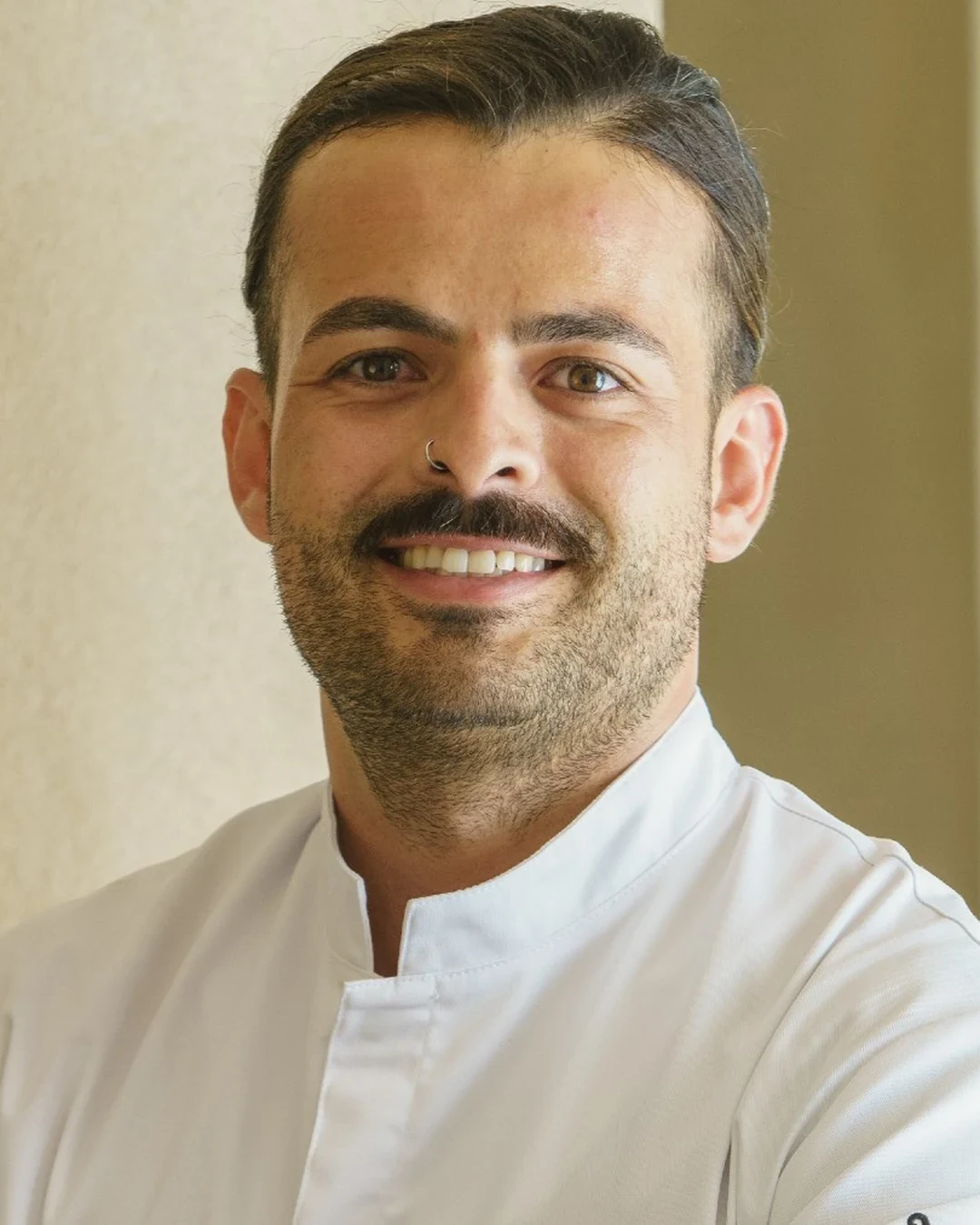
Made By profiles Juanjo Solano (Other) at La Zambra Resort.
How expensive is La Zambra Resort?
La Zambra Resort is listed at a price level of $$$$.
The field
How it compares
| Place | Awards | Notes |
|---|---|---|
| La Zambra Resort | Michelin 1 Key | Mijas, $$$$ |
| Four Seasons at The Surf Club | Michelin 2 Keys, 50 Best | Surfside |
| Gleneagles | 50 Best | Auchterarder |
| Mandarin Oriental, Hong Kong | Michelin 1 Key, 50 Best | Hong Kong |
| One&Only Moonlight Basin | · | Big Sky |
| Royal Hideaway Corales Resort | Michelin 1 Key | Adeje |
| Zadun, A Ritz-Carlton Reserve | Michelin 2 Keys | Los Cabos |
Similar places
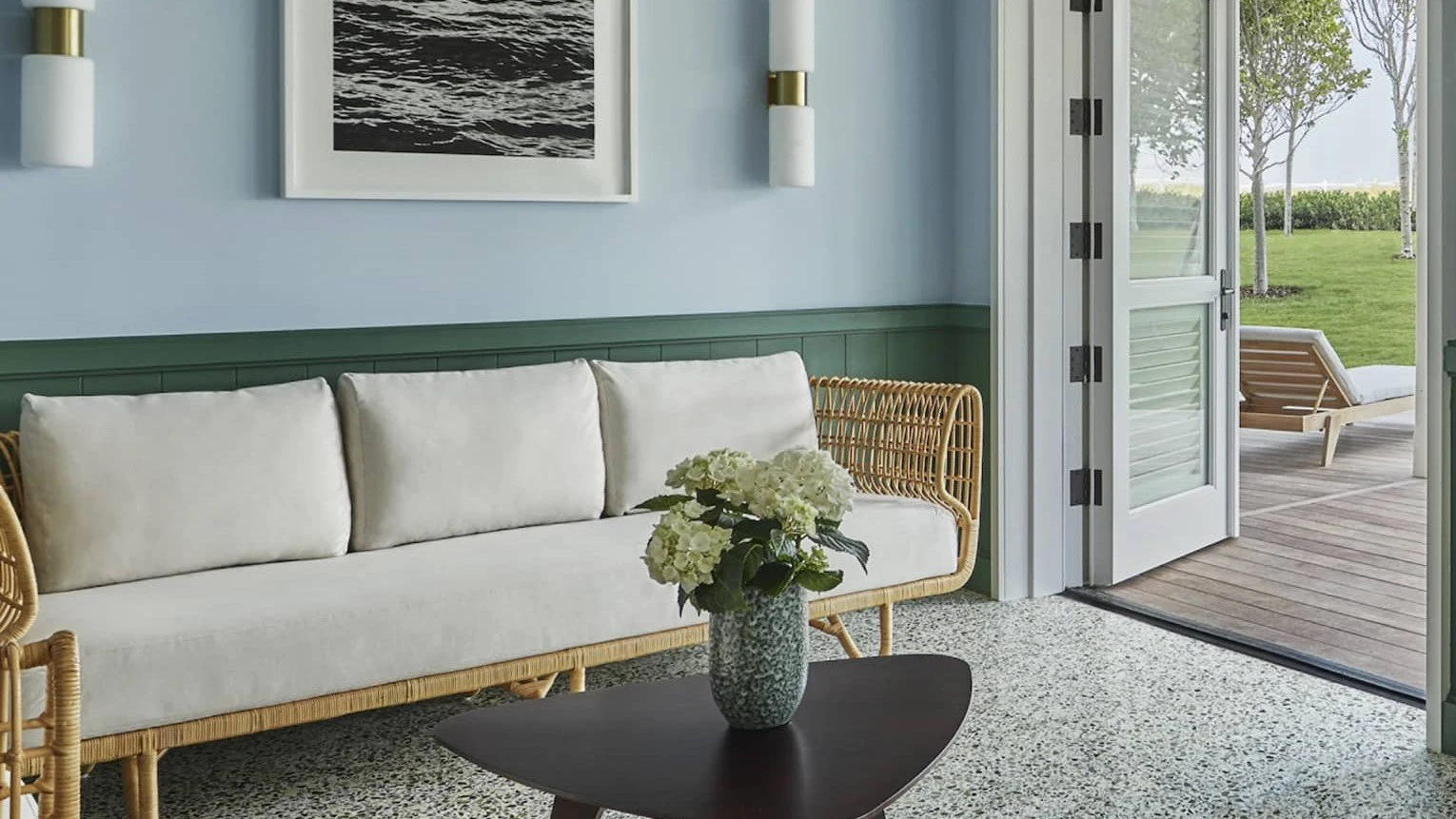
Four Seasons at The Surf Club
Surfside, United States
2K · 50 Best
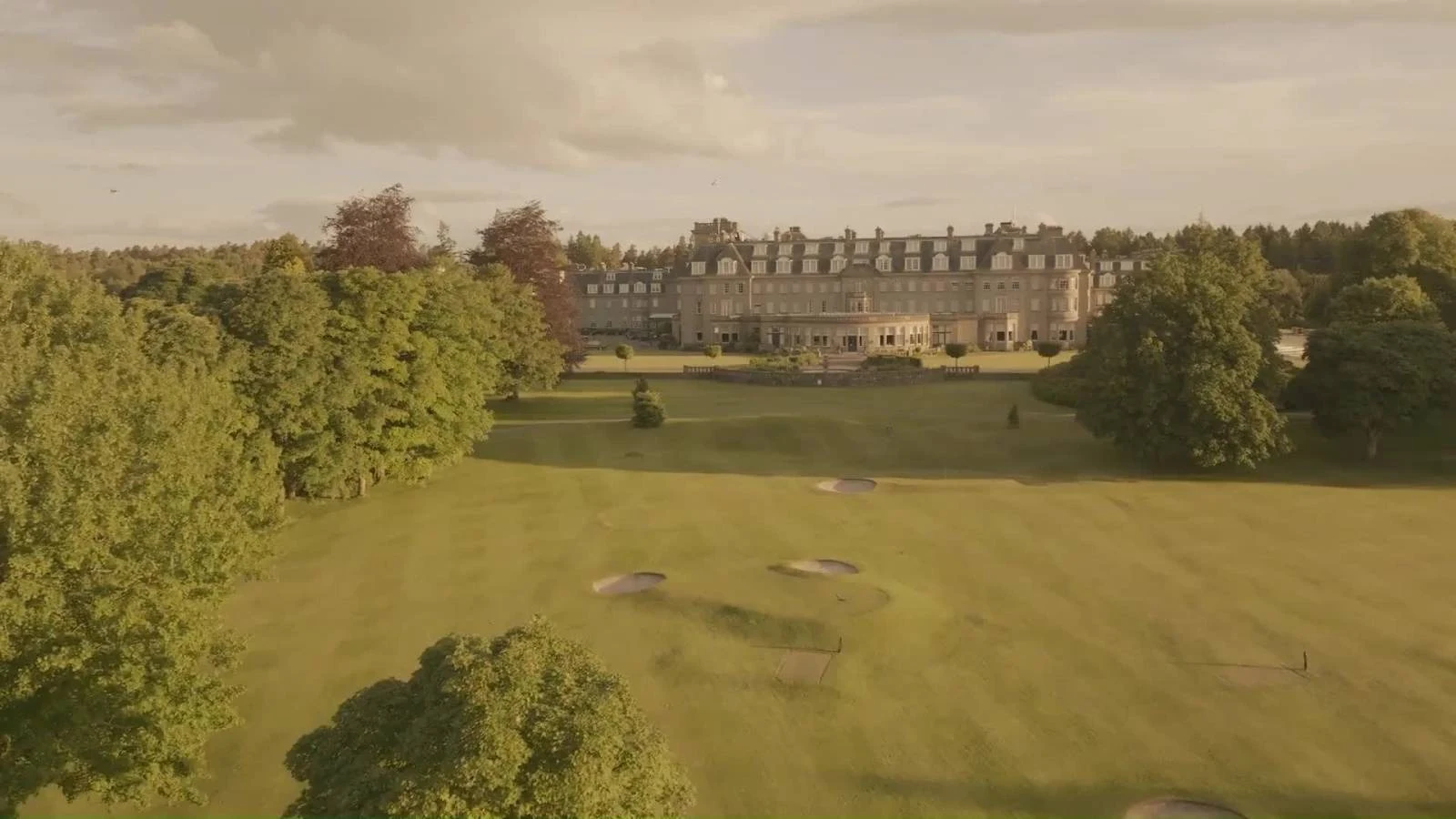
Gleneagles
Auchterarder, United Kingdom
50 Best
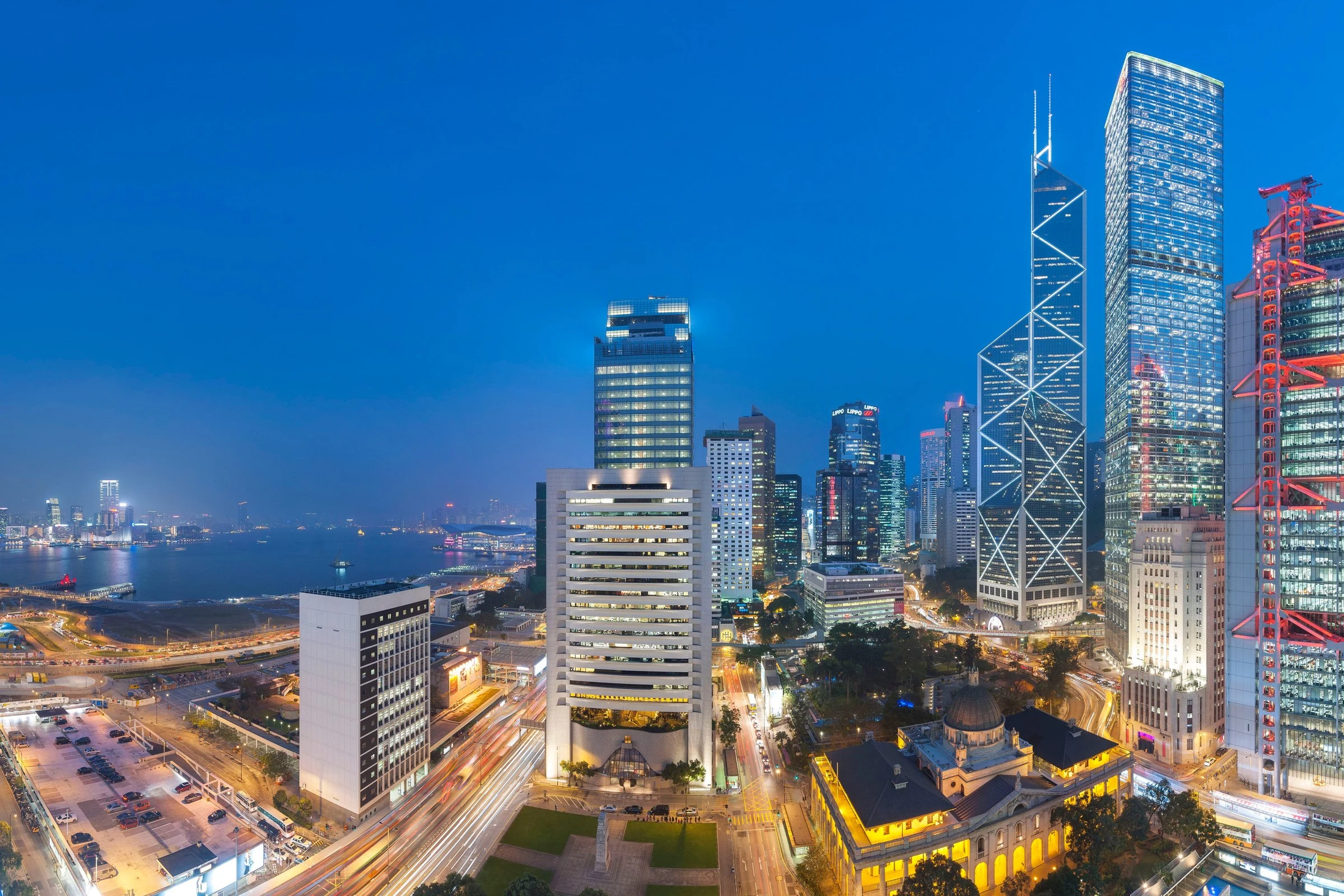
Mandarin Oriental, Hong Kong
Hong Kong, Hong Kong
1K · 50 Best
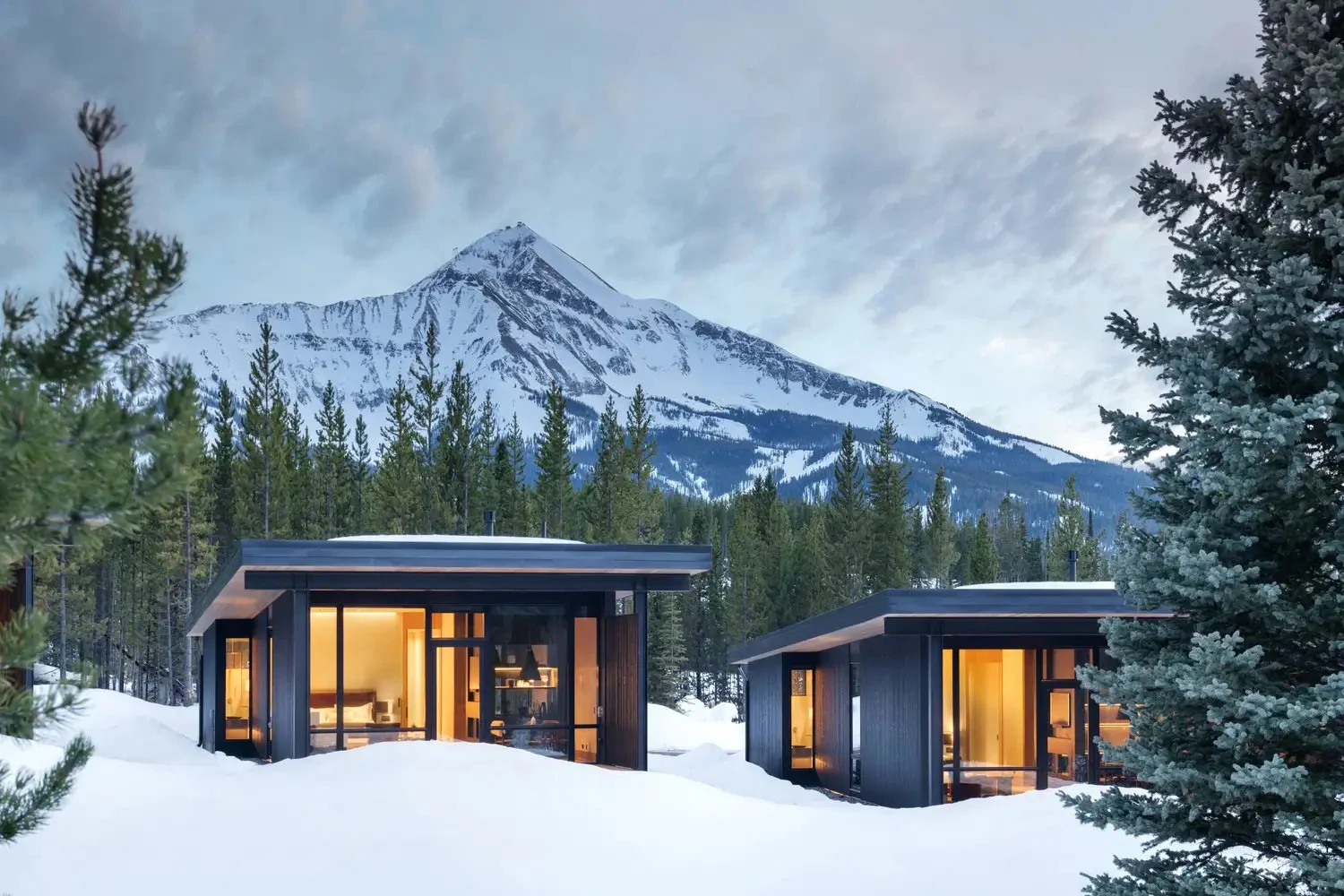
One&Only Moonlight Basin
Big Sky, United States
Royal Hideaway Corales Resort
Adeje, Spain
1K
Zadun, A Ritz-Carlton Reserve
Los Cabos, Mexico
2K
The Sunday email
Read about the people behind hotels like La Zambra Resort in the Sunday email.
Every Sunday we send a lead story and up to four more about the chefs, winemakers, sommeliers and hoteliers behind the restaurants, bars, wineries and hotels we cover.
Recent stories
Free. One email a week, and you can unsubscribe from any issue.