L'Acquario
- 01CuisineTraditional Umbrian Lake Fish
- 02CityCastiglione del Lago, Italy
- Michelin Bib Gourmand · Michelin Guide
- Michelin Bib Gourmand · 2026
- Michelin Bib Gourmand · 2025
- Michelin Bib Gourmand · 2024
Where the Lake Comes Indoors
Castiglione del Lago sits on a promontory above Lake Trasimeno, the largest lake in central Italy and the fourth largest in the country, its medieval walls pressing close to the water on three sides. The town's historic center, compact and largely pedestrianized, has long attracted visitors drawn to Etruscan history and the slow rhythms of Umbrian life. But the kitchen at L'Acquario, on Via Vittorio Emanuele in the heart of that center, gives visitors a more specific reason to come: a sustained, award-recognized commitment to the freshwater cooking tradition that has defined this stretch of Umbria for centuries.
Freshwater fish cookery occupies an unusual position in the broader context of Italian regional cuisine. In a country where coastal seafood commands the highest prestige and the deepest wallet, inland lake traditions have historically been the province of local families and modest trattorie rather than restaurants that attract serious culinary attention. L'Acquario represents a counterargument to that hierarchy, holding a Michelin Bib Gourmand in both 2024 and 2025, a recognition that places it among Italy's most compelling value propositions rather than a niche local curiosity. For context on what that recognition signals: the Bib Gourmand tier rewards quality and price together, and sustained back-to-back inclusion indicates a kitchen operating with consistency rather than a single good season.
The Freshwater Tradition and What It Demands
Lake Trasimeno's culinary identity rests on a handful of species: carp, eel, perch, and tench, all of which require techniques quite different from saltwater fish. Carp in particular has been eaten around Trasimeno since at least the medieval period, but its preparation is unforgiving. The flesh is dense, can carry a muddy aftertaste if handled carelessly, and benefits from long, careful cooking rather than the quick-fire methods that work with Mediterranean species. The kitchen tradition here has always been one of patience and transformation.
L'Acquario's approach to this material is made clearest in its carp prepared in the style of porchetta: the fish is stuffed and seasoned in the manner that Umbria and Lazio have long applied to whole roasted pork, then oven-roasted until the exterior takes on the character of a proper crust. The technique is a direct translation of the region's pork-roasting vernacular onto a freshwater animal, and it demonstrates something worth noting about Umbrian cooking more broadly: the region's food traditions are less about ingredients imported from elsewhere and more about applying existing mastery to local materials. The same logic that produces Norcia's celebrated salumi shows up here in how the kitchen treats a lake fish.
This kind of culinary thinking connects L'Acquario to a wider conversation happening across Central Italian restaurants. L'Acquario's focus is narrower and more lake-specific, which is precisely its strength.
Ferdinand Plaku and the Case for Focused Regional Cooking
Chef Ferdinand Plaku is the name attached to the kitchen, though what matters editorially is what his cooking argues rather than any biographical arc. In the Italian regional dining context, the clearest signal a chef can send is a refusal to graft international techniques onto local ingredients purely for novelty. The two consecutive Bib Gourmands suggest Plaku's kitchen has made that argument convincingly, at about $50 per person, which positions this squarely in the territory of everyday serious eating rather than occasion dining.
The Italian restaurant world at the summit of the market looks considerably different: Osteria Francescana in Modena, Enoteca Pinchiorri in Florence, and Le Calandre in Rubano all sit in the three-Michelin-star bracket and price accordingly. So do Enrico Bartolini in Milan, Piazza Duomo in Alba, and Reale in Castel di Sangro. L'Acquario operates in an entirely different competitive register. Its comparable set is not those temples of creative Italian cuisine but rather the community of Bib Gourmand kitchens across Umbria and Tuscany that have chosen depth over spectacle. Within that set, back-to-back recognition at the Michelin level is a meaningful differentiator.
The broader Italian freshwater dining tradition has produced a handful of references worth knowing. Dal Pescatore in Runate in Lombardy works river and wetland ingredients into a three-star framework, while Uliassi in Senigallia approaches Adriatic fish with similar rigor, and Quattro Passi in Marina del Cantone does the same on the Amalfi coast. Atelier Moessmer Norbert Niederkofler in Brunico and Casa Perbellini 12 Apostoli in Verona round out the picture of Italian restaurants that take regional specificity seriously at the highest levels. L'Acquario draws from the same intellectual tradition, but at a scale and price designed for regularity rather than pilgrimage.
Planning a Visit
L'Acquario sits at Via Vittorio Emanuele, 69, in the historic center of Castiglione del Lago. The restaurant's price tier (a single euro sign) makes it viable for a midweek lunch as much as an evening meal.5 across 907 ratings, a volume that suggests consistent performance rather than a single spike of attention. Given the Bib Gourmand recognition, a reservation is recommended, particularly during busy periods.
Questions
Frequently asked
What recognition does L'Acquario hold?
L'Acquario holds a Michelin Bib Gourmand.
How expensive is L'Acquario?
L'Acquario is listed at a price level of $$$.
Where is L'Acquario and what does it serve?
L'Acquario is in centro storico, Castiglione del Lago, serving Traditional Umbrian Lake Fish.
The field
How it compares
| Place | Cuisine | Notes | Awards |
|---|---|---|---|
| L'Acquario | Traditional Umbrian Lake Fish | centro storico, $$$ | · |
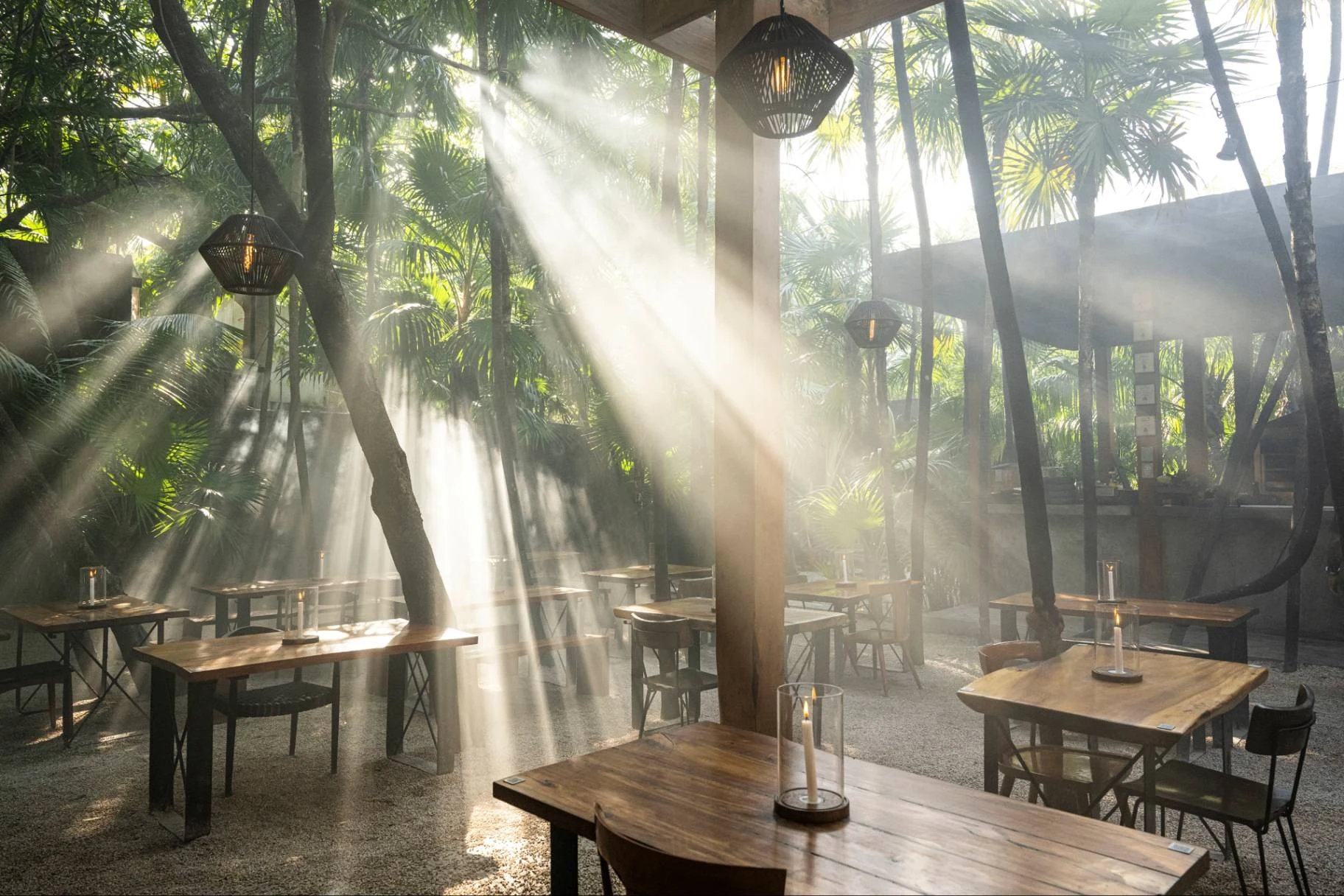
| Arca | Modern Yucatan Fire-Cooked Small Plates | Tulum | World's 50 Best |
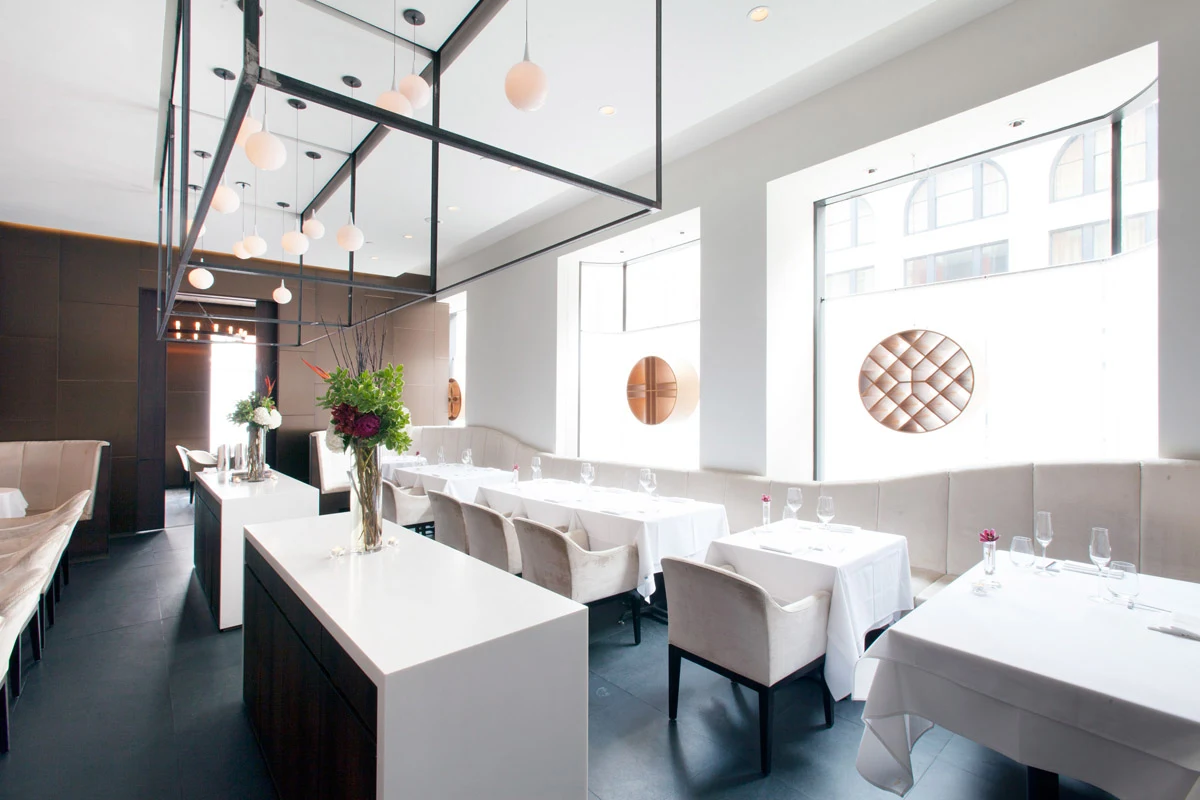
| Jungsik New York | Modern Korean Fine Dining | New York City | Michelin 3 Stars, World's 50 Best |
| Miramar | Modern Mediterranean Seafood | Llançà | Michelin 2 Stars |
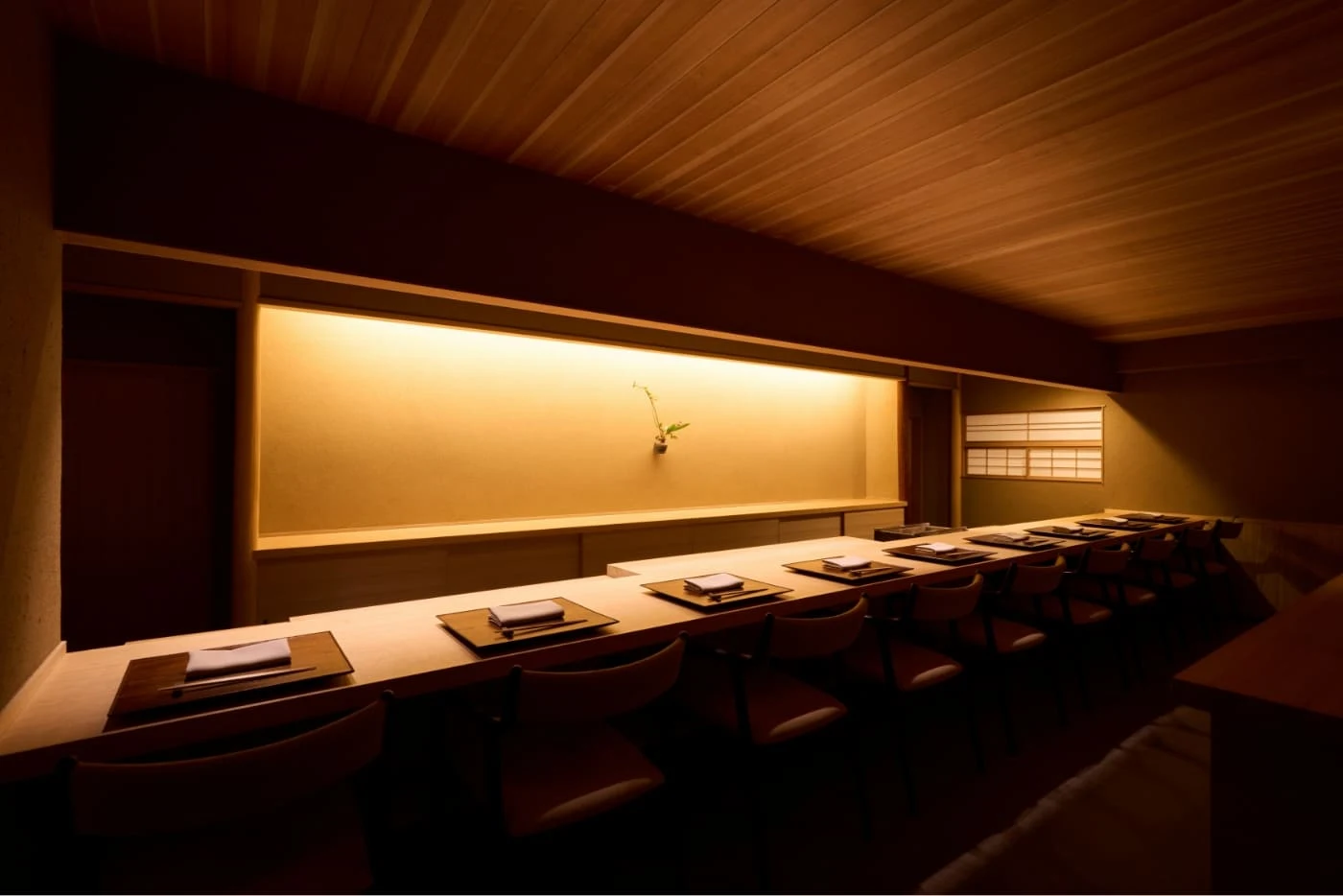
| Myojaku | Modern Minimalist Kaiseki | Tokyo | Michelin 3 Stars, World's 50 Best |
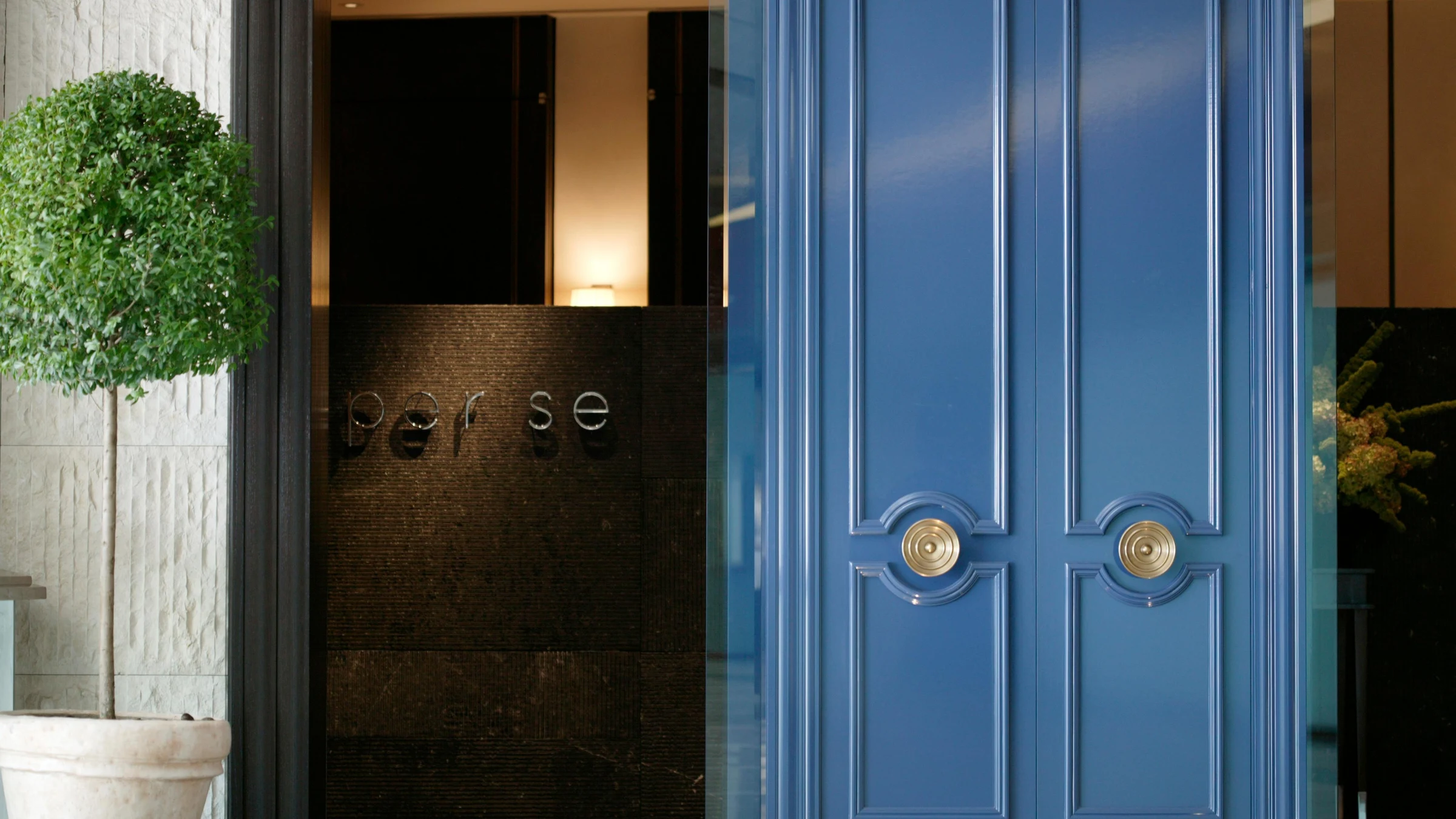
| Per Se | French Fine Dining Tasting Menu | New York City | Michelin 3 Stars, World's 50 Best |
| The Fat Duck | Modern British Molecular Gastronomy | Bray | Michelin 3 Stars, World's 50 Best |
Similar places
Modern Yucatan Fire-Cooked Small Plates
Arca
Tulum, Mexico
50 Best
Modern Korean Fine Dining
Jungsik New York
New York City, United States
★★★ · 50 Best
Modern Mediterranean Seafood
Miramar
Llançà, Spain
★★
Modern Minimalist Kaiseki
Myojaku
Tokyo, Japan
★★★ · 50 Best
French Fine Dining Tasting Menu
Per Se
New York City, United States
★★★ · 50 Best
Modern British Molecular Gastronomy
The Fat Duck
Bray, United Kingdom
★★★ · 50 Best