Éric Pras, chef at Lameloise in Chagny, cooks Burgundy through veal, burnt lemon, tuna jus and the discipline of haute cuisine.
- Opinionated About Dining Classical in Europe Ranked #87 · 2026
Garlic praline against burnt lemon
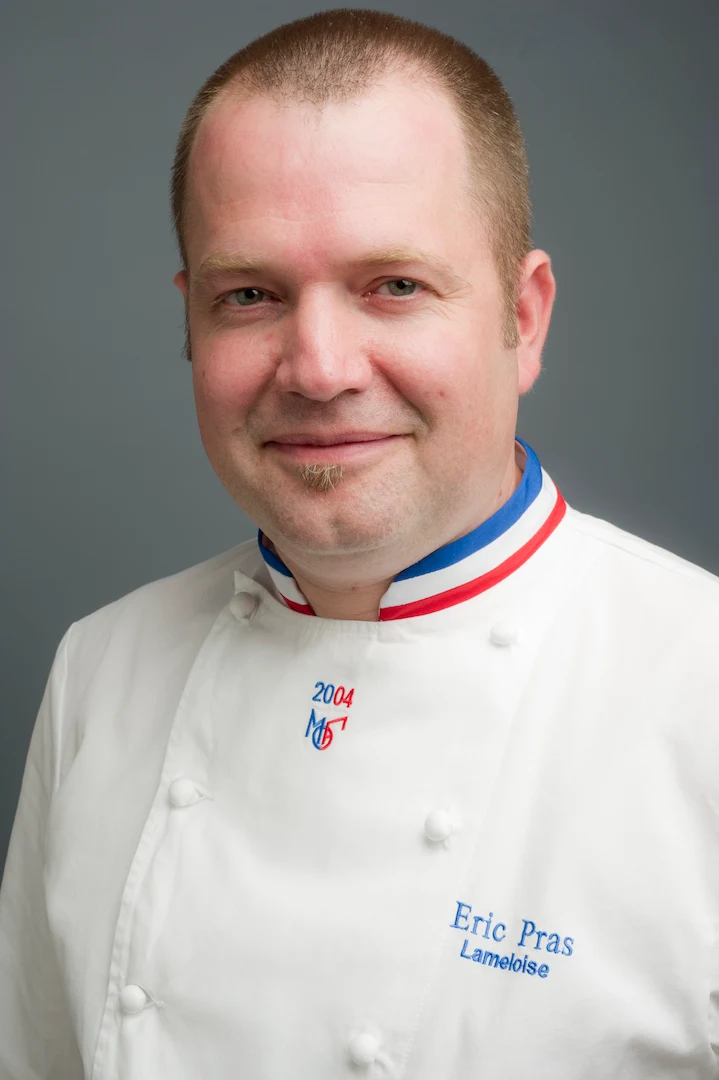
Garlic praline meets burnt lemon before the tuna jus changes the line of the veal. Éric Pras, chef at Lameloise in Chagny, works from that kind of counterpoint: fat held by acid, sweetness checked by smoke, a Burgundy plate allowed to move without losing its frame. His station here carries the weight of Maison Lameloise without turning continuity into repetition. Since 2008, Pras has been Chef de Cuisine at the house, and he is now also its owner. The lineage he brings to the pass is French in the old, practical sense, built through repetition before authorship. He entered the profession at Hôtel Central de Renaison, then went to Maison Troisgros in Roanne from 1989, a formation that placed his hands near one of the defining currents of modern French cooking. Further training followed at Bernard Loiseau in Saulieu, Pierre Gagnaire in Saint-Étienne, Antoine Westermann in Strasbourg and Belle Otéro in Cannes. At Régis Marcon's restaurant in Saint-Bonnet-le-Froid, he served as sous-chef and chef from 2005 to 2008, moving from absorption to direction. At Lameloise, that history reads less as biography than discipline: sauce, architecture, intensity, season, restraint.
A Burgundy frame with modern pace
The house specialty sits inside haute cuisine, but Pras gives it brightness and tempo rather than ornament. One signature construction makes the method plain: veau de lait roasted with acacia flower, carrots and lettuce, sweetbreads with garlic praline and burnt lemon marmalade, and tuna jus. The plate depends on tender milk-fed veal, floral lift, carrot sweetness, the quiet green of lettuce, sweetbread richness, garlic depth, bitter citrus and marine savour. None of those elements can dominate for long. The pass has to keep them in proportion. Another Pras description works the same way: “I cook veal chops larded with Colonnata lardo, rubbed with marjoram and orange and roasted in a saucepan, accompanied by confit potatoes and caramelized onion juice.” The craft there is not novelty. It is alignment. Fat carries herb and citrus; roast notes settle into potato; onion gives the jus its darker line. Burgundy gives the kitchen its base, but the regional source is not treated as a fixed style card. The cooking values people from the region, seasonality and purity of product, then tests contrast through texture, bitterness, softness and savour.
Several small rooms off the pass
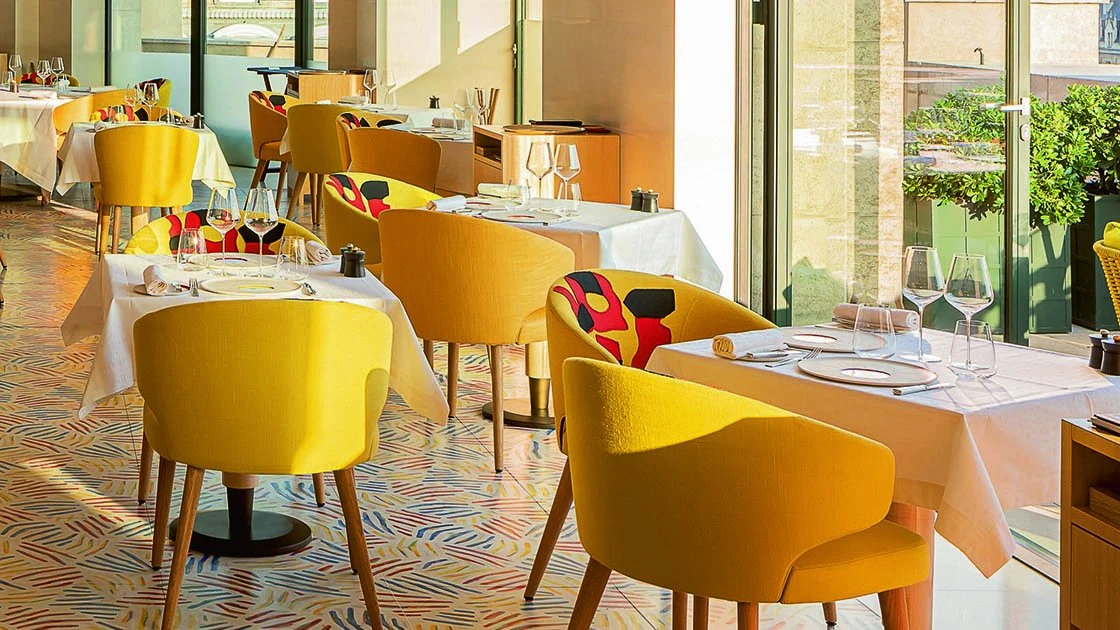
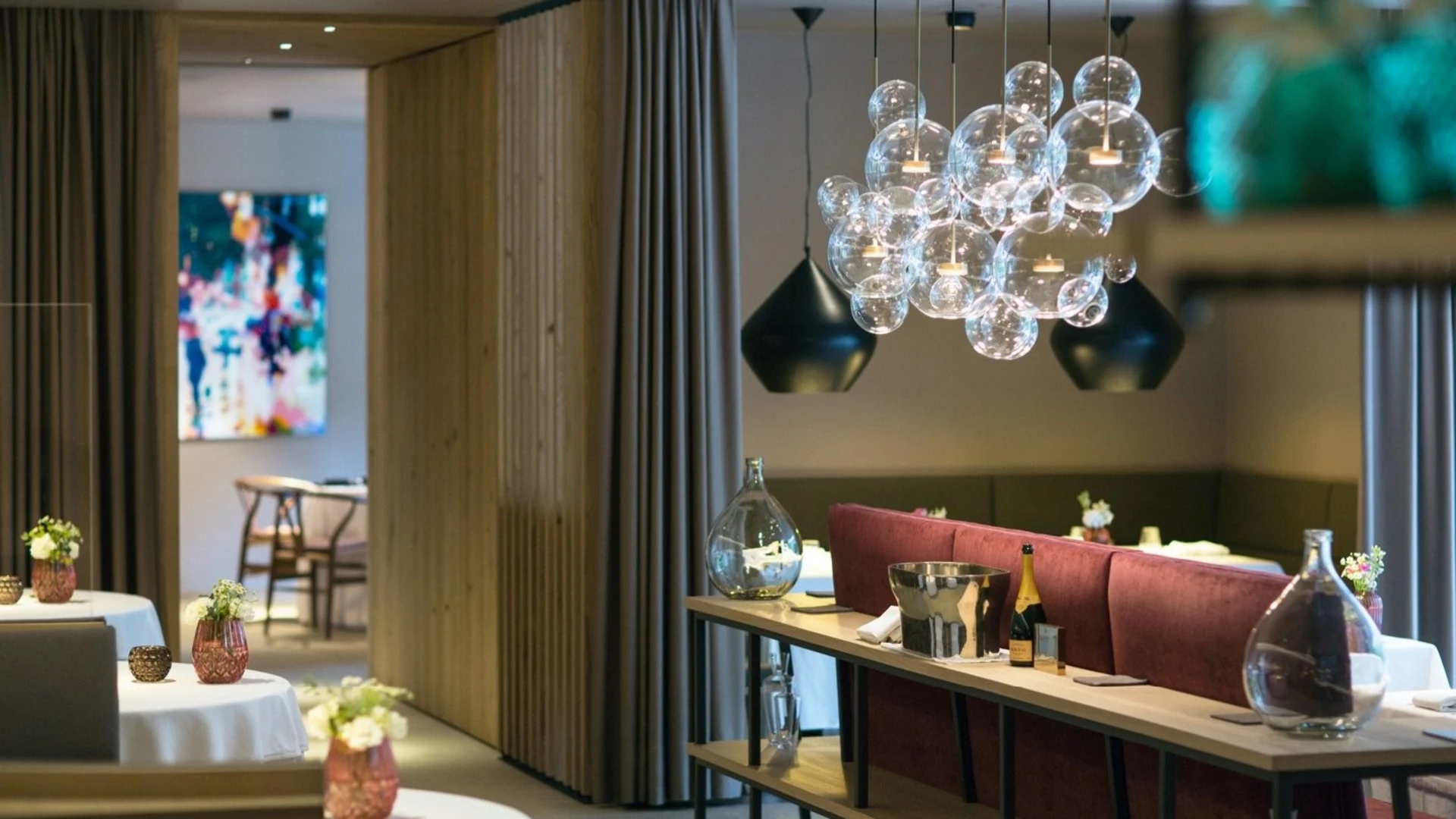
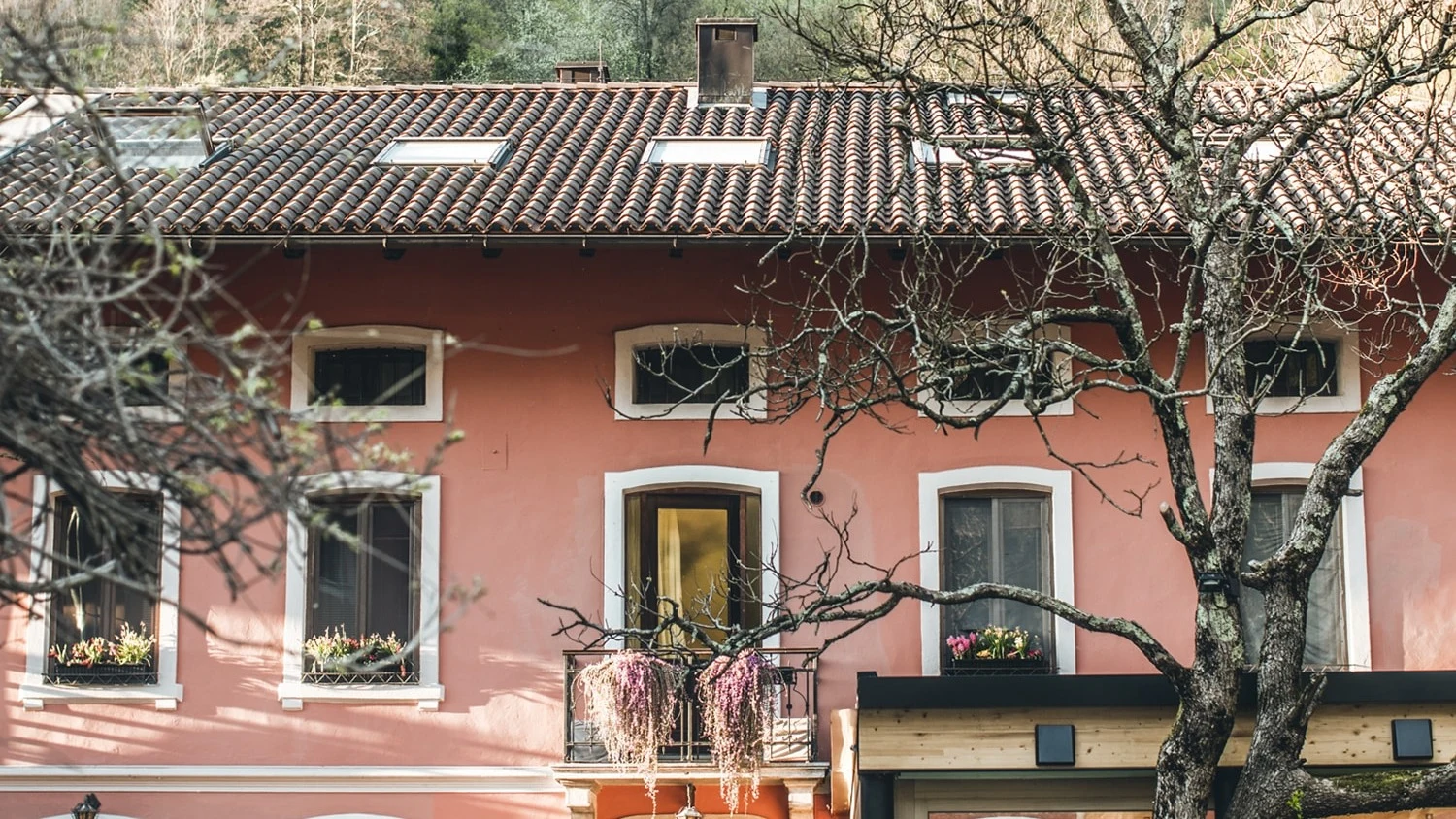
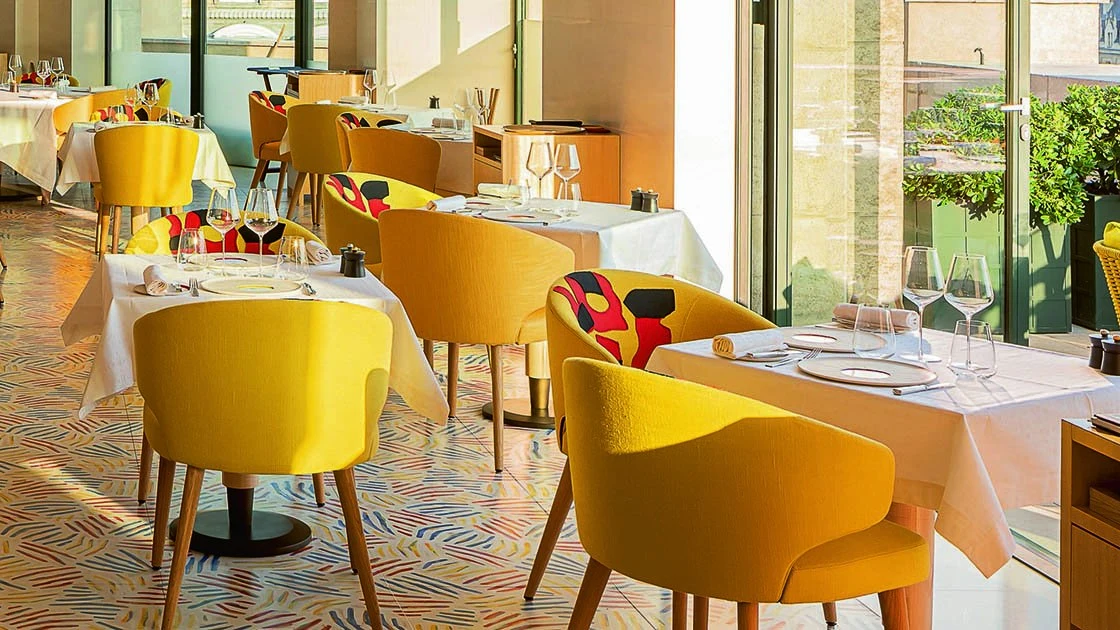
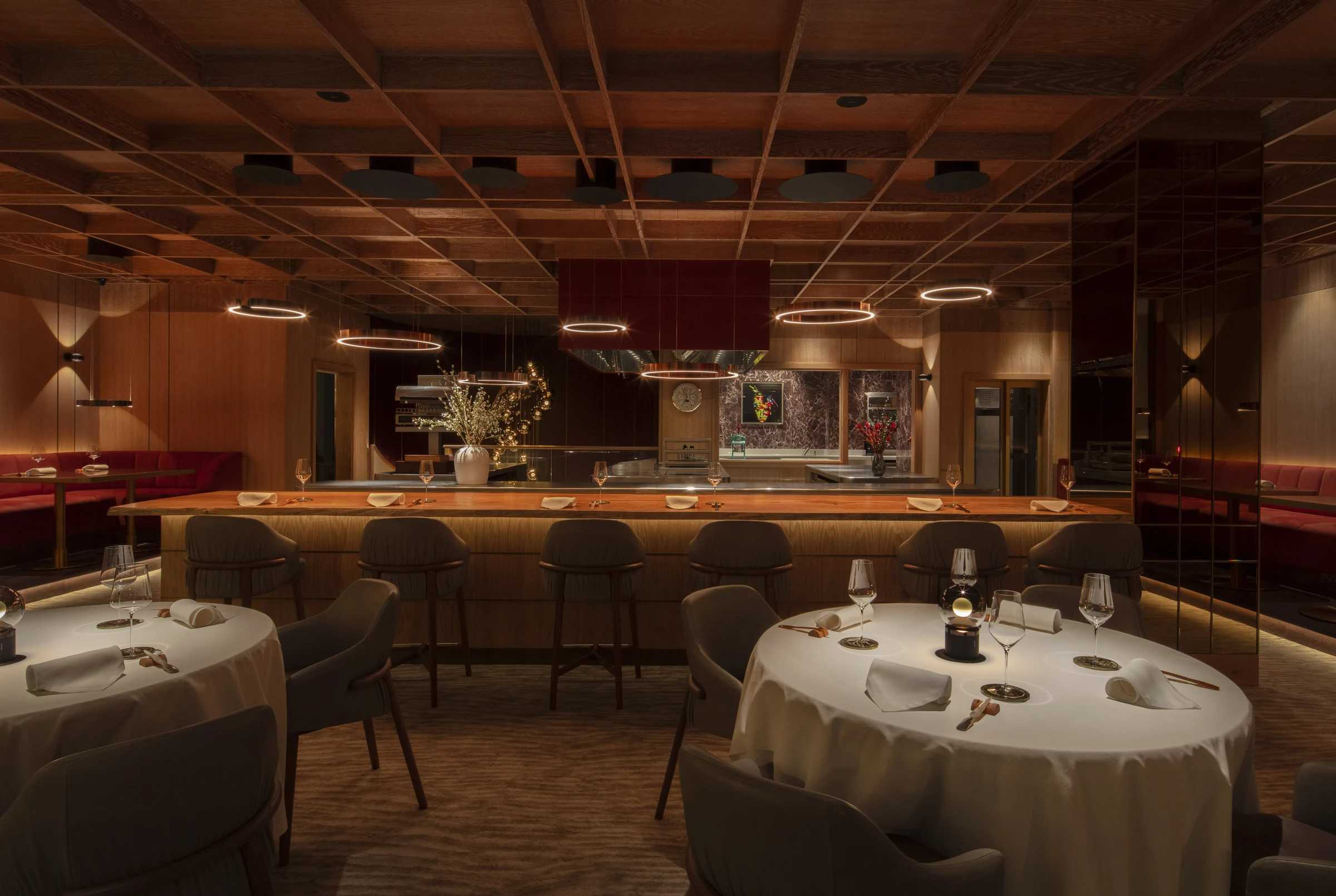
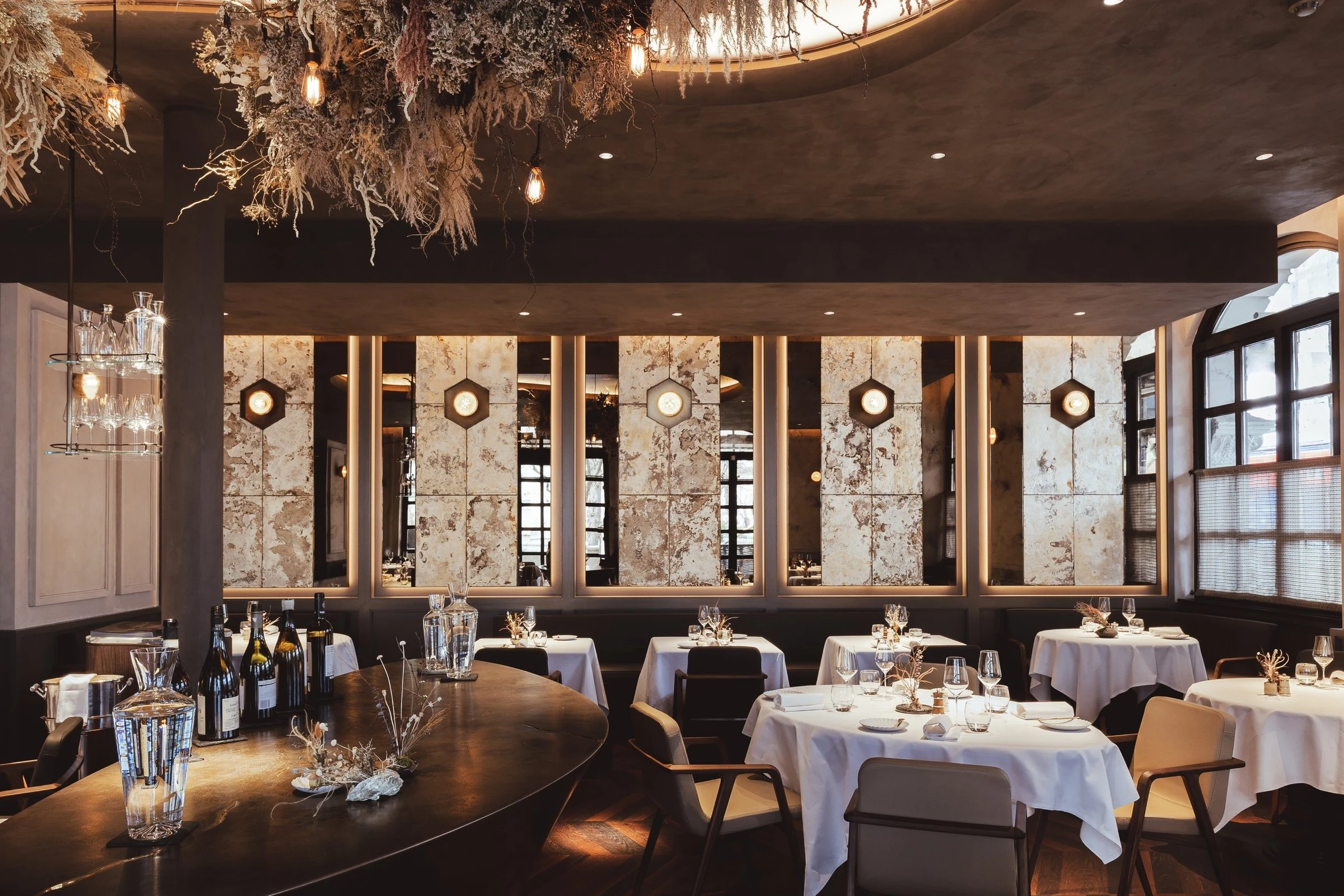
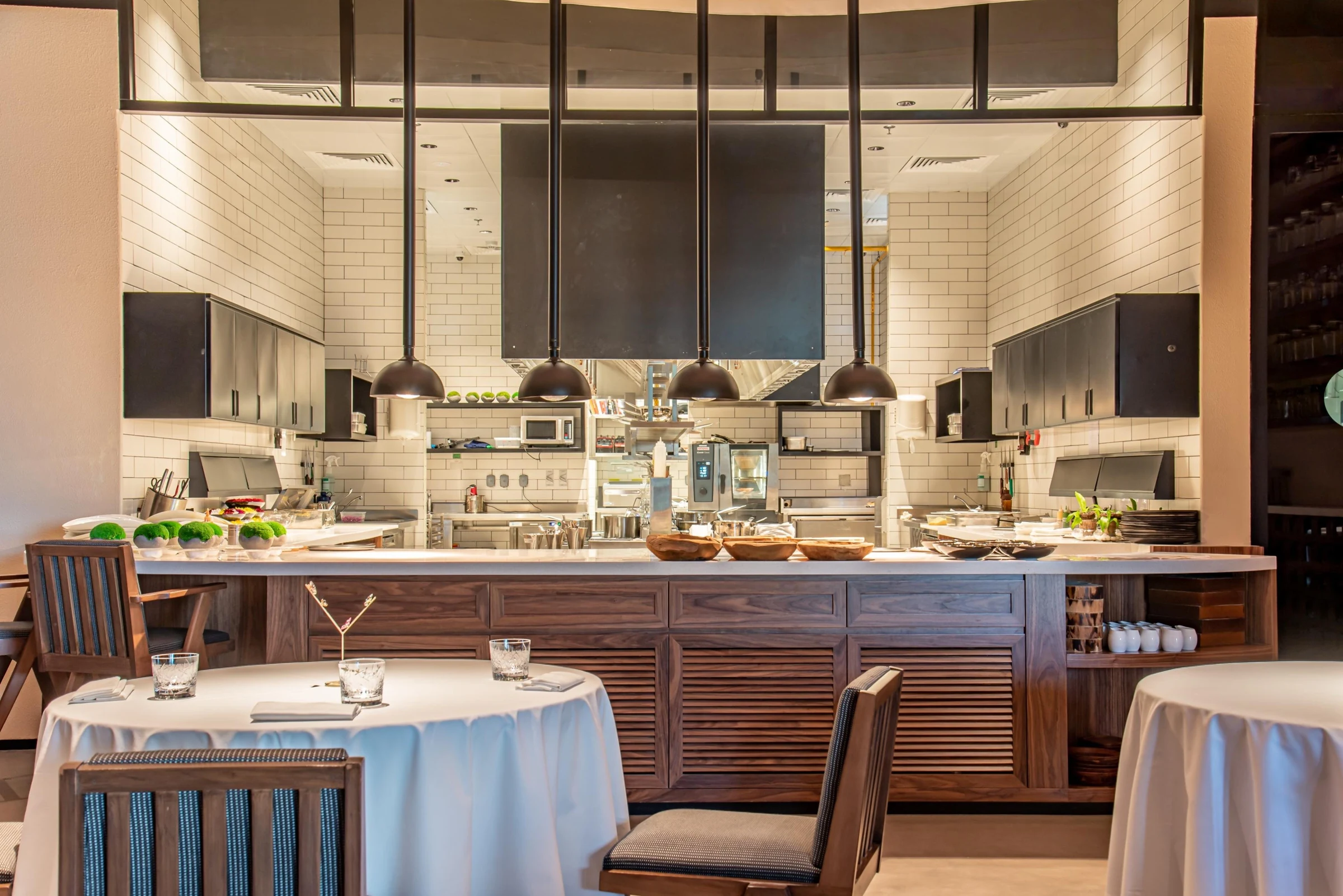
The room at Lameloise is divided into several intimate spaces rather than one grand dining hall, each often described with six tables or fewer. That scale matters to the craft. Plates leave the pass with the focus of a house accustomed to close looking, then arrive under linen, porcelain and contemporary art rather than theatrical noise. The building itself carries another kind of continuity: a 15th-century inn, later shaped as a 19th-century Relais & Châteaux mansion, on Place d'Armes in Chagny. Outside, the address sits at the southern end of Burgundy, not far from the vineyards of Saône-et-Loire. Inside, the work stays table-side and measured. Bread, cheese, wine pairings and the occasional tableside crêpes Suzette belong to the rhythm of the house, but Pras’s kitchen keeps the main line on cooked product and controlled surprise.
Continuity without stillness
Lameloise holds three Michelin stars, first achieved in 1979 under Jacques Lameloise, regained in 2007 and maintained during Pras’s time at the pass. That number is part of the house's public grammar, but the daily test is narrower: whether the next sauce keeps its edge, whether the bitter citrus lands cleanly, whether the regional base still has life in the hands using it. For Pras, the house continues through veal, acacia flower, garlic praline, burnt lemon and tuna jus.
Questions
Frequently asked
Who is the chef at Lameloise?
Éric Pras is chef de cuisine at Lameloise in Chagny, and he has held that role since 2008. He is now also the owner.
What kind of cooking is Lameloise known for?
Lameloise cooks French haute cuisine with a Burgundy base. The kitchen works through seasonality, purity of product, texture and contrast rather than ornament.
What are some signature dishes or flavours at Lameloise?
One signature plate combines veau de lait roasted with acacia flower, carrots and lettuce, with sweetbreads, garlic praline and burnt lemon marmalade, finished with tuna jus. Another described dish is veal chops larded with Colonnata lardo, rubbed with marjoram and orange, and served with confit potatoes and caramelized onion juice.
How many Michelin stars does Lameloise hold?
Lameloise holds three Michelin stars. The restaurant first achieved them in 1979, regained them in 2007, and has maintained them during Éric Pras's time at the pass.
What is the dining room like at Lameloise?
The house is divided into several intimate rooms rather than one large dining hall, and each is often described as having six tables or fewer. The building is a 15th-century inn later shaped as a 19th-century Relais & Châteaux mansion on Place d'Armes in Chagny.
The field
How it compares
| Place | Cuisine | Awards | Notes |
|---|---|---|---|
| Lameloise | French | · | · |
| Lasserre | French | Michelin 1 Star | Paris |
| Le Cirque Las Vegas | French | · | Las Vegas |
| Le Feuillée - Le Couvent des Minimes | French | Michelin 1 Star | Mane |
| Maison Lameloise | Classic French Fine Dining with Burgundian Terroir | Michelin 3 Stars | Chagny |
| Scaramouche | French | · | Toronto |
| Sézanne | French | Michelin 3 Stars, World's 50 Best | Tokyo |