Made ByRestaurant
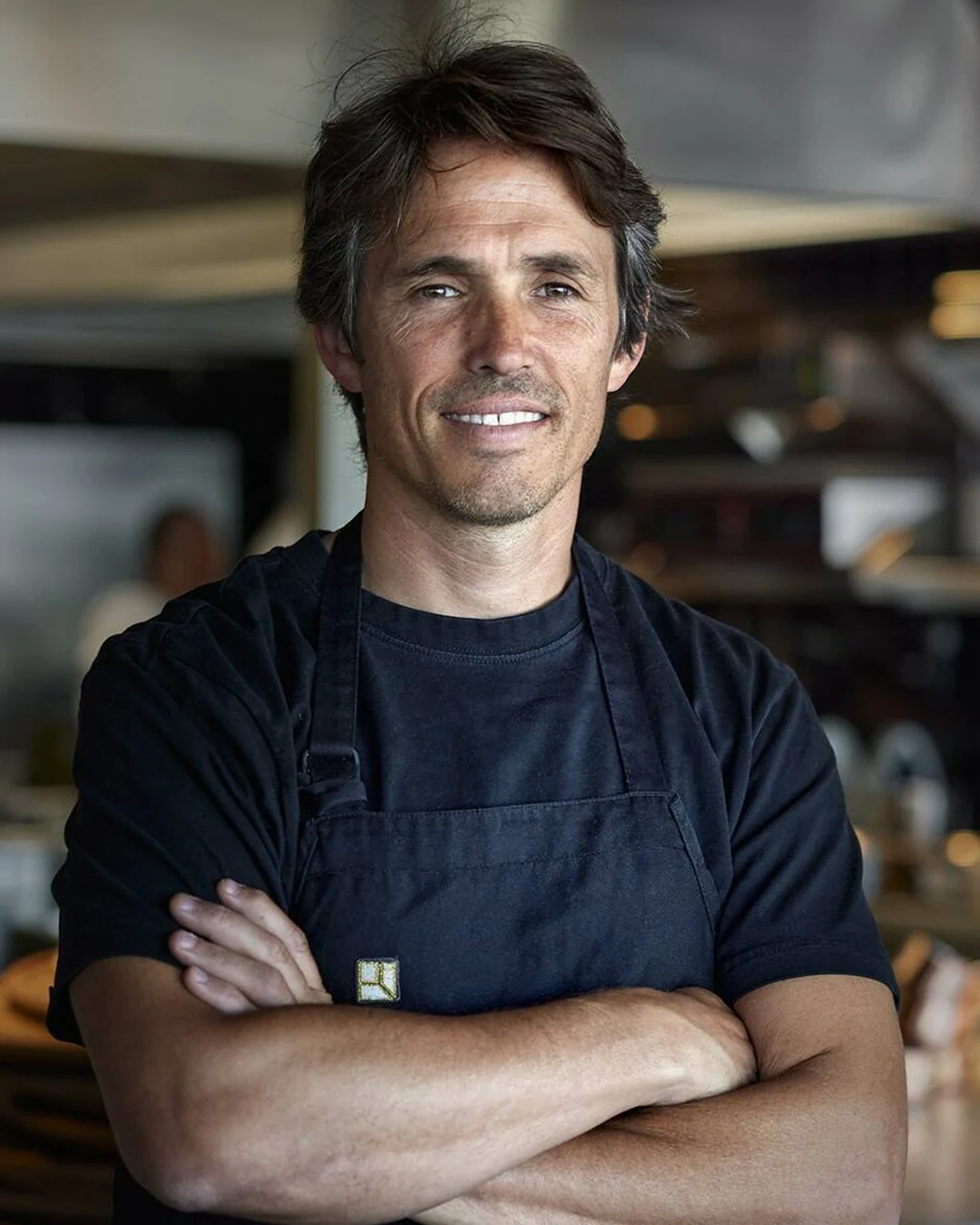
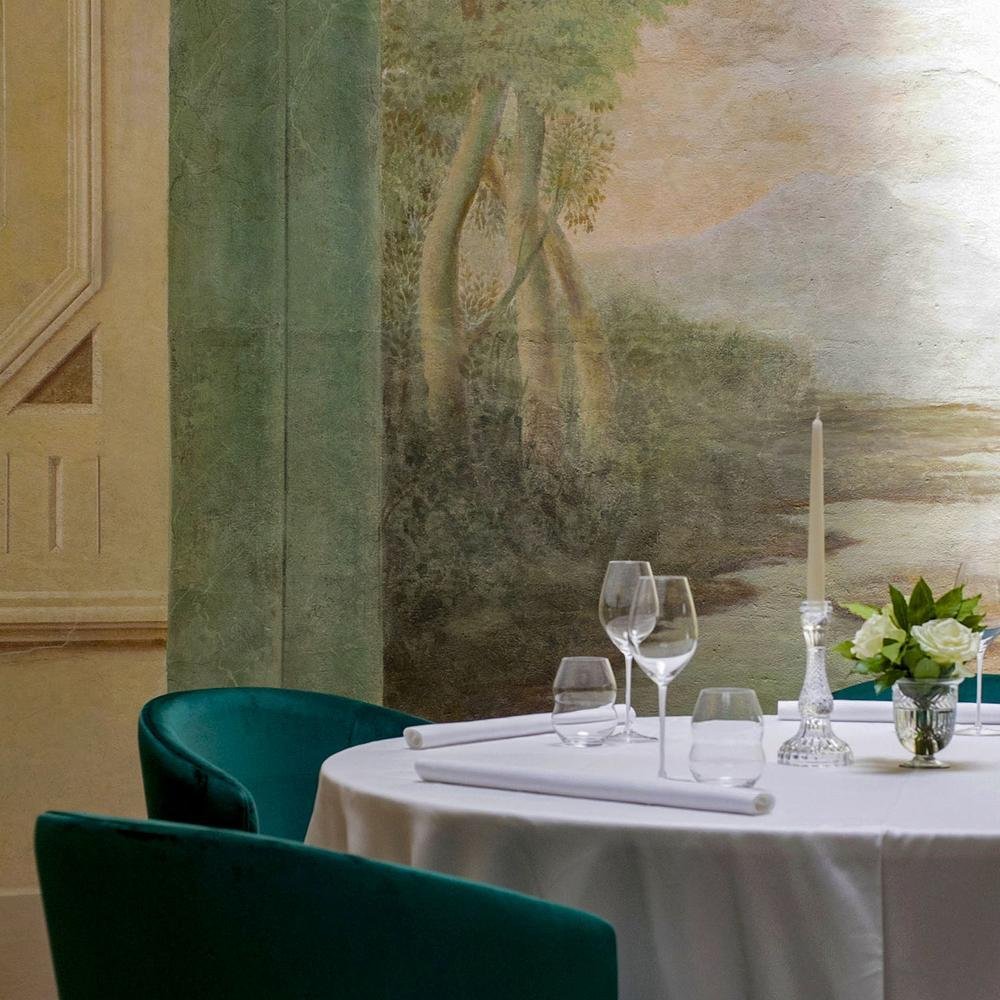
Las Musas occupies a former nightclub steps from the giant windmills of Campo de Criptana, the very ones that inspired Cervantes, and delivers La Mancha's most honest regional cooking at a mid-range price point. A 2024 Michelin Bib Gourmand and a Google score of 4.4 across more than 3,000 reviews confirm what the lunchtime queues already suggest: this is where the region's culinary identity gets its clearest expression.
- Michelin Bib Gourmand
At a glance
- Cuisine
- Modern Manchego
- Price
- $$
- Per person
- $36
- Hours
- Mon: 12 PM–12 AM; Tue: 12 PM–12 AM; Wed: 12 PM–12 AM; Thu: 12 PM–12 AM; Fri: 12 PM–2 AM; Sat: 12 PM–2 AM; Sun: 12 PM–12 AM
- Neighborhood
- Campo de Criptana
- Rating
- 4.4 (3,243)
<h2>Windmills, Manchego Country, and the Case for Regional Honesty</h2><p>The cerros of Campo de Criptana rise sharply above the Castilian plain, and the ten whitewashed windmills at their crest are among the most photographed landmarks in Spain. Most visitors photograph them, buy a postcard, and leave. The ones who stay for lunch tend to end up at Las Musas, a restaurant on Calle Barbero positioned close enough to the mills that the walk between the two takes less than five minutes. The physical contrast is part of the point: stone walls, low-lit interiors, and a rustic-contemporary finish that reads as deliberate rather than decorative. La Mancha is not a region that performs its identity; Las Musas is a restaurant that doesn't either.</p><h2>Where La Mancha Cooking Sits in the Spanish Dining Picture</h2><p>Spain's headline restaurant culture is concentrated on its coastlines and its northern cities. Operations like <a href="https://www.enprimeurclub.com/restaurants/arzak-san-sebastian-restaurant">Arzak in San Sebastián</a>, <a href="https://www.enprimeurclub.com/restaurants/el-celler-de-can-roca-girona-restaurant">El Celler de Can Roca in Girona</a>, and <a href="https://www.enprimeurclub.com/restaurants/diverxo-madrid-restaurant">DiverXO in Madrid</a> operate in a progressive, multi-course register priced at €€€€ and aimed at an international audience with significant destination intent. <a href="https://www.enprimeurclub.com/restaurants/aponiente-el-puerto-de-santa-maria-restaurant">Aponiente in El Puerto de Santa María</a>, <a href="https://www.enprimeurclub.com/restaurants/quique-dacosta-denia-restaurant">Quique Dacosta in Dénia</a>, and <a href="https://www.enprimeurclub.com/restaurants/disfrutar-barcelona-restaurant">Disfrutar in Barcelona</a> occupy the same tier. So do <a href="https://www.enprimeurclub.com/restaurants/mugaritz-errenteria-restaurant">Mugaritz in Errenteria</a>, <a href="https://www.enprimeurclub.com/restaurants/martin-berasategui-lasarte-oria-restaurant">Martin Berasategui in Lasarte-Oria</a>, and <a href="https://www.enprimeurclub.com/restaurants/azurmendi-larrabetzu-restaurant">Azurmendi in Larrabetzu</a>. Inland Castile operates in a different register entirely: slower-paced, rooted in shepherd and farming traditions, and priced for a local clientele that would find the northern avant-garde both alien and overpriced. Las Musas earns Michelin recognition by working squarely within that inland tradition rather than attempting to transcend it.</p><p>The comparison to progressive Spanish cooking is useful precisely because it clarifies the restaurant's approach. Chef Nino Redruello's kitchen does not chase technique for its own sake. The regional cooking of La Mancha, built on game, pulses, bread, sheep's milk, and cured pork, has its own internal logic, and the kitchen here operates within that logic with contemporary discipline rather than straying outside it. That restraint is an editorial choice, not a limitation. Comparable regional-honesty operations elsewhere in Europe, such as <a href="https://www.enprimeurclub.com/restaurants/fahr-kunten-sulz-restaurant">Fahr in Künten-Sulz</a> and <a href="https://www.enprimeurclub.com/restaurants/gannerhof-innervillgraten-restaurant">Gannerhof in Innervillgraten</a>, follow the same logic: cook from the landscape you actually live in, and cook it with precision.</p><h2>Nino Redruello and the Weight of a Family Name</h2><p>In the context of Spanish gastronomy, the Redruello name carries specific gravity. The family is associated with La Ancha, one of Madrid's most respected mid-century tabernas, and with a cooking philosophy built around product quality, classical Spanish preparation, and the kind of long-term consistency that earns generational loyalty rather than social media cycles. Nino Redruello brings that lineage into Campo de Criptana and applies it to Manchegan raw materials. The editorial angle here is not a personal story of discovery; it is the transfer of a culinary tradition from capital to province, from metropolitan taberna to rural region. What that transfer produces is a kitchen fluent in both registers: Madrid's taberna rigour and La Mancha's larder depth.</p><p>That dual fluency shows in the dishes the Michelin inspectors chose to highlight. The <em>migas</em>, breadcrumb fragments fried in fat with garlic and chorizo, one of the oldest dishes in the Castilian canon, appear as a reference point for the kitchen's relationship with the region's cooking. The <em>cocido</em> croquettes translate the slow-cooked chickpea stew of the Castilian interior into a fried form that has become almost a national idiom but requires genuine stock quality to work at this level. The crunchy biscuit topped with fried Valdivieso cheese points to the sheep's milk tradition that defines Manchegan dairy. None of these dishes are invented here; all of them are executed with the care that distinguishes a kitchen that understands its sources from one that merely references them. This is also the restaurant operating in the €€ price bracket, which means the ambition is absorbed into the product rather than expressed through ceremony.</p><h2>The Tourist Town Question</h2><p>Campo de Criptana receives a substantial volume of literary tourism, drawn by the Don Quijote association and the visual drama of the windmill ridge. The kitchen's strong emphasis on traditional La Mancha cooking is a direct response to that context. This is worth taking seriously as an observation rather than a criticism. Restaurants in high-visibility tourist locations face a structural choice: perform an accessible version of local culture for passing visitors, or cook with enough integrity to hold local patronage alongside the tourist trade. Las Musas' Google score of 4.4 across more than 3,100 reviews suggests the second approach is working. In a town where the default visitor experience is a windmill photograph and a souvenir purchase, that suggests a restaurant with broad appeal beyond passing visitors.</p><h2>Getting There and Planning Your Visit</h2><p>Campo de Criptana sits in the province of Ciudad Real, roughly 150 kilometres south-east of Madrid, in the heart of the La Mancha plain. The town is accessible by car from Madrid in under two hours via the A-4 motorway, with the final approach through flat vine country that makes the windmill ridge all the more dramatic when it appears. The restaurant address is C. Barbero, 3, 13610 Campo de Criptana. For those building a wider itinerary around the Castile-La Mancha region, <a href="https://www.enprimeurclub.com/restaurants/atrio-caceres-restaurant">Atrio in Cáceres</a> represents the regional ceiling for fine dining and sits roughly two and a half hours west. Closer to home, the town itself has a range of accommodation and bar options worth considering as part of a longer stay; see our full Campo de Criptana hotels guide, our full Campo de Criptana bars guide, and our full Campo de Criptana wineries guide for the surrounding context. For activities beyond the table, our full Campo de Criptana experiences guide maps the broader visit. The price range sits at €€, which for a Bib Gourmand holder in a provincial town means this is not a budget concession; it is the natural price point for cooking at this quality level in this geography. Booking ahead is advisable, particularly at weekends and during the summer tourist season.</p>
Know before you go
- Dress code
- smart_casual
- Reservations
- recommended
- Parking
- street
- Payment
- credit_card
- Outdoor seating
- Yes
Frequently asked
Is Las Musas okay with children?
The rustic-contemporary setting in a converted former nightclub is relaxed rather than formal, and the menu leans on recognisable Manchegan staples — migas, croquettes, fried cheese — that translate well across age groups. At €€ pricing, it sits comfortably in the family-friendly range. Campo de Criptana itself is a literary tourism town, so the restaurant is accustomed to mixed groups visiting the windmills.
What's the vibe at Las Musas?
The room occupies a former nightclub, and the Michelin inspectors flag a rustic-contemporary ambience as one of its defining qualities. Expect exposed textures and informal service rather than white-tablecloth ceremony. The location directly beside the windmills of Campo de Criptana adds a degree of spectacle that no interior design decision could replicate.
What distinctions does Las Musas have?
Las Musas has received recognition including: A safe bet in every sense thanks to the excellent cuisine on offer, enhanced by the impeccable rustic-contemporary ambience and a location right by the legendary giant windmills described in Don Quijote! The restaurant occupies a former nig….
What should I order at Las Musas?
The Michelin Bib Gourmand citation calls out three dishes specifically: the classic migas (fried breadcrumbs with chorizo and peppers, a La Mancha staple), cocido croquettes, and a crunchy biscuit topped with fried Valdivieso cheese. Chef Nino Redruello applies occasional contemporary touches to an otherwise tradition-led menu, so the standout plates skew regional rather than experimental.
How much does it cost to eat at Las Musas?
Pricing at Las Musas is listed as €€.
Where exactly is Las Musas?
Las Musas is located at C. Barbero, 3, 13610 Campo de Criptana, Ciudad Real, Spain, Campo de Criptana.
Address
C. Barbero, 3, 13610 Campo de Criptana, Ciudad Real, Spain
Campo de Criptana
How it compares
- Cuisine
- Modern Manchego
- Price
- $$
- Awards
- Michelin Bib Gourmand
- Notes
- Campo de Criptana
- Cuisine
- Traditional Spanish
- Price
- $$$
- Awards
- Michelin Plate
- Notes
- San Lorenzo de El Escorial
- Cuisine
- Traditional Spanish Market Cuisine
- Price
- $$$
- Awards
- Michelin Bib Gourmand
- Notes
- Ibiza
- Cuisine
- Modern Spanish Tapas
- Price
- $$
- Awards
- Michelin Bib Gourmand
- Notes
- Recoletos
- Cuisine
- Traditional Spanish Olive Oil Focused Fine Dining
- Price
- $$$
- Awards
- Michelin Bib Gourmand
- Notes
- Bailén
- Cuisine
- Modern Spanish Seafood Grill
- Price
- $$$
- Awards
- Michelin Plate
- Notes
- Ibiza
In residence
Similar places
Japanese-influenced Californian Kaiseki
Single Thread Farm
Healdsburg, United States
★★★ · 50 Best
French Seafood Fine Dining
Le Bernardin
New York City, United States
★★★ · 50 Best
Modern Korean Tasting Menu
Atomix
New York City, United States
★★ · 50 Best
French
Sézanne
Tokyo, Japan
★★★ · 50 Best
Modern Seafood Fine Dining
Providence
Los Angeles, United States
★★★ · 50 Best
Contemporary Plant-Based Fine Dining
Eleven Madison Park
New York City, United States
★★★ · 50 Best