Le 7ème Continent
In Residence
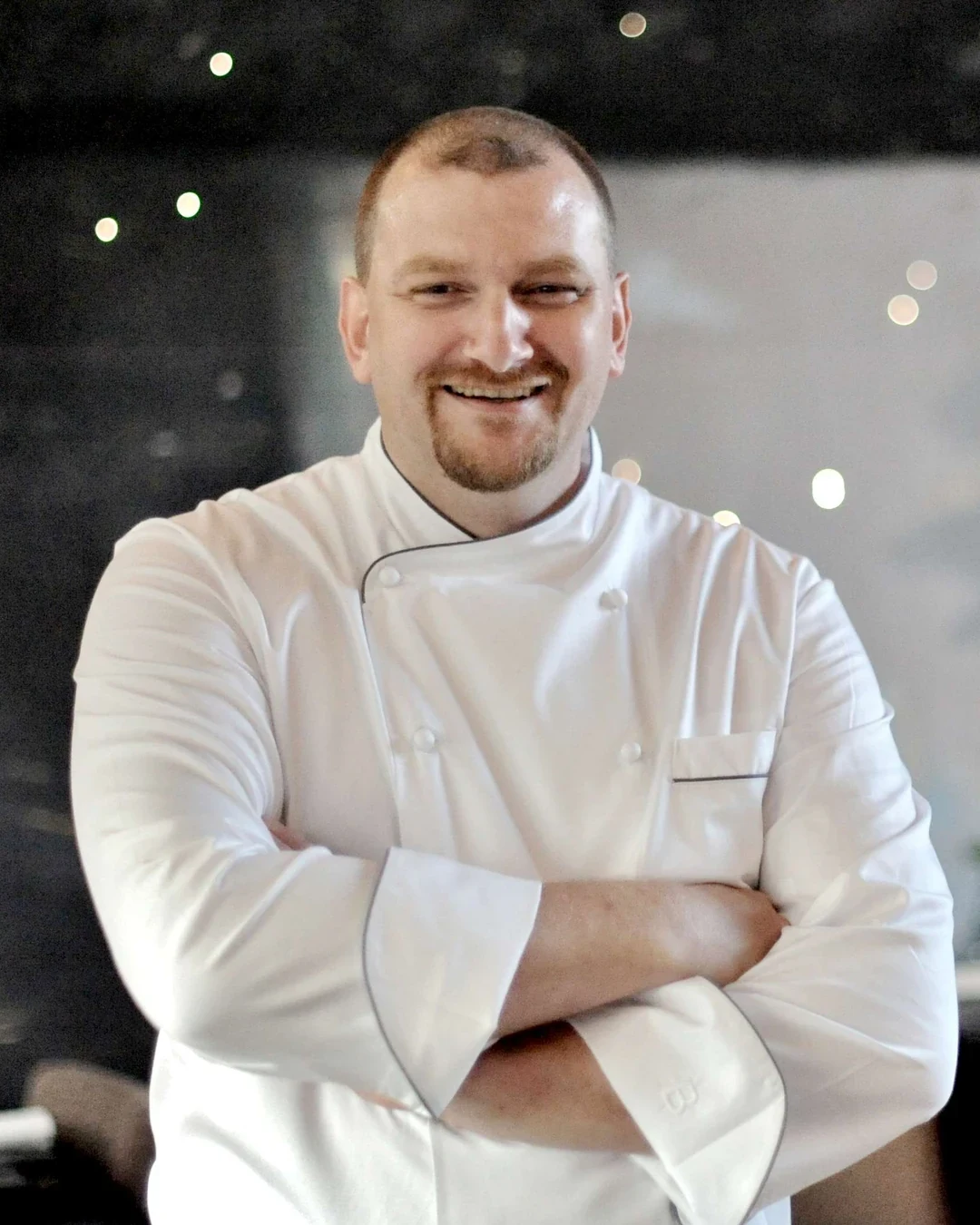
Laurent Haller
Chef
- 01CuisineMichelin-Starred French Fusion
- 02CityRixheim, France
- 03RecognitionOne Michelin Star
- 1 Michelin Star · Michelin Guide
- Michelin 1 Star · 2026
- Michelin 1 Star · 2025
- Gault & Millau Remarkable Restaurant: 15pts · 2025
- Michelin 1 Star · 2024
Where the Room Arrives Before the Food Does
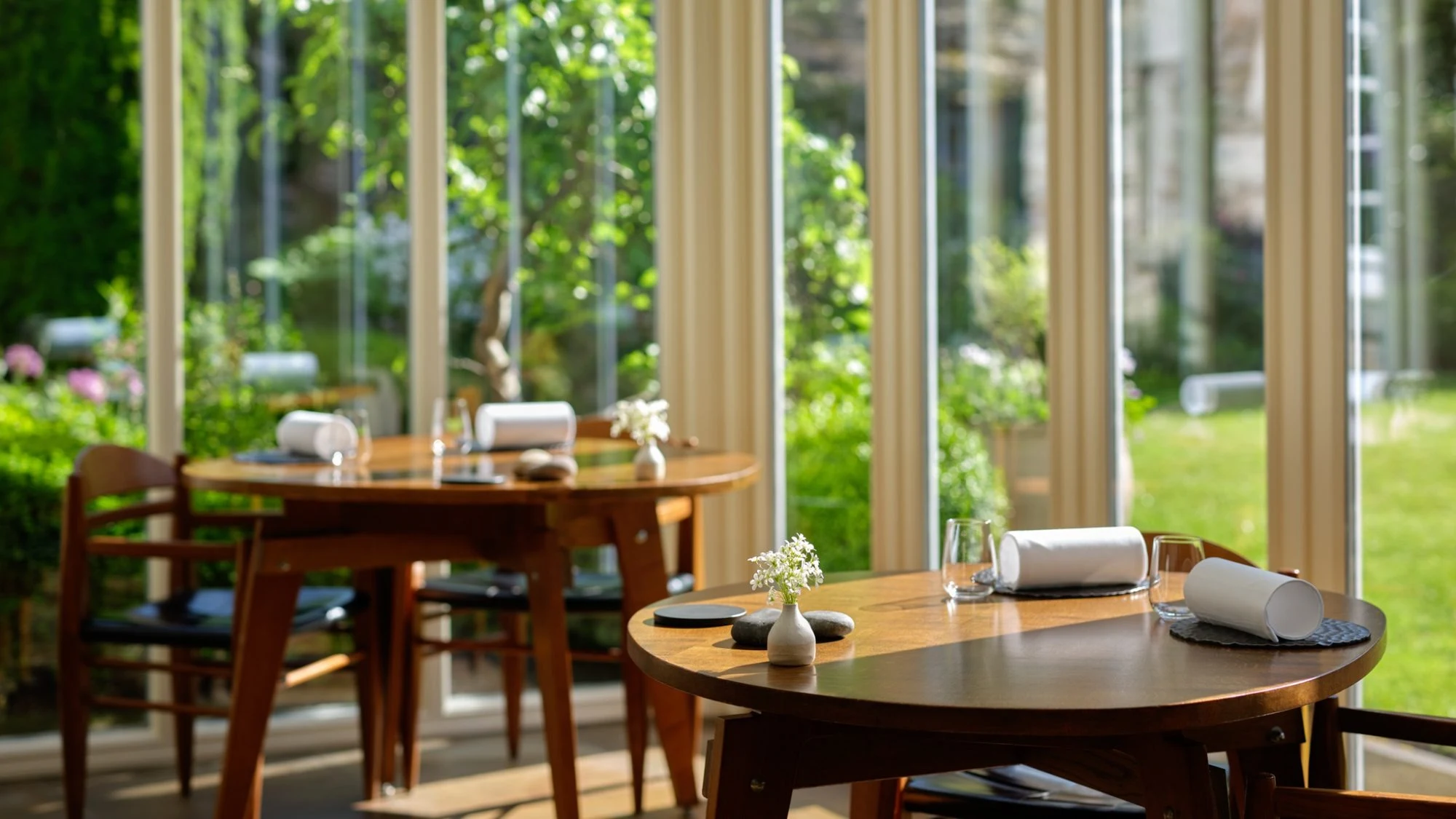
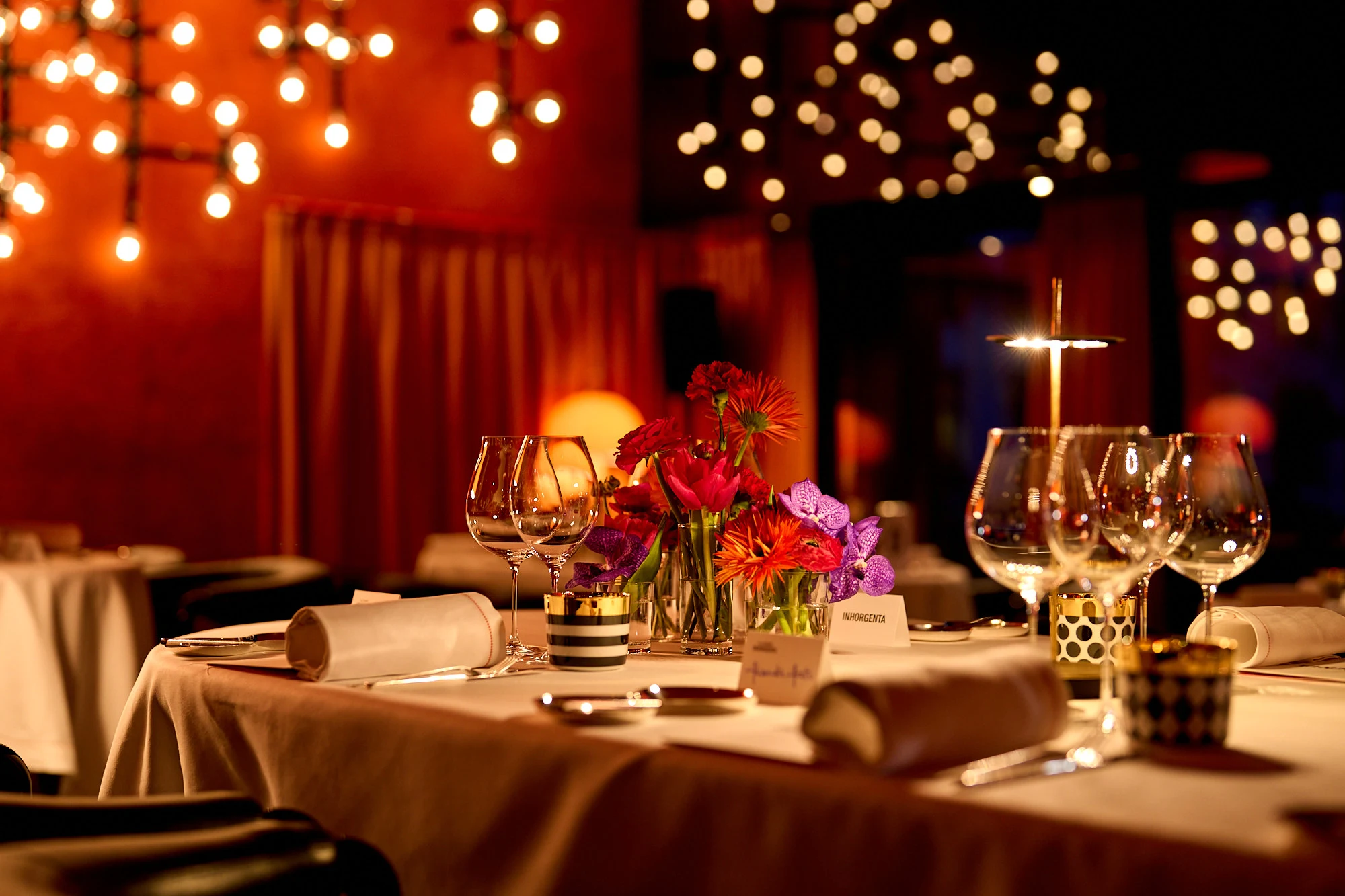
The building at 35 Avenue du Général de Gaulle in Rixheim announces itself before you reach the door. Decorative artist and painter François Zenner, an amateur naturalist whose passion for the plant world saturates every surface, created the visual environment inside and out. Botanical motifs, layered colour, and a sensibility that sits closer to a private collector’s house than a conventional restaurant room set the tone immediately. In the Alsace dining scene, which already runs deep on tradition and regional identity, Le 7ème Continent occupies an unusual position: a Michelin-starred address where the physical space carries as much editorial weight as the menu.
A Training Line That Runs Through Burgundy
To understand what arrives on the plate, it helps to understand where Laurent Haller learned to cook. His formative years came under Bernard Loiseau, whose kitchen in Saulieu was one of the defining addresses in late-twentieth-century French gastronomy and whose philosophy of extracting flavour without excess fat or masking sauces shaped a generation of chefs. That lineage is audible in Haller’s cooking: the classics are present, but they are interrogated rather than reproduced wholesale. Surf and turf combinations appear regularly on the menu, a format that requires precise calibration between protein weights and flavour registers, and one that distinguishes his approach from the straighter Alsatian traditionalism of peers like Auberge de l’Ill in Illhaeusern or Au Crocodile in Strasbourg, both of which operate within a more regionally defined frame.
The Loiseau tradition also instilled a particular relationship with produce sourcing. Haller’s menu changes every month, structured around market availability and often around hyper-local suppliers. Veal from Rixheim itself and split peas from Petit-Landau are noted as recurring reference points, a supply chain that reflects the kind of terroir-first thinking more commonly associated with prestige rural addresses than with modest-sized towns in the Haut-Rhin. For comparison, consider how a venue like Bras in Laguiole built its identity around a single regional landscape’s produce: Haller pursues a parallel logic in a less celebrated geography.
Modern French Cuisine at the Alsace Periphery
Rixheim sits a few kilometres south of Mulhouse, in the southern stretch of Alsace where the culinary identity blurs slightly against the Sundgau’s quieter agricultural character. The restaurant’s Michelin one-star recognition confirms its position in a tier where the expectation is consistent technique, ingredient quality, and a coherent identity across visits. That is a meaningful credential in a region that already holds several starred addresses, and it places Le 7ème Continent in conversation with the broader northeast France dining circuit rather than limiting it to local interest.
The monthly-changing menu format signals an ambition that goes beyond the seasonal adjustment most starred restaurants perform. Changing the entire frame every four weeks demands a kitchen that can execute new combinations reliably rather than relying on a core of rehearsed signatures. This operational choice is a statement about creative tempo, comparable in spirit to what French chefs like Alexandre Mazzia in Marseille have built around relentless menu renewal, though Haller works within a more classically anchored vocabulary than Mazzia’s more abstract register. At the other end of French dining ambition, addresses like Alléno Paris au Pavillon Ledoyen or Mirazur in Menton operate with larger brigades and longer tasting sequences; Le 7ème Continent belongs to the one-star bracket where the kitchen is leaner and the cooking closer to personal in scale.
The Decoration as Programme
It would be a mistake to treat the Zenner interior as backdrop. In most single-star French restaurants, the dining room serves a functional purpose: set the correct tone, minimise distraction, reinforce price-point legibility. Zenner’s intervention here works differently. The visual density of the space, with its botanical and naturalist references, creates a clear thematic through-line that connects Haller’s ingredient-driven monthly menus to a broader argument about the natural world. The effect is that the room functions as context rather than container, which is relatively rare at this level. The Michelin listing specifically marks the decoration as a distinguishing feature, noting it as part of what earns the Remarkable designation alongside the cooking itself. Google reviewers, averaging 4.7 from 1,246 ratings, reflect a consistency across both dimensions: this is not a venue where the food outstrips the room or vice versa.
Situating the Menu in the French Classical Tradition
Haller’s revisitation of French classics is worth reading carefully as a category. “Revisiting the classics” is a phrase that can mean anything from superficial plating updates to genuine structural reinterpretation. The Loiseau influence, combined with a surf and turf orientation, suggests the latter: classical French technique applied to unconventional protein pairings, with market produce determining the flavour logic each month. This positions him differently from chefs who apply modernist technique to classical forms, as seen in the progressive French cooking at addresses like Assiette Champenoise in Reims or Flocons de Sel in Megève, and also from the more monument-minded approach at Paul Bocuse’s Auberge du Pont de Collonges or Troisgros in Ouches, where the house canon is the point. At Le 7ème Continent, the canon is a starting point, not a destination.
Planning Your Visit
Le 7ème Continent operates a lunch and dinner service Tuesday through Saturday, with both services running from midday to 2 PM and from 7 PM to 10 PM. The restaurant is closed Sundays and Mondays. The price tier sits at the top of the local range, €€€€, which is consistent with its Michelin-starred positioning and the monthly menu format that demands fresh sourcing every cycle. Because the menu changes entirely each month, the visit experience shifts depending on when you come, which makes a return booking a different proposition than at addresses with stable signature menus. Booking in advance is sensible given the recognition level and the limited-service week structure.
Questions
Frequently asked
What recognition does Le 7ème Continent hold?
Le 7ème Continent holds 1 Michelin star.
Who works at Le 7ème Continent?
Made By profiles Laurent Haller (Chef) at Le 7ème Continent.
How expensive is Le 7ème Continent?
Le 7ème Continent is listed at a price level of $$$$.
Where is Le 7ème Continent and what does it serve?
Le 7ème Continent is in Rixheim, Rixheim, serving Michelin-Starred French Fusion.
The field
How it compares
| Place | Awards | Cuisine | Notes |
|---|---|---|---|
| Le 7ème Continent | Michelin 1 Star | Michelin-Starred French Fusion | Rixheim, $$$$ |
| Alchemist | Michelin 2 Stars, World's 50 Best | Avant-Garde Molecular Gastronomy with Social Commentary | Copenhagen |
| Arzak | Michelin 3 Stars, World's 50 Best | Contemporary Basque Fine Dining | San Sebastián |
| Atomix | Michelin 2 Stars, World's 50 Best | Modern Korean Tasting Menu | New York City |
| Daniel | Michelin 1 Star, World's 50 Best | Modern French Fine Dining | New York City |
| L'Enclume | Michelin 3 Stars | Modern British Farm-to-Table | Cartmel |
| Tantris | Michelin 2 Stars, World's 50 Best | Modern French Fine Dining | Munich |
In residence
Similar places
Avant-Garde Molecular Gastronomy with Social Commentary
Alchemist
Copenhagen, Denmark
★★ · 50 Best
Contemporary Basque Fine Dining
Arzak
San Sebastián, Spain
★★★ · 50 Best
Modern Korean Tasting Menu
Atomix
New York City, United States
★★ · 50 Best
Modern French Fine Dining
Daniel
New York City, United States
★ · 50 Best
Modern British Farm-to-Table
L'Enclume
Cartmel, United Kingdom
★★★
Modern French Fine Dining
Tantris
Munich, Germany
★★ · 50 Best