Made ByRestaurant
Le Cerf
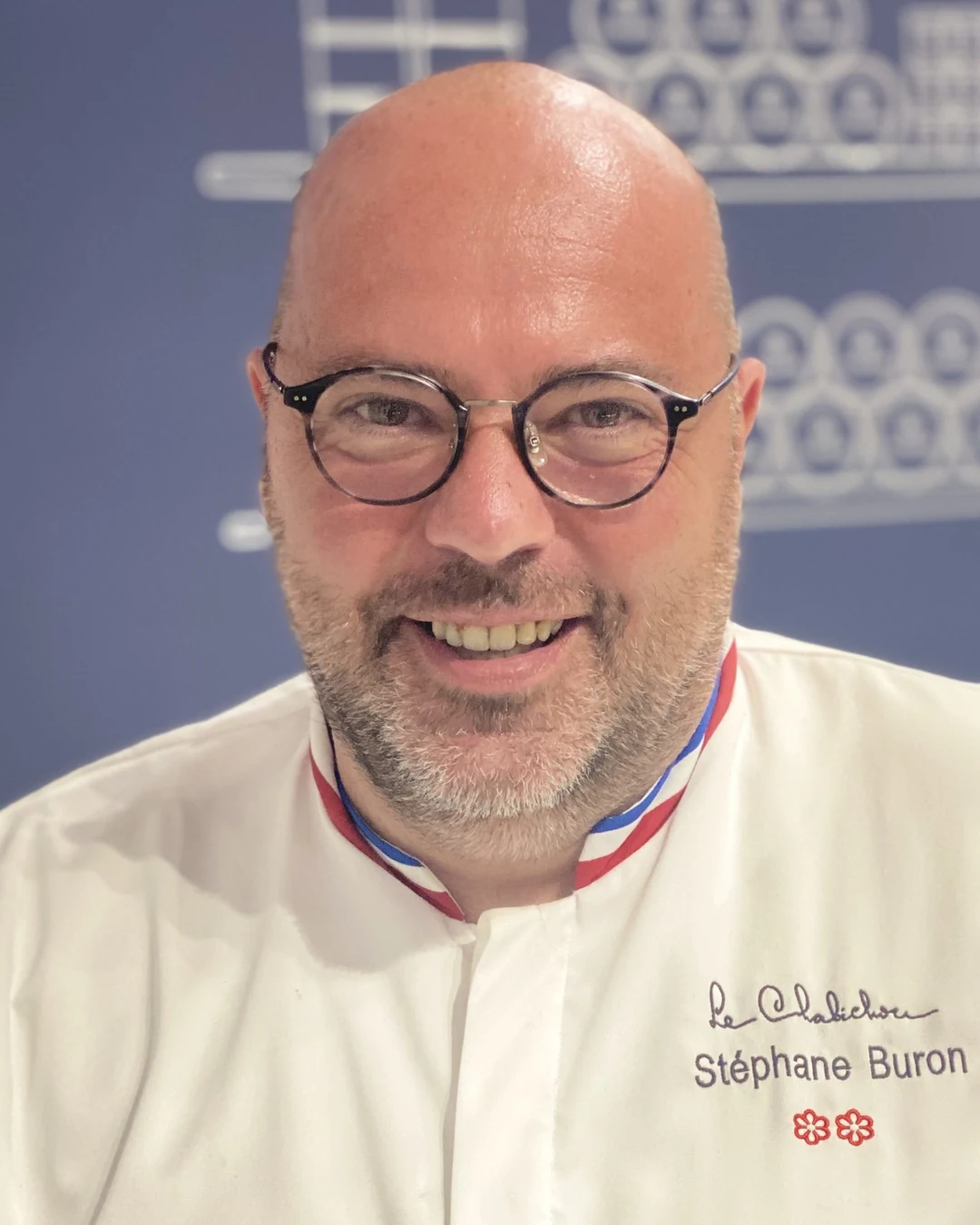
Chef in Residence
Stéphane Buron
Chef
- 01CuisineModern French Haute Cuisine
- 02CityZweiflingen, Germany
- 03RecognitionTwo Michelin Stars
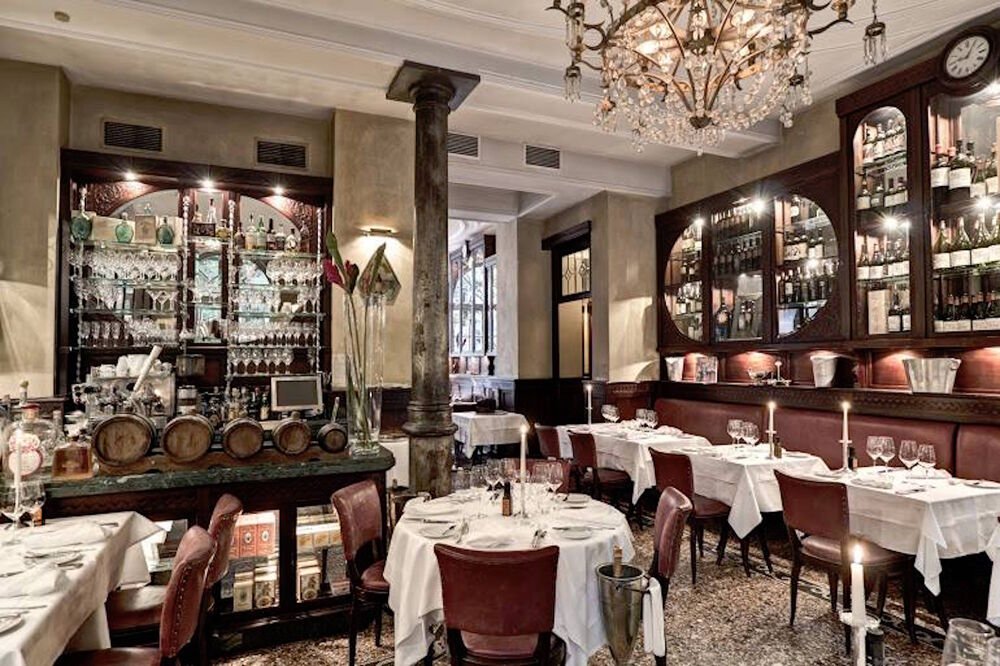
A two-Michelin-star address in the Hohenlohe countryside, Le Cerf brings classic French technique to rural Baden-Württemberg under chef Stéphane Buron. With consecutive La Liste scores of 86 and 86.5 points across 2025 and 2026, it holds a firm position among Germany's serious fine-dining destinations. The four-figure price tier and remote setting signal a deliberate destination-dining proposition.
- 2 Michelin Stars
At a glance
- Cuisine
- Modern French Haute Cuisine
- Price
- $$$$
- Per person
- $280
- Hours
- Mon: Closed; Tue: Closed; Wed: Closed; Thu: 6:30–8:30 PM; Fri: 6:30–8:30 PM; Sat: 6:30–8:30 PM; Sun: Closed
- Neighborhood
- Zweiflingen
- Rating
- 4.5 (32)
<h2>Where the Hohenlohe Plain Meets the French Kitchen</h2><p>The drive to Zweiflingen prepares you for something particular. Baden-Württemberg's Hohenlohe region rolls out in farmland and forest, the kind of countryside that makes urban fine dining feel like a different continent. Arriving at Kärcherstraße 12, the shift in register is immediate: the building sits quietly against a rural backdrop, and that quietness is the point. Two Michelin stars in a village of this scale represent a deliberate act of placement, not an accident of geography. Germany has a documented tradition of serious gastronomy at remove from its major cities, <a href="https://www.enprimeurclub.com/restaurants/waldhotel-sonnora-dreis-restaurant">Waldhotel Sonnora in Dreis</a> and <a href="https://www.enprimeurclub.com/restaurants/schwarzwaldstube-baiersbronn-restaurant">Schwarzwaldstube in Baiersbronn</a> both follow the same logic, and Le Cerf belongs squarely to that tradition.</p><h2>Classic French in a German Landscape</h2><p>The cuisine category at Le Cerf is stated without hedging: Modern French Haute Cuisine. That designation carries weight in 2025. Much of Germany's two-star tier has shifted toward modern European hybrids, creative tasting formats, or the kind of cuisine that resists easy labelling, see <a href="https://www.enprimeurclub.com/restaurants/vendome-bergisch-gladbach-restaurant">Vendôme in Bergisch Gladbach</a> or <a href="https://www.enprimeurclub.com/restaurants/aqua-wolfsburg-restaurant">Aqua in Wolfsburg</a> for contrast. Classic French is the narrower lane, and it demands a different kind of discipline: the cooking is evaluated against centuries of codified technique rather than the latitude of a personal creative vision. Chef Stéphane Buron operates in that lane deliberately.</p><p>Editorial angle that matters here is provenance and the relationship between a French kitchen grammar and the raw materials of Hohenlohe. The region is not incidental backdrop. Baden-Württemberg produces some of Germany's more interesting agricultural outputs: game from forested estates, river fish from the Kocher valley, root vegetables and herbs from well-managed smallholdings. Classic French technique applied to this specific larder creates something that neither a Paris restaurant nor a generic German kitchen would produce. The French brigade tradition of building stocks from bones, of reducing and emulsifying, of treating a piece of local fish or venison as a raw material to be transformed through structured process, that encounter between method and place is what makes the Hohenlohe setting meaningful rather than merely picturesque.</p><p>For a comparable pairing of French classical tradition with non-Parisian terroir, the reference points extend across borders: <a href="https://www.enprimeurclub.com/restaurants/waterside-inn-bray-restaurant">Waterside Inn in Bray</a> and <a href="https://www.enprimeurclub.com/restaurants/cheval-blanc-by-peter-knogl-basel-restaurant">Cheval Blanc by Peter Knogl in Basel</a> represent the same instinct operating in different geographies. Each shows that the French kitchen tradition translates with most interest when it confronts genuinely local ingredients rather than a globalised supply chain.</p><h2>The Award Record and What It Signals</h2><p>Le Cerf holds two Michelin stars in 2025, a consistency that matters more than a single-year result. A retained two-star position indicates a kitchen operating at sustained high level across inspections rather than peaking for a moment. The slight dip between years is within normal variance and does not indicate decline.</p><p>Within Germany's two-star group, Le Cerf occupies a position that its rural address might obscure. Compare it against the urban two-star set: <a href="https://www.enprimeurclub.com/restaurants/restaurant-haerlin-hamburg-restaurant">Restaurant Haerlin in Hamburg</a> or <a href="https://www.enprimeurclub.com/restaurants/jan-munich-restaurant">JAN in Munich</a> operate with city foot traffic and broader visibility. Le Cerf earns its rating without those structural advantages, which in Michelin's framework carries its own implicit statement about the consistency and seriousness of the kitchen. The Google score of 4.5 across 32 reviews is a limited sample but consistent with a restaurant that sees a committed, returning clientele rather than tourist volume.</p><p>For context on Germany's broader two-star and three-star tier, <a href="https://www.enprimeurclub.com/restaurants/victors-fine-dining-by-christian-bau-perl-restaurant">Victor's Fine Dining by Christian Bau in Perl</a> and <a href="https://www.enprimeurclub.com/restaurants/schanz-piesport-restaurant">Schanz in Piesport</a> both operate in similarly peripheral locations with equivalent or higher ratings, reinforcing that German Michelin geography does not privilege urban concentration.</p><h2>Provenance and the Hohenlohe Larder</h2><p>Hohenlohe sits at the intersection of three German states and carries a culinary identity shaped by that borderland position. The Frankish tradition of preserved meats and game cookery mingles with Swabian influences to the south, and the agricultural productivity of the plain supplies produce that rarely leaves the region in volume. For a kitchen committed to classic French, this is not a limiting condition. The French tradition has always absorbed regional raw materials into its framework, the distinction between what grows in Périgord versus Burgundy versus Alsace produces meaningfully different classical cooking despite shared technique. The Hohenlohe version follows the same logic: the framework is French, the ingredients are local, and the result is specific to place.</p><p>This specificity is what separates destination dining in rural Germany from a mere technical exercise. <a href="https://www.enprimeurclub.com/restaurants/essenz-grassau-restaurant">ES:SENZ in Grassau</a> and <a href="https://www.enprimeurclub.com/restaurants/bagatelle-trier-restaurant">Bagatelle in Trier</a> represent other corners of that same geographic argument, serious kitchens drawing from landscapes that reward attention. The reader who travels to Zweiflingen for Le Cerf should arrive with curiosity about what the region's seasons produce, not merely with an appetite for French classical performance in the abstract.</p><h2>Planning a Visit</h2><p>Zweiflingen is not a destination you pass through. The nearest city of scale is Heilbronn, roughly 45 kilometres to the southwest, and Stuttgart is accessible within an hour by road. This is, in practical terms, a stay-over proposition. For accommodation options in the area, our full Zweiflingen hotels guide covers the available range. Given the price tier, four figures on the EP Club scale, and the level of cooking, visitors typically build a night or two around the meal rather than treating it as a day trip from the city.</p><p> The Baden-Württemberg wine country is within reach, and pairing a Le Cerf dinner with a Hohenlohe winery visit the following morning makes geographic and gastronomic sense.</p>
Know before you go
- Dress code
- formal
- Reservations
- essential
- Parking
- on_site_lot
- Payment
- credit_card, debit_card
- Accessibility
- accessible_restroom
- Groups
- Welcomed
Frequently asked
Is Le Cerf a family-friendly restaurant?
Le Cerf operates at the two-Michelin-star level with a classic French format, which sets a particular pace and formality at the table. The €€€€ price range and the extended service rhythm of a multi-course French meal are practical factors to weigh before bringing young children. The restaurant does not publish specific family policy, so it is worth contacting the venue directly via the Zweiflingen address before booking.
What's the vibe at Le Cerf?
The setting is rural Baden-Württemberg — Zweiflingen is deep Hohenlohe countryside, not an urban dining district — which gives Le Cerf a remove that concentrates attention on the meal itself. The two-Michelin-star designation and classic French positioning suggest a composed, technique-focused room rather than a casual neighbourhood atmosphere. Expect a deliberate pace and a formal register consistent with Chef Stéphane Buron's two-star standing across both 2024 and 2025.
What awards or recognition does Le Cerf have?
Le Cerf has received recognition including: La Liste Top Restaurants (2026): 86pts; La Liste Top Restaurants (2025): 86.5pts; Michelin 2 Stars (2025); Michelin 2 Stars (2024).
What's the best thing to order at Le Cerf?
Le Cerf's menu specifics are not published in available booking channels, but the cuisine type is stated as Classic French — a category defined by technical discipline across the full sequence of courses rather than a single standout dish. At two-Michelin-star level, the chef's menu or tasting format is typically where the kitchen's full range shows. Contacting the restaurant ahead of the visit is the most reliable way to confirm current menu structure and any seasonal focus.
Address
Kärcherstraße 12, 74639 Zweiflingen, Germany
Zweiflingen
How it compares
- Cuisine
- Modern French Haute Cuisine
- Price
- $$$$
- Awards
- Michelin 2 Star
- Notes
- Zweiflingen
- Cuisine
- Creative French Fine Dining
- Price
- $$$$
- Awards
- Michelin 2 Star
- Notes
- Konstanz
- Cuisine
- Modern French with Japanese Influences
- Price
- $$$$
- Awards
- Michelin 2 Star
- Notes
- Saarlouis
- Cuisine
- Modern French-German Fine Dining
- Price
- $$$$
- Awards
- Michelin 2 Star
- Notes
- Mosel Riverside
- Cuisine
- Modern Bavarian Fine Dining
- Price
- $$$$
- Awards
- Michelin 2 Star
- Notes
- Mitte
- Cuisine
- Modern Creative Fine Dining
- Price
- $$$$
- Awards
- Michelin 2 Star
- Notes
- Asemwald
In residence
Similar places
Japanese-influenced Californian Kaiseki
Single Thread Farm
Healdsburg, United States
★★★ · 50 Best
French Seafood Fine Dining
Le Bernardin
New York City, United States
★★★ · 50 Best
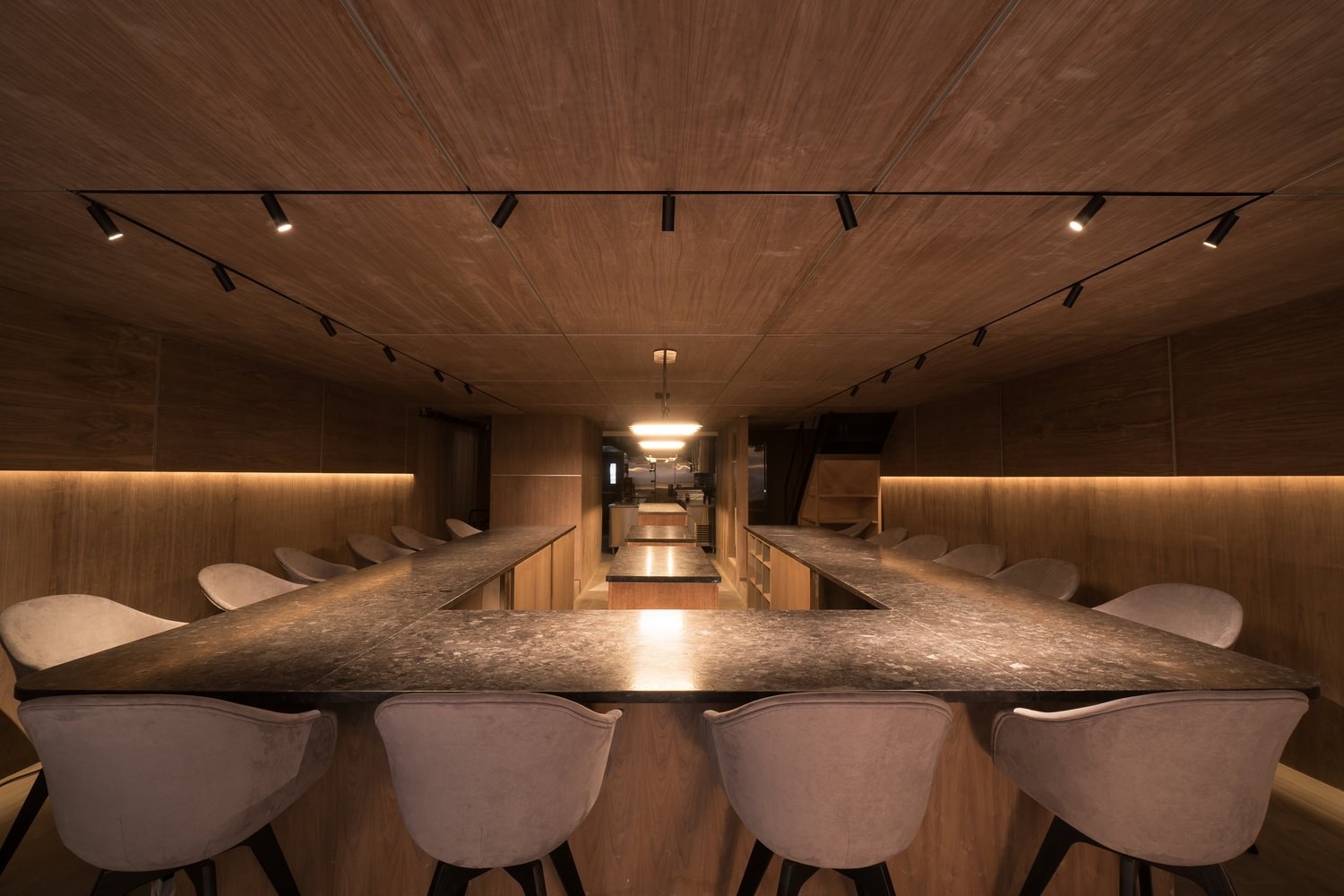
Modern Korean Tasting Menu
Atomix
New York City, United States
★★ · 50 Best
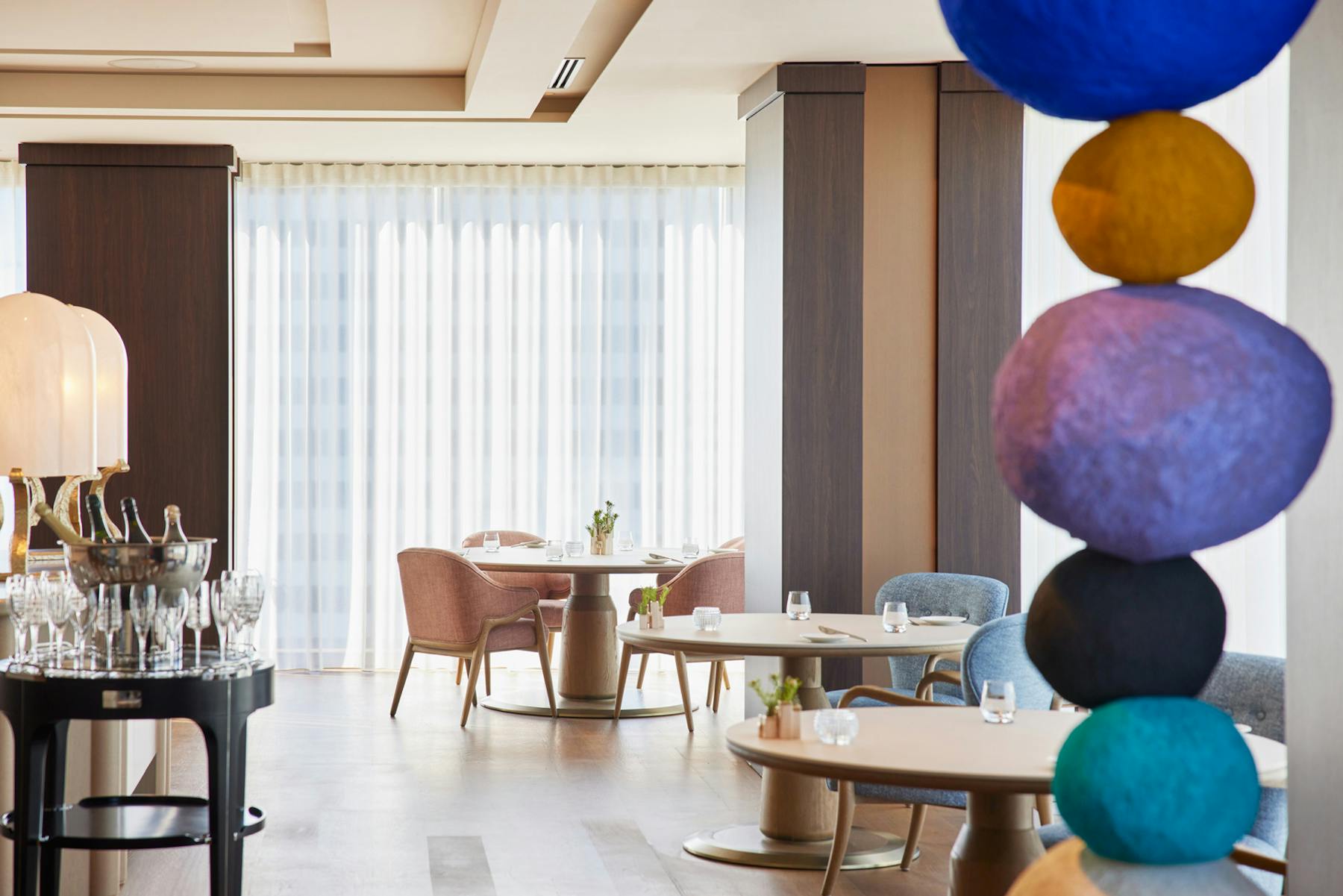
French
Sézanne
Tokyo, Japan
★★★ · 50 Best
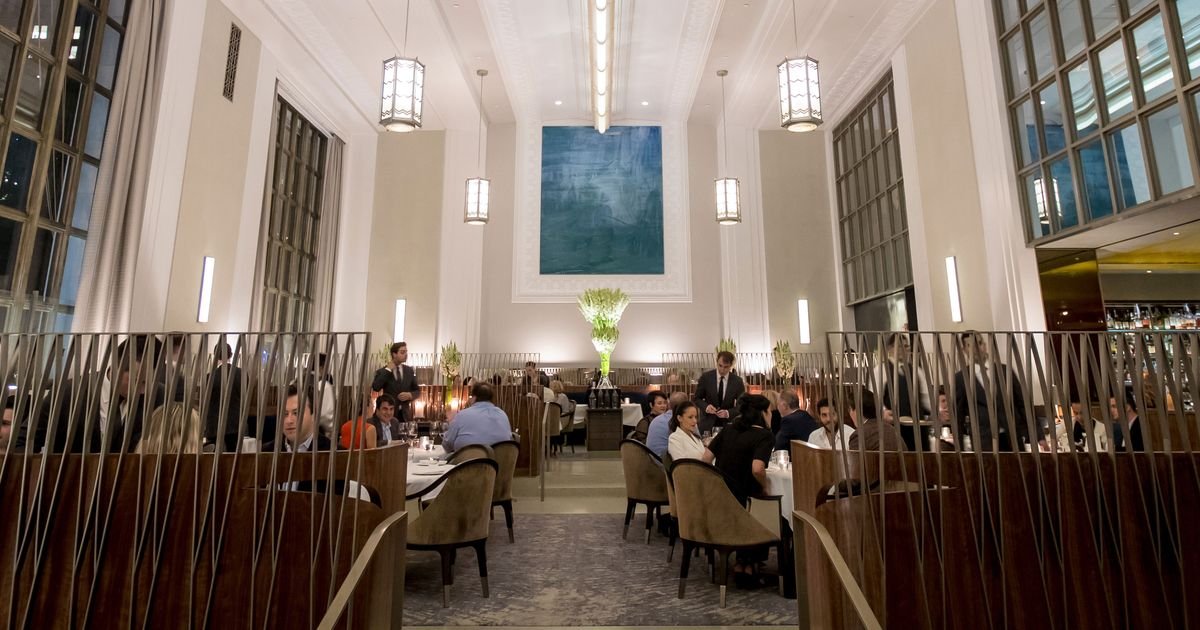
Contemporary Plant-Based Fine Dining
Eleven Madison Park
New York City, United States
★★★ · 50 Best
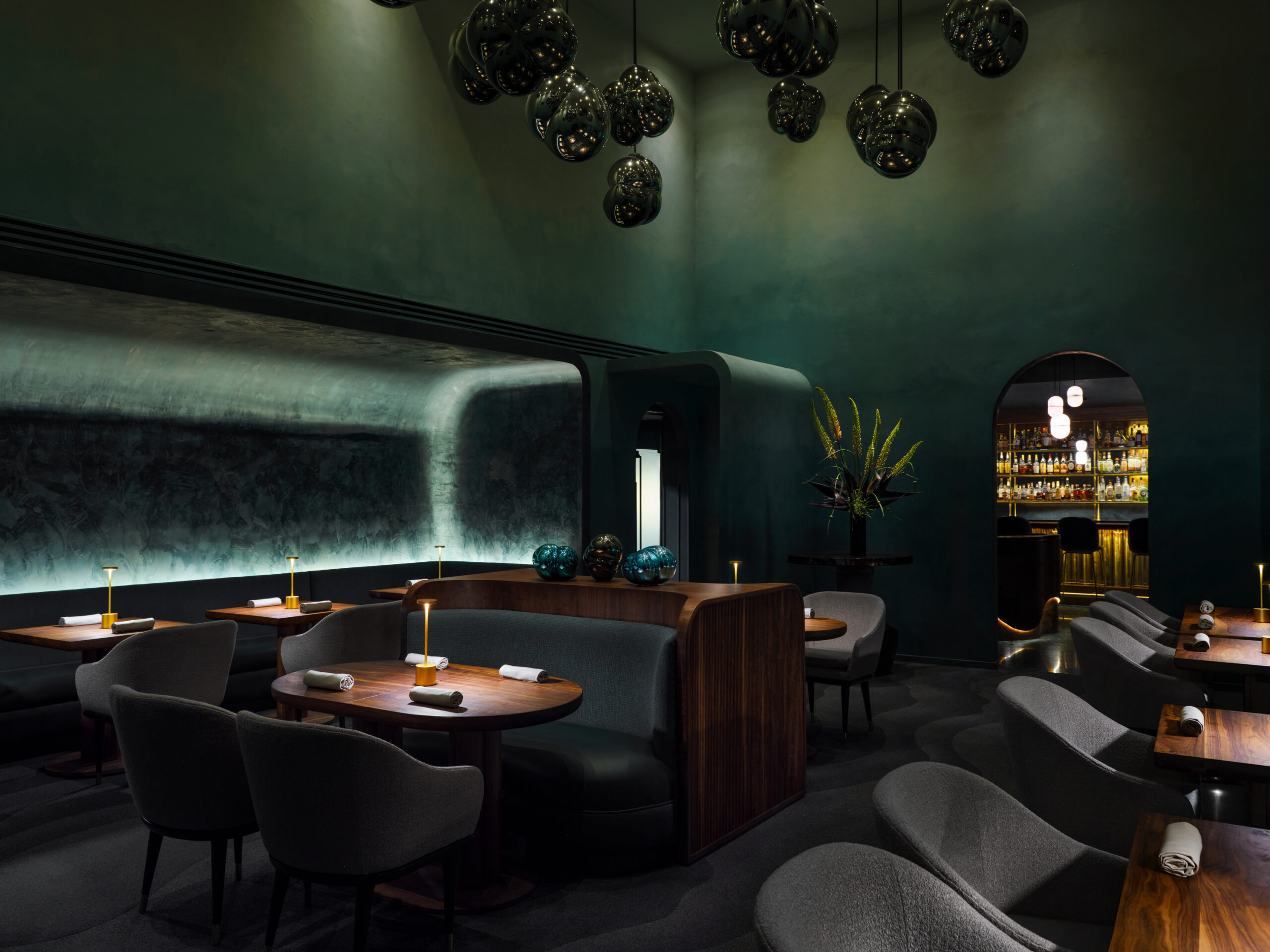
Modern Seafood Fine Dining
Providence
Los Angeles, United States
★★★ · 50 Best