Le Deck
In Residence
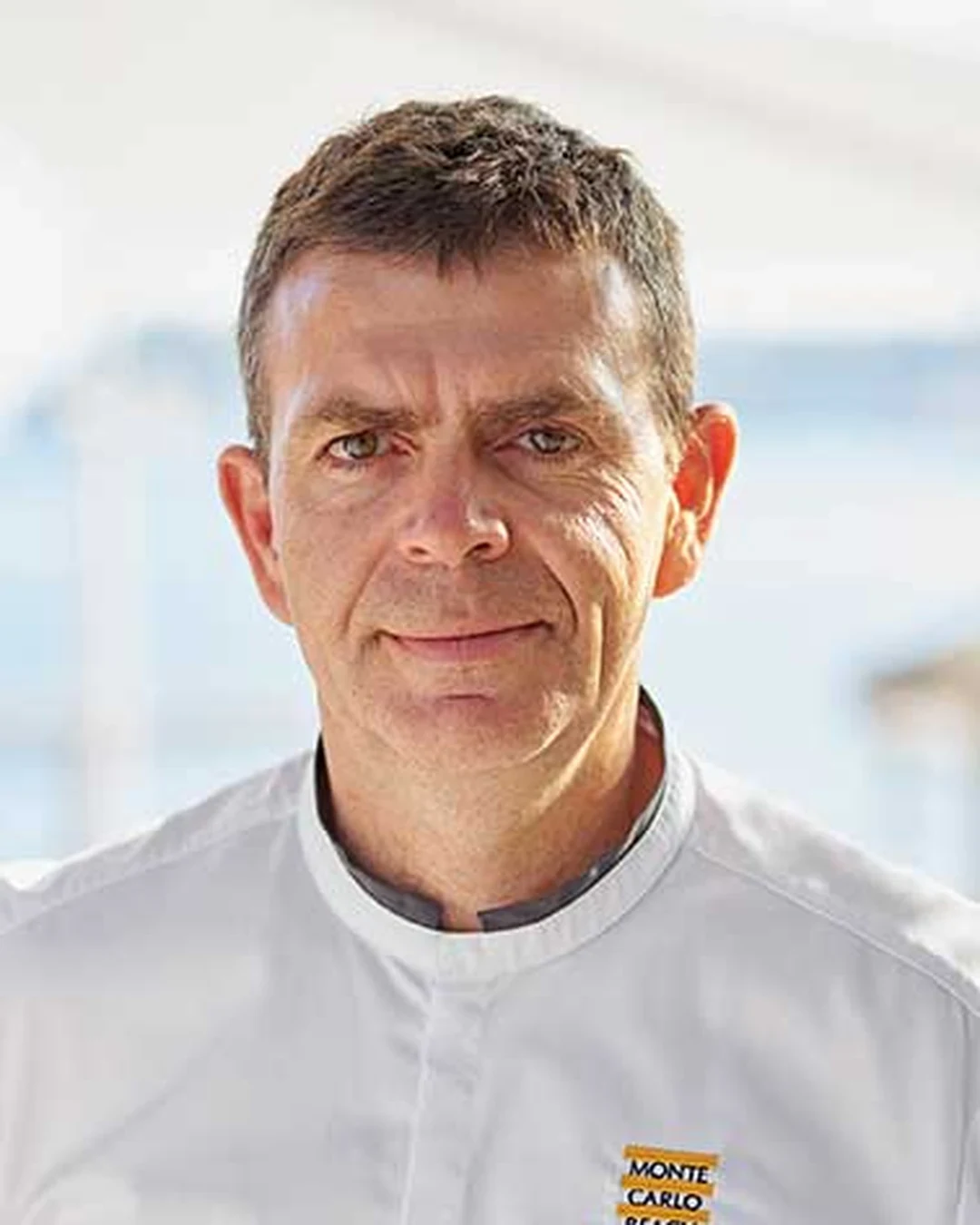
Pascal Garrigues
Chef
- 01CuisineSeasonal Mediterranean & Italian seaside brasserie with a seafood focus
- 02CityRoquebrune-Cap-Martin, France
- Relais Chateaux Award · 2026
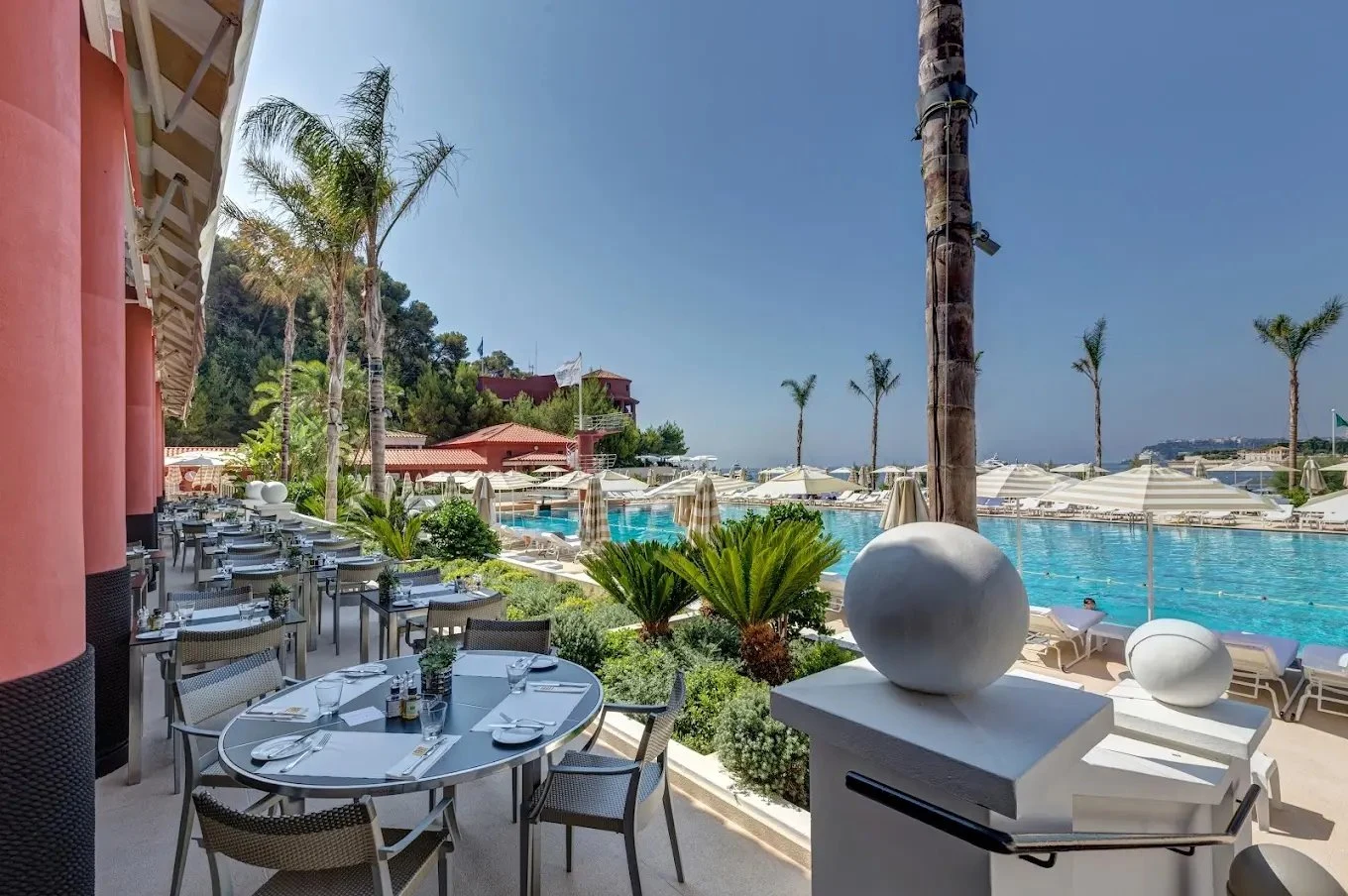
Approach the terrace and the first cue is not the plate but the water: a reflective pool setting that turns lunch into a study in Riviera light, shade, and measured leisure. In Roquebrune-Cap-Martin, where hotel dining often has to answer to sea views, borderland glamour, and the pull of nearby Monaco, the stronger kitchens avoid theatrical complication. Le Deck works in that register: contemporary brasserie cooking, tied to terroir, placed in a terrace room where the setting is part of the format rather than decoration.
The useful way to read this address is through the Côte d’Azur’s split personality. One side pushes tasting-menu precision and destination cooking; the other keeps faith with polished brasserie service, produce-led plates, and the social rhythm of a long meal outdoors. Nearby, Ceto (French Mediterranean) represents the more gastronomic Mediterranean conversation, while Elsa Marcel Ravin, La Vigie Monte-Carlo, Maona Monte-Carlo, and Monte-Carlo Beach (French Riviera) show how tightly the area’s dining identity is linked to terraces, sea air, and hotel-backed hospitality. Le Deck sits on the brasserie side of that divide, which matters for expectations: the experience is less about culinary suspense and more about pace, setting, and the confidence of a kitchen that can make familiarity feel current.
Riviera brasserie cooking, read through terroir rather than spectacle
“Expression of the terroir” is a broad phrase, but on this stretch of coast it has a practical meaning. Mediterranean hotel restaurants are judged on how they handle freshness, restraint, and seasonality without turning every meal into a formal performance. The public recognition attached to Le Deck describes contemporary and inventive brasserie-style cuisine, which is the relevant trust signal here: not a claim of haute cuisine hierarchy, but a clear indication of category and intent.
Chef Pascal Garrigues gives the kitchen its named authorship, though the more interesting point is structural. Riviera brasserie cooking has evolved from predictable luxury-hotel comfort into a sharper middle tier, where produce, terrace dining, and lighter technique have to carry the meal. The chef’s role is not to overwhelm the setting with personality; it is to give the brasserie format enough precision to justify its place among more ambitious neighbours. That is where the terroir language becomes useful. It frames the menu around region and season rather than international hotel sameness.
This is also where comparison clarifies the proposition. Out-of-metro restaurants such as La Langouste sur le Toit, JOIA Restaurant, Cortil, Marcelle Restaurant, and Restaurant Bühlberg share the same broad “expression of the terroir” category, but the Riviera version is shaped by a different social setting: terrace meals, coastal produce traditions, and a clientele moving between France and Monaco. Le Deck’s distinction is not a rarefied tasting format. It is the way the brasserie model is adapted to a Riviera address where the room, the pool, and the tempo of service form part of the value.
The terrace is the main grammar of the meal
On the Côte d’Azur, terraces are not incidental. They change how people order, how long they stay, and how formal the meal feels. A reflective pool setting encourages a slower register than an urban brasserie room; the food has to be vivid enough to hold attention without fighting the view. That dynamic explains why contemporary brasserie cooking works particularly well here. It can move between comfort and polish, lunch and dinner, hotel guests and destination diners, without the rigidity of a tasting-menu-only restaurant.
The area’s stronger hospitality addresses also benefit from geography. Roquebrune-Cap-Martin sits at a hinge point between Menton’s Italianate influence, Monaco’s high-spend dining culture, and the French Riviera’s older resort traditions. That location creates a dining audience with conflicting expectations: some want ease, some want ceremony, some want proof that the kitchen is connected to place. Le Deck’s poolside format answers the first two, while its terroir language answers the third. The result is better understood as a composed Riviera brasserie than as a chef’s table or a destination temple.
For broader planning around the area, the useful reading is comparative rather than isolated. The full Roquebrune-Cap-Martin restaurants guide maps the dining field; the Roquebrune-Cap-Martin hotels guide explains the hotel context that shapes many of these kitchens; the Roquebrune-Cap-Martin bars guide, wineries guide, and experiences guide round out the coastal itinerary. Travellers comparing French terroir-led dining beyond the Riviera can also look at ....Et la Fourmi in Nantes, [S] Corner in Courchevel, 114, Faubourg in Paris, 1217 in Bagnols, 1387 in Strasbourg, 14 Avenue in La Baule, 4 Sajons, Expression of the terroir in Ortisei Val Gardena, and ALMA Restaurant, Expression of the terroir in Tr Na.
How to place it in a Roquebrune-Cap-Martin itinerary
Le Deck is strongest when treated as a Riviera brasserie with a sense of occasion, not as a formal culinary summit. The terrace setting makes it particularly suited to diners who value atmosphere, a contemporary kitchen, and a meal that can stretch without demanding ceremonial attention. That does not make it casual in the ordinary sense; it belongs to the polished hotel-restaurant tradition of the coast, where service, surroundings, and kitchen discipline are expected to align.
The editorial call is clear: choose it when the setting matters as much as the cooking style, and when brasserie fluency is preferable to a longer gastronomic format. In a region crowded with sea-facing dining rooms, the sharper distinction is not view versus no view, but whether the kitchen has enough identity to avoid becoming scenery with plates. Le Deck has a defined lane: contemporary brasserie cooking under Pascal Garrigues, a terroir frame, and a poolside terrace that makes sense of the Riviera’s slower dining rhythm.
Questions
Frequently asked
Who works at Le Deck?
Made By profiles Pascal Garrigues (Chef) at Le Deck.
How expensive is Le Deck?
Le Deck is listed at a price level of $$$.
Where is Le Deck and what does it serve?
Le Deck is in Monte-Carlo Beach, Roquebrune-Cap-Martin, serving Seasonal Mediterranean & Italian seaside brasserie with a seafood focus.
The field
How it compares
| Place | Cuisine | Notes | Awards |
|---|---|---|---|
| Le Deck | Seasonal Mediterranean & Italian seaside brasserie with a seafood focus | Monte-Carlo Beach, $$$ | · |
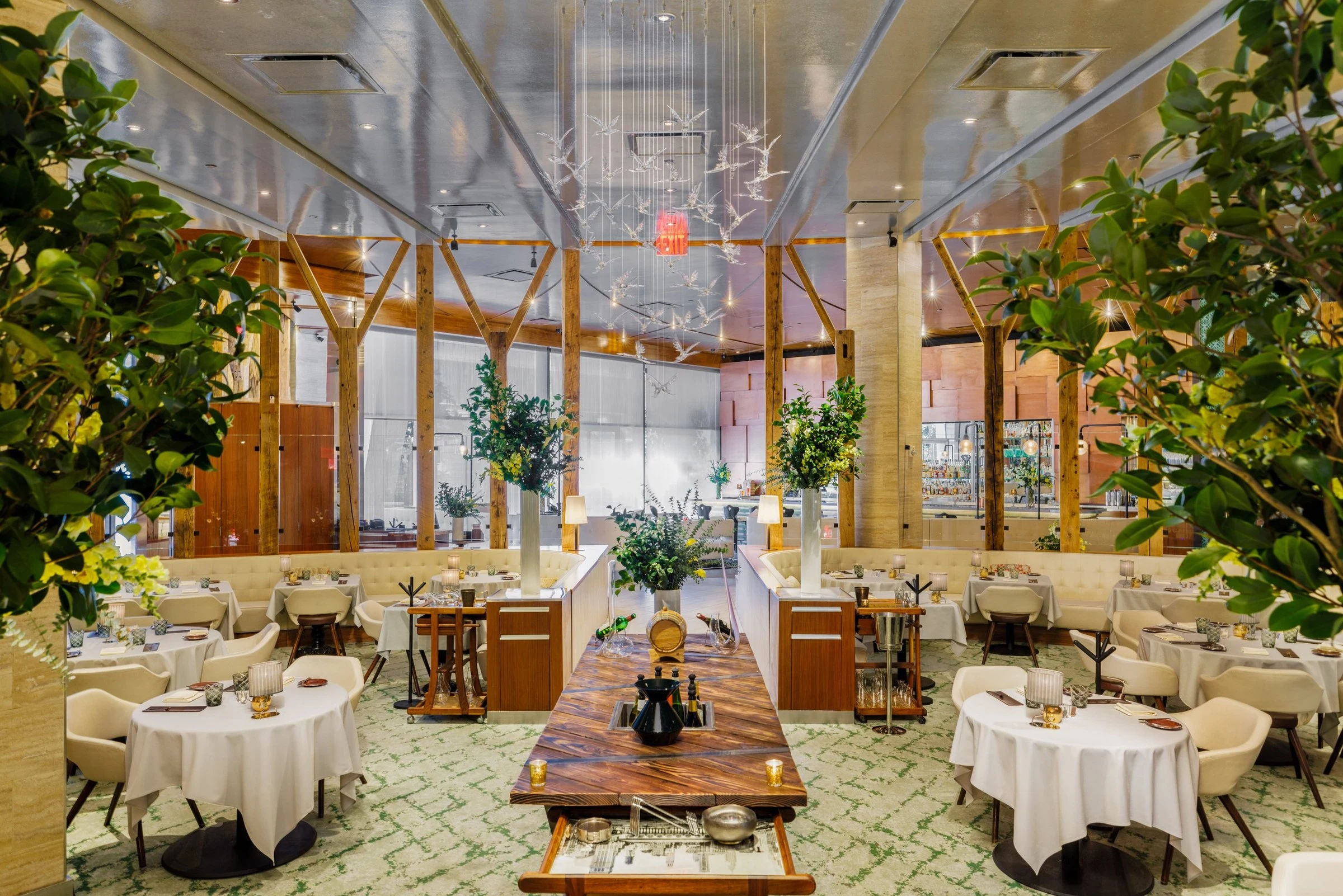
| Gabriel Kreuther | Modern Alsatian-French Fine Dining | New York City | Michelin 2 Stars |
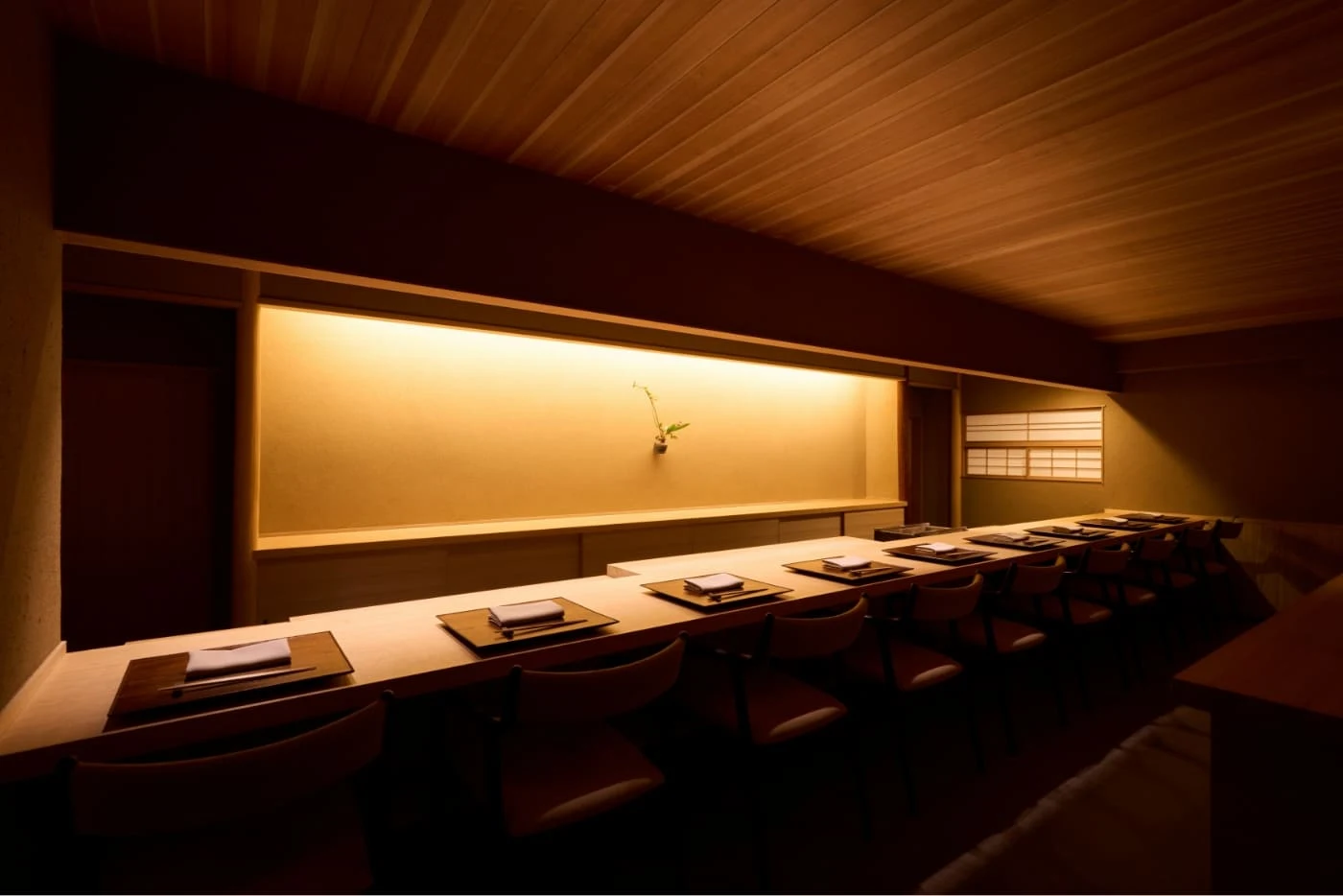
| Myojaku | Modern Minimalist Kaiseki | Tokyo | Michelin 3 Stars, World's 50 Best |
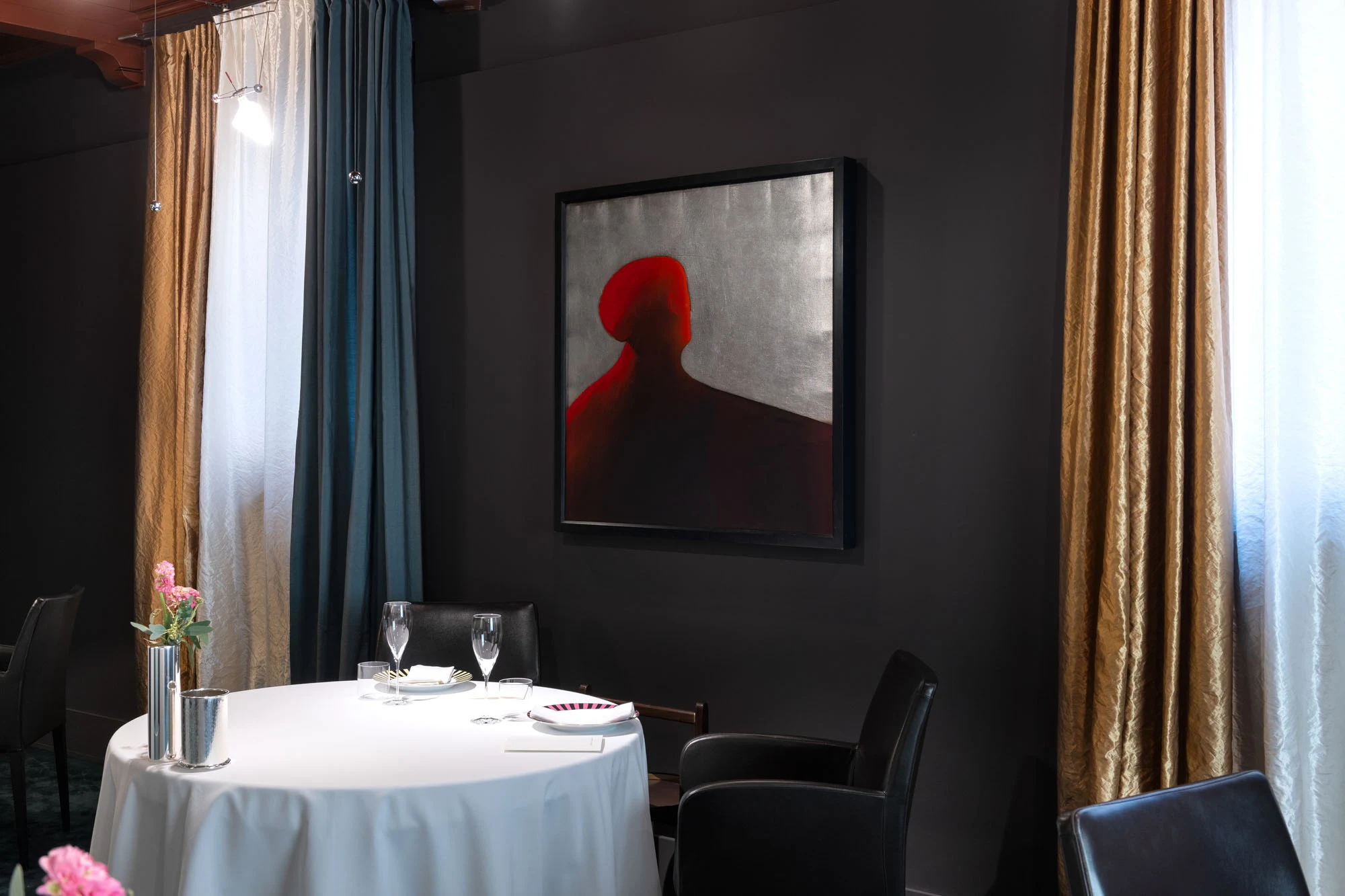
| Osteria Francescana | Avant-Garde Italian Contemporary | Modena | Michelin 3 Stars, World's 50 Best |
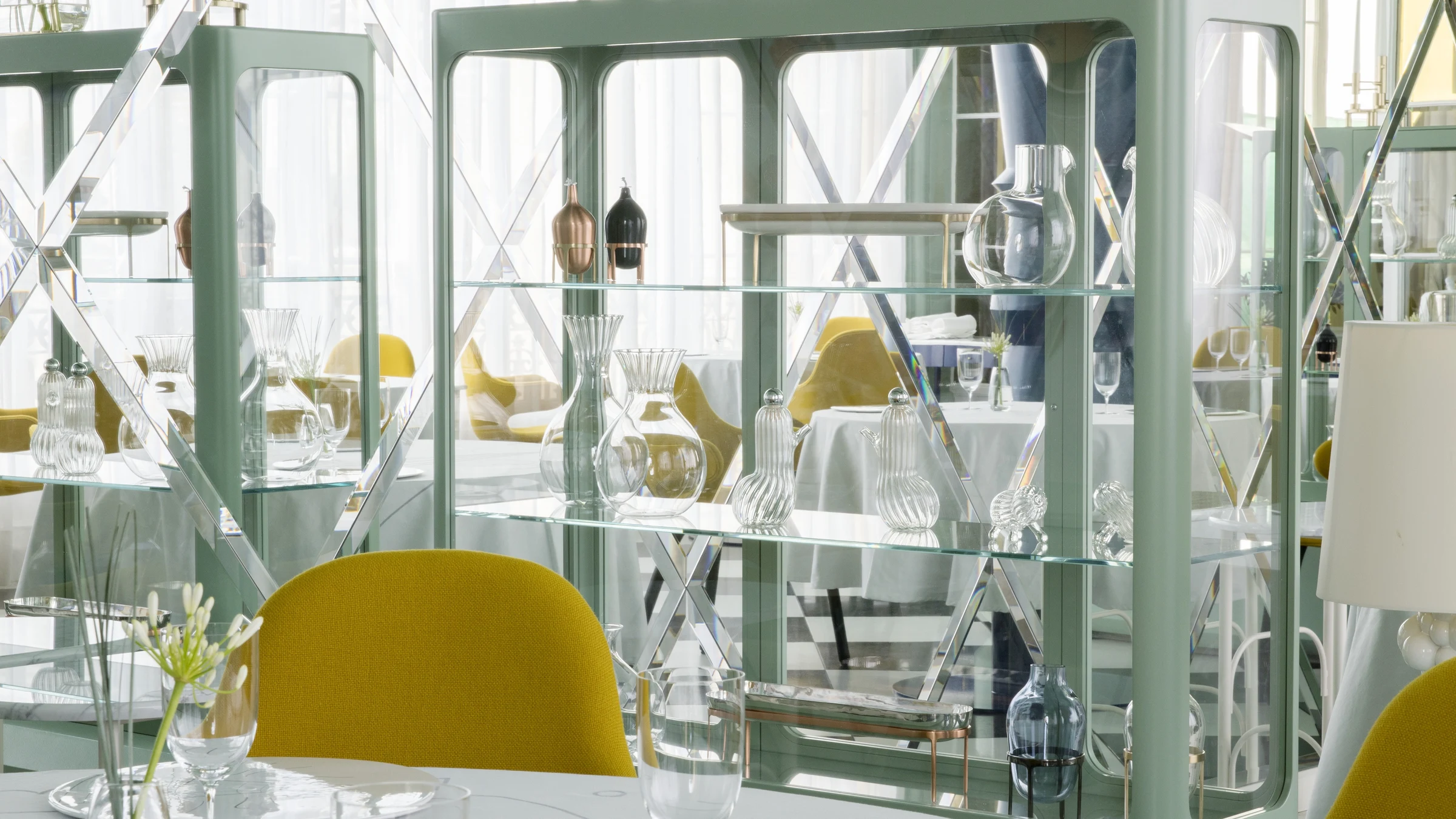
| Paco Roncero | Avant-Garde Spanish Fine Dining | Madrid | Michelin 2 Stars |
| Reale | Modern Italian Fine Dining | Castel di Sangro | Michelin 3 Stars, World's 50 Best |
| Row on 5 | Modern British Fine Dining with Mediterranean & Asian Influences | London | Michelin 2 Stars |
In residence
Similar places
Modern Alsatian-French Fine Dining
Gabriel Kreuther
New York City, United States
★★
Modern Minimalist Kaiseki
Myojaku
Tokyo, Japan
★★★ · 50 Best
Avant-Garde Italian Contemporary
Osteria Francescana
Modena, Italy
★★★ · 50 Best
Avant-Garde Spanish Fine Dining
Paco Roncero
Madrid, Spain
★★
Modern Italian Fine Dining
Reale
Castel di Sangro, Italy
★★★ · 50 Best
Modern British Fine Dining with Mediterranean & Asian Influences
Row on 5
London, United Kingdom
★★