Made ByRestaurant
Le Grand Saint-Benoît
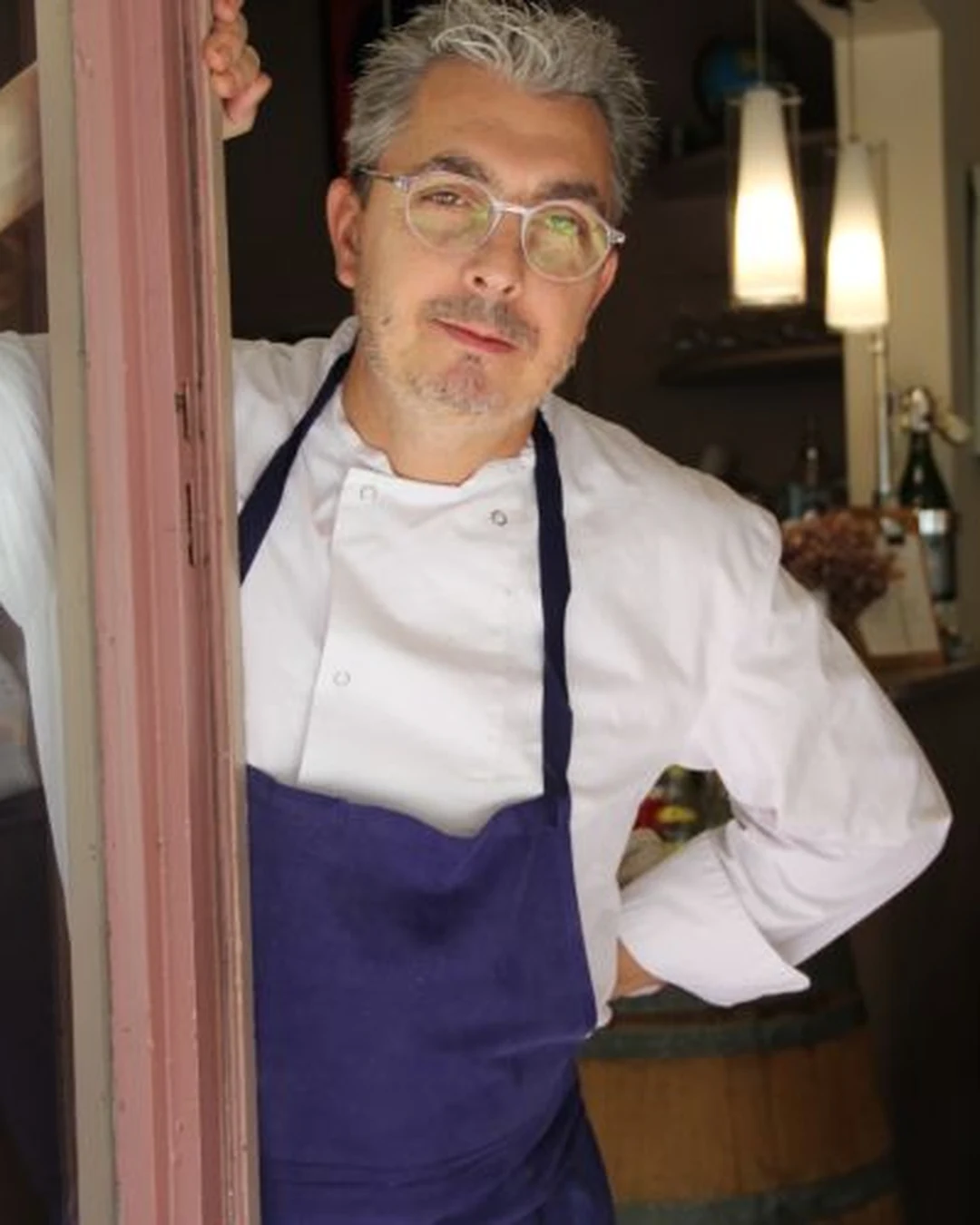
Chef in Residence
Jérôme Bonnet
Chef
- 01CuisineClassic French Bistro
- 02CitySaint-Benoît-sur-Loire, France
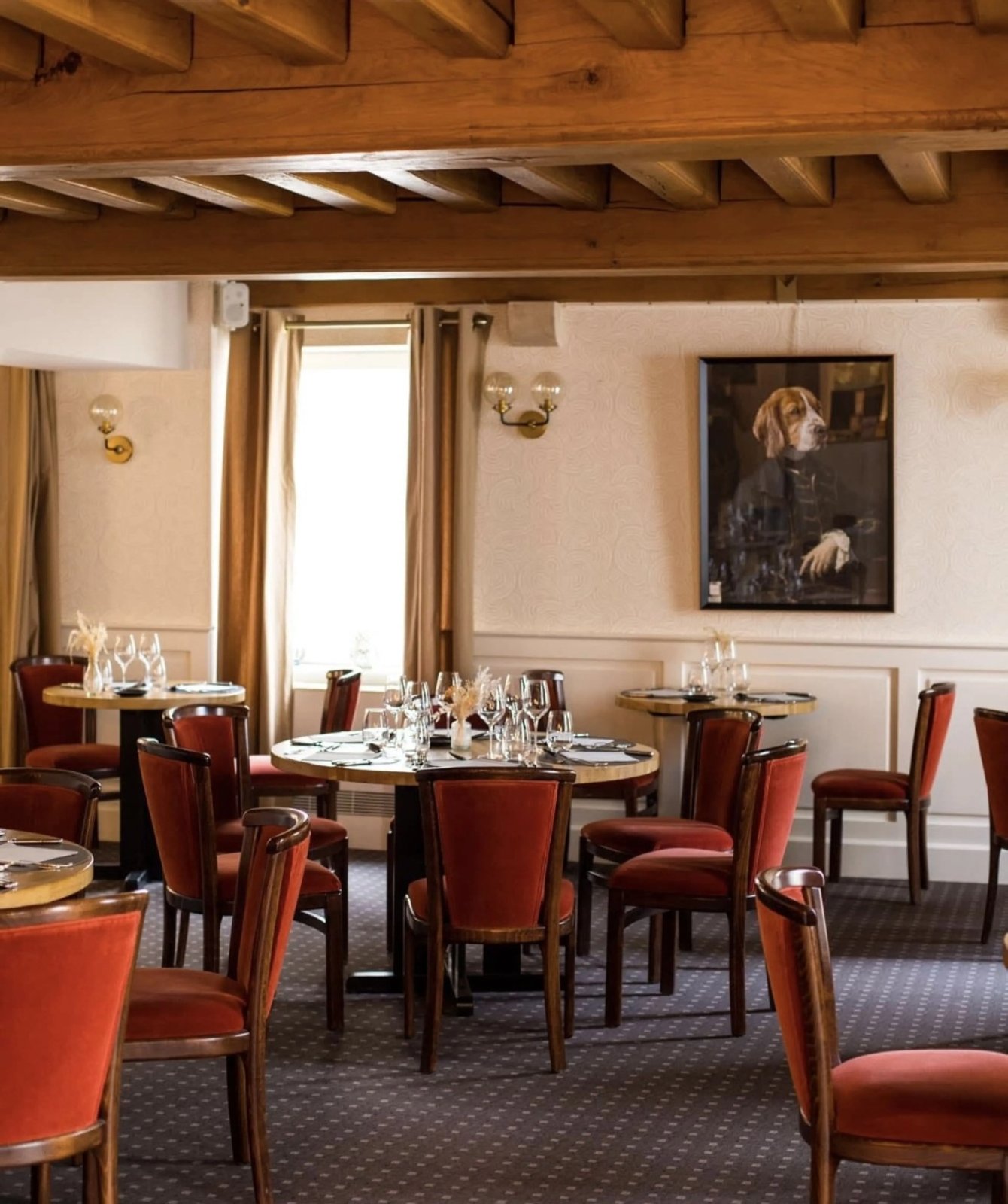
Le Grand Saint-Benoît holds back-to-back Michelin Bib Gourmand recognition for 2024 and 2025, placing it among the Loire Valley's most consistent addresses for traditional French cooking at a mid-range price point. Sitting steps from the Romanesque basilica in Saint-Benoît-sur-Loire, it represents the kind of rooted regional restaurant that France's provincial towns still do better than almost anywhere else in Europe.
- Michelin Bib Gourmand
At a glance
- Cuisine
- Classic French Bistro
- Price
- $$$
- Per person
- $55
- Hours
- Mon: Closed; Tue: 12:15–1:15 p.m., 7:30–8:15 p.m.; Wed: 12:15–1:15 p.m., 7:30–8:15 p.m.; Thu: Closed; Fri: 12:15–1:15 p.m., 7:30–8:15 p.m.; Sat: 12:15–1:15 p.m., 7:30–8:30 p.m.; Sun: 12:15–1:15 p.m.
- Neighborhood
- Saint-Benoît-sur-Loire village center
- Rating
- 4.5 (500)
<h2>A Village Square, a Basilica, and the Case for Provincial Cooking</h2><p>Place Saint-André in Saint-Benoît-sur-Loire is not a square that shouts for attention. The Romanesque abbey church of Fleury, one of the great ecclesiastical monuments of the Loire Valley, dominates the northern edge with the quiet authority of a building that has been standing since the eleventh century. The square itself is small, unhurried, and largely unchanged by the kind of tourism infrastructure that reshapes more prominent destinations. Arriving here, whether by car from Orléans, about thirty kilometres to the northwest, or on foot from the riverbank, sets up a particular register of expectation: not spectacle, but depth. Le Grand Saint-Benoît, at number 7 on the square, occupies that register precisely.</p><h2>What Two Consecutive Bib Gourmands Actually Signal</h2><p>Michelin's Bib Gourmand category, awarded to restaurants offering what the guide defines as good cooking at moderate prices, is sometimes misread as a consolation prize. That reading misses the point. The Bib is a separate judgment about value and consistency within a specific price bracket, and holding it in consecutive years (2024 and 2025, in the case of Le Grand Saint-Benoît) tells a different story from a one-off award: the kitchen is performing reliably. In the Loire Valley, a region with a strong tradition of serious bourgeois cooking, that kind of steady recognition carries genuine weight. It places Chef Jérôme Bonnet's kitchen in a comparable set defined by rigour and accessibility rather than by tasting-menu theatre or avant-garde ambition.</p><p>For reference on the other end of France's recognition spectrum, properties such as <a href="https://www.enprimeurclub.com/restaurants/alleno-paris-au-pavillon-ledoyen-paris-restaurant">Alléno Paris au Pavillon Ledoyen in Paris</a>, <a href="https://www.enprimeurclub.com/restaurants/mirazur-menton-restaurant">Mirazur in Menton</a>, and <a href="https://www.enprimeurclub.com/restaurants/flocons-de-sel-megeve-restaurant">Flocons de Sel in Megève</a> operate at the multi-star level with price points and formats to match. The Bib tier is a deliberate counter-position to that world, one that France's food culture has always argued matters just as much.</p><h2>Traditional Cuisine as a Discipline, Not a Default</h2><p>The cuisine type listed for Le Grand Saint-Benoît is Traditional Cuisine, and in the French context that designation has precise meaning. It refers to a body of technique and product logic that runs from the farmhouse kitchen through the provincial bistro and into the hands of trained cooks who treat classical method as a living discipline rather than a nostalgic pose. The Loire Valley is particularly fertile ground for this tradition: the river and its tributaries supply freshwater fish that appear rarely on Parisian menus; the surrounding Sologne region contributes game in season; and the Val de Loire's designation as a UNESCO World Heritage landscape reflects an agricultural and viticultural continuity that directly shapes what ends up on the plate.</p><p>Chef Jérôme Bonnet works within this tradition. The Bib Gourmand signals that the approach is grounded in product quality and sound execution. Comparable addresses working the traditional register at different price points and geographies include <a href="https://www.enprimeurclub.com/restaurants/troisgros-le-bois-sans-feuilles-ouches-restaurant">Troisgros - Le Bois sans Feuilles in Ouches</a>, <a href="https://www.enprimeurclub.com/restaurants/auberge-de-lill-illhaeusern-restaurant">Auberge de l'Ill in Illhaeusern</a>, and <a href="https://www.enprimeurclub.com/restaurants/paul-bocuse-lauberge-du-pont-de-collonges-collonges-au-mont-dor-restaurant">Paul Bocuse - L'Auberge du Pont de Collonges in Collonges-au-Mont-d'Or</a>, each representing a different inflection of what it means to cook from France's classical inheritance. At the other pole of French regional ambition, <a href="https://www.enprimeurclub.com/restaurants/bras-laguiole-restaurant">Bras in Laguiole</a> and <a href="https://www.enprimeurclub.com/restaurants/am-par-alexandre-mazzia-marseille-restaurant">AM par Alexandre Mazzia in Marseille</a> demonstrate how far individual chefs can push beyond that classical base. Le Grand Saint-Benoît sits firmly in the tradition-respecting camp, which is a position, not a limitation.</p><h2>The €€ Price Point and What It Means Here</h2><p>France's mid-range restaurant market, the €€ bracket, is where the country's culinary argument is won or lost for most visitors. It is the tier that determines whether a regional town feels worth a detour or simply a place to eat before moving on. Saint-Benoît-sur-Loire is, by any measure, a detour destination: the abbey alone justifies the drive, and a meal at a Bib Gourmand address on the square makes the case for staying longer. The €€ pricing means a full meal lands at a level accessible to anyone with a serious interest in eating well, without requiring the advance planning and budget allocation that the starred tier demands.</p><p> Le Grand Saint-Benoît occupies a different but equally deliberate position, one where the relationship between what you pay and what arrives at the table is a point of professional pride. The 500 Google reviews averaging 4.5 stars suggest that the kitchen is delivering on that proposition consistently enough to earn repeat visits and recommendations from a broad cross-section of diners.</p><h2>The Loire as a Culinary Region</h2><p>Visitors who treat the Loire Valley primarily as a château itinerary sometimes miss that it is also one of France's most coherent gastronomic corridors. The appellations running from Muscadet in the west through Sancerre and Pouilly-Fumé in the east provide a wine context for the food that is unusually well-matched: the Loire's characteristic acidity and mineral register suit freshwater fish, charcuterie, and lighter meat preparations better than the richer wines of Burgundy or Bordeaux might. For those interested in the wine dimension, the local producers and broader cultural calendar add further context, including the abbey and river activities.</p><p>Within this regional frame, a traditional kitchen like Le Grand Saint-Benoît operates with a specific advantage: proximity to suppliers who have been working the same landscape for generations. That is not a romantic abstraction but a practical reality that affects the quality of raw materials arriving in the kitchen on any given service day.</p><h2>Planning a Visit</h2><p>Saint-Benoît-sur-Loire sits roughly thirty kilometres east-southeast of Orléans on the D960, and is reachable by car in under forty minutes from the city centre. The square around the basilica is walkable from a small village car park, and the restaurant's address at 7 Place Saint-André puts it directly in view of the church's porch tower. The €€ price range and Bib Gourmand standing make advance booking advisable, particularly at weekends when the abbey draws visitors from across the region. The restaurant is open Tuesday, Wednesday, and Friday from 12:15 to 1:15 p.m. and 7:30 to 8:15 p.m., Saturday from 12:15 to 1:15 p.m. and 7:30 to 8:30 p.m., and Sunday from 12:15 to 1:15 p.m.; it is closed Monday and Thursday. Reservations are essential. Comparable provincial addresses with traditional formats, such as <a href="https://www.enprimeurclub.com/restaurants/auberge-du-vieux-puits-fontjoncouse-restaurant">Auberge du Vieux Puits in Fontjoncouse</a> and Auberge Grand'Maison in Mûr-de-Bretagne, or further afield <a href="https://www.enprimeurclub.com/restaurants/auga-gijon-restaurant">Auga in Gijón</a>, typically fill their leading tables weeks in advance on the strength of recognition alone. The same pattern applies here.</p>
Know before you go
- Dress code
- smart_casual
- Reservations
- essential
- Parking
- street
- Payment
- cash, credit_card, debit_card
- Accessibility
- wheelchair_accessible, accessible_restroom
- Outdoor seating
- Yes
- Groups
- Welcomed
- Children
- Welcomed
Frequently asked
Would Le Grand Saint-Benoît be comfortable with kids?
The €€ price point and traditional French format suggest a relaxed sit-down environment rather than a high-ceremony tasting room, which tends to work reasonably well for families. That said, the restaurant is a Michelin Bib Gourmand recipient — the room will have a considered pace and a degree of quiet that diners should factor in. Calling ahead to confirm is advisable given that hours and specific policies are not published online.
What kind of setting is Le Grand Saint-Benoît?
The restaurant occupies Place Saint-André in Saint-Benoît-sur-Loire, a village square dominated by the Romanesque abbey church of Fleury. That address puts it squarely in the tradition of the French provincial restaurant: a fixed point in a small community, not a destination engineered for tourism. Two consecutive Bib Gourmands (2024 and 2025) confirm it operates at a level that earns outside attention without chasing it.
What's Le Grand Saint-Benoît known for in terms of accolades?
Le Grand Saint-Benoît has received recognition including: Michelin Bib Gourmand (2025); Michelin Bib Gourmand (2024).
What dish is Le Grand Saint-Benoît famous for?
What Michelin's Bib Gourmand category does confirm is that the kitchen under Jérôme Bonnet delivers traditional French cooking at moderate prices to a standard the guide considers worth flagging two years running — the clearest external signal of consistent quality without prescription on what to order.
Address
7 Pl. Saint-André, 45730 Saint-Benoît-sur-Loire, France
Saint-Benoît-sur-Loire village center
How it compares
Le Grand Saint-Benoît
- Cuisine
- Classic French Bistro
- Price
- $$$
- Awards
- Michelin Bib Gourmand
- Notes
- Saint-Benoît-sur-Loire village center
- Cuisine
- Basque-Inspired French Bistro
- Price
- $$$
- Awards
- Michelin Plate
- Notes
- 7th arrondissement
- Cuisine
- Traditional French Bistro
- Price
- $$$
- Awards
- Michelin Bib Gourmand
- Notes
- Bracieux
- Cuisine
- Modern French Gastronomic Charcuterie
- Price
- $$$
- Awards
- Michelin Plate
- Notes
- 7th Arrondissement (Gros-Caillou)
- Cuisine
- Classic French Brasserie
- Price
- $$$
- Awards
- Michelin Plate
- Notes
- 6th arrondissement
- Cuisine
- Modern French Bistro
- Price
- $$$
- Awards
- Michelin Plate
- Notes
- 10th arrondissement
In residence
Similar places
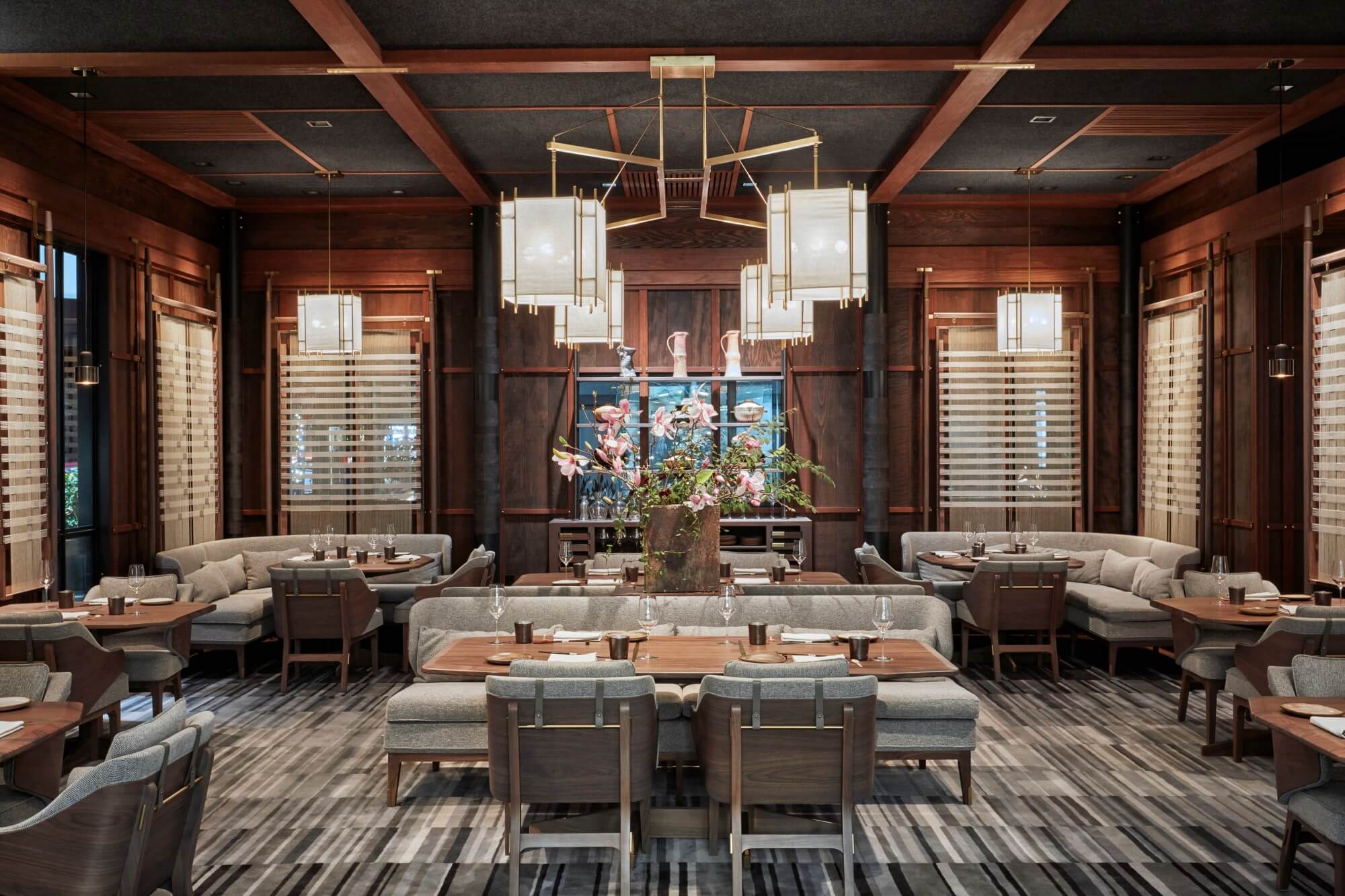
Japanese-influenced Californian Kaiseki
Single Thread Farm
Healdsburg, United States
★★★ · 50 Best
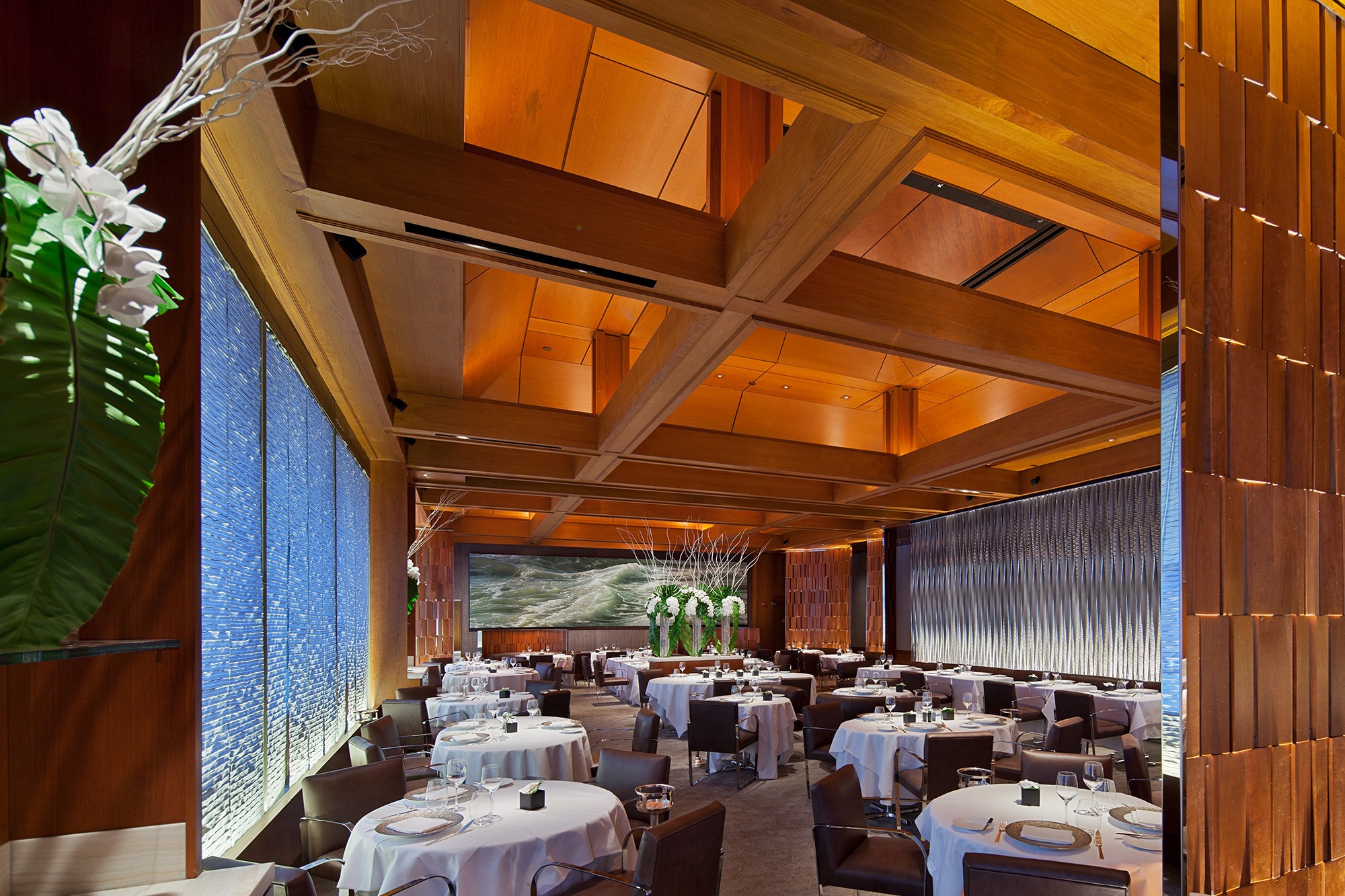
French Seafood Fine Dining
Le Bernardin
New York City, United States
★★★ · 50 Best
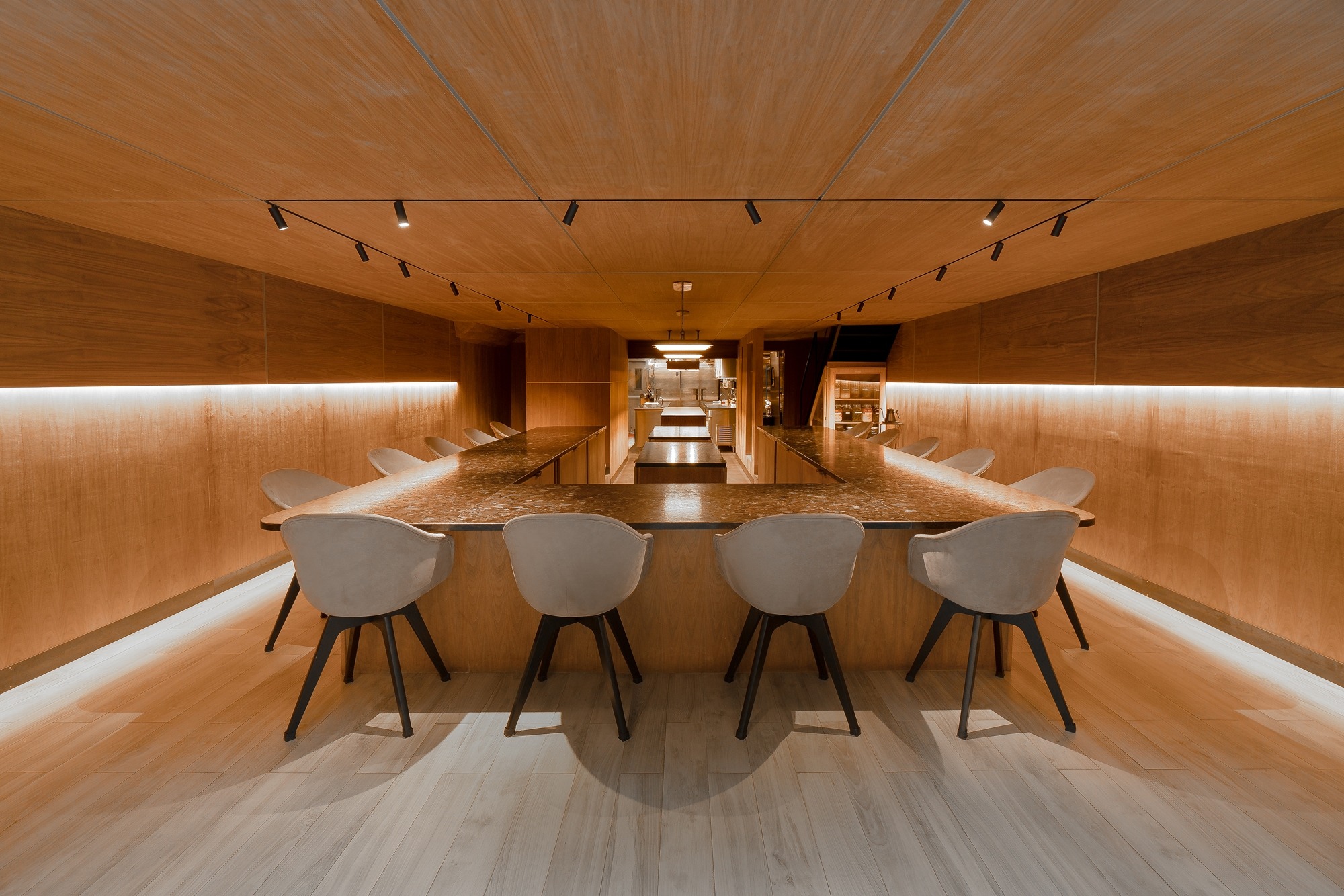
Modern Korean Tasting Menu
Atomix
New York City, United States
★★ · 50 Best
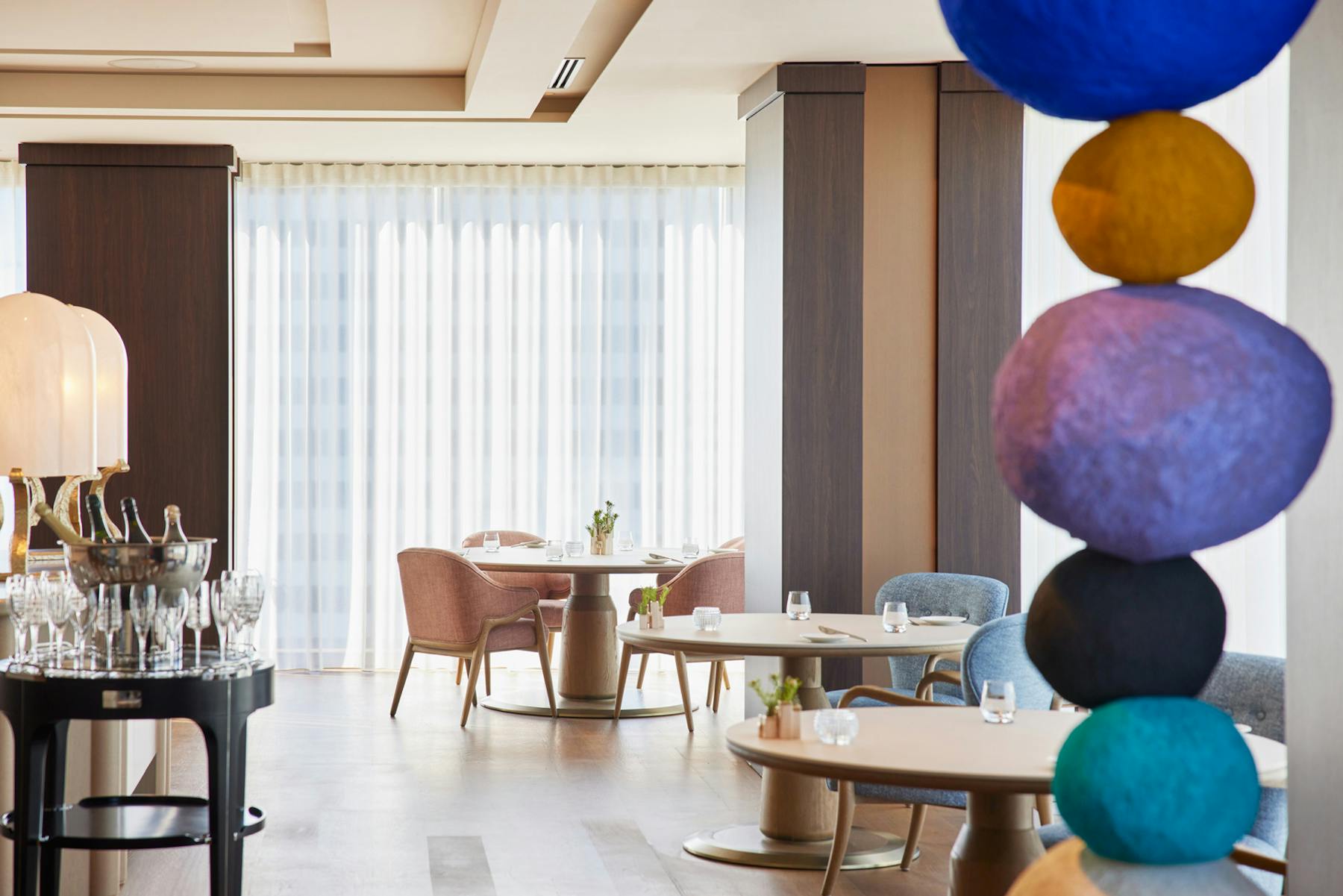
French
Sézanne
Tokyo, Japan
★★★ · 50 Best
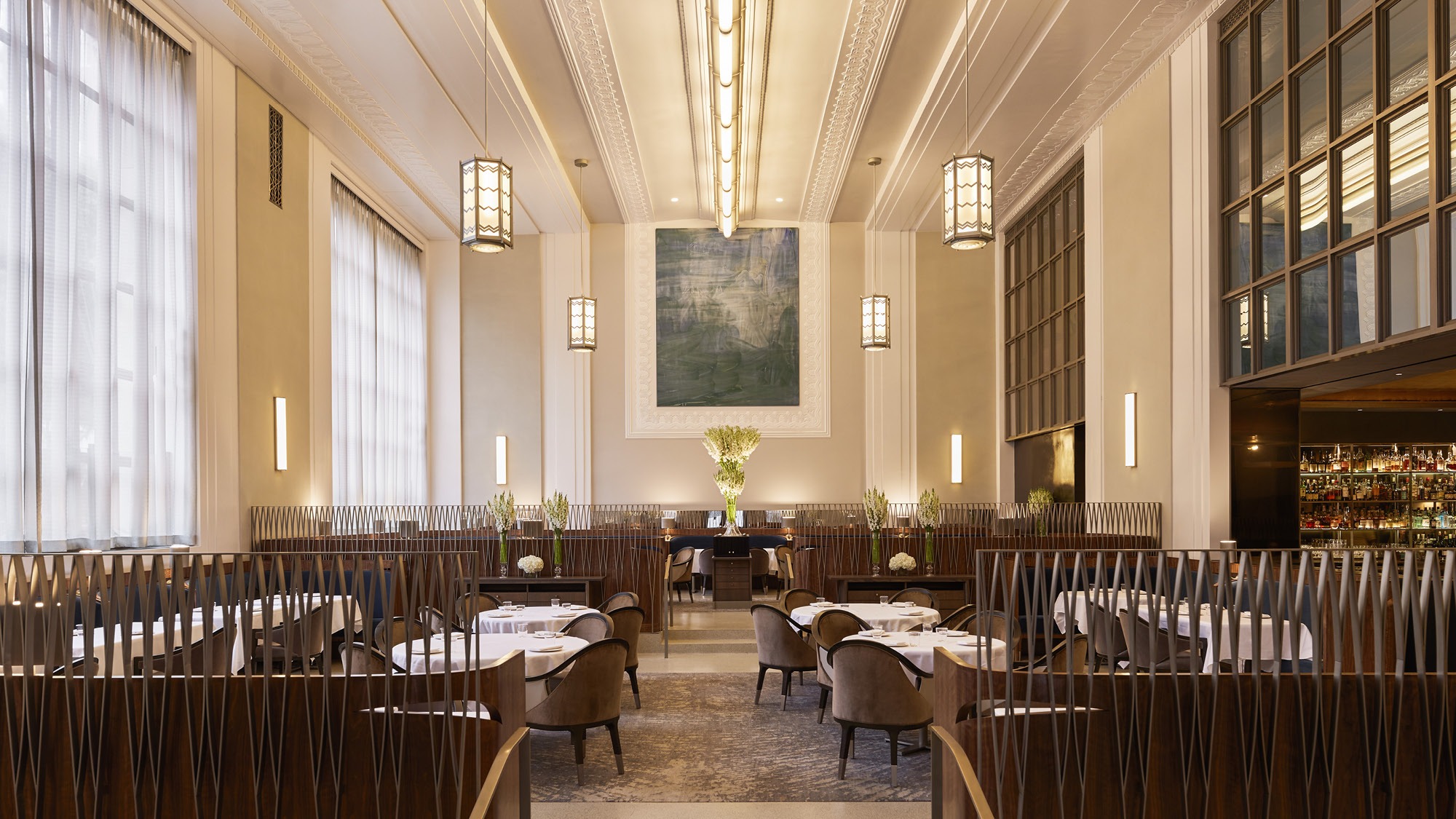
Contemporary Plant-Based Fine Dining
Eleven Madison Park
New York City, United States
★★★ · 50 Best
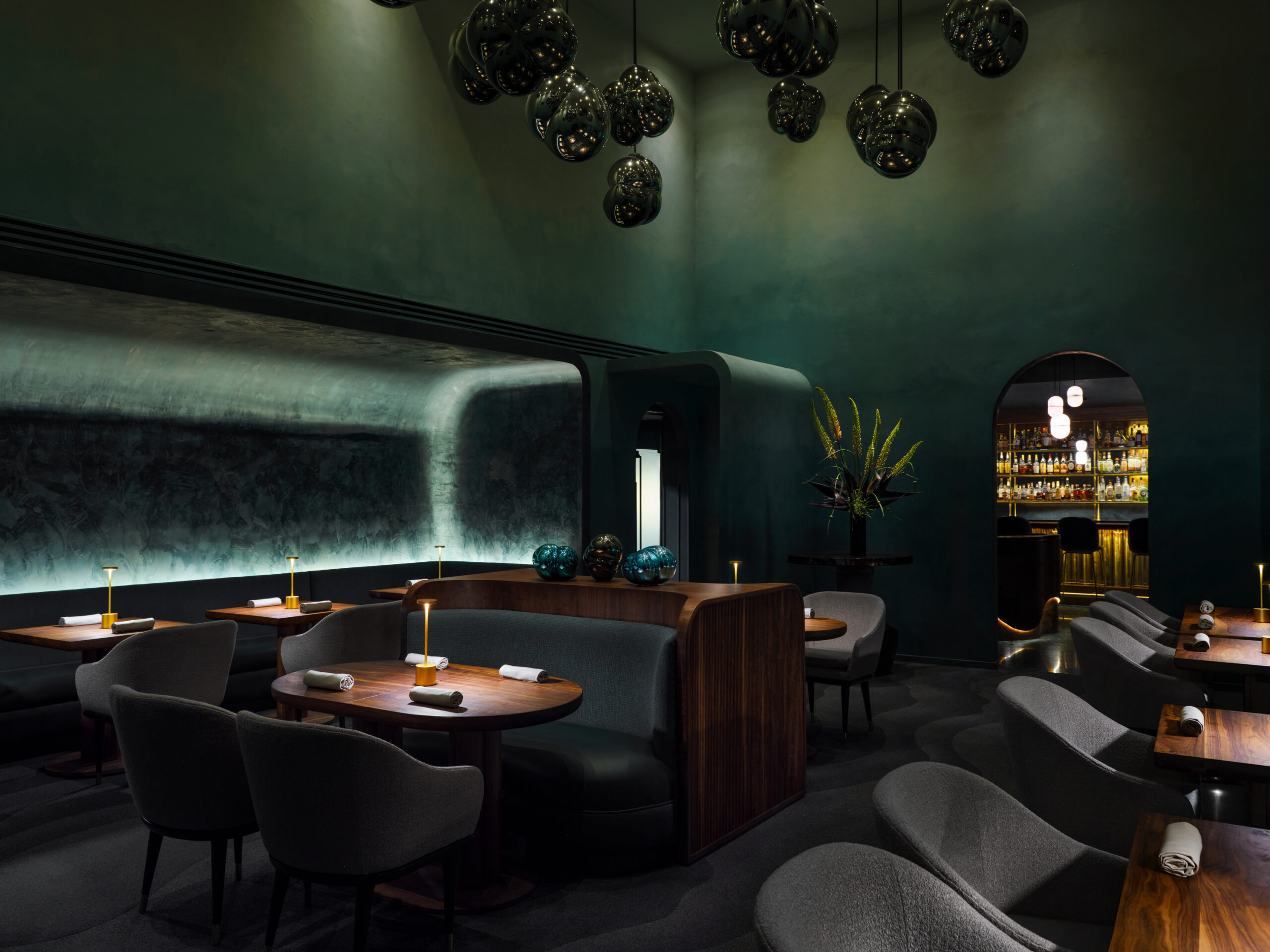
Modern Seafood Fine Dining
Providence
Los Angeles, United States
★★★ · 50 Best