Le Montrachet
In Residence
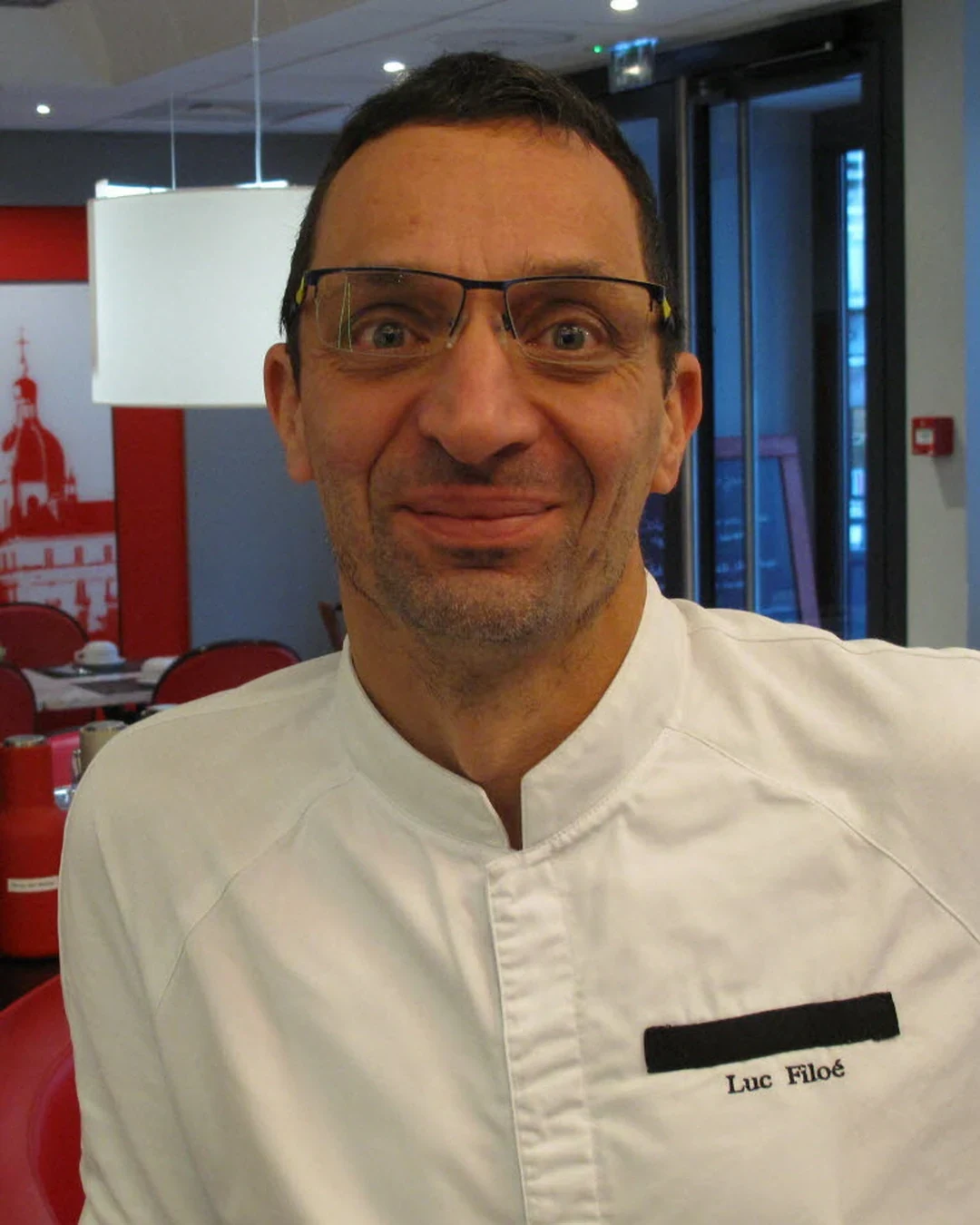
Luc Filoé
Chef
- 01CuisineRefined Modern French
- 02CityPuligny-Montrachet, France
- Michelin Plate · 2026
- Michelin Plate · 2025
- We're Smart World 1 Radish · 2025
- Opinionated About Dining Classical in Europe Ranked #93 · 2025
- Opinionated About Dining Classical in Europe Ranked #77 · 2024
- Michelin Plate · 2024
- Opinionated About Dining Classical in Europe Ranked #73 · 2023
Eating and Sleeping at the Heart of Burgundy's White Wine Country
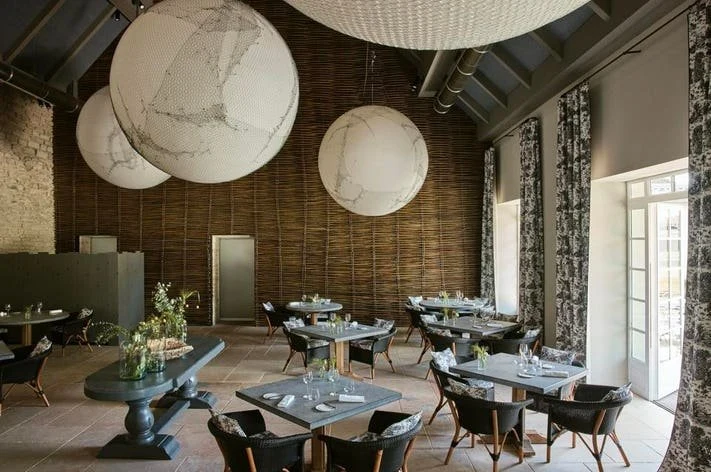
Le Montrachet is a restaurant in Puligny-Montrachet serving refined modern French cuisine at about $100 per person. Arriving here on foot from the surrounding vineyard lanes, the transition from row upon row of Chardonnay vines to a stone-faced property on a village square captures exactly the kind of condensed geography that defines the Côte de Beaune. Le Montrachet occupies that square directly, and the building's proportions and setting communicate something before you have ordered a thing: that this is a place which takes its position in the appellation seriously.
The combination of hotel and restaurant under one roof has a long tradition in Burgundy, where visiting négociants, buyers, and wine travellers have historically needed both a table and a room within reach of the domaines. That format still makes sense here. Puligny-Montrachet is not a destination city with multiple hotel options; it is a working village whose calendar is set by the harvest and the auction season at nearby Beaune.
The Provenance Argument on the Plate
What defines serious regional cooking in Burgundy is less technical invention and more the discipline of sourcing. The raw materials of the Côte-d'Or and its surrounding territories are among the most cited in French gastronomy: poultry from Bresse, beef from the Charolais, freshwater fish from the Saône, and a vegetable culture that has historically supplied some of France's most demanding tables. The question any Burgundian restaurant must answer is whether its kitchen is genuinely plugged into those supply chains or merely invoking them by name.
At Le Montrachet, the sourcing is structurally embedded rather than decorative. Bresse poultry and Charolais beef appear on the menu as products with a specific geographic and regulatory identity; Bresse, in particular, carries its own AOC designation, the only poultry in France to hold one. Pike perch from the Saône represents the freshwater tradition of a river that runs through the Burgundy lowlands. Most notably, the kitchen draws organic vegetables directly from a horticulturist who works specifically for the restaurant, a supply relationship that differs from spot-market sourcing and creates accountability for consistency and seasonality across the year. This kind of direct-grower arrangement is increasingly common among regionally ambitious French tables, but it remains more meaningful than a general claim of local origin.
Chef Luc Filoé coordinates the kitchen's attention to both the dishes and the wines, and that dual focus matters in a village where the cellar could plausibly overshadow the plate. The wine list in Puligny-Montrachet carries an obvious geographical advantage, but the risk at such addresses is that the food becomes secondary. Le Montrachet's recognition includes six awards and a 4.7 Google rating from 40 reviews, placing it firmly among respected regional tables rather than a wine-destination restaurant where the kitchen is an afterthought.
Where Le Montrachet Sits in the French Classical Tier
Appearing consecutively across three years in the top 100 of that ranking places Le Montrachet in a specific competitive set: restaurants that are consistent, regionally grounded, and evaluated by an expert audience with detailed knowledge of the category. The cohort includes tables at very different price points and formats, from brasseries in Lyon to manor houses in Alsace.
At its price tier, Le Montrachet operates below the €€€€ tier occupied by Paris addresses such as Le Cinq at the Four Seasons Hôtel George V and Guy Savoy, or regional flagships like Alléno Paris au Pavillon Ledoyen. Within the classical French canon, other sustained regional performers include Auberge de l'Ill in Illhaeusern, Assiette Champenoise in Reims, and Au Crocodile in Strasbourg, all operating in regions where local produce and wine identity are woven into the dining proposition. At a higher creative register but sharing the terroir-led emphasis, Bras in Laguiole and Mirazur in Menton demonstrate how deeply sourcing-focused cooking can travel beyond the classical framework. For mountain-context Burgundian adjacency, Flocons de Sel in Megève and Troisgros in Ouches represent the innovation end of the French regional spectrum, as does the enduring civic monument of Paul Bocuse - L'Auberge du Pont de Collonges for historical context. Le Montrachet belongs to none of those registers; its identity is more restrained and more directly tied to its village address. At the same address in Puligny, Olivier Leflaive offers a different format anchored explicitly to the domaine's wine production, making the two the natural pair for visitors comparing their options in the village.
The Wine Dimension
Eating in Puligny-Montrachet means eating with access to the appellation at source, and any serious cellar here will contain producers whose allocations are among the most sought-after in Burgundy. The wines of the village, its premiers crus and grands crus, are built around the Chardonnay's capacity for mineral tension, textural complexity, and extended development in bottle. A kitchen aligned to that profile will tend toward dishes that offer counterpoint in acidity and weight without competing against the wine's more intricate qualities. The sourcing of pike perch from the Saône and the reliance on organically grown vegetables suggest a plate structure oriented in that direction, though specific pairings are properly verified through experience rather than assumption.
Planning Your Visit
Le Montrachet is at 10 place du Pasquier de la Fontaine, in the centre of the village. At about $100 per person, it is a serious dinner appropriate for the wine list that comes with it, without reaching the four-bracket pricing of Paris's grand tables. Because Puligny-Montrachet is a small village drawing visitors who are often here specifically for the wine trade or domaine visits, advance booking is worth treating as essential, particularly for weekend evenings during harvest season in September and October and during the Hospices de Beaune auction weekend in November. The hotel element means it is also possible to combine dinner with accommodation, removing any pressure around a long tasting menu with an extended wine selection. AM par Alexandre Mazzia in Marseille offers a useful contrast in terms of how southern French terroir gets expressed at the top of the Michelin tier.
Questions
Frequently asked
Who works at Le Montrachet?
Made By profiles Luc Filoé (Chef) at Le Montrachet.
How expensive is Le Montrachet?
Le Montrachet is listed at a price level of $$$$.
Where is Le Montrachet and what does it serve?
Le Montrachet is in Puligny-Montrachet, Puligny-Montrachet, serving Refined Modern French.
The field
How it compares
| Place | Cuisine | Notes | Awards |
|---|---|---|---|
| Le Montrachet | Refined Modern French | Puligny-Montrachet, $$$$ | · |
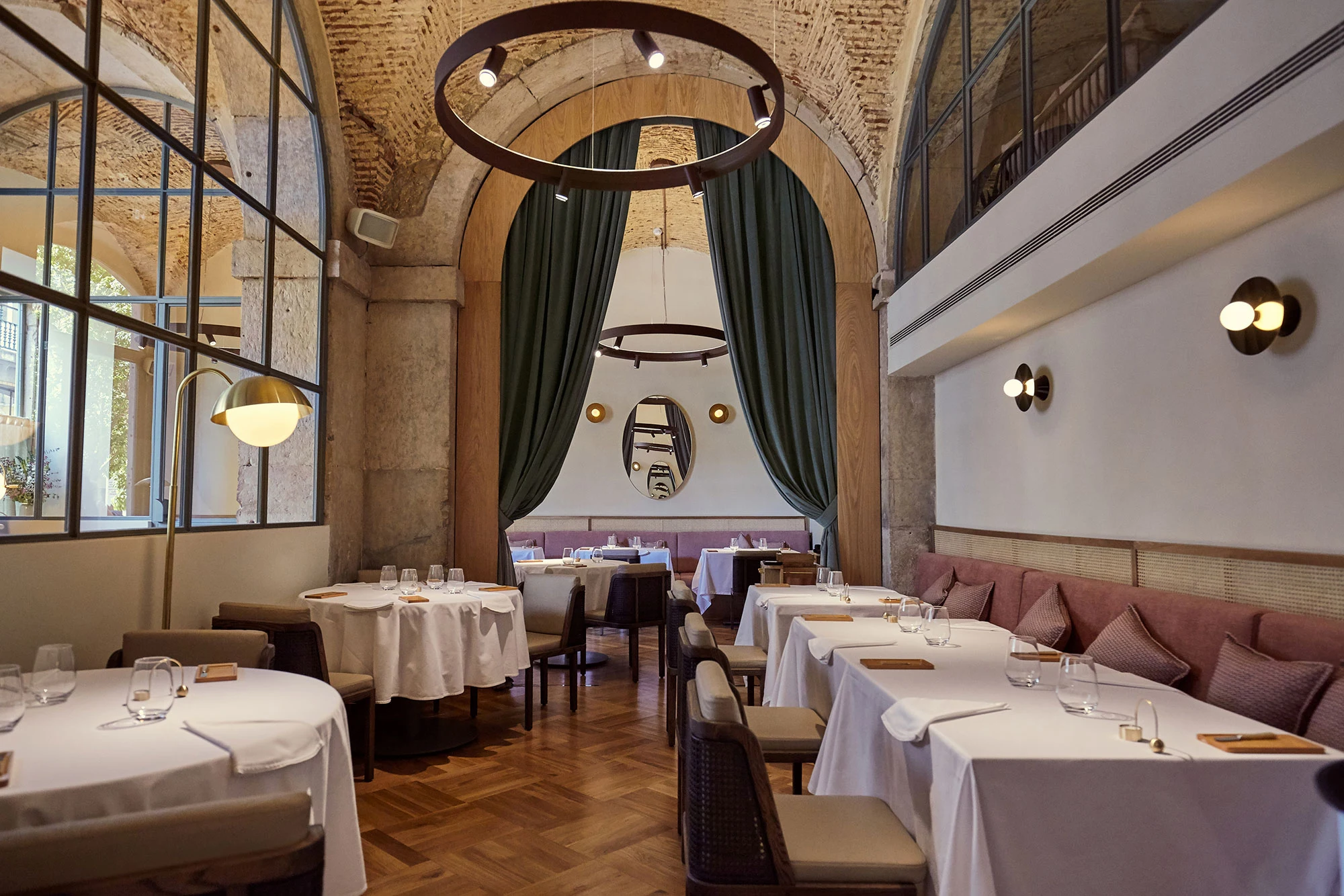
| Belcanto | Contemporary Portuguese Fine Dining | Lisbon | Michelin 2 Stars, World's 50 Best |
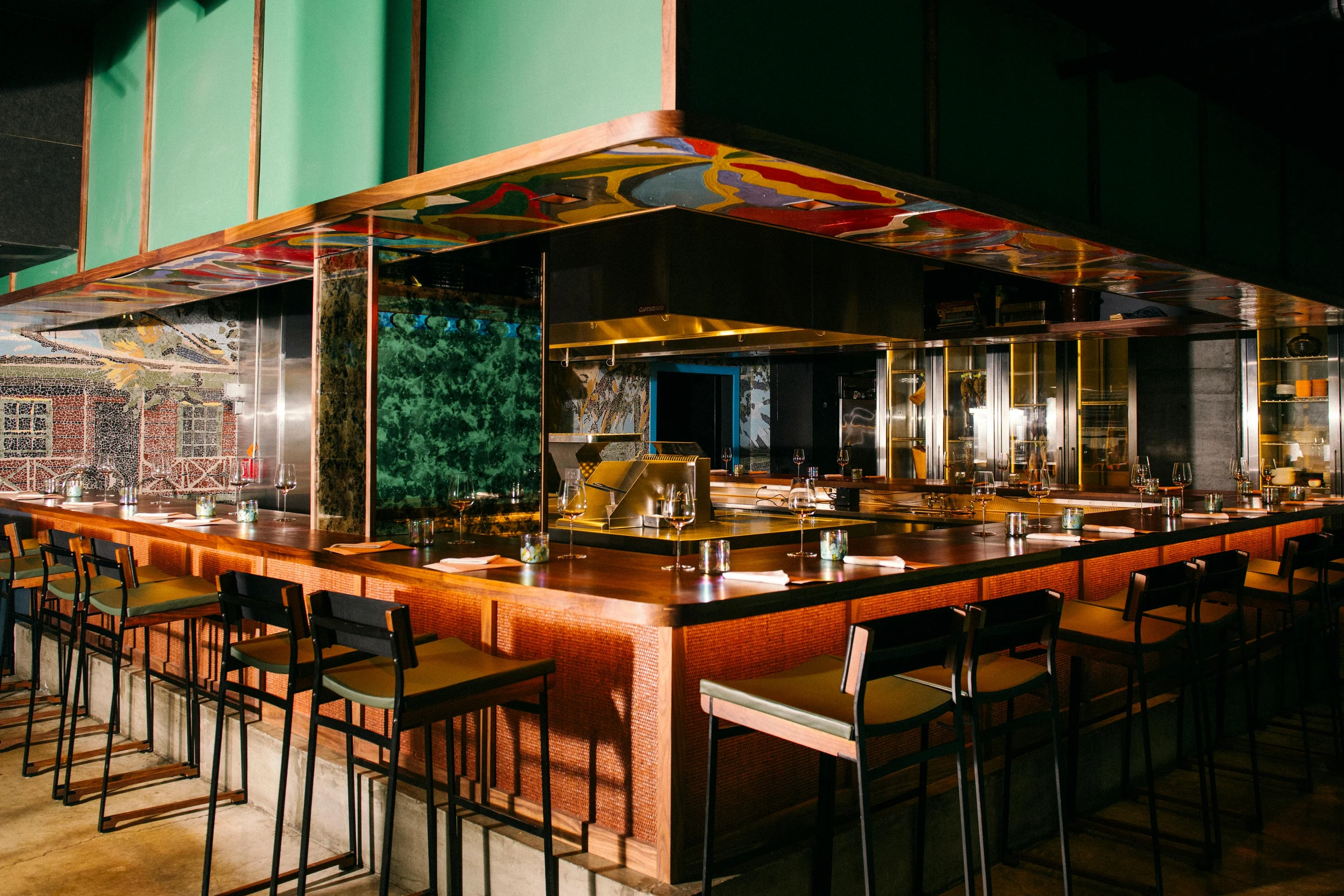
| Kabawa | Modern Caribbean Prix Fixe | New York City | World's 50 Best |
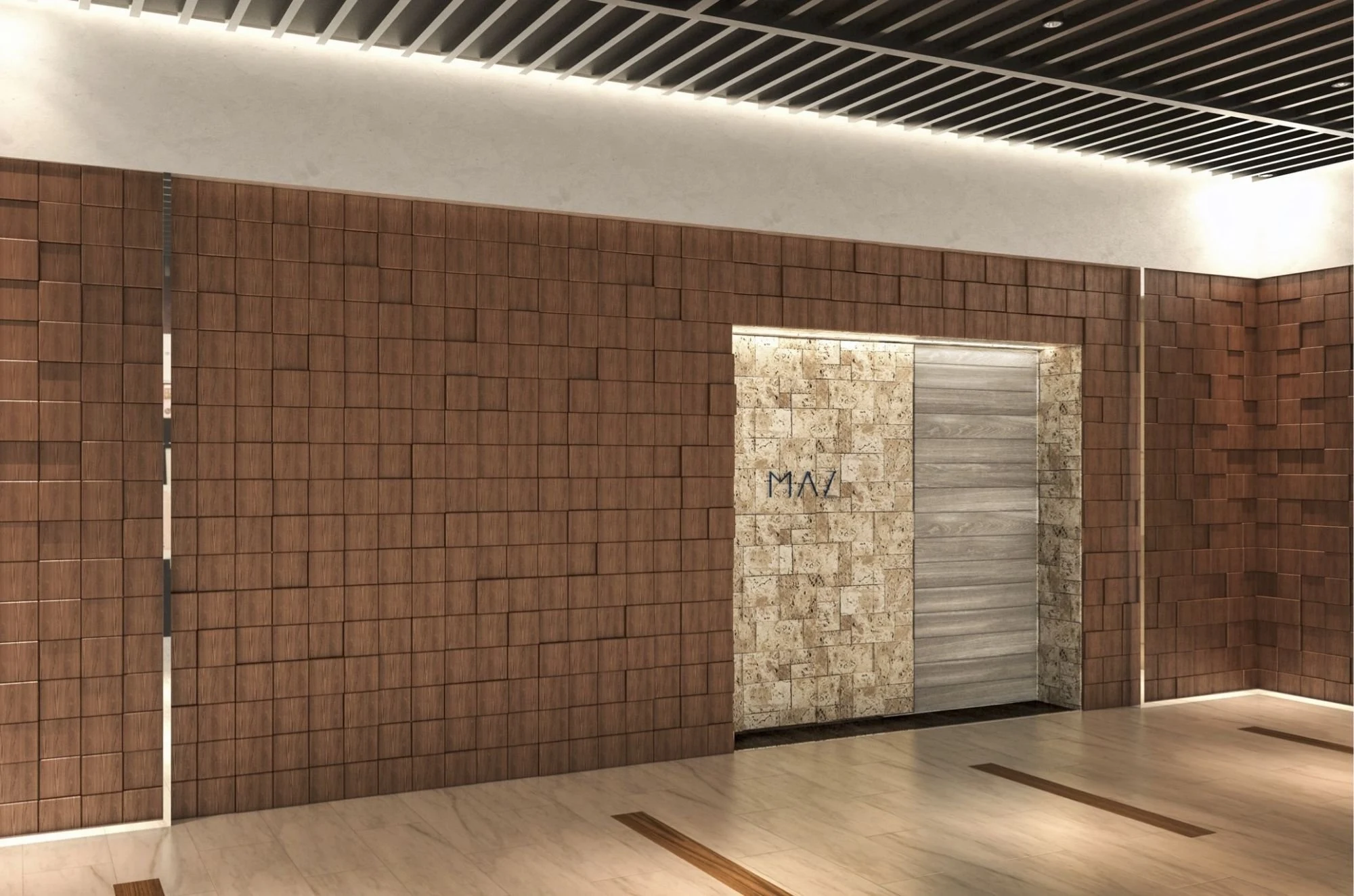
| MAZ | Innovative Peruvian-Japanese Fusion | Tokyo | Michelin 2 Stars, World's 50 Best |
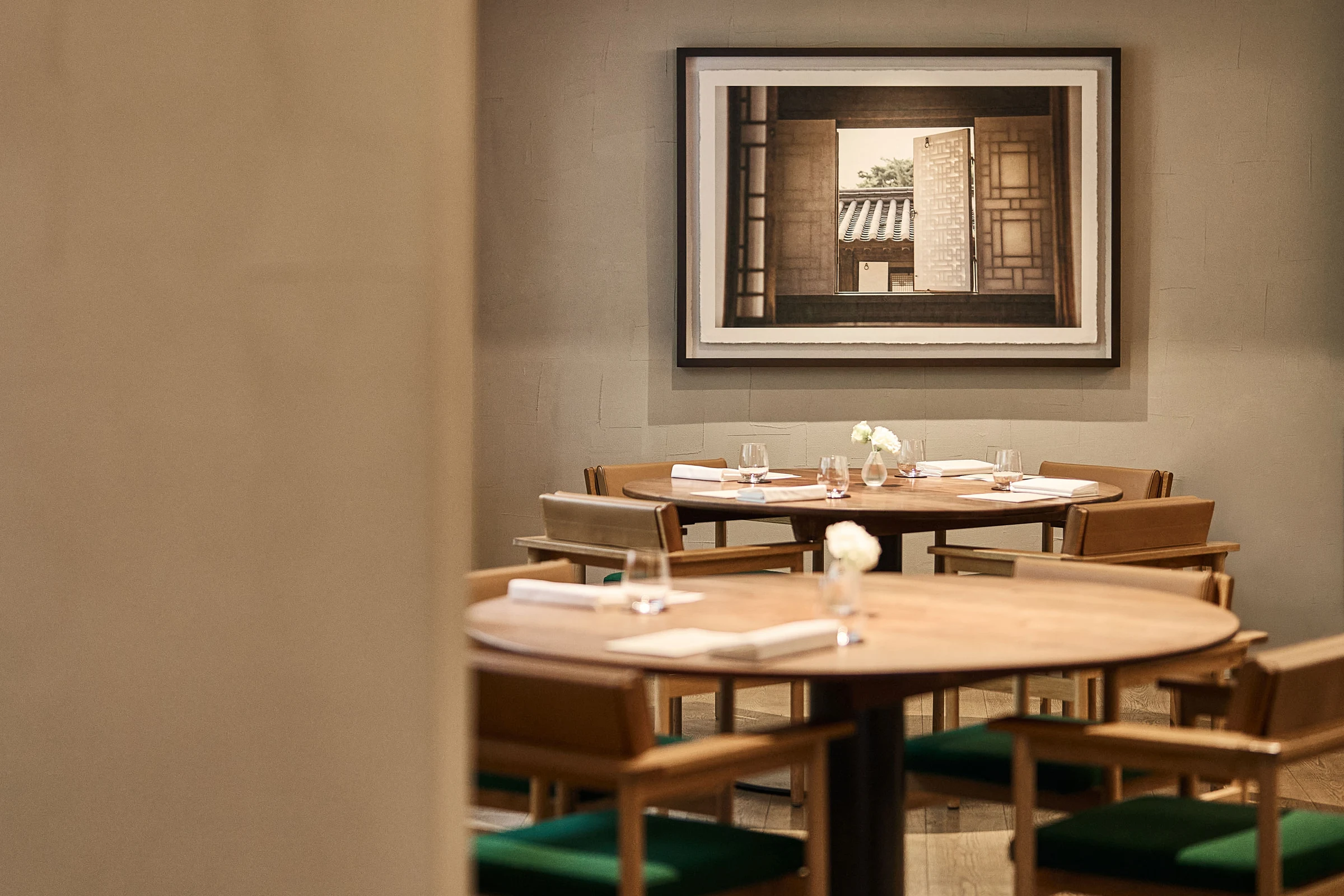
| Mingles | Modern Korean Fine Dining | Seoul | Michelin 3 Stars, World's 50 Best |
| Sorn | Fine Southern Thai | Bangkok | Michelin 3 Stars, World's 50 Best |
| Tantris | Modern French Fine Dining | Munich | Michelin 2 Stars, World's 50 Best |
In residence
Similar places
Contemporary Portuguese Fine Dining
Belcanto
Lisbon, Portugal
★★ · 50 Best
Modern Caribbean Prix Fixe
Kabawa
New York City, United States
50 Best
Innovative Peruvian-Japanese Fusion
MAZ
Tokyo, Japan
★★ · 50 Best
Modern Korean Fine Dining
Mingles
Seoul, South Korea
★★★ · 50 Best
Fine Southern Thai
Sorn
Bangkok, Thailand
★★★ · 50 Best
Modern French Fine Dining
Tantris
Munich, Germany
★★ · 50 Best