Made ByRestaurant
Le Préau
Chef in Residence
Jean-Denis Rieubland
Chef
- 01CuisineModern Mediterranean Bistro
- 02CityRognes, France
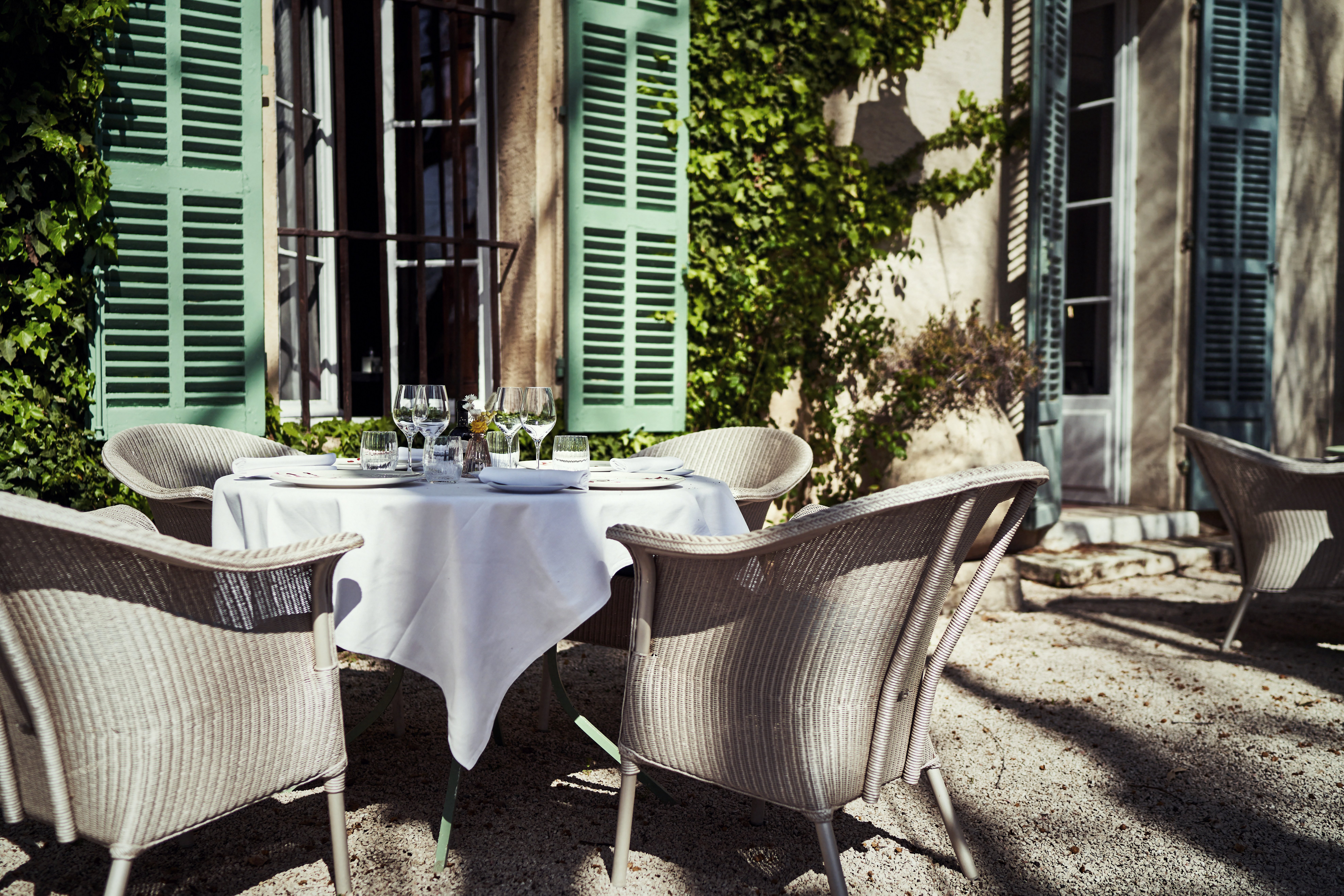
A Michelin Bib Gourmand-recognised bistro in the village of Rognes, Le Préau delivers daily-changing menus built on market produce and kitchen garden harvests. Chef Jean-Denis Rieubland brings an urban sensibility to a Provençal setting, pairing focused seasonal cooking with a wine list shaped by local winegrowing heritage. At the €€ price point, it represents one of the Luberon fringe's more considered value propositions.
- Michelin Bib Gourmand
At a glance
- Cuisine
- Modern Mediterranean Bistro
- Price
- $$$
- Per person
- $45
- Hours
- Mon: Closed; Tue: Closed; Wed: Closed; Thu: 12–2 PM, 8–9:45 PM; Fri: 12–2 PM, 8–9:45 PM; Sat: 12–2 PM, 8–9:45 PM; Sun: 12–2 PM, 7:30–9:45 PM
- Neighborhood
- Rognes
- Rating
- 4.8 (313)
<h2>A Village Address with Urban Instincts</h2><p>The Provençal countryside around Rognes has long been better known for its vineyards and limestone hills than for destination dining. That has been shifting, quietly but perceptibly, as a generation of French chefs has turned away from the gravitational pull of Paris or Lyon and planted itself in smaller communities where producer relationships are direct and overheads allow for a different kind of creative freedom. Le Préau, at 1 Cours Saint-Étienne, sits inside that broader pattern: a bistro that reads as contemporary in its sensibility but is grounded entirely in its immediate geography.</p><p>The atmosphere here belongs to a recognisable mode of modern French casual dining, one that has largely supplanted the white-tablecloth formality of an older rural restaurant tradition. The room projects what Michelin's own inspectors characterised as an urban vibe in the countryside, a phrase that captures how thoroughly the cooking and the setting have shed any folksy provincialism. Service is described as relaxed and efficient, which in the French bistro context tends to signal genuine hospitality rather than performative warmth. For the region, that combination is less common than you might expect.</p><h2>The Logic of a Daily-Changing Menu</h2><p>In French restaurant culture, the <em>menu du marché</em> that changes with each day's market run is not a novelty concept, it is a discipline, and one that separates kitchens genuinely tethered to seasonality from those simply marketing the idea of it. At Le Préau, the set menu turns over daily, drawing from both market sourcing and a kitchen garden that functions as a direct extension of the larder. The result is a menu that cannot be planned far in advance by the diner, which concentrates attention on what is actually available at its finest on a given day.</p><p>This approach connects Le Préau to a broader French tradition that can be traced through celebrated addresses such as <a href="https://www.enprimeurclub.com/restaurants/bras-laguiole-restaurant">Bras in Laguiole</a> and <a href="https://www.enprimeurclub.com/restaurants/auberge-du-vieux-puits-fontjoncouse-restaurant">Auberge du Vieux Puits in Fontjoncouse</a>, where the land around the restaurant directly informs what arrives at the table. At the three-star end of that spectrum, the kitchen garden becomes a signature statement. At the Bib Gourmand tier that Le Préau occupies, it is a practical commitment that keeps costs and complexity tightly aligned, which is precisely how that price-to-quality ratio is sustained.</p><h2>Jean-Denis Rieubland and the Winegrower's Table</h2><p>Chef Jean-Denis Rieubland's formation and precise training lineage are not publicly detailed in the way that, say, the biographies of chefs at <a href="https://www.enprimeurclub.com/restaurants/alleno-paris-au-pavillon-ledoyen-paris-restaurant">Alléno Paris au Pavillon Ledoyen</a> or <a href="https://www.enprimeurclub.com/restaurants/flocons-de-sel-megeve-restaurant">Flocons de Sel in Megève</a> tend to be documented. What the record does establish is that chef Jean-Denis Rieubland cooks in his home village, a detail that carries real weight in how the restaurant positions itself, particularly around the wine list.</p><p>The wine offer at Le Préau is described as curated and attractive, which in the context of a Rognes address means the selection will reflect the Coteaux d'Aix-en-Provence appellation that surrounds the village, alongside the broader Provence production that dominates regional tables. A chef raised inside a winegrowing family brings a different kind of instinct to this curation than a sommelier trained in a formal academy. The pairing sensibility tends to be agricultural rather than technical: what grows together, pours together. That dynamic is part of what makes small-town Provence an interesting place to eat in a way that resists easy comparison with larger French restaurant cities.</p><p>For context on how the southern French fine dining spectrum operates at its upper registers, <a href="https://www.enprimeurclub.com/restaurants/am-par-alexandre-mazzia-marseille-restaurant">AM par Alexandre Mazzia in Marseille</a> represents the technical opposite pole: a three-Michelin-star operation built on maximum creative intensity. Le Préau operates at a different register entirely, where restraint and ingredient transparency carry more weight than elaboration.</p><h2>What the Bib Gourmand Recognition Signals</h2><p>Michelin's Bib Gourmand designation, awarded to Le Préau in 2025, identifies restaurants offering good quality cooking at a price point the guide defines as representing value relative to the tier above it. In practical terms, this means a full meal at Le Préau costs measurably less than the area's starred addresses while still meeting Michelin's quality threshold. For a village restaurant in a region where the tourist economy can push prices upward regardless of ambition, that recognition matters as an independent anchor.</p><p>The Bib Gourmand tier across France includes some of the most interesting cooking in the country precisely because it attracts chefs working without the financial and publicity infrastructure of larger operations. Houses like <a href="https://www.enprimeurclub.com/restaurants/au-crocodile-strasbourg-restaurant">Au Crocodile in Strasbourg</a> and <a href="https://www.enprimeurclub.com/restaurants/assiette-champenoise-reims-restaurant">Assiette Champenoise in Reims</a> represent the starred upper end of regional French ambition; the Bib tier in villages like Rognes represents something different: cooking rooted in locality rather than aspiration to a national profile. Le Préau's 4.8 rating across 313 Google reviews reinforces that Michelin's assessment is not an outlier judgment.</p><h2>Planning Your Visit</h2><p>Rognes sits in the Bouches-du-Rhône department, roughly equidistant between Aix-en-Provence and the Luberon. The village is a short drive from the A51 motorway, making it accessible as a lunch stop when travelling between the coast and the Luberon, or as a destination in its own right if you are staying in the Aix corridor. The restaurant's address at 1 Cours Saint-Étienne is central to the village. Confirm availability in advance, particularly for weekend service, given the daily-changing format and the limited capacity that a small village bistro typically operates within.</p><p>The €€ price band, set menu format, and relaxed service register make Le Préau a natural anchor for a half-day in the Rognes area, which can be rounded out with the local wineries and Provençal villages that define the character of this part of the Bouches-du-Rhône.</p>
Know before you go
- Dress code
- smart_casual
- Reservations
- essential
- Parking
- street
- Payment
- cash, credit_card
- Outdoor seating
- Yes
- Groups
- Welcomed
- Children
- Welcomed
Frequently asked
Is Le Préau okay with children?
Le Préau's Michelin recognition describes relaxed, efficient service and a bistro atmosphere, which suggests a low-formality setting more tolerant of families than a tasting-menu destination. The daily-changing set menu and village location in Rognes reinforce that casual register. That said, the restaurant does not publish explicit family or children's policies, so calling ahead before visiting with young children is advisable.
How would you describe the vibe at Le Préau?
Michelin's own Bib Gourmand notes frame it precisely: an urban bistro energy transplanted into the Provençal countryside at 1 Cours Saint-Étienne, Rognes. The service is described as relaxed but efficient, and the cooking is rooted in daily market runs and a family kitchen garden — so the mood is informal without being careless. Think neighbourhood wine bar seriousness applied to village-scale hospitality.
What kind of recognition has Le Préau received?
Le Préau has received recognition including: Michelin Bib Gourmand (2025); In his home village, Antonin Wishart cooks up joyful cuisine using ultra-fresh ingredients from the market and the family's kitchen garden. The mouth-watering set menu changes daily; this son of winegrowers has….
What's the must-try dish at Le Préau?
Because the set menu changes daily based on market availability and what the kitchen garden is producing, no single dish defines the repertoire at any given visit. What remains consistent is the approach: ultra-fresh ingredients shaped into modern cuisine by chef Jean-Denis Rieubland, paired with a wine list that reflects the family's winegrowing background. Arriving without fixed expectations is the right posture here.
What's the pricing like at Le Préau?
Pricing at Le Préau is listed as €€.
How do I find Le Préau?
Le Préau is located at 1 Cr Saint-Etienne, 13840 Rognes, France, Rognes.
Address
1 Cr Saint-Etienne, 13840 Rognes, France
Rognes
How it compares
- Cuisine
- Modern Mediterranean Bistro
- Price
- $$$
- Awards
- Michelin Bib Gourmand
- Notes
- Rognes
- Cuisine
- Modern Provençal Bistro
- Price
- $$$
- Awards
- Michelin Bib Gourmand
- Notes
- Place d'Armes - Arsenal
- Cuisine
- Creative French Gastronomic
- Price
- $$$
- Awards
- Michelin Bib Gourmand
- Notes
- Villars
- Cuisine
- French Seasonal Bistro
- Price
- $$$
- Awards
- Michelin Plate
- Notes
- centre ville
- Cuisine
- French Bistro with Market Cuisine
- Price
- $$
- Awards
- Michelin Bib Gourmand
- Notes
- Historic Center
- Cuisine
- Modern French Bistro
- Price
- $$$
- Awards
- Michelin Bib Gourmand
- Notes
- Quartier Voltaire Part-Dieu
In residence
Similar places
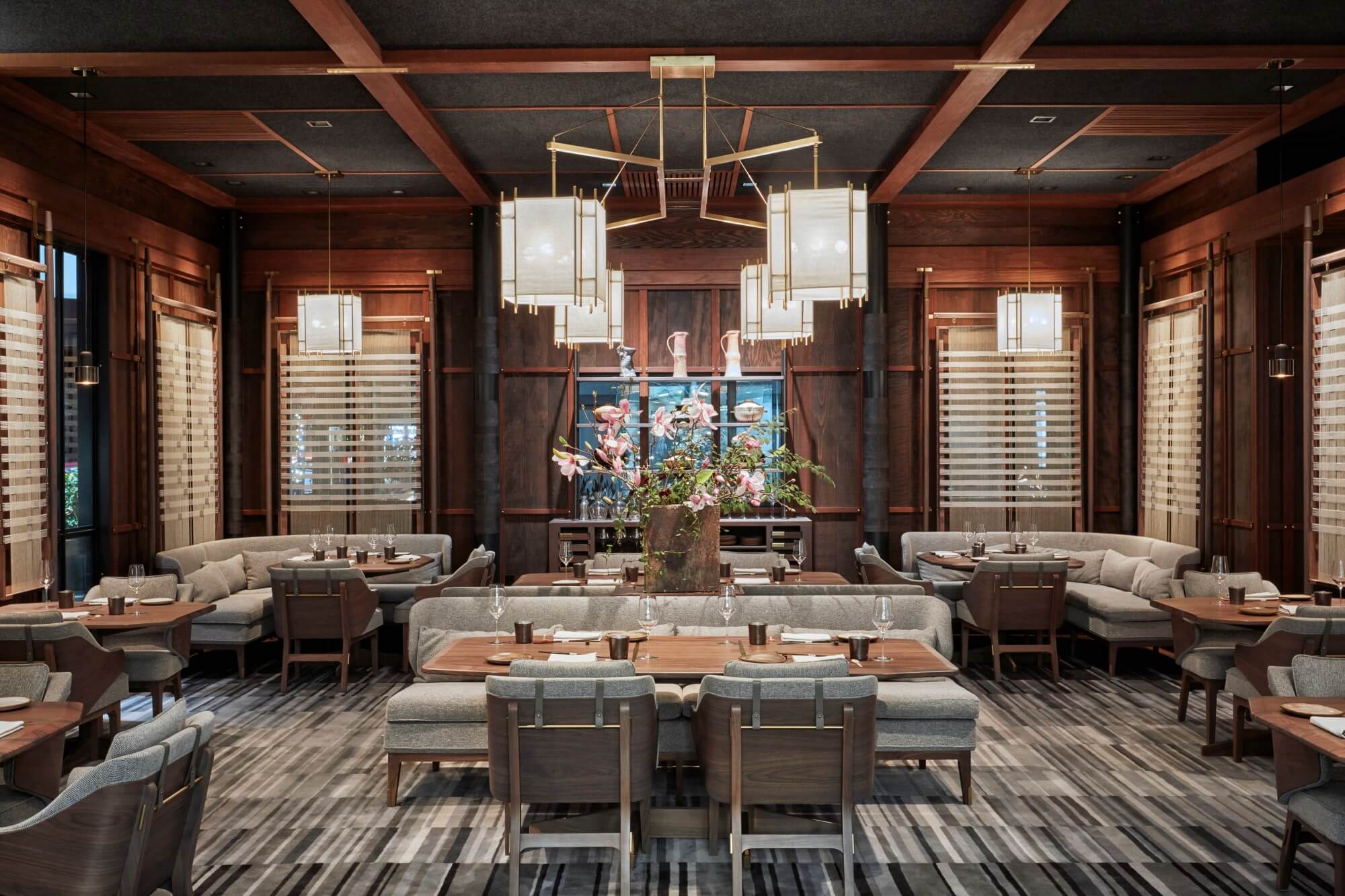
Japanese-influenced Californian Kaiseki
Single Thread Farm
Healdsburg, United States
★★★ · 50 Best
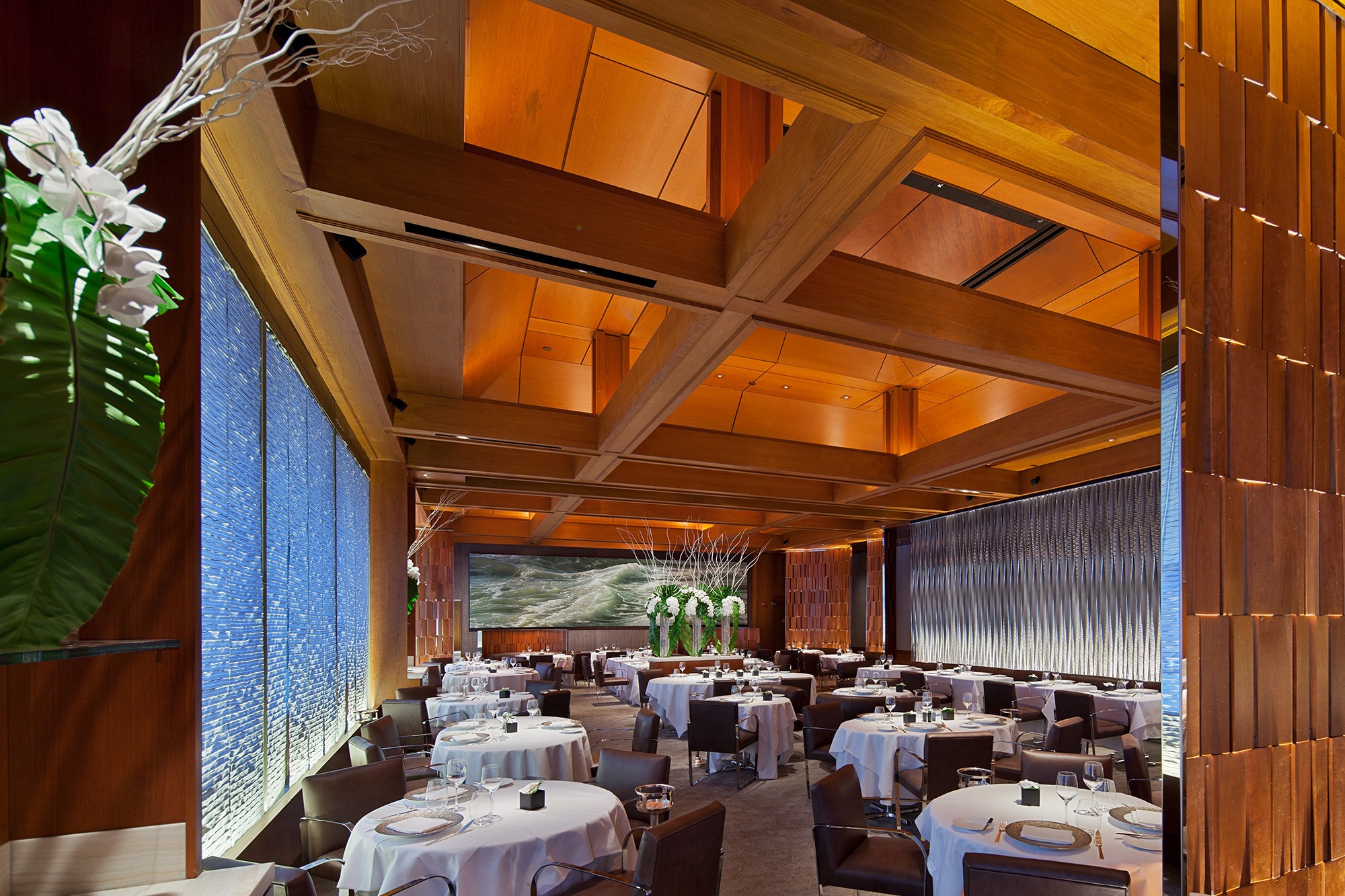
French Seafood Fine Dining
Le Bernardin
New York City, United States
★★★ · 50 Best
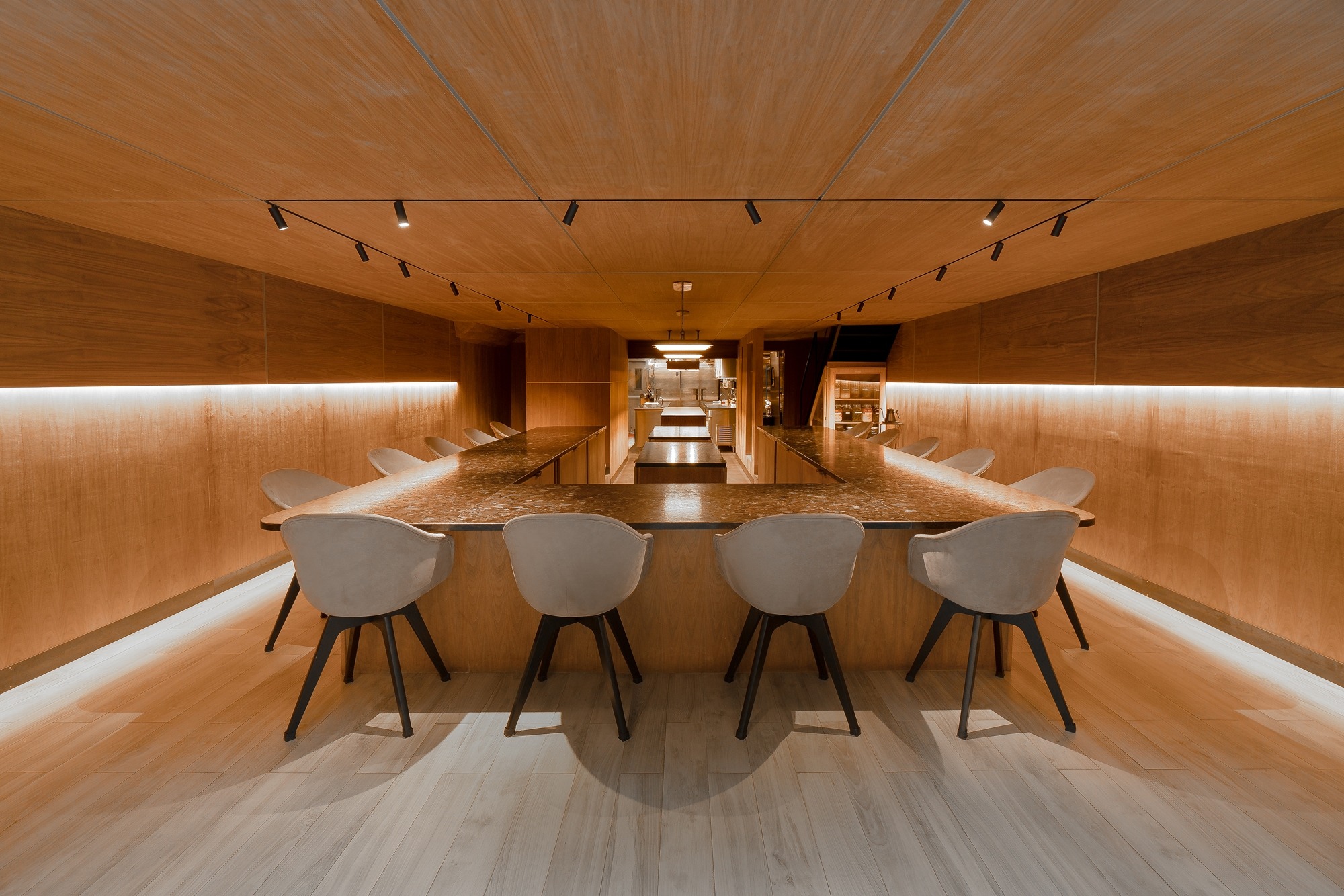
Modern Korean Tasting Menu
Atomix
New York City, United States
★★ · 50 Best
French
Sézanne
Tokyo, Japan
★★★ · 50 Best
Modern Seafood Fine Dining
Providence
Los Angeles, United States
★★★ · 50 Best
Contemporary Plant-Based Fine Dining
Eleven Madison Park
New York City, United States
★★★ · 50 Best