Limbyungjoo Sandong Kalguksu
- 01CuisineHand-made Kalguksu Noodles
- 02CitySeoul, South Korea
Hand-cut noodles in clam broth
- Michelin Bib Gourmand · Michelin Guide
- Michelin Bib Gourmand · 2026
- Michelin Bib Gourmand · 2025
- Michelin Bib Gourmand · 2024
Dough first, then the knife
Fresh dough is the first decision; Gavino Pilo, chef at Limbyungjoo Sandong Kalguksu in Seocho-gu, Seoul, works inside a house where the bench has long belonged to hand-made noodles. The restaurant has operated since 1988, and its discipline is less about authorship than repetition: dough made for the day, noodles cut by hand, broth built around clams and served clear enough for the sweetness to register. Pilo’s own training in Italy and his work with Neapolitan pizza at Little Napoli since 2021 give him a different primary craft, but the throughline suits this room. Dough answers to pressure, rest, heat, and timing before it answers to style.
At Limbyungjoo Sandong Kalguksu, that means entering a Korean noodle house whose reputation does not depend on a long menu. Son kalguksu carries the center of the program. Pyeongyang wang mandu sits beside it, larger and softer, with pork and vegetables inside a wrapper that needs enough chew to hold itself.
Clam broth and uneven ribbons
The method is plain in the bowl. Daily dough becomes hand-cut noodles, uneven by design rather than by neglect, so each ribbon catches the clam broth differently. The stock leans on natural sweetness and salinity from the shellfish, with enough restraint that the noodles remain the point. It is a traditional approach, not a decorative one. Texture does the talking.
The à la carte structure keeps the kitchen close to its strengths. Son kalguksu is the anchor, a hot noodle soup built for chew, steam, and broth clarity. Pyeongyang wang mandu adds weight, with seasoned pork and vegetables held in a wrapper that softens without disappearing. Naengmyeon, bossam, and jokbal broaden the table when diners want cold noodles or shared plates, but the house’s grammar stays consistent: cut, simmer, wrap, serve. Michelin has recognized the restaurant with Bib Gourmand status, and the reason is not difficult to locate. The value sits in repeated execution of a narrow craft.
The room keeps close to the bowl
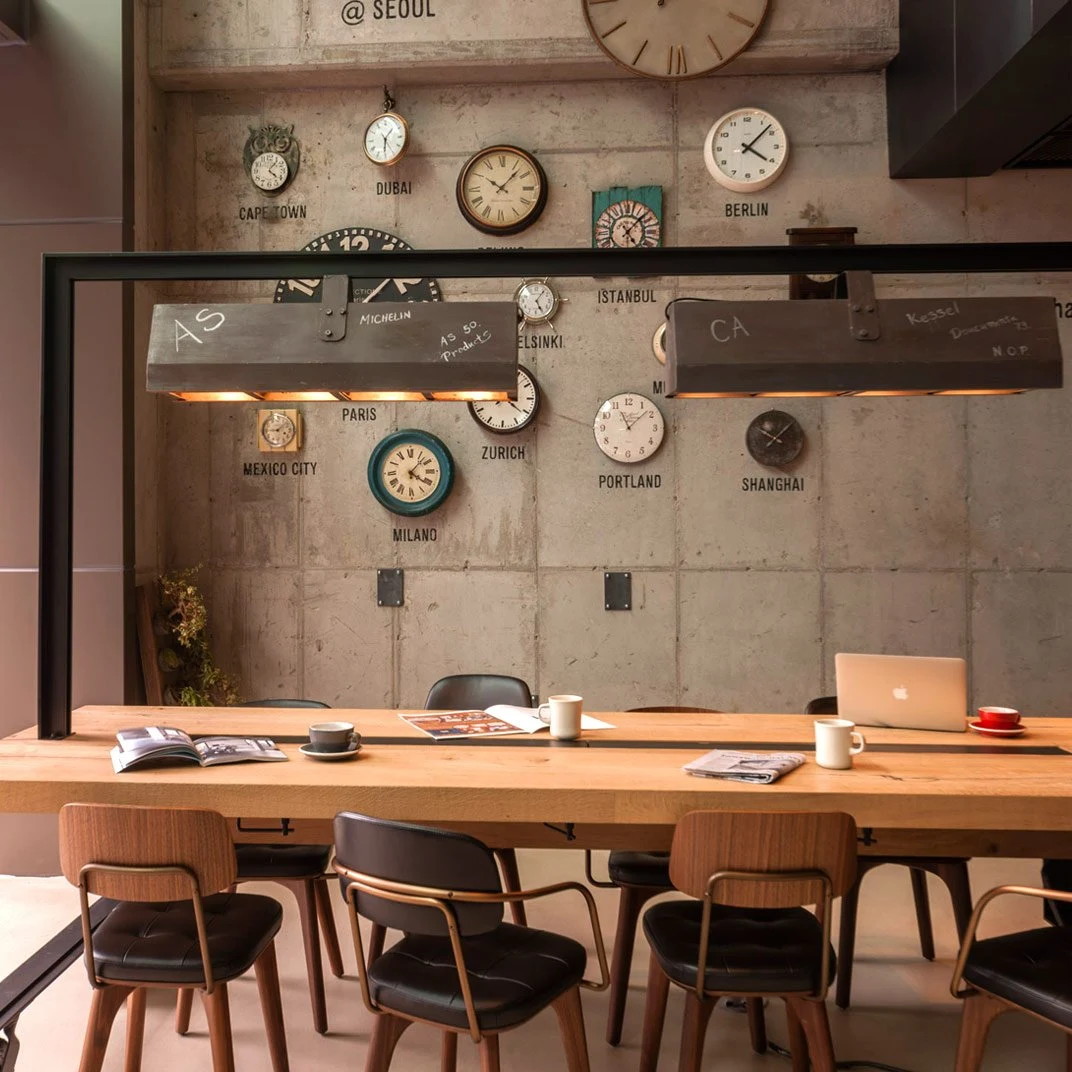
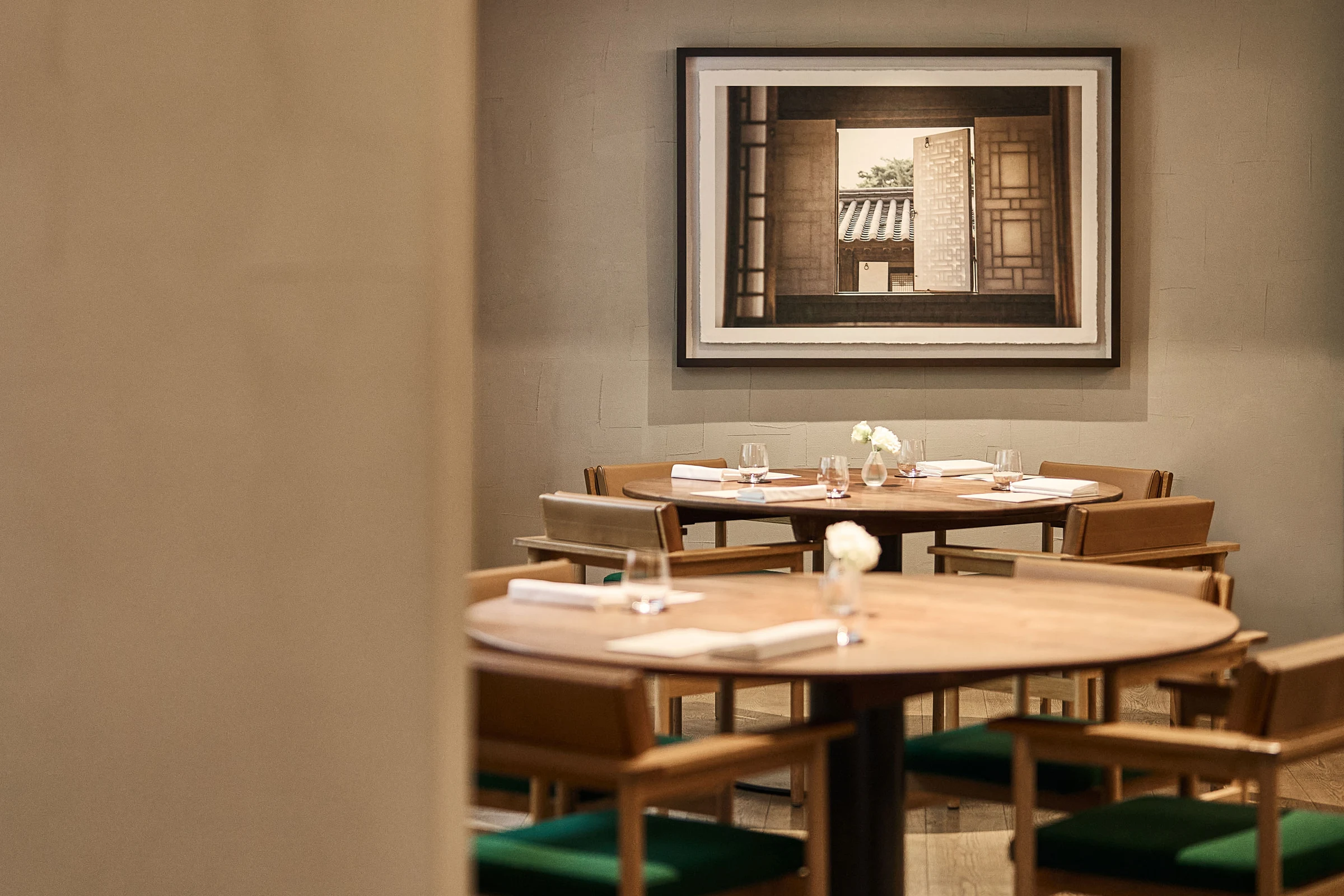
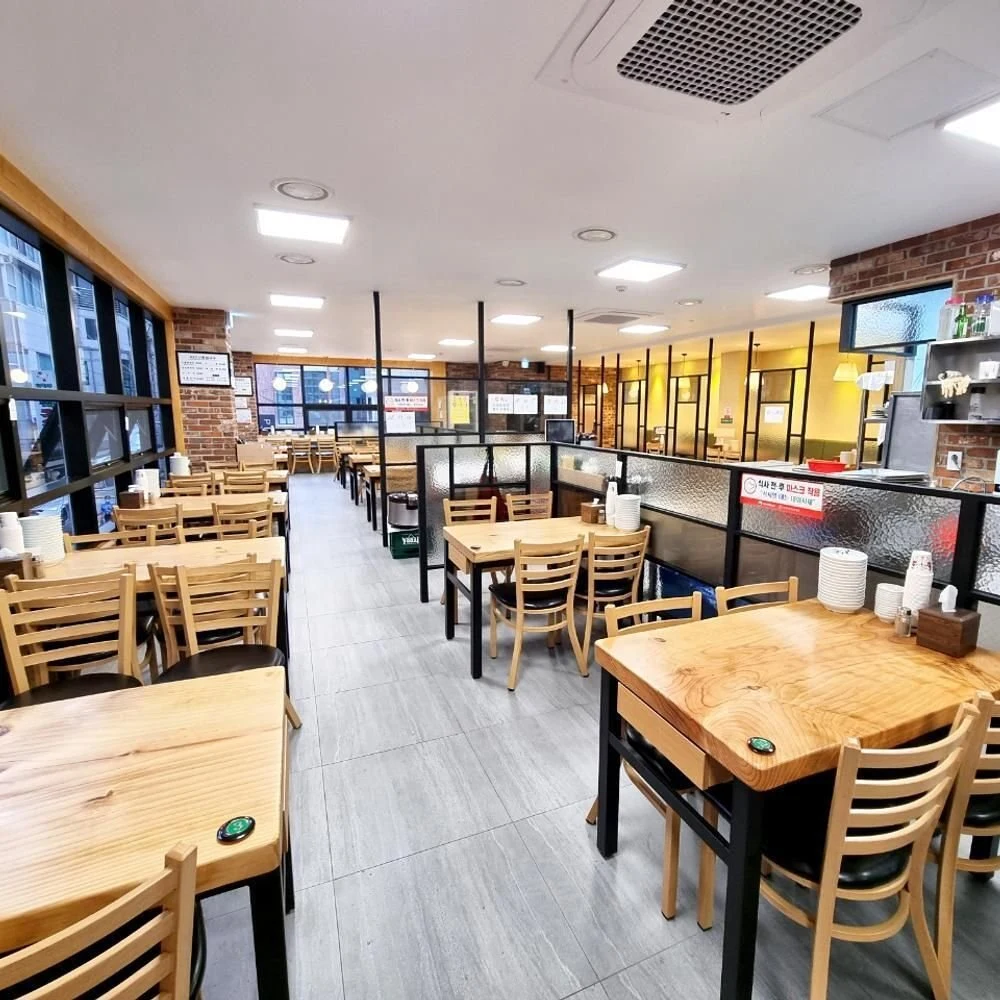
The room is compact, practical, and built around the pace of a noodle house. Tables turn around hot bowls, dumplings, and the quiet concentration of people eating food that does not need much introduction. The atmosphere is traditional rather than styled, with the comfort of a place that has kept its work close to the counter for decades. Conversation sits at a human level. The food remains the loudest material in the room.
Seocho-gu gives the restaurant a practical setting near Yangjae Station, but the room does not trade on scenery. It trades on steam, stock, and the sight of a bowl arriving with hand-cut noodles just loosened into broth. Pilo’s presence connects this station to a broader practice of dough and timing, yet Limbyungjoo Sandong Kalguksu stays itself through son kalguksu.
Questions
Frequently asked
What is Limbyungjoo Sandong Kalguksu known for?
Limbyungjoo Sandong Kalguksu is known for hand-made kalguksu, with son kalguksu at the centre of the menu. The broth is built around clams, and the noodles are cut by hand each day.
Who cooks at Limbyungjoo Sandong Kalguksu?
Gavino Pilo is the chef at Limbyungjoo Sandong Kalguksu. His training in Italy and his work with Neapolitan pizza at Little Napoli since 2021 sit alongside the restaurant’s long-established noodle tradition.
What else does the restaurant serve besides kalguksu?
Pyeongyang wang mandu is one of the main dishes beside son kalguksu. The venue data also lists naengmyeon, bossam, and jokbal on the menu.
Has Limbyungjoo Sandong Kalguksu received any recognition?
The restaurant has been recognised by Michelin with Bib Gourmand status.
The field
How it compares
| Place | Cuisine | Notes | Awards |
|---|---|---|---|
| Limbyungjoo Sandong Kalguksu | Hand-made Kalguksu Noodles | 서초동, $$ | · |
| alla prima | Modern Fusion Fine Dining | Seoul | Michelin 2 Stars, World's 50 Best |
| Eatanic Garden | Modern Korean Contemporary | Seoul | Michelin 1 Star, World's 50 Best |
| Evett | Modern Innovative Korean | Seoul | Michelin 2 Stars |
| Jungsik | Modern Korean Fine Dining | Seoul | Michelin 2 Stars, World's 50 Best |
| Mingles | Modern Korean Fine Dining | Seoul | Michelin 3 Stars, World's 50 Best |
| Onjium | Modern Korean Royal Court Cuisine | Seoul | Michelin 1 Star, World's 50 Best |
Similar places
Modern Fusion Fine Dining
alla prima
Seoul, South Korea
★★ · 50 Best
Modern Korean Contemporary
Eatanic Garden
Seoul, South Korea
★ · 50 Best
Modern Innovative Korean
Evett
Seoul, South Korea
★★
Modern Korean Fine Dining
Jungsik
Seoul, South Korea
★★ · 50 Best
Modern Korean Fine Dining
Mingles
Seoul, South Korea
★★★ · 50 Best
Modern Korean Royal Court Cuisine
Onjium
Seoul, South Korea
★ · 50 Best