Little Bear
- 01CuisineModern Global Fusion Small Plates
- 02CityAtlanta, United States
From the people index
Recommended by
One trusted voice points here.

Daily-changing plates at the pass
- Michelin Bib Gourmand · Michelin Guide
- Michelin Bib Gourmand · 2025
- Michelin Bib Gourmand · 2024
A menu held to its first idea
The menu changes by decision, not drift. Ryan Barth-Dwyer, chef at Little Bear in Atlanta, works inside a Summerhill restaurant where the small-plates format gives each day’s board room to move without losing its spine. His stated principle is plain: commit to the concept, then build to it without backing off. At the bench, that means the creative lane and the operational lane have to answer to the same point of view, from the first pickup through the last plate leaving the pass.
Barth-Dwyer’s work here is described through contrast rather than a single cuisine line. Monk Fish Tikka Masala sits beside Swordfish Milanese, Heavenly Egg Nest, and Mosaic Cake in his signature register, each one carrying a different kind of structure: spice, crispness, lift, assembly. Little Bear’s broader menu names beef and broccoli, sweet and sour chicken, and lettuce salad among its known dishes, but the restaurant’s discipline is not nostalgia. It is the act of taking familiar shapes seriously enough to cut, sauce, fold, and finish them with a cook’s sense of proportion.
Small plates with a daily pulse
Little Bear runs on modern small plates, à la carte choices, and a prix fixe path, with a curated wine program and a bar that leans into craft cocktails. The kitchen’s stated approach is modern global fusion, with Southern local ingredients and farm-to-table sourcing giving the work its ground. That pairing matters. Without the produce and the season, the references would float; without the references, the local ingredients would risk behaving like a checklist.
The restaurant is known for a daily-changing menu, which gives the method its tempo. A dish can carry Asian influence, Southern touch, and a sharp sauce in the same pass, but it still has to land as food rather than an idea. Barth-Dwyer’s own language around Little Bear allows for risk: “Some of the menu items were a leap of faith, but they proved to be very successful.” That is not a theory of novelty. It is a cook’s admission that some plates only become clear once the room has eaten them.
Brick, close tables, warm light
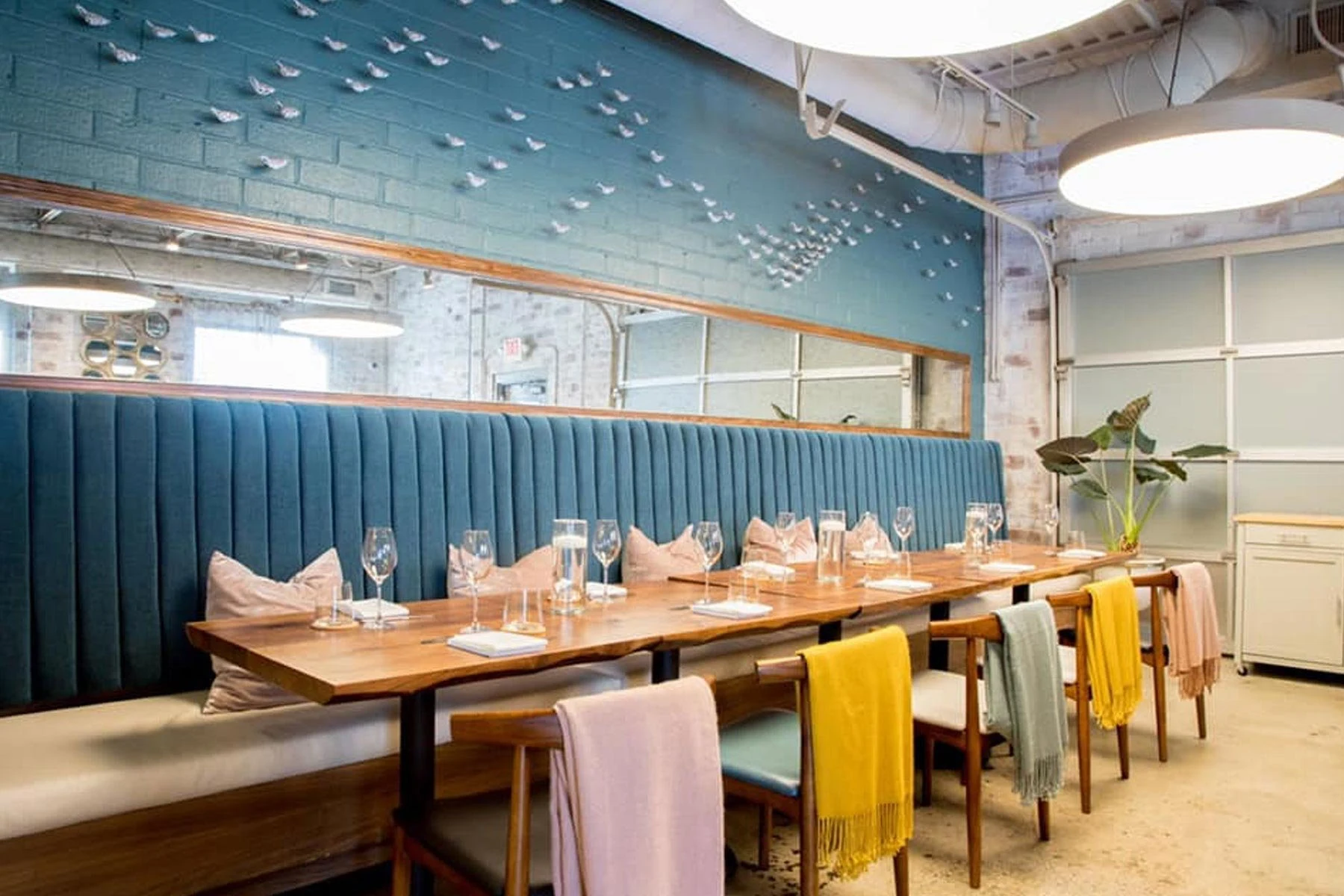
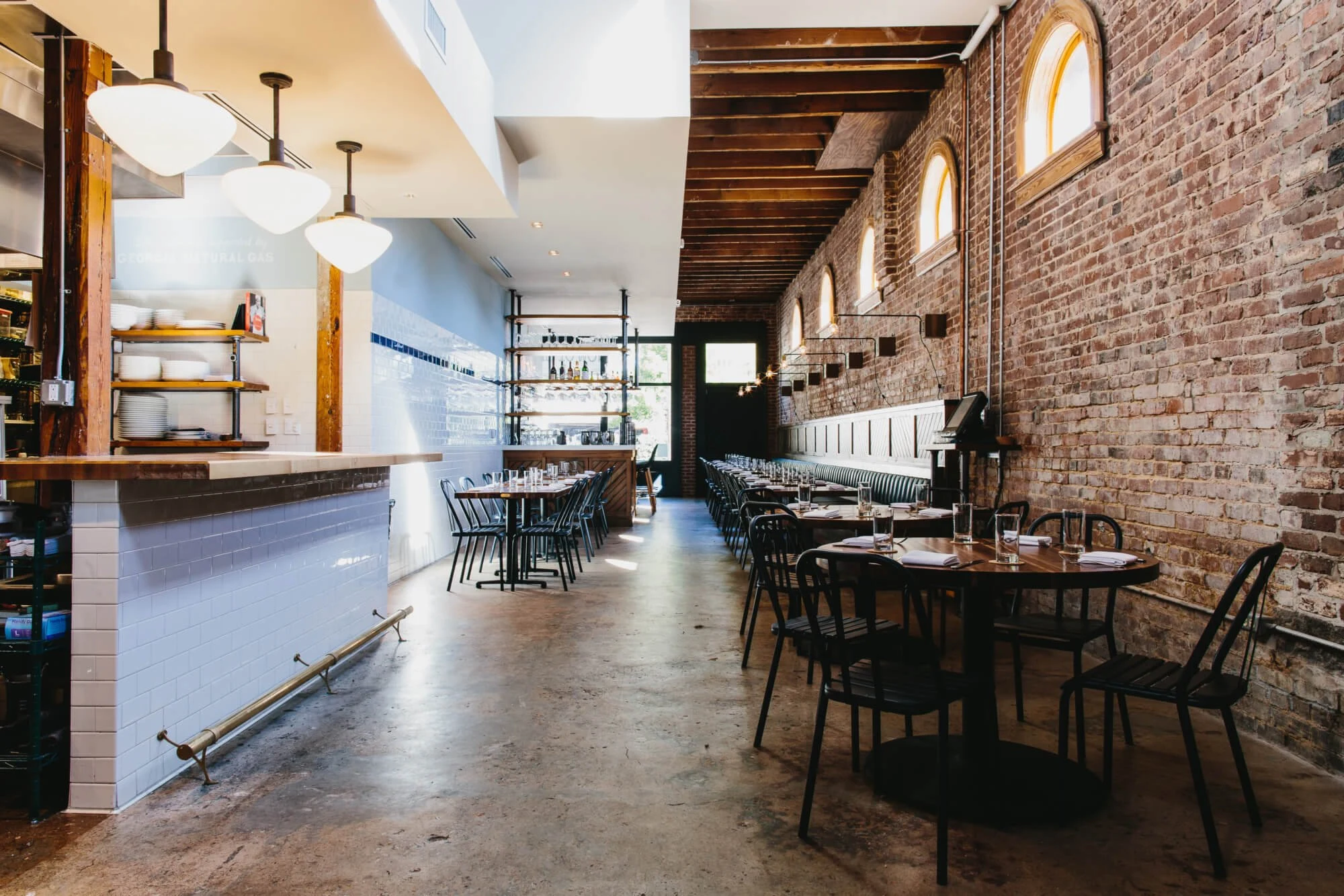
The room keeps the work close. Old brick walls, close tables, and warm lighting give Little Bear a homey bed-and-breakfast feeling, though the noise belongs to a lively restaurant rather than a hushed dining room. The pass does not sit at a remove from the experience; the small scale makes the timing visible, and the counter-rhythm of cocktails, wine pours, and arriving plates gives the place its pulse.
That intimacy suits food built in smaller formats. Little Bear holds Michelin Bib Gourmand recognition, including 2024 recognition tied to Barth-Dwyer’s work here, but the room’s better measure is physical: brick, tight spacing, warm light, and the plate of beef and broccoli arriving while the next round is already being built at the pass.
Questions
Frequently asked
Who cooks at Little Bear?
Ryan Barth-Dwyer is the chef at Little Bear in Atlanta, and the page copy describes him as shaping the restaurant’s daily-changing small plates with Southern ingredients and global reach.
What kind of food does Little Bear serve?
Little Bear serves modern global fusion small plates, with a menu that changes daily and includes dishes such as beef and broccoli, sweet and sour chicken, and lettuce salad.
Is booking recommended at Little Bear?
Yes. Reservations are essential, and the booking platform is Resy.
What recognition does Little Bear hold?
Little Bear holds Michelin Bib Gourmand recognition.
The field
How it compares
| Place | Cuisine | Notes | Awards |
|---|---|---|---|
| Little Bear | Modern Global Fusion Small Plates | Summerhill, $$$ | · |
| Antico Pizza Napoletana | Authentic Neapolitan Pizza | Atlanta | · |
| Aria Restaurant | Modern American Fine Dining | Atlanta | · |
| Atlas | Modern American Fine Dining | Atlanta | Michelin 1 Star |
| Bacchanalia | Contemporary American Fine Dining | Atlanta | Michelin 1 Star |
| Lazy Betty | Modern Inventive Tasting Menu | Atlanta | Michelin 1 Star |
| Staplehouse | New American Fine Dining | Atlanta | Michelin 1 Star |
Similar places
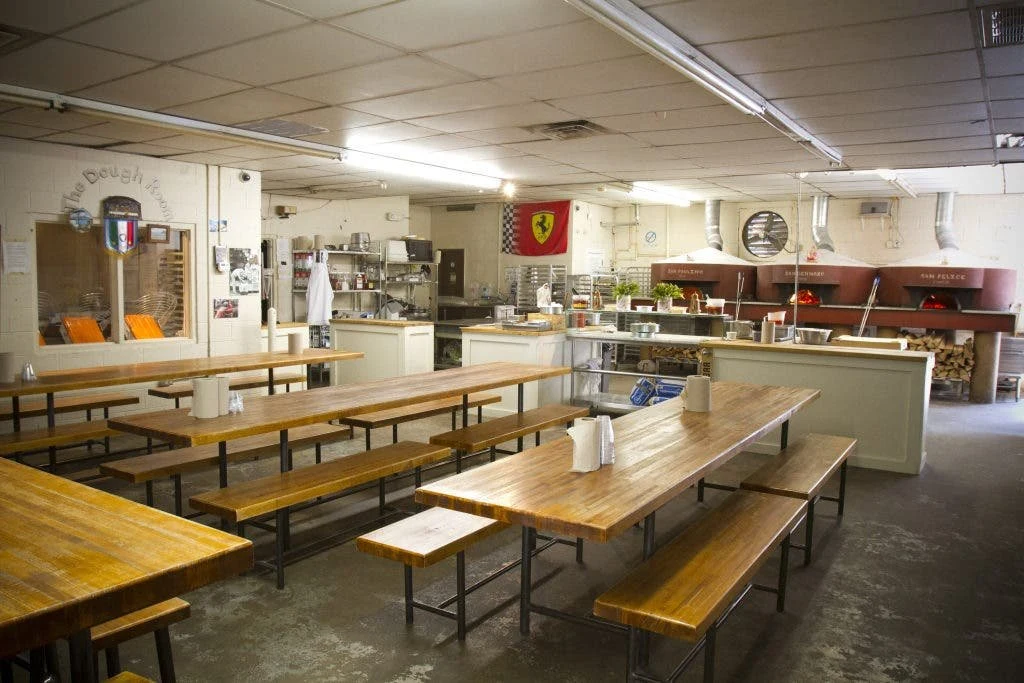
Authentic Neapolitan Pizza
Antico Pizza Napoletana
Atlanta, United States
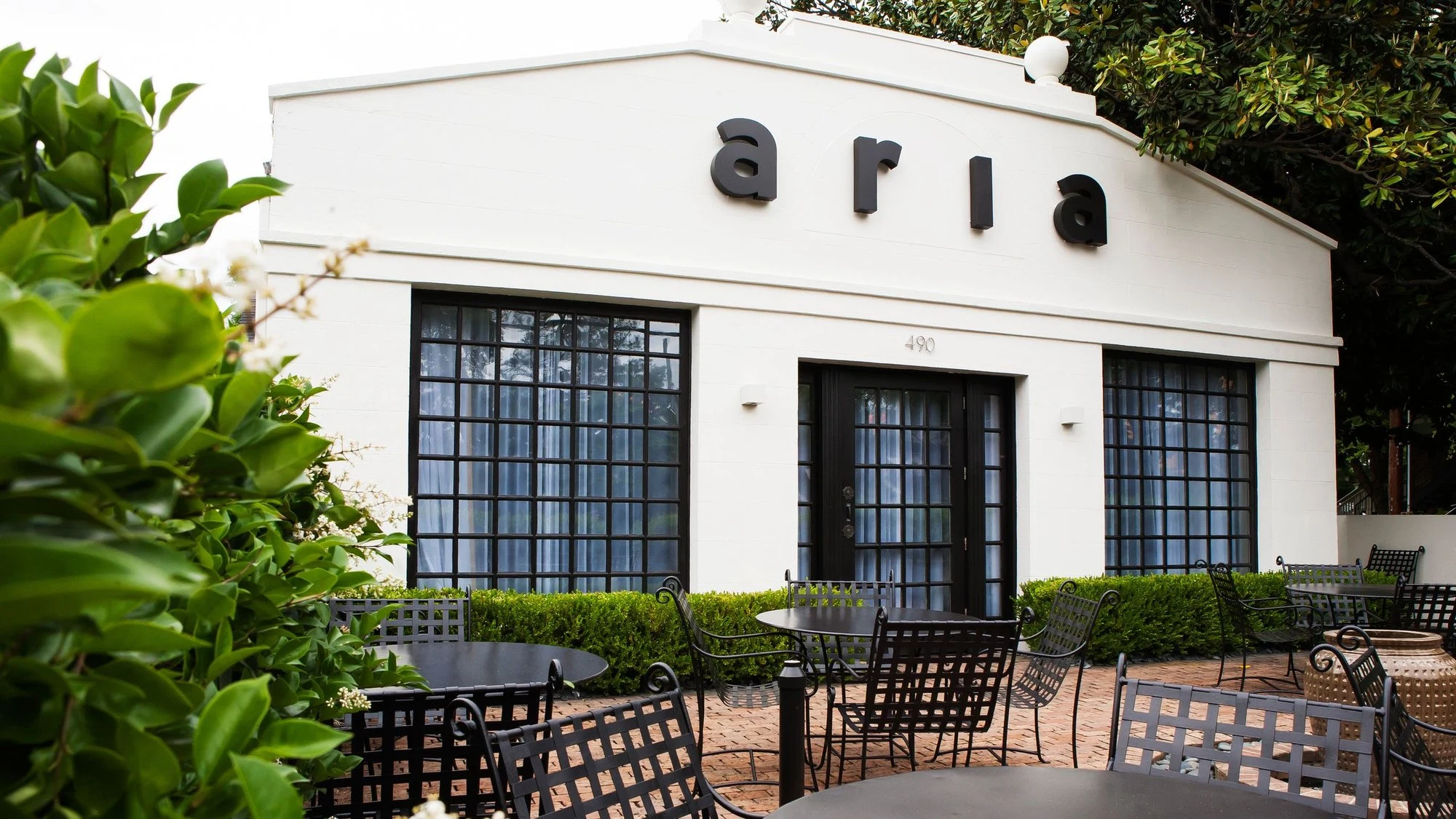
Modern American Fine Dining
Aria Restaurant
Atlanta, United States
Modern American Fine Dining
Atlas
Atlanta, United States
★
Contemporary American Fine Dining
Bacchanalia
Atlanta, United States
★
Modern Inventive Tasting Menu
Lazy Betty
Atlanta, United States
★
New American Fine Dining
Staplehouse
Atlanta, United States
★